
 English
 Español
 عربى
Jiangsu Hengfeng Fine Chemical Co., Ltd.

Content
E-commerce has made the cardboard box a daily part of life. For paper mills, the more important story begins after the parcel is opened. Old corrugated containers return to the mill, but they do not come back unchanged. Each trip through the recycling loop shortens fibres and creates more fines. That shift is putting retention aids under the spotlight, because fines that once passed through the system are now too valuable and too troublesome to ignore.
At Jiangsu Hengfeng Fine Chemical, we work with papermakers, water treatment teams, and industrial processors who deal with this reality in different ways. The common thread is simple: recycled fibre is not a lower-grade substitute for virgin fibre; it is a different furnish that needs a different chemistry conversation. This article looks at why cardboard is recycled more times, how fibre fines accumulate, and why demand for retention aids is rising.
Online shopping uses more corrugated board per dollar of sales than traditional retail. Industry studies have put the difference at several times the packaging intensity, because each order may travel in its own box, with void fill and protective layers. The result is not only more boxes but a different recovery pattern: material that once moved through loading docks and backrooms now moves through homes, kerbside collection, and transfer stations.
That change is not automatically bad for recycling. Corrugated board remains one of the most recovered packaging materials, and many boxes contain a substantial share of recycled fibre. But collection from households is messier than collection from stores. Tape, labels, moisture, food residue, and mixed materials can enter the bale. Meanwhile, mills are being asked to use more recovered fibre, run faster machines, and meet demanding strength specifications.
The numbers tell part of the story. In the United States, corrugated boxes have historically contained around 52% recycled fibre, while some European markets report much higher recycled content, closer to 88%. Those figures reflect different collection systems, export patterns, and fibre availability. They also point to a practical truth: the more times fibre is recycled, the more its quality matters.
Every time paper is repulped and remade, some fibres are shortened. A mill can handle that up to a point. The greater challenge is the fine material that comes with repeated recycling: tiny cellulose fragments, broken fibre ends, and other small particles that have high surface area but little strength. These fines can be useful in small amounts, but when they accumulate, they change how the furnish drains, retains, and forms.
In a recycled containerboard or paperboard mill, fines create a chain of effects. They increase the surface area that must be wetted and carried to the sheet. They can consume retention chemistry before it reaches the fibres that need it. They raise the solids load in white water and make drainage slower. And because they are small, they are more likely to pass through the forming fabric and recirculate in the water system.
| Furnish pressure | What it can do on the machine | Practical response |
|---|---|---|
| Higher fines load | Slower drainage and reduced first-pass retention | Optimize retention aid and screen performance |
| More carryover into white water | Higher chemical demand and deposit risk | Check charge, clarify white water, control loop solids |
| Variable recovered fibre quality | Sheet strength and formation swings | Test furnish regularly and adjust dosing |
None of these effects can be solved by adding more polymer alone. Retention chemistry works best when it is matched to the furnish, the machine, and the water loop.
Retention aids are polymers that help fine particles and fillers stay in the sheet rather than drain away. In a recycled furnish with a high fines load, the right retention aid can improve first-pass retention, support drainage, and reduce the load on the white-water system. For papermakers, that can mean better runnability, more consistent sheet properties, and less chemical waste.
But retention is a balance. Overdosing can collapse flocs, hurt formation, and create deposits. Underdosing leaves fines in the loop and forces the machine to work harder. The charge density, molecular weight, addition point, and shear conditions all matter. That is why a retention aid should be selected from a realistic furnish sample, not from a generic data sheet.
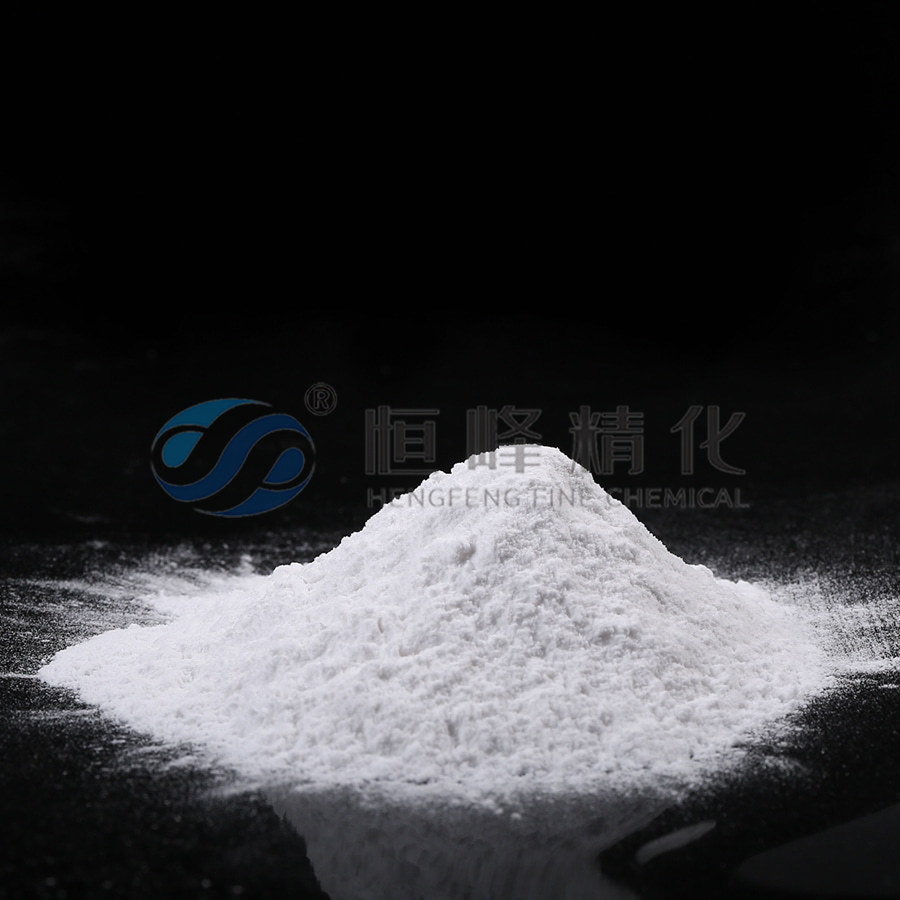 Cationic Polyacrylamide Retention Aid for Papermaking Wet EndCationic PAM retention aid for balancing fines retention, drainage, and formation; select from a realistic furnish sample for wet-end fit.View Product →
Our papermaking retention aid is designed for mills that need a practical way to keep fines in the sheet while maintaining drainage and formation. It is one part of the broader papermaking chemistry picture, which also includes dispersants, drainage aids, and water treatment support. You can review our paper industry applications to see how these products fit together.
The demand for retention aids is rising for reasons that go beyond a single market cycle. E-commerce has increased the volume of recovered corrugated board, but it has also increased the variability of that recovered fibre. At the same time, mills face pressure to reduce fresh water use, lower energy consumption, and maintain quality with more recycled content. Each of these trends makes fines management more important.
There is also an economic argument. Fines are not waste if they end up in the sheet. They are fibre that has already been purchased, transported, and processed. Retaining more of them can improve yield and reduce the solids load going to wastewater treatment. The goal is not to retain everything at any cost; it is to find the dose and chemistry that keep the machine stable and the sheet within specification.
At Jiangsu Hengfeng, our experience is built around polyacrylamide chemistry for water treatment, papermaking, mining, and oilfield applications. We produce polyacrylamide powders and emulsions at our facility in Rudong, and we work with customers in more than 60 countries. That range matters because retention problems rarely stay inside the paper machine. They connect to wastewater treatment, water reuse, and the overall chemical balance of the site.
We prefer to start with the customer's actual furnish and process conditions. Our support can include laboratory testing, pilot and scale-up trials, sample analysis, and on-site technical discussion. For a mill dealing with higher fines, the first step is not a sales pitch for a new product. It is a clear look at the fibre, the water, and the machine. From there, we can recommend a retention-aid approach that fits the mill rather than forcing the mill to fit a standard recipe.
If you are reviewing retention performance or planning a change in recovered fibre use, our team can help you evaluate the options. You can contact us to discuss a trial or send a sample for analysis.
E-commerce cardboard is not just a packaging story. It is a fibre-quality story. More recycling cycles can mean more fines, more variable furnish, and more pressure on retention and drainage. Retention aids are becoming more important because they help mills keep valuable fibre in the sheet while protecting the water loop and the machine.
The best response is neither to accept higher fines as inevitable nor to treat retention chemistry as a simple dose increase. It is to understand the furnish, measure the right variables, and choose a polymer system that performs under real mill conditions. That is the practical path to better yield, steadier runnability, and more confident use of recycled fibre.

daisy@jshfpam.com

+86-13951412113

No. 35 Hairun Road, Yangkou Town, Rudong, Nantong City, Jiangsu Province, P.R.China
RBRH 01, Jl. Ruko Boston, Salembaran, Kec. Kosambi, Kabupaten Tangerang, Banten 15214,Indonesia.
(PT. Hengfeng Fine Chemical Indonesia)