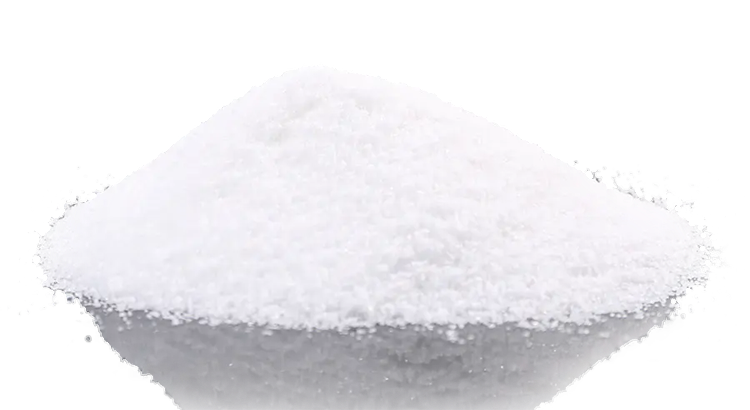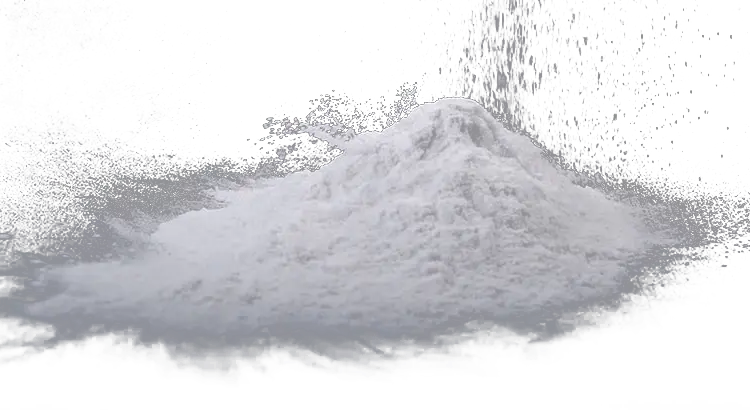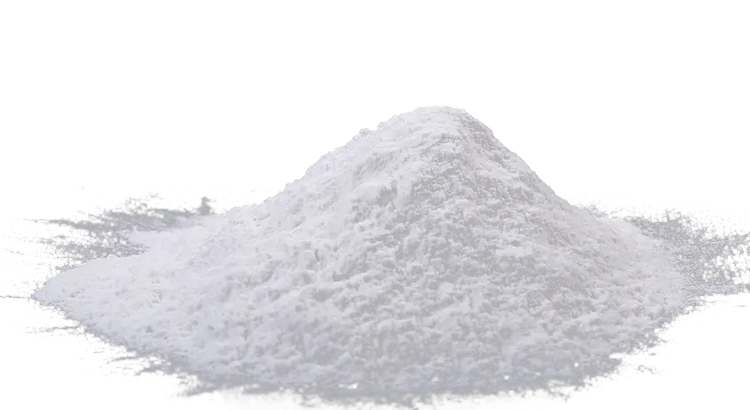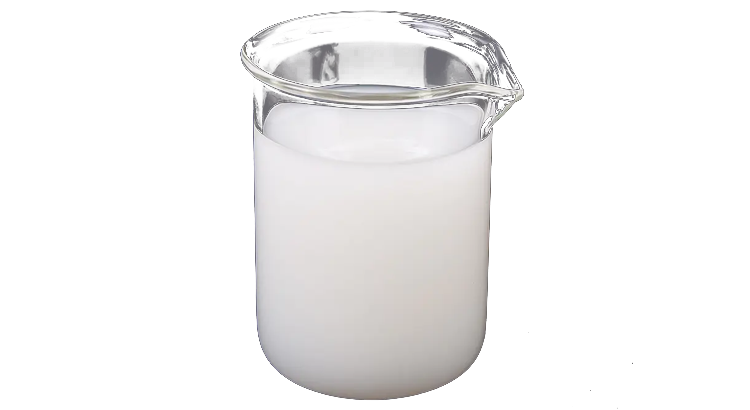




For the well drilling, drilling fluid is applied to reduce the abrasion of equipment, reduce jamming of drilling tools, and prevent leakage and collapse. Polyacrylamide is added to the drilling fluid to adjust the rheological property of the drilling fluid, so as to carry lithic fragments, lubricate drill, and facilitate drilling. Polymer flooding technology needs high molecular weight polyacrylamide to increase the viscosity of infusing water. The oil-gas mobility ratio is improved. Then the water will replace the crude oil and drive it out, which improves the oil yield. In the fracturing process, polyacrylamide is added to the fracturing fluid due to its high viscosity, low frictional resistance, good sand-carrying ability, easy to prepare and low cost.
The high speed of paper machines requires the support of retention and drainage technology. Polyacrylamide could improve the retention rate of fiber and filler, and improve the drainability of paper stock. Polyacrylamide could also act as a sizing agent during paper making. It could improve the water proof feature of paper to increase persistence and shelf life. As it could form a dense film with fiber, the film has fine water proof features and prevents the water seep into the paper. For cationic polyacrylamide with low molecular weight, it could act as a dispersant to improve the uniformity of paper.
The flotation method is normally used in mineral processing. The mineral attaches to the bubbles and comes up to the pulp surface. Polyacrylamide could be added to the ore pulp to increase the adhesion and absorption between minerals and bubbles. This could help increase the recovery rate of minerals. Most minerals need dewatering during mineral processing. Polyacrylamide could also help improve the dewaterability of powder peat, which is used as a heavy metal catcher and has poor dewaterability. In addition, due to the activity of polyacrylamide, it could shorten the stirring and heating time to reduce energy consumption.
Polyacrylamide has a good property of flocculation in water treatment. It could help separate the solid and liquid quickly in water and accelerate the sedimentation of solids. The quality of water will improve after polyacrylamide treatment. For wastewater treatment, Polyacrylamide works well with polyaluminum chloride(PAC). Polyacrylamide could work together with PAC to remove the following items from wastewater: chromacity, turbidity, oils, metal ion, fluoride, phosphate, etc. In addition, the dosage of polyacrylamide could be saved greatly in combination the use of PAC.
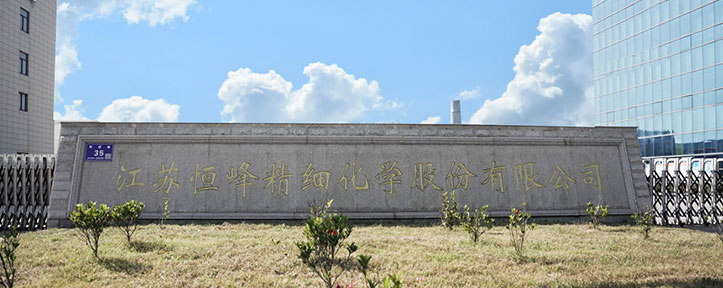
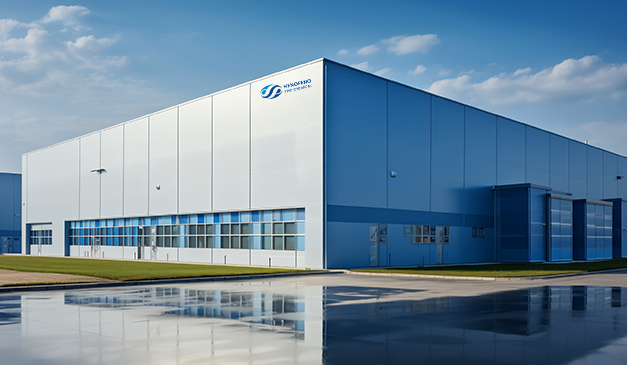

We have comprehensive pre-sale/in-sales/after-sales services, a separate laboratory, and a strategic cooperation service of 24-hour call. We can provide OEM customization.

We have been worked with over 3000 partners. This help us accumulate extensive experience in wastewater treatment, mining process, papermaking and oil& gas exploitation.

Annual polyacrylamide capacity over 100,000 tons. National high-tech enterprise certification chemical research and development production enterprise.









daisy@jshfpam.com

+86-13951412113

No. 35 Hairun Road, Yangkou Town, Rudong, Nantong City, Jiangsu Province, P.R.China
RBRH 01, Jl. Ruko Boston, Salembaran, Kec. Kosambi, Kabupaten Tangerang, Banten 15214,Indonesia.
(PT. Hengfeng Fine Chemical Indonesia)



 English
 Español
 عربى
عربى