
 English
 Español
 عربى
عربى
Jiangsu Hengfeng Fine Chemical Co., Ltd.

Content
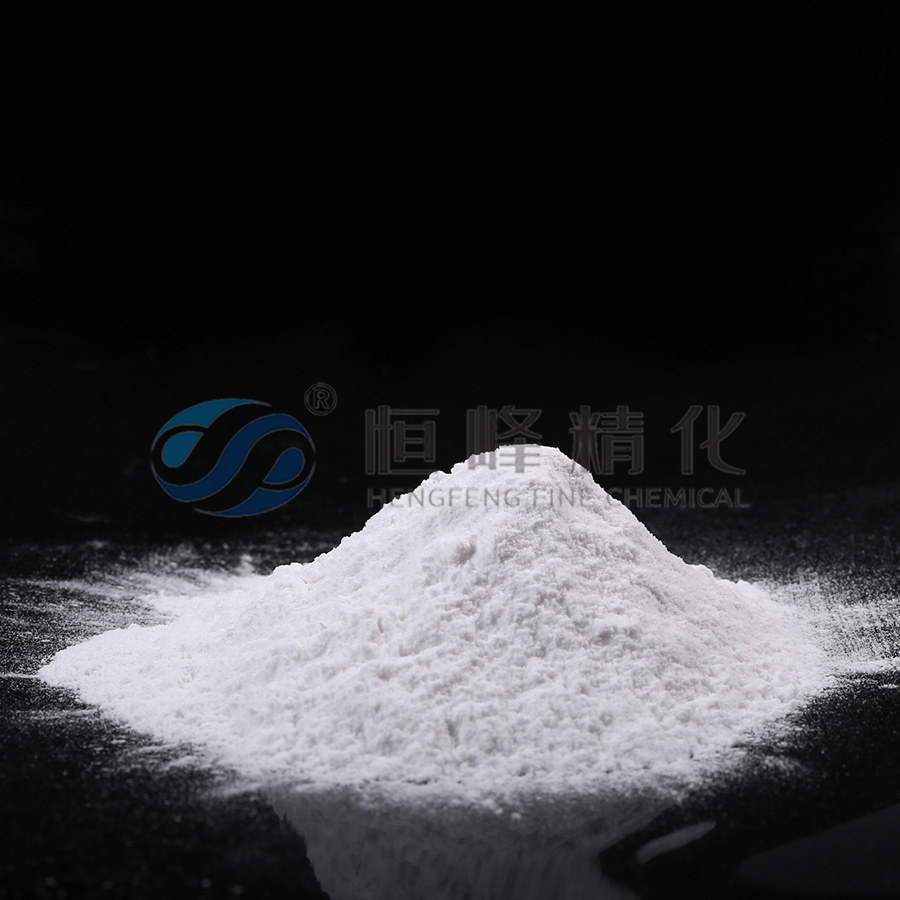
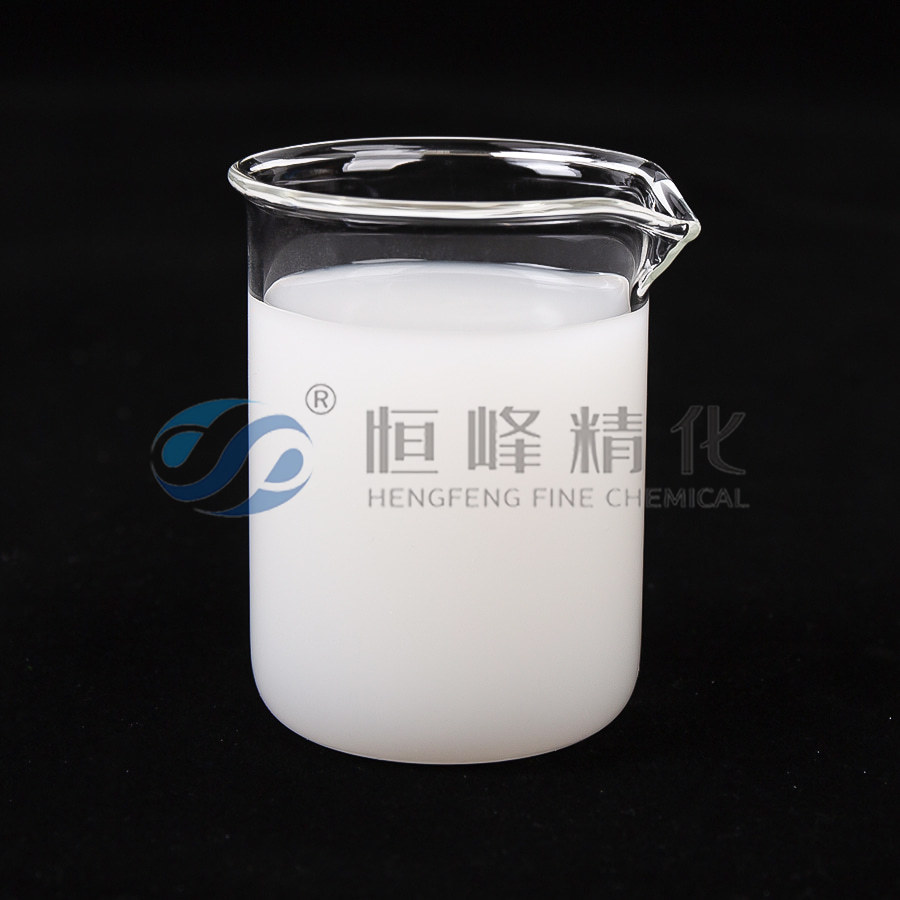
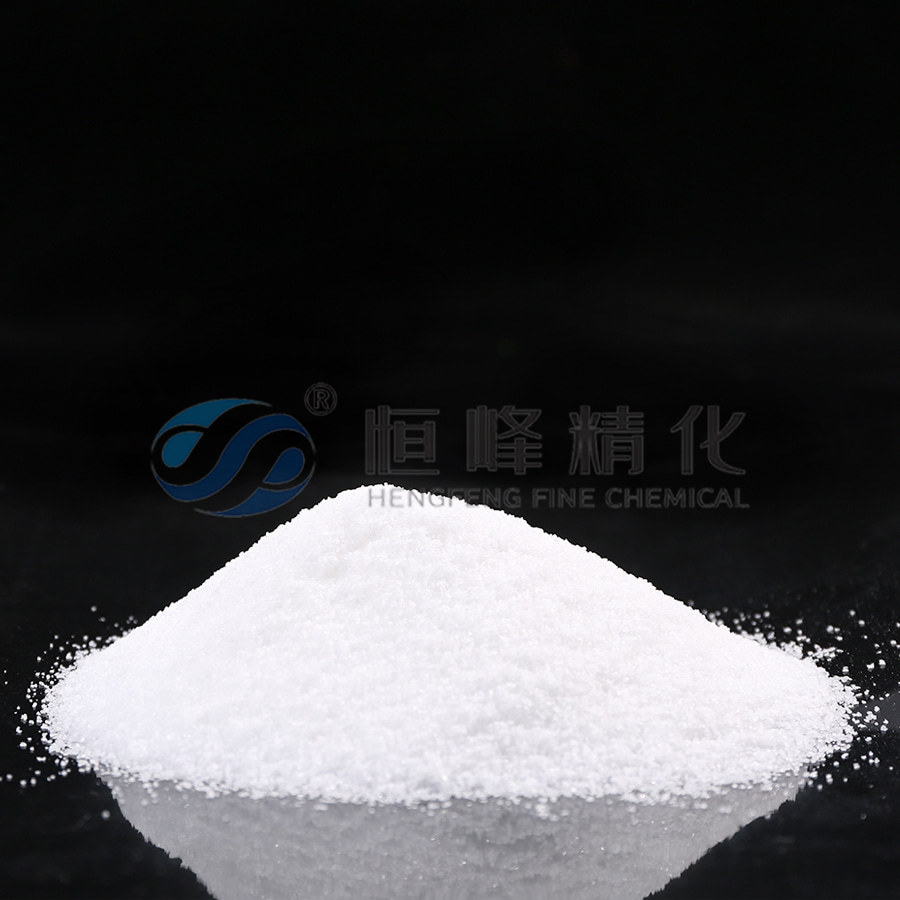
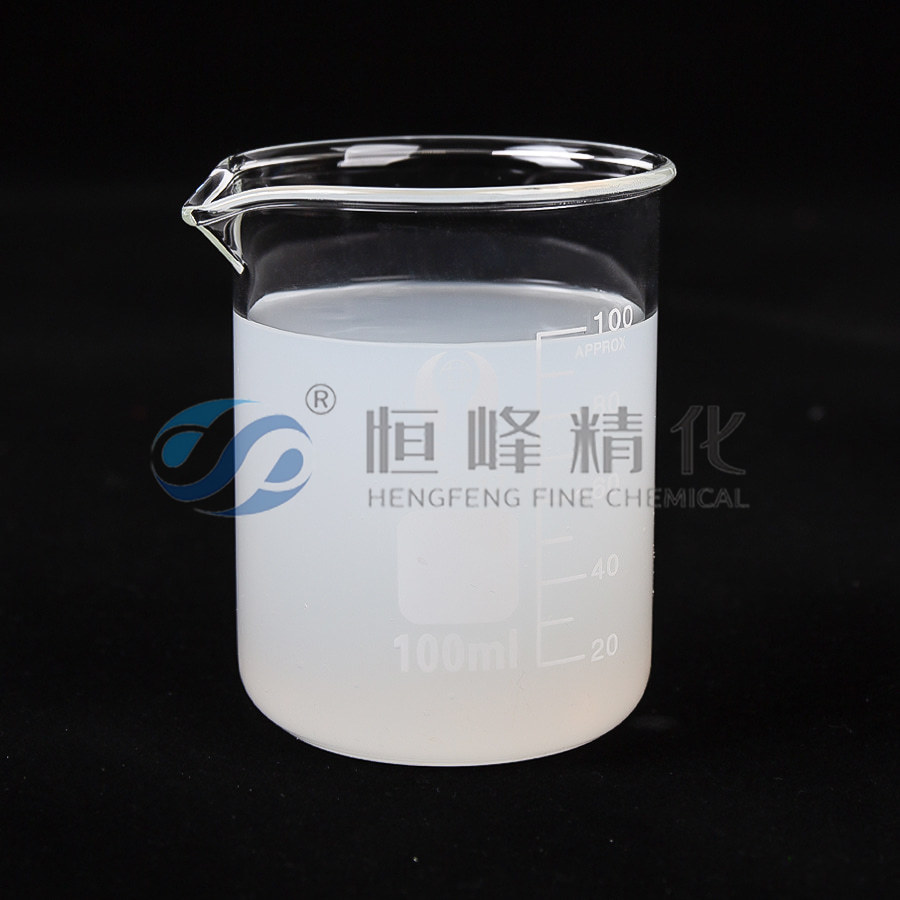
Dispersants PAM (Polyacrylamide) are anionic or nonionic water-soluble polymers designed to optimize pulp dispersion, improve fiber suspension stability, and minimize aggregation during paper production. Their molecular structure contains carboxyl and amide functional groups that interact with pulp fibers, pigments, and fillers, creating electrostatic repulsion and steric hindrance. This not only ensures homogeneous fiber distribution but also facilitates energy-efficient operations by lowering slurry viscosity and enhancing process consistency.
In high-speed modern paper machines, maintaining dispersion stability is critical to achieving uniform sheet formation. Dispersant PAM acts as a performance enhancer that supports both the mechanical and chemical aspects of papermaking. Its effectiveness depends on molecular weight, charge density, and compatibility with other additives like retention aids, defoamers, and sizing agents.
The efficiency of PAM dispersants lies in their molecular behavior within aqueous pulp suspensions. Fibers and fillers carry natural negative charges, leading to flocculation when charge imbalances or bridging occur. PAM introduces a controlled electrostatic repulsion and steric barrier that prevents these particles from reaggregating.
The integration of dispersant PAM into paper mill operations produces measurable gains in quality, throughput, and resource efficiency. It contributes to consistent product properties while reducing mechanical energy and chemical inputs. The effects can be observed across the wet-end system, refining process, and final paper characteristics.
| Performance Aspect | Influence of PAM Dispersant |
| Pulp Dispersion | Prevents fiber flocculation and promotes uniform fiber alignment for smoother sheet formation. |
| Filler Retention | Enhances the distribution and retention of mineral fillers, minimizing material loss and improving opacity. |
| Process Efficiency | Reduces energy consumption during refining and drainage by improving pulp fluidity. |
| Paper Quality | Results in improved smoothness, formation uniformity, tensile strength, and brightness consistency. |
To optimize dispersant PAM performance, paper mills must control operational parameters and consider chemical interactions. Factors such as pH, ionic strength, temperature, and additive sequence significantly influence its behavior. An ideal dispersant balances charge density and molecular size to fit specific pulp and filler systems.
In practical settings, dispersant PAM is dosed into the pulp system through automatic feed units to ensure uniform distribution. The performance must be continuously evaluated through laboratory and online monitoring systems, analyzing parameters like turbidity, drainage rate, and fiber dispersion index. Integration with digital control systems can further stabilize consistency and minimize chemical waste.
Emerging research focuses on developing biodegradable and high-efficiency PAM derivatives that offer enhanced dispersibility with minimal environmental impact. Innovations include grafted copolymers and hybrid organic–inorganic structures designed for specific filler systems such as precipitated calcium carbonate. The integration of data-driven monitoring and smart chemical dosing will further improve system stability and sustainability in paper production.
Dispersants PAM are vital to the evolution of modern paper manufacturing, bridging chemistry, material science, and process engineering. Their capacity to control fiber interactions, stabilize suspensions, and enhance overall system efficiency makes them a cornerstone in achieving high-quality, sustainable paper production. As technology advances, optimized PAM formulations will continue to shape the efficiency and environmental footprint of the global pulp and paper industry.

daisy@jshfpam.com

+86-13951412113

No. 35 Hairun Road, Yangkou Town, Rudong, Nantong City, Jiangsu Province, P.R.China
RBRH 01, Jl. Ruko Boston, Salembaran, Kec. Kosambi, Kabupaten Tangerang, Banten 15214,Indonesia.
(PT. Hengfeng Fine Chemical Indonesia)