
 English
 Español
 عربى
عربى
Jiangsu Hengfeng Fine Chemical Co., Ltd.

Content
In mineral processing, slurry stability is not just a “handling” issue—it directly affects classification efficiency, flotation selectivity, pipeline reliability, and ultimately recovery. In this context, polyacrylamide acts as stabilizer to prevent the sediment and coherence of rock particle, helping keep the stability and mobility of ore pulp when and where you need it.
At the same time, polyacrylamide (PAM) can also be used as a precipitating/flocculating agent when you want rapid solid–liquid separation in tailings circuits. The key is selecting the right ionic type and molecular design, then applying it at the correct dosing point for the specific unit operation.
“Sediment” in an ore pulp usually presents as rapid settling in tanks, sanding in pipelines, unstable cyclone feed density, or dead zones in sumps. “Coherence” is commonly reported by operators as roping, stringy agglomerates, or sticky particle clusters that behave like oversized solids—reducing mobility and causing inconsistent downstream performance.
These symptoms are most severe when you have a broad PSD (including fines), high-density minerals, clay-rich ore, or fluctuating water chemistry (high salinity, variable pH).
Depending on grade selection and dosage, polyacrylamide can increase the continuous-phase viscosity (reducing settling velocity), improve particle dispersion by surface adsorption, and moderate micro-flocculation that leads to ropey coherence. In practice, the target is a controlled rheology profile: stable transport at operating shear rates, without forming oversized flocs that compromise classification or flotation.
When the objective shifts to tailings treatment, PAM is commonly applied to bridge colloidal particles and accelerate solid–liquid separation. If you need products designed primarily for thickening/clarification duties, refer to the mining-grade selection on our mining polyacrylamide page.
In mining circuits, PAM can be formulated and applied to support two different goals:
Stabilizing the ore pulp is most effective when you treat the “root cause” location—where settling or coherence starts—not where it becomes visible. Below are common high-leverage points.
Density and viscosity fluctuations at cyclone feed are often driven by fines/clay dispersion changes and recirculating water chemistry. A properly chosen PAM stabilizer can help keep the ore pulp mobile and reduce short-term variability, improving classification consistency.
If coherence forms “soft clusters,” valuable mineral surfaces may be under-conditioned or coated with gangue fines. Stabilization-focused PAM programs are often evaluated by comparing flotation kinetics and concentrate grade stability before and after treatment.
When sedimentation occurs in transport, the consequence is typically sanding at low-flow zones, elbows, or long horizontal sections. In some plants, mineral processing polymers are also selected for sealing/conditioning duties; for product families used in solid–liquid separation and related mining applications, see mineral processing flocculant.
Mineral processing wastewater can include heavy metal ions (for example copper, zinc, lead, nickel, barium, cadmium, and others) and residual mining reagents (such as cyanide and flotation collectors). In these circuits, PAM is frequently applied in separation mode to increase sedimentation efficiency and improve water recycling performance.
A polyacrylamide program succeeds or fails on grade selection. In mining, two commonly applied categories are anionic and nonionic polyacrylamide, with selection strongly influenced by pH, salinity, and the nature of fines/clays. As a starting point, nonionic grades are often preferred in acidic or high-salinity solutions, while anionic grades are widely applied in washing/flotation operations.
| Selection factor | What to look for | Typical direction |
|---|---|---|
| High salinity / acidic water | Charge suppression and hydration stability | Nonionic PAM often performs more consistently |
| Clay-rich ore (very fine particles) | Avoid ropey coherence; control micro-flocs | Low/weak anionic options are commonly screened first |
| Need fast tailings settling/clarification | Bridging and floc strength under shear | Higher MW / tailored charge density flocculant grades |
| Ore pulp mobility (prevent sediment/coherence) | Stable rheology and dispersion at operating shear | Stabilizer-focused grade + controlled dosage, optimized injection point |
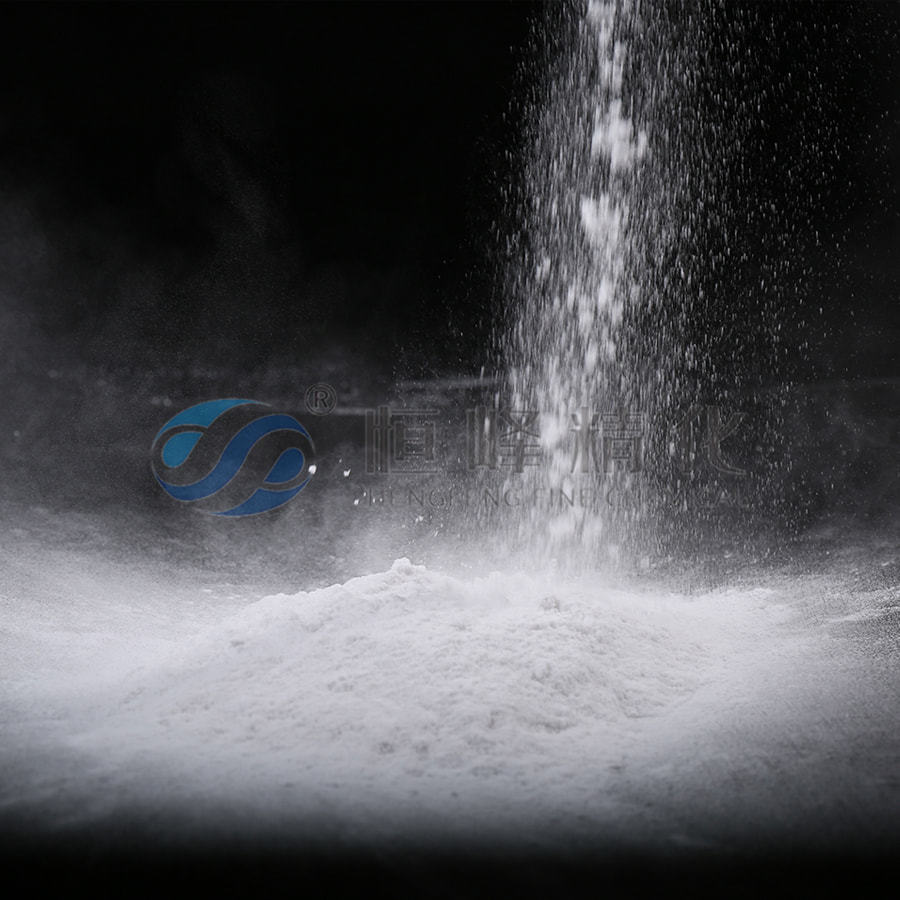
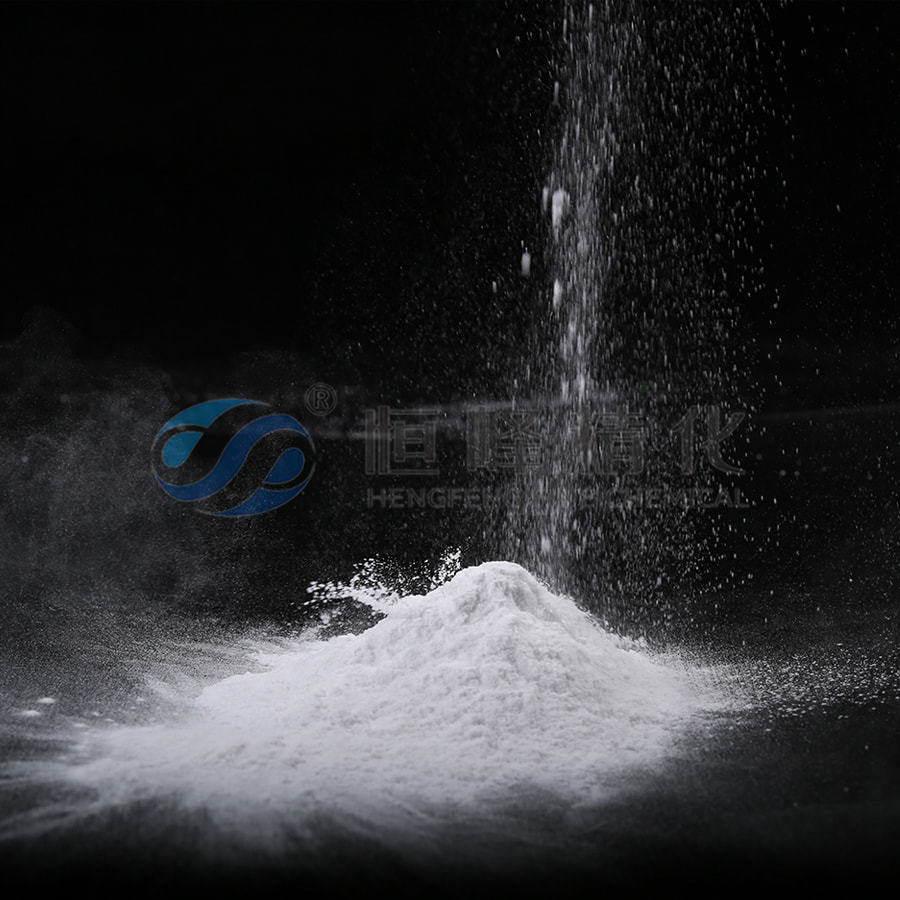
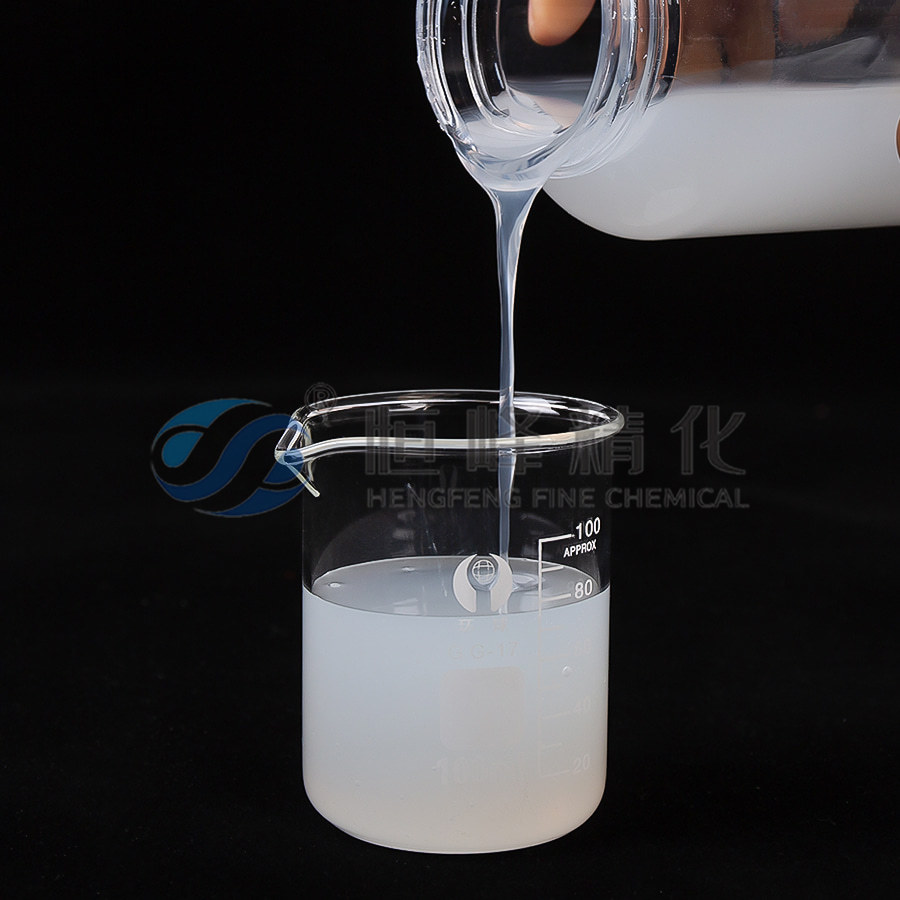
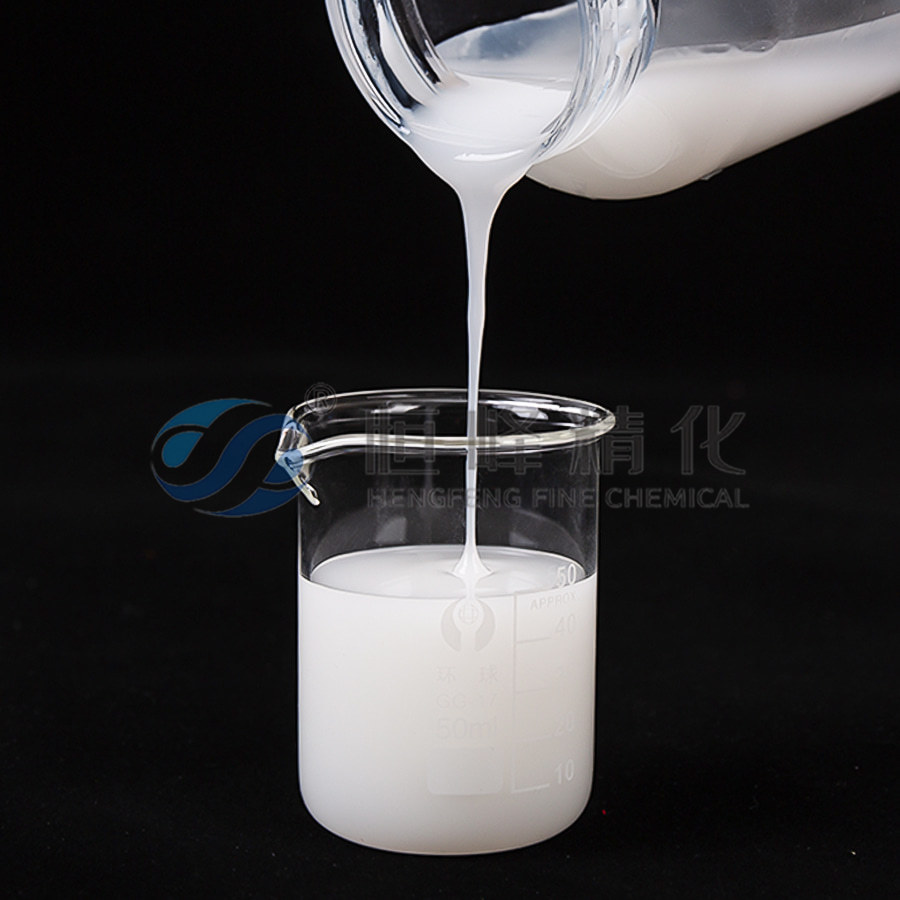
For specialized circuits such as alumina red mud separation, product forms and dosage windows can be quite specific. For example, alumina-related flocculant programs are often screened around 0.2–0.6 kg/ton (based on red mud) during separation optimization, with grade selection determined by slurry settleability and plant constraints. If this is relevant to your process, you may review dedicated solutions such as flocculant powder for aluminium oxide and flocculant emulsion for aluminium oxide.
Because ore mineralogy and water chemistry vary by site, an effective PAM program is typically validated in two steps: lab screening (jar tests) followed by pilot or on-stream trials. This approach minimizes risk and prevents over-dosing, which can create exactly the coherence you are trying to avoid.
A practical rule for stability-focused programs: aim for the lowest dose that achieves stable transport and minimizes coherence under real operating shear. Over-dosing can produce oversized flocs that “rope” or distort cyclone performance.
If the ore pulp continues to show sedimentation or coherence after adding PAM, the cause is usually one of the following controllable variables.
When troubleshooting, separate “stability KPIs” (sanding frequency, sump settling, cyclone feed density variance) from “separation KPIs” (overflow clarity, underflow density, settling rate). This prevents correcting one issue while unintentionally worsening another.
For a mining operation, polymer performance consistency is as important as peak performance in a lab test. A qualified supplier should be able to support grade selection with testing, provide stable supply in the required form (powder and/or emulsion), and help you build a repeatable dosing strategy that holds under real water and ore variability.
Jiangsu Hengfeng Fine Chemical has rich experience in applying Polyacrylamide in mining. If you can share basic operating data (ore type, solids %, pH, salinity/conductivity, PSD, unit operation objective), we can typically narrow the candidate grades quickly and recommend a structured lab-to-plant trial plan. The goal is straightforward:

daisy@jshfpam.com

+86-13951412113

No. 35 Hairun Road, Yangkou Town, Rudong, Nantong City, Jiangsu Province, P.R.China
RBRH 01, Jl. Ruko Boston, Salembaran, Kec. Kosambi, Kabupaten Tangerang, Banten 15214,Indonesia.
(PT. Hengfeng Fine Chemical Indonesia)