
 English
 Español
 عربى
عربى
Jiangsu Hengfeng Fine Chemical Co., Ltd.

Content
Search for polyacrylamide case studies and you will find municipal sludge, mine tailings, and oilfield produced water covered in detail. Aquaculture barely gets a mention. That is strange, because a single intensive shrimp farm running a recirculating aquaculture system (RAS) can generate more suspended solids per cubic meter of water than a small municipal treatment plant, just without the pipes and permits that make the problem visible.
Part of the reason this application stays under the radar is scale. Individual ponds are small compared to a coal washery or a paper mill, so the industry rarely shows up in flocculant literature. But the operational logic is far from simple. Pond bottoms accumulate feces, uneaten feed, and dead biomass that must be removed during draining and clean-out. RAS units generate a continuous stream of fine solids that clog biofilters if left untreated. Both problems come down to the same underlying question that solid-liquid separation addresses across waste management generally: how do you pull fine, often gelatinous organic matter out of water fast enough to keep an operation running.
Aquaculture effluent does not behave like the wastewater streams most flocculant guides are written for. Three properties set it apart.
In the United States, ponds and flow-through systems producing at least 100,000 pounds of aquatic animals a year fall under federal effluent guidelines, and even smaller operations typically still need a discharge permit. The EPA's aquaculture discharge permitting framework sets suspended solids limits that most untreated pond effluent cannot meet on settling alone, which is exactly where a flocculation step earns its cost.
There are three distinct points where this problem shows up, and each calling for a slightly different approach.
a)The first is pond bottom sediment during draining or periodic clean-out. Years of accumulated sludge need to be dewatered before disposal or land application, and without a coagulation step, this sludge can take days to settle and still leave a soupy, hard-to-handle residue;
b)The second is the mechanical filtration backwash from a RAS. Drum filters and settling tanks capture solids continuously, but the resulting sludge stream is often only 1–2% solids by weight. Getting that concentration up before disposal, or before feeding it into a biogas digester, is where cationic polyacrylamide's role in sludge dewatering becomes directly relevant, even though the sludge composition is biological rather than municipal;
c)The third is discharge water clarification. Before pond or RAS effluent reaches a receiving body of water, suspended solids and turbidity need to drop to permit-compliant levels, and flocculation is usually the fastest way to get there without a large footprint of settling basins.
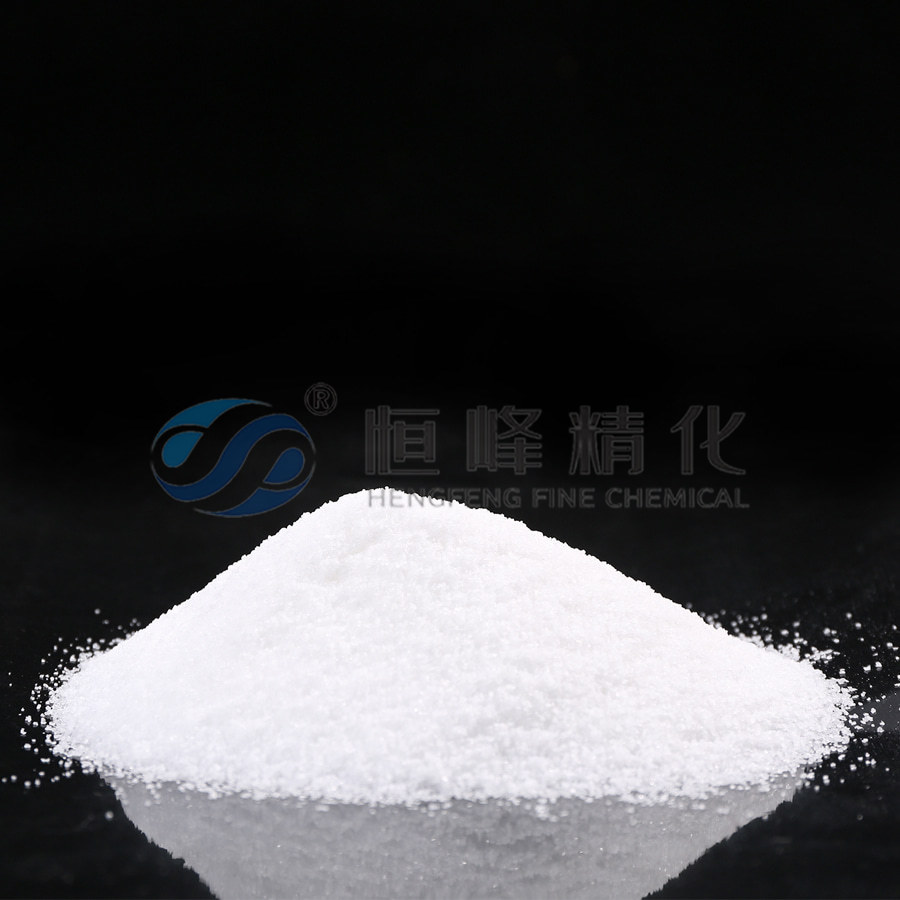
Organic solids from feed and feces carry a net negative surface charge, which is why cationic polyacrylamide tends to outperform anionic grades in this application. The positive charge neutralizes the particle surface directly and promotes fast, compact floc formation, which matters when farm operators want quick turnaround between clean-out and refilling a pond.
While, anionic or nonionic grades still have a place. In systems where a coagulant like polyaluminum chloride is already dosed to handle mineral turbidity or phosphate, an anionic polymer can serve as a secondary bridging agent to build larger, more settleable flocs. The general logic for choosing between anionic and cationic polyacrylamide still applies here, but the starting assumption should lean cationic given the organic, negatively charged nature of aquaculture solids.
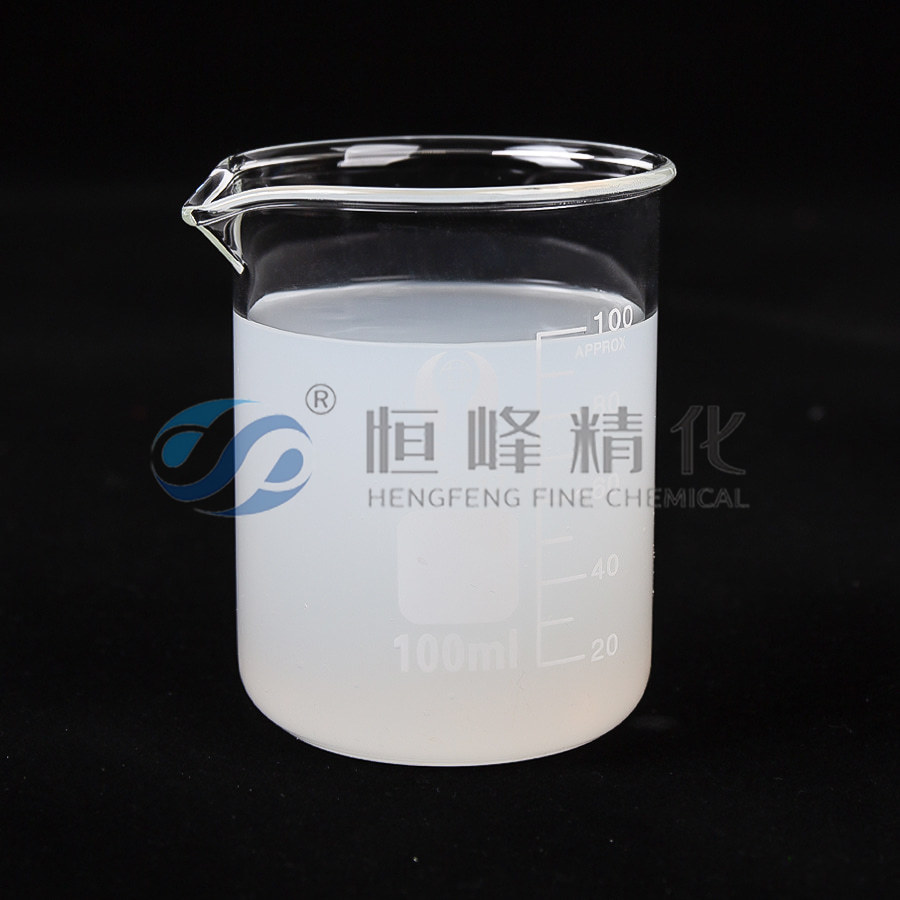
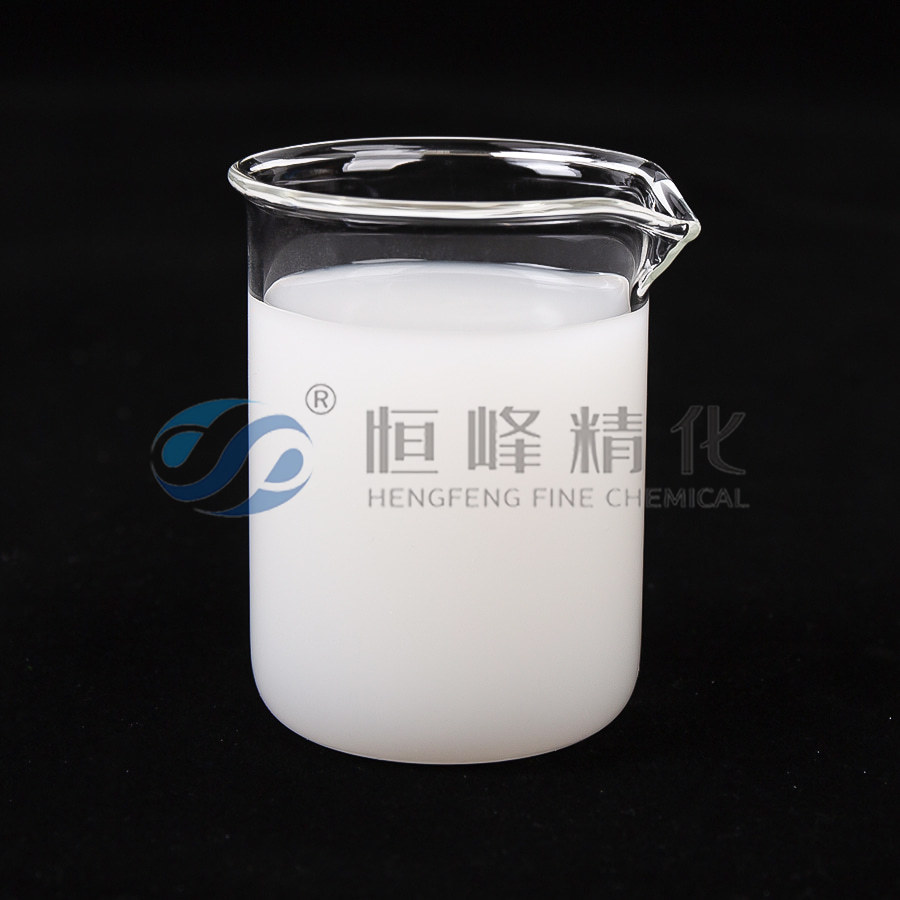
Molecular weight matters just as much as charge type. Feed particles and biofloc are relatively light and low-density, so a higher molecular weight grade is usually needed to build a floc large enough to settle quickly, particularly in cold-water systems like salmon farms where settling velocity drops with temperature. Hengfeng's cationic polyacrylamide emulsion line and anionic polyacrylamide emulsion line both offer a range of molecular weights that can be matched to these conditions rather than treating the choice as one-size-fits-all.
Salinity changes how a polyacrylamide chain behaves in solution. In high-salinity water, the polymer coil contracts, which shortens its effective reach for bridging particles together. Farms operating in brackish or marine conditions often need a slightly higher dose than a freshwater operation treating a similar solids load, simply to compensate for that contraction.
Temperature adds a second layer. Cold water slows both the chemical reaction kinetics and the physical settling rate of flocs, which is why cold-climate operations sometimes extend flocculation contact time rather than increasing dose, since overdosing can restabilize particles and actually worsen turbidity.
There is also a biological constraint that industrial wastewater treatment does not have to consider: residual polymer or unreacted monomer reaching a live pond or a downstream recirculating system can stress or harm the animals being farmed. Dosing needs a margin of safety built in, and treated water destined for reuse should be tested for residual polymer before it re-enters a culture tank.

daisy@jshfpam.com

+86-13951412113

No. 35 Hairun Road, Yangkou Town, Rudong, Nantong City, Jiangsu Province, P.R.China
RBRH 01, Jl. Ruko Boston, Salembaran, Kec. Kosambi, Kabupaten Tangerang, Banten 15214,Indonesia.
(PT. Hengfeng Fine Chemical Indonesia)