
 English
 Español
 عربى
عربى
Jiangsu Hengfeng Fine Chemical Co., Ltd.

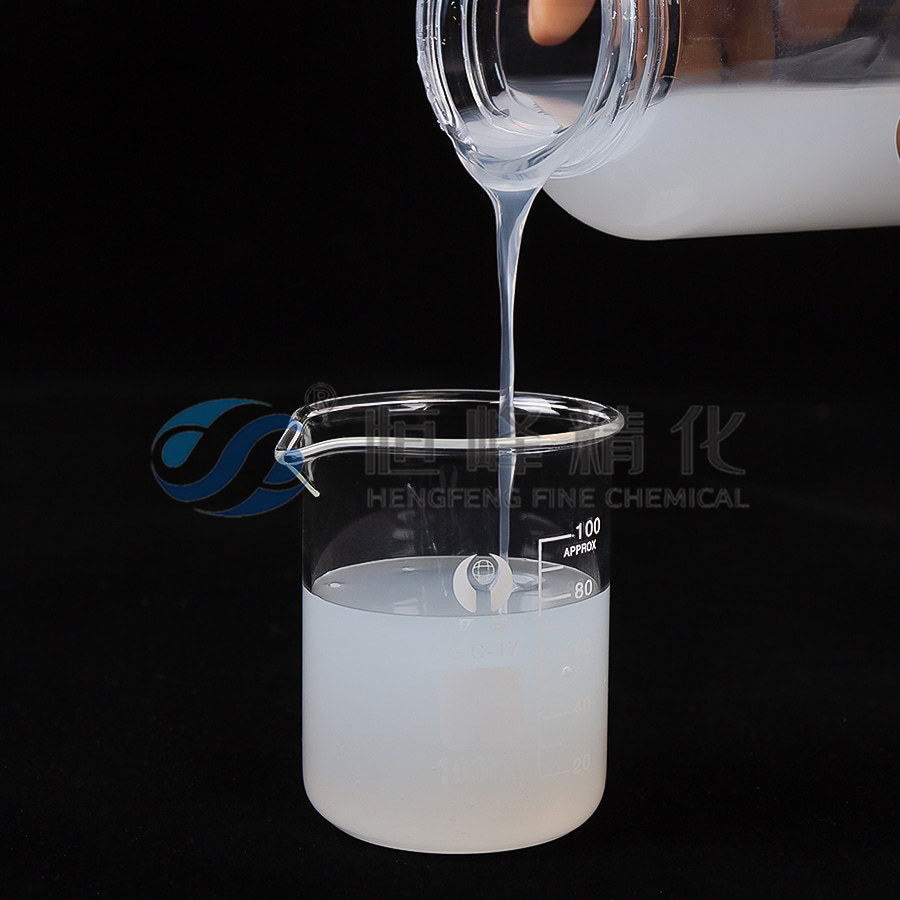
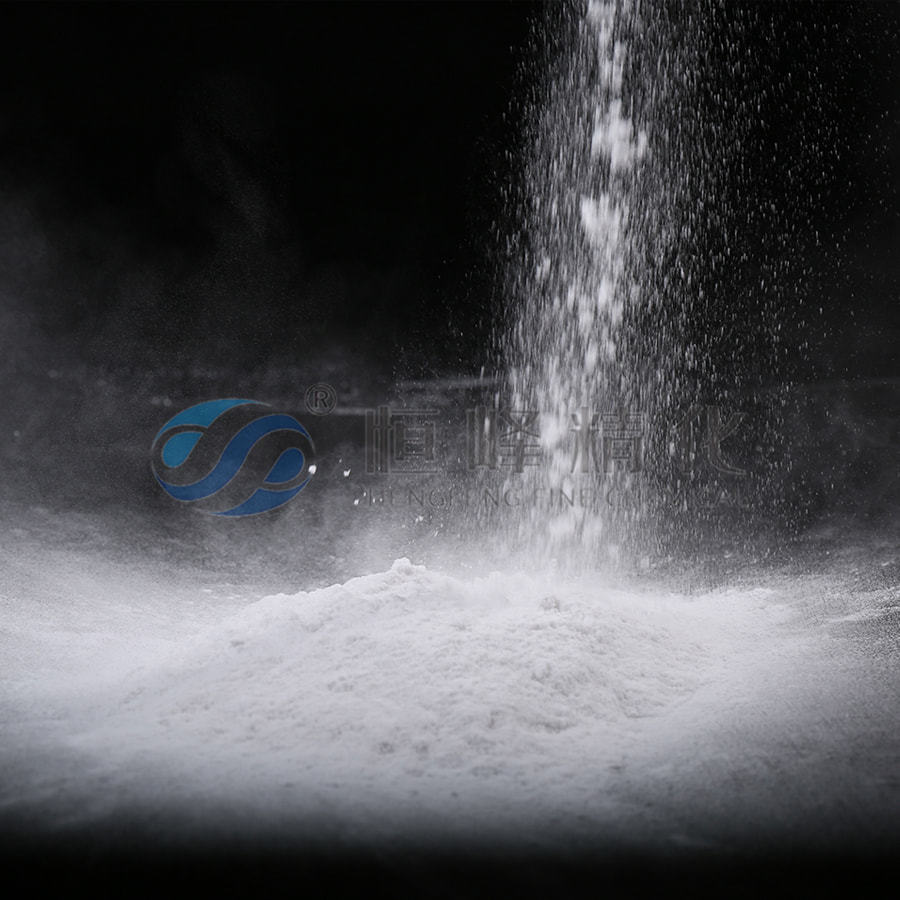
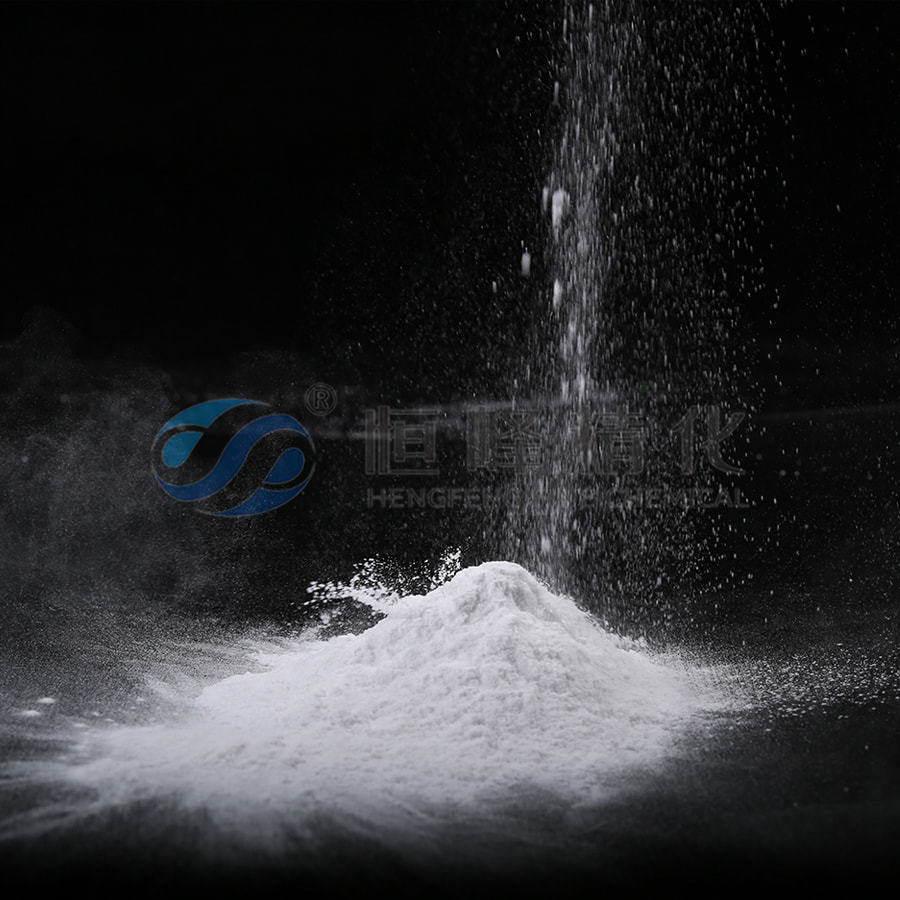
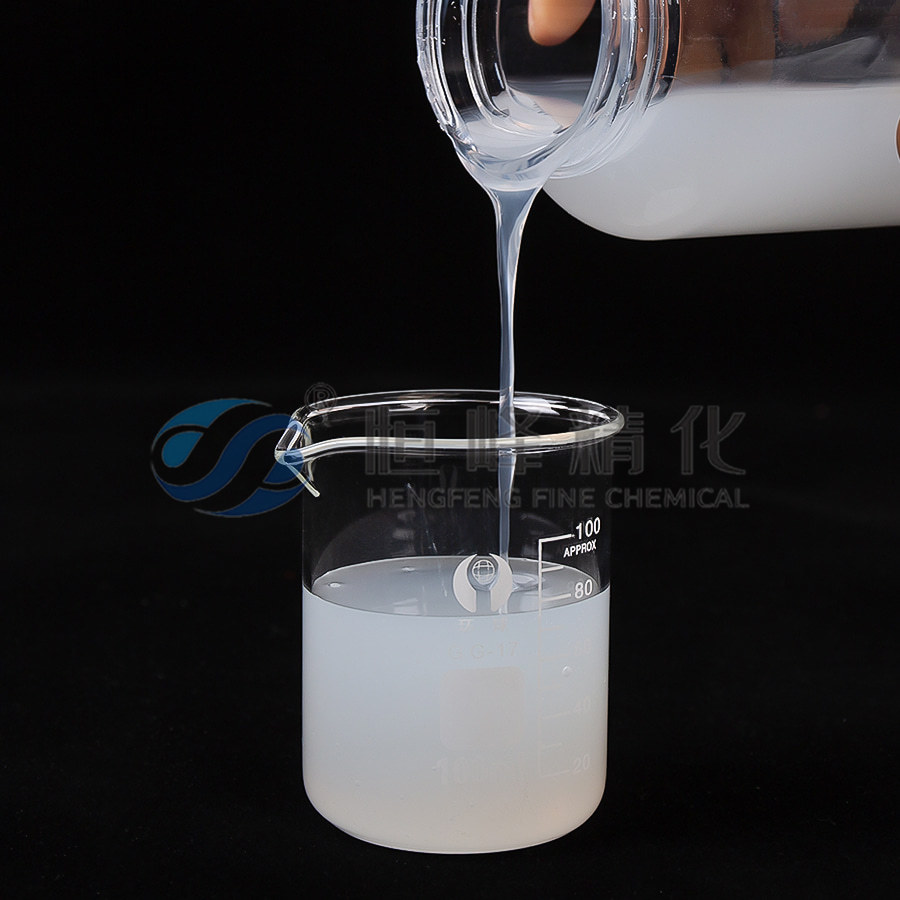
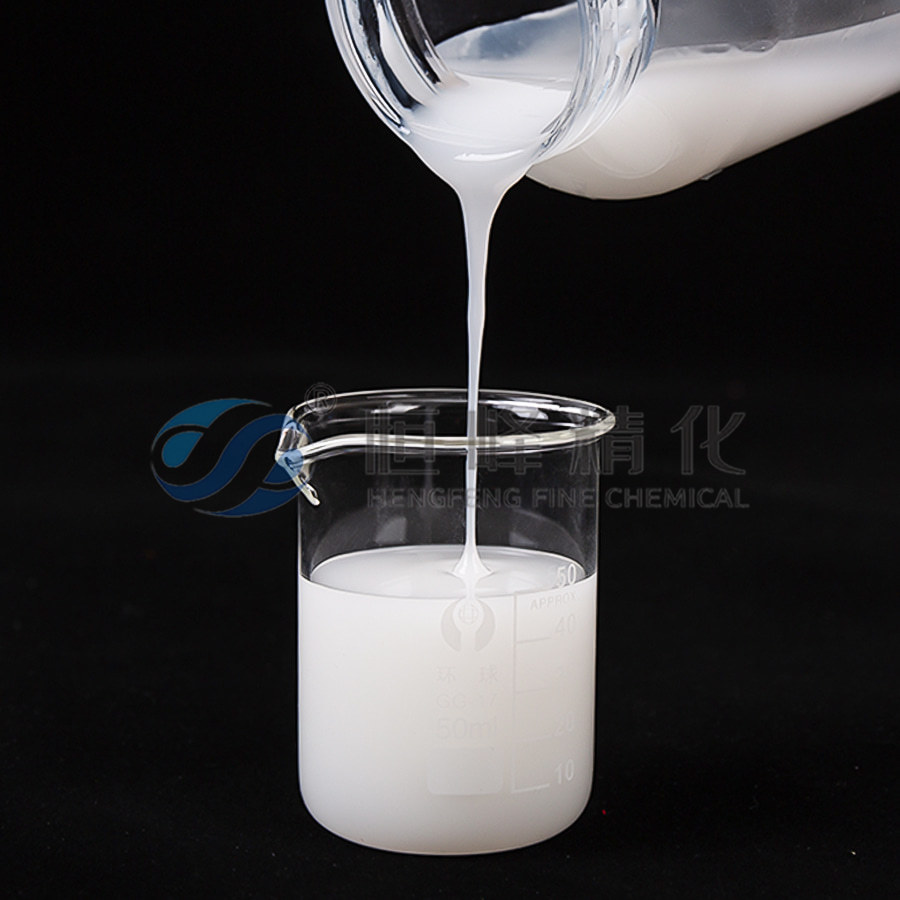
Cationic polyacrylamide emulsion(CPAM emulsion) is a special form of polyacrylamide. CPAM emulsion could be used in the treatment of urban sewage, kitchen wastewater, dyeing wastewater, coal washing water, mineral processing wastewater and other industrial wastewater. Compared with CPAM powder, CPAM emulsion has a much shorter dissolution time, which could help increase the work efficiency greatly. In addition, CPAM emulsion could help reduce the output of sludge. The supernatant turbidity of the wastewater treated by CPAM emulsion is also 20~30% lower than that of CPAM powder.
|
Type |
Charge |
Solid content |
Brine viscosity |
Application |
|
EC2020 |
Middle |
≧40% |
6.0-7.0 |
Urban sewage Kitchen wastewater Dyeing Coal washing Mineral processing and other industrial wastewater. T serial has low molecular weight and better drain ability. Suit for plate and frame filter press |
|
EC2040 |
||||
|
EC2040T |
||||
|
EC2050 |
5.0-6.0 |
|||
|
EC2060 |
High |
≧45% |
7.0-8.0 |
|
|
EC2060T |
Cationic polyacrylamide emulsion is suitable for applications that require rapid dissolution and immediate treatment, such as industrial wastewater treatment, sludge dehydration, etc., where rapid effects are required. CPAM in the form of emulsion dissolves quickly in water due to its tiny particles that have been dispersed in water, and can generally be completely dissolved within 30 minutes. The polymer molecules in the emulsion are easily combined with suspended solids in water, showing a high treatment effect. Cationic polyacrylamide emulsion can be added directly to the treatment system through a metering pump to facilitate automated control and operation. If rapid dissolution is required for on-site operations, emulsions are more suitable.
1, sludge dehydration:Cationic polyacrylamide emulsion plays an important role in the process of sludge dehydration. According to the nature of the sludge, the suitable polyacrylamide model can be selected to effectively dehydrate the sludge before the sludge enters the press filtration. In the process of dehydration, it can produce large floc, non-stick filter cloth, does not disperse when pressing filter, the mud cake is thicker, the dehydration efficiency is high, and the moisture content of the mud cake can be reduced to less than 80%.
2, Treatment of organic wastewater: For domestic sewage and organic wastewater, such as the production of grain alcohol wastewater, urban sewage treatment plant wastewater, beer wastewater, monosodium glutamate wastewater, sugar wastewater, feed wastewater, etc., polyacrylamide shows efficient flocculation precipitation. This kind of wastewater generally has a negative charge, and polyacrylamide is positive in the coordination or alkaline medium, so it can effectively flocculate and precipitate the suspended particles in the sewage, and the clarification effect is remarkable.
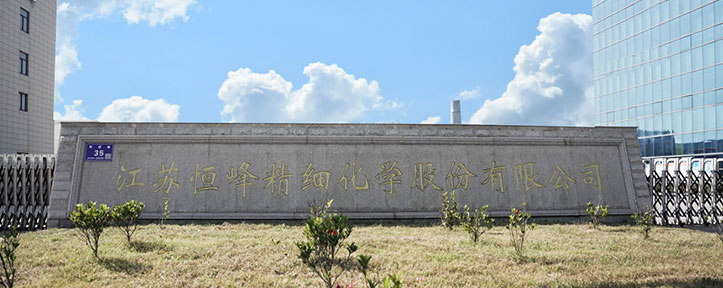
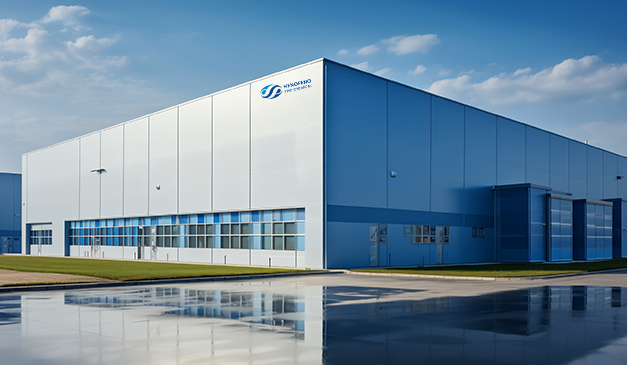
HENGFENG CHEMICAL is a polyacrylamide(PAM) manufacturer, factory and supplier in China. Wholesale Cationic Polyacrylamide Emulsion Suppliers, Cationic Polyacrylamide Emulsion Factory. The production capacity of polyacrylamide powder is 50,000 tons/year, and the production capacity of polyacrylamide emulsion is 50,000 tons/year.
Hengfeng Chemical has been committed to the field of water treatment and petroleum, constantly improving the technical service level, and optimizing product performance, combined with the on-site sewage water quality, treatment process, dehydration equipment, and other characteristics for customers to choose suitable products and use schemes, to help customers improve the efficiency of sewage treatment; Oilfield application has improved polymer molecular properties, effective cost control, strive to provide customers with more cost-effective products and services.
Hengfeng Chemical has become a professional research and development base of water treatment chemicals and oilfield chemicals in China. As Cationic Polyacrylamide Emulsion Manufacturers, the products are not only widely used in the domestic market but also exported to Europe, America, Africa, Oceania, Southeast Asia, and more than 60 countries and regions.


daisy@jshfpam.com

+86-13951412113

No. 35 Hairun Road, Yangkou Town, Rudong, Nantong City, Jiangsu Province, P.R.China
RBRH 01, Jl. Ruko Boston, Salembaran, Kec. Kosambi, Kabupaten Tangerang, Banten 15214,Indonesia.