
 English
 Español
 عربى
عربى
Jiangsu Hengfeng Fine Chemical Co., Ltd.

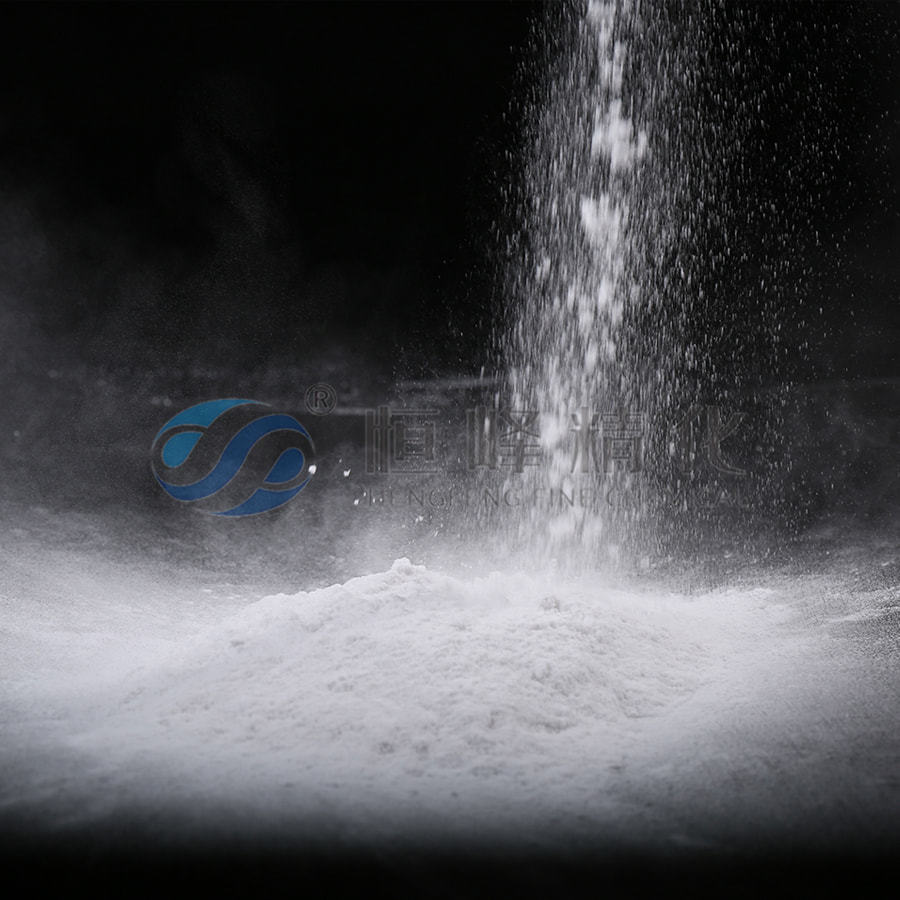
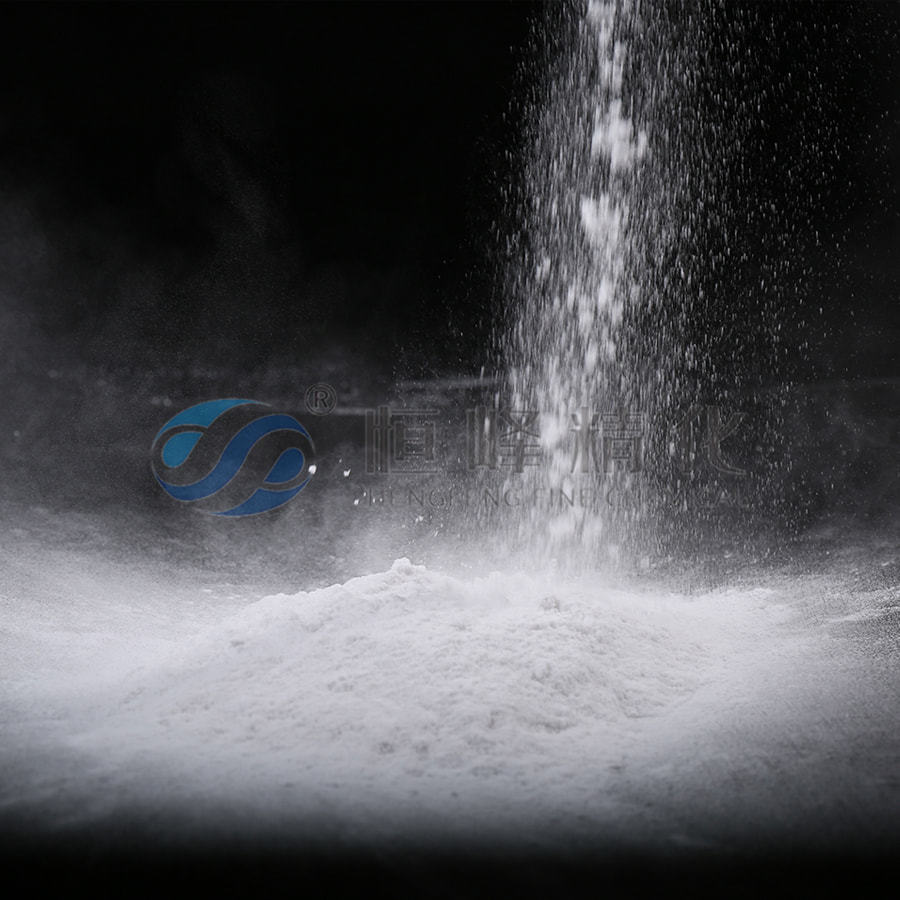
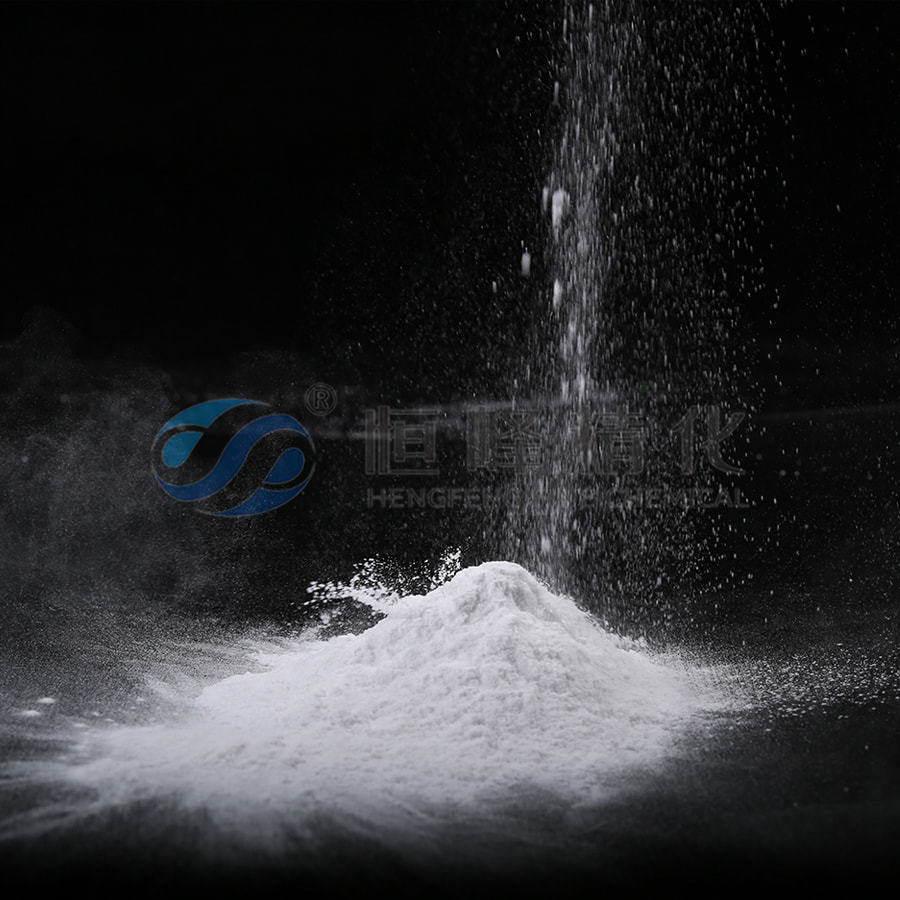
Cationic polyacrylamide powder(CPAM) could be used in industrial and urban wastewater treatment. The treatment of industrial wastewater or the mixture of industrial and urban wastewater normally use middle/low electric density and middle/high molecular weight product. The treatment of urban sewage use middle/high electric density, midde/high molecular molecular weight product.The treatment of sludge need use high electric density product for better effect. CPAM could remove the organic part from the wasted water effectively after concentration and flotation process.
|
Type |
Charge |
Molecular weight |
Application |
|
C9102 |
Low |
Middle |
Papermaking factory,dyeing factory, Paint factory, Textile mill,Wool washing factory, |
|
C9202 |
|||
|
C9302 |
|||
|
C9402 |
Middle |
High |
|
|
C9502 |
|||
|
C9602 |
|||
|
C9802 |
|||
|
C9211 |
|||
|
C9212 |
High |
||
|
C9214 |
Middle |
Polyacrylamide it is mainly used as sludge dehydrating agent, flocculant, for all kinds of industrial wastewater treatment, such as municipal sewage treatment, paper industry, food processing industry, petrochemical industry, metallurgy industry, mineral processing industry, dyeing industry and sugar industry.
Cationic polyacrylamide powder is suitable for applications that require long-term storage or flexible on-site deployment, such as municipal sewage treatment, paper industry and textile industry. CPAM in powder form is more stable during storage, less susceptible to temperature changes, and has a longer shelf life. The powder is dense and has relatively low packaging and transportation costs. If long-term storage is required or transportation is long distances, the powder form is more advantageous. When used, cationic polyacrylamide powder can be formulated into solutions of different concentrations according to actual needs, with high flexibility.
River and lake raw water purification: polyacrylamide is suitable for the treatment of tap water with river water as the source of water. Because of its small dosage, good effect and low cost, especially when combined with inorganic flocculant, it will become an efficient flocculant for water works in the Yangtze River, Yellow River and other basins.
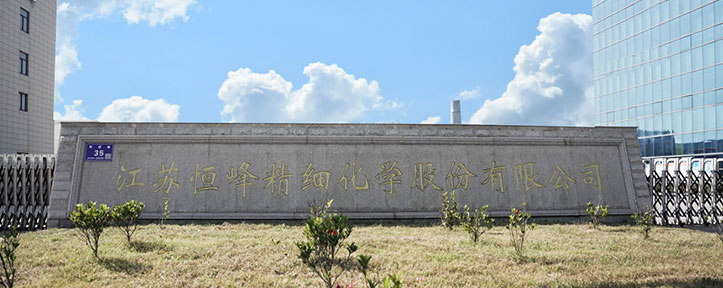
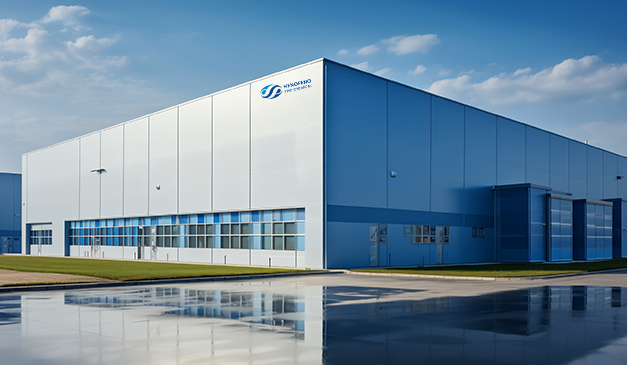
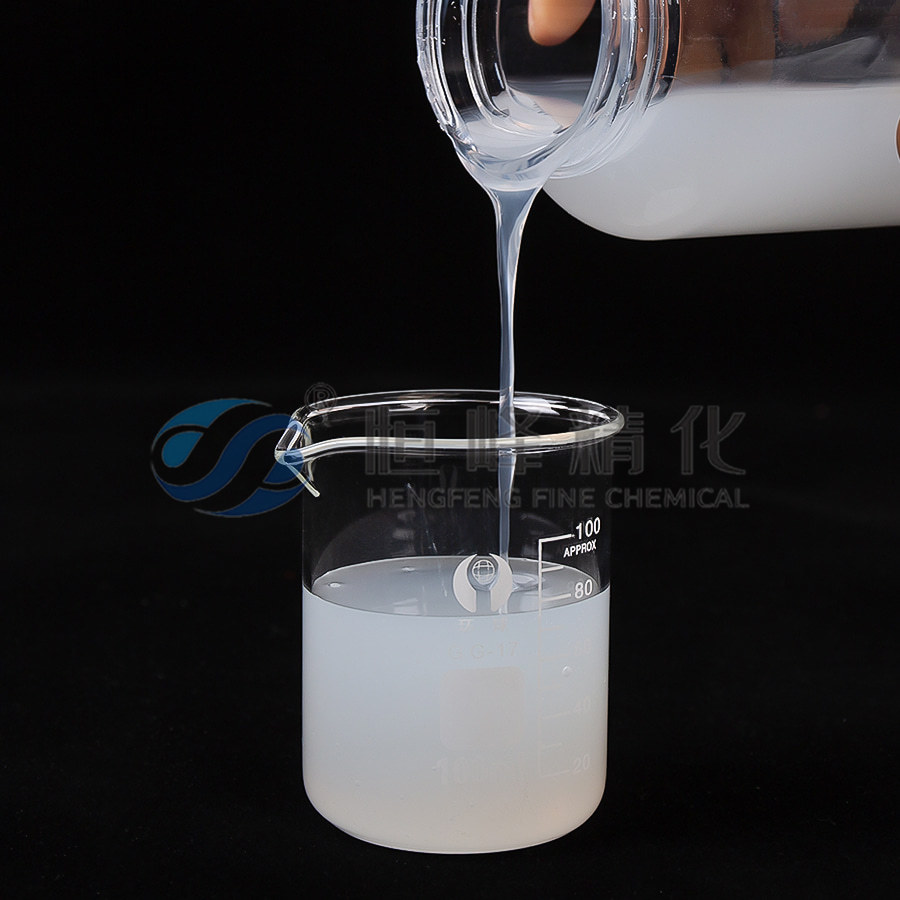
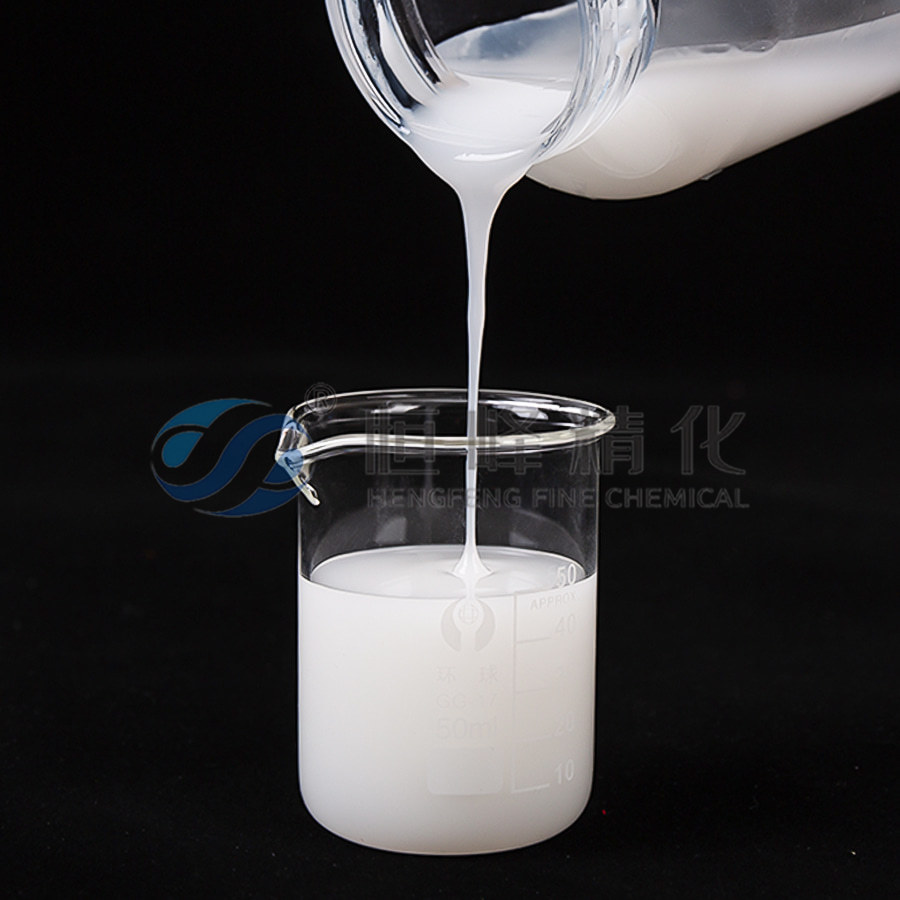
HENGFENG CHEMICAL is a polyacrylamide(PAM) manufacturer, factory and supplier in China. Wholesale Cationic Polyacrylamide Powder Suppliers, Cationic Polyacrylamide Powder Factory. The production capacity of polyacrylamide powder is 50,000 tons/year, and the production capacity of polyacrylamide emulsion is 50,000 tons/year.
Hengfeng Chemical has been committed to the field of water treatment and petroleum, constantly improving the technical service level, and optimizing product performance, combined with the on-site sewage water quality, treatment process, dehydration equipment, and other characteristics for customers to choose suitable products and use schemes, to help customers improve the efficiency of sewage treatment; Oilfield application has improved polymer molecular properties, effective cost control, strive to provide customers with more cost-effective products and services.
Hengfeng Chemical has become a professional research and development base of water treatment chemicals and oilfield chemicals in China. As Cationic Polyacrylamide Powder Manufacturers, the products are not only widely used in the domestic market but also exported to Europe, America, Africa, Oceania, Southeast Asia, and more than 60 countries and regions.


daisy@jshfpam.com

+86-13951412113

No. 35 Hairun Road, Yangkou Town, Rudong, Nantong City, Jiangsu Province, P.R.China
RBRH 01, Jl. Ruko Boston, Salembaran, Kec. Kosambi, Kabupaten Tangerang, Banten 15214,Indonesia.