
 English
 Español
 عربى
عربى
Jiangsu Hengfeng Fine Chemical Co., Ltd.

Content
Last year, a drum of polyacrylamide emulsion was opened at a partner’s plant in winter time. There was a clear amber layer of oil on top, the lower half looks thick, and a few white strings hang from the lid. Most receiving teams read all of this as one problem and reject the shipment. These are two different conditions, and only one of them means the product was damaged.
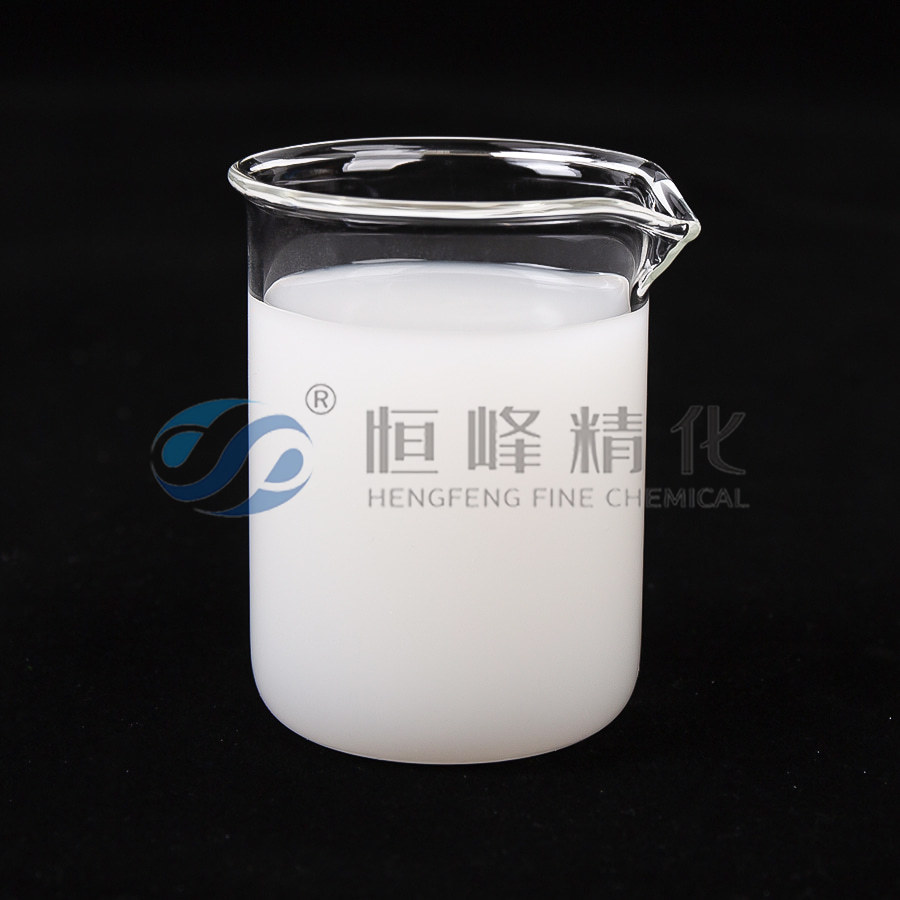
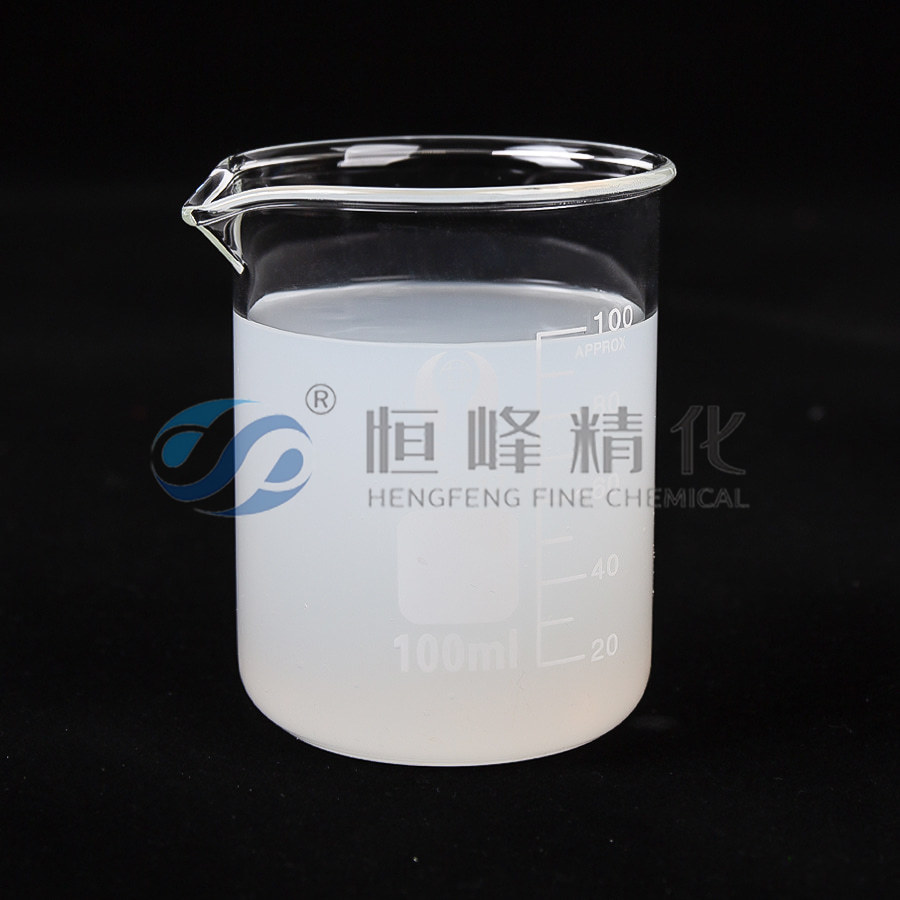
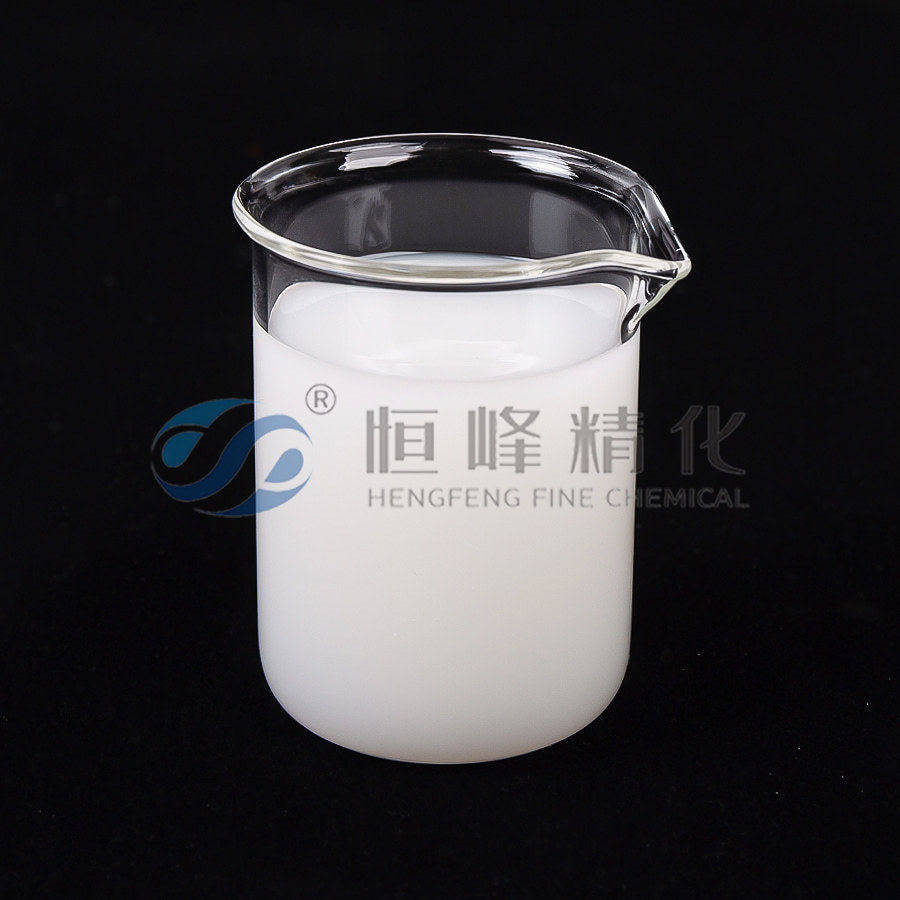
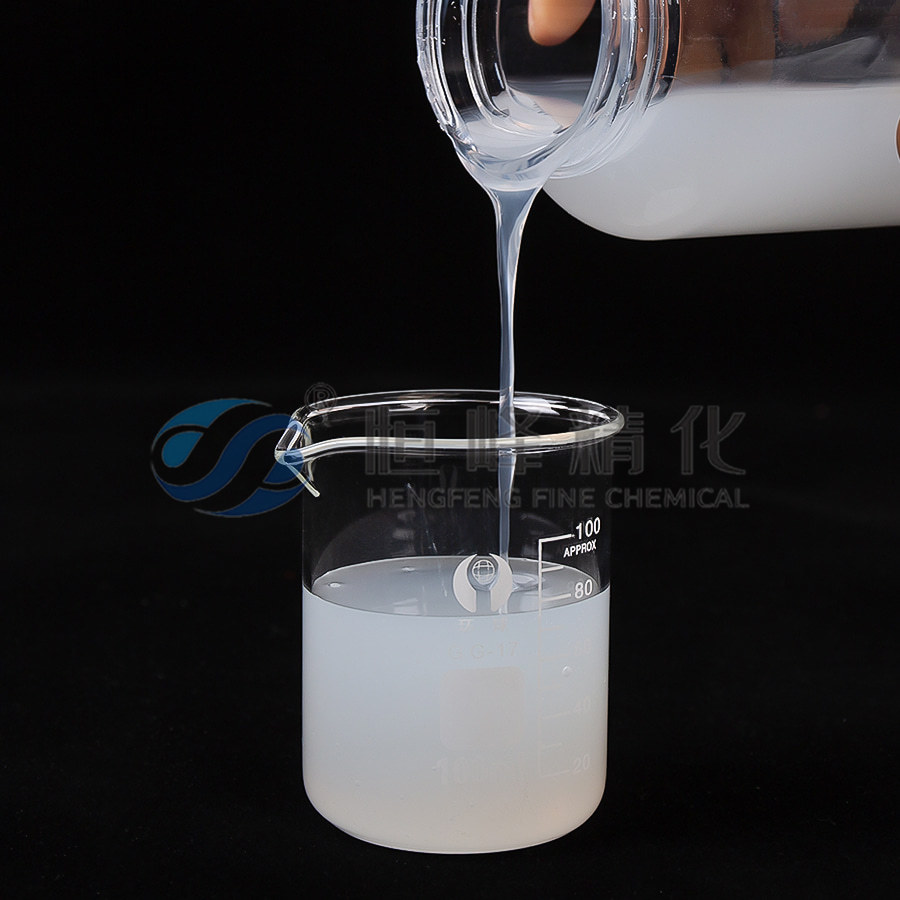
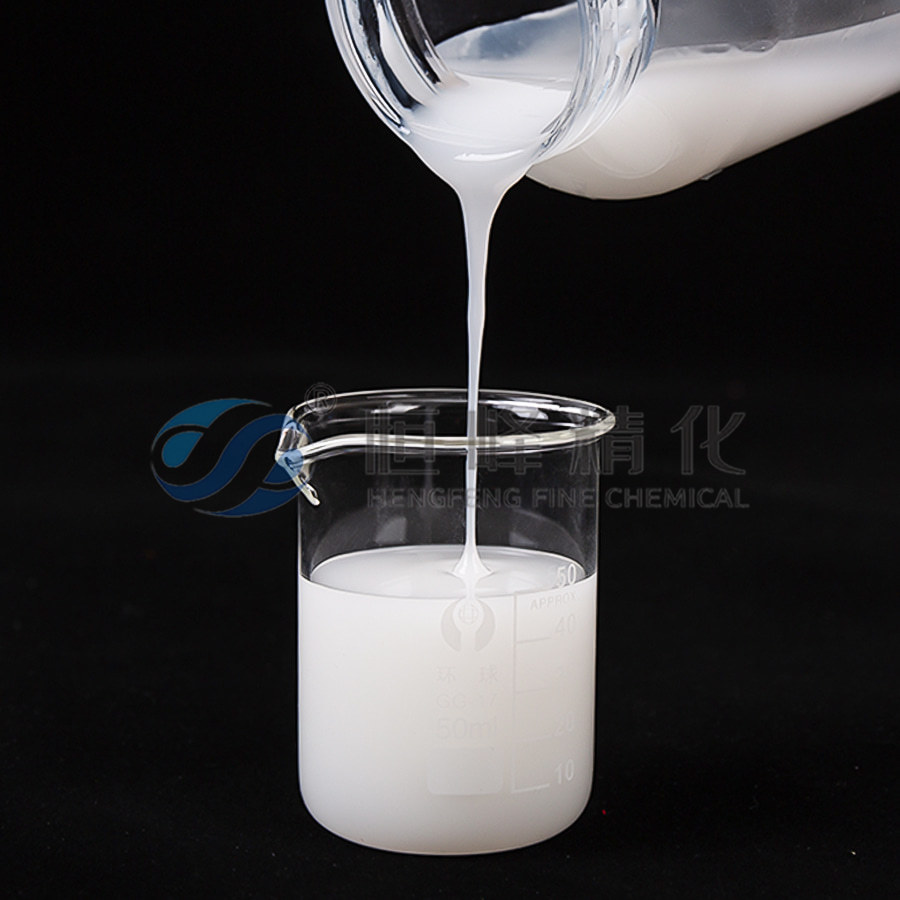
PAM emulsion is a suspension of tiny polymer gel particles in oil. The particles are denser than the oil, so they sink slowly whenever the product sits still. Under normal storage conditions an oil layer usually takes months to become visible, and gentle mixing brings the product back to a uniform state. Skins, rubbery lumps and stringy white gel are different. They form when the emulsion structure is disturbed, and mixing alone will not reverse them.
| What you see | Most likely cause | Recoverable? |
|---|---|---|
| Clear oil layer on top, thicker product at the bottom | Normal settling over time | Yes, with gentle mixing |
| Thin skin or film on the surface | Surface drying or a cold snap in a partly empty container | Usually, after filtering |
| White stringy lumps floating or stuck to the lid | Water droplets from condensation, or temperature cycling | Partly, with some loss |
| Hard, rubbery clumps that do not break up | Repeated freeze-thaw or severe freezing | Often not fully |
Winter shipping combines three stresses that a heated warehouse rarely produces at the same time: cold, moisture and movement.
a) Cold comes first. As the temperature approaches freezing, the water inside the polymer particles can form ice, which disturbs the structure that keeps the particles evenly suspended. The oil and water phases then start to drift apart. If you want a refresher on why the two-phase structure matters, our note on how water-in-oil and oil-in-water polyacrylamide emulsions differ explains it in plain terms.
b) Moisture is the second stress, and it is the one people overlook. A container is a sealed steel box with humid air inside. At 30°C and 80% relative humidity, the dew point sits around 26°C, so a few degrees of overnight cooling is enough to start condensation on the roof and walls. The industry guidance on condensation inside freight containers describes how a gap between the air temperature and the surface temperature of the cargo or the container wall drives this, and how repeated cycles make the damage worse.
c) Now picture what movement means for a drum. Water that condenses on a cold container ceiling drips onto the product surface or onto the lid. Any water that reaches PAM emulsion creates local coagulation, which shows up later as white stringy lumps. Vibration and handling add shear on top of that, which pushes already stressed particles to stick together.
A single night just below freezing can harm an emulsion, but the cases that cause the most complaints involve cycling. A shipment sits in a port yard at minus 5°C, moves to a heated truck, then to an unheated depot, then back out again. Each swing gives the particles another chance to coagulate.
Patent literature on this problem is blunt about it. Emulsion flocculants lose a large share of their effectiveness when they are exposed to alternating freezing and thawing, because the repeated cycles cause the polymer to form large clumps instead of staying as fine dispersed particles. This is the same reason a product that passes every check at the factory can underperform on arrival. The published patent on freeze-thaw stable water-in-oil emulsions sets out the mechanism in detail.
It also explains why a clean certificate of analysis does not settle the question. The numbers on the certificate describe the batch at the moment it left the plant. For a closer look at how small temperature differences change performance, see how a few degrees of storage temperature can halve flocculation performance.
The long ocean shipping is often the least risky part of the journey, because a container in a ship's hold sees slow, gradual temperature change. The trouble starts at the handovers, where the product waits outdoors or moves between very different environments.
| Route stage | Main risk | Countermeasure |
|---|---|---|
| Port yard before loading or after discharge | Hours or days of open-air exposure below freezing | Ask the forwarder to limit yard dwell and avoid weekend gaps |
| Ocean voyage across climate zones | Condensation as the container cools or warms | Tight closures, full containers, pallets away from walls |
| Inland haulage in cold regions | Overnight stops with no heating | Plan stops and unloading so the cargo is not left standing in the open |
| Receiving depot or customer site | Cold cargo meeting warm, humid air when doors open | Let the load warm up gradually before opening drums |
The last row is easy to miss. When cold cargo is opened in warm, moist air, condensation forms directly on the cargo surface, a process marine insurers call cargo sweat. The loss prevention bulletin on cargo ventilation and sweat explains how it happens. In practice, a drum that survived the journey can be damaged in the first ten minutes on the dock if the lid is pulled off while the product is still cold and the air around it is damp.
Most prevention work happens before the container door is closed. The goal is to limit condensation, reduce the time the product spends at extreme temperatures, and keep the packaging sealed.
Buyers can also reduce risk through the purchase terms. If you import regularly, the checklist in what to confirm before importing polyacrylamide from China covers packaging and delivery questions to settle before the order is placed. Agree the cold-weather handling plan in writing, and name who is responsible for each shipment.
A short, consistent inspection protects you in two ways. It tells you whether the product is usable, and it gives you evidence if a claim becomes necessary.
For the general handling routine, our practical guidance on using and storing polyacrylamide emulsion recommends storage between 5°C and 25°C and thorough stirring before use. If the jar test still disappoints after the product is homogeneous, work through the troubleshooting checklist for when PAM isn't settling before changing the dosage.
Light separation is the easy case. Stir gently, confirm that the top and bottom samples match, and the product is ready to use. A drum that only developed an oil layer has not lost anything.
Frozen product needs patience. Move it to a warmer room and let it thaw slowly rather than heating it quickly. Once it is fully thawed, mix it thoroughly and pass it through a coarse screen, such as a 100-mesh sieve, to remove skins and lumps. Expect some loss at the screen. The material that passes through is generally usable, but it should go through a jar test before it replaces your normal supply.
Severe or repeated freeze-thaw damage is harder. When the polymer has formed hard, rubbery clumps, filtering removes the clumps but cannot rebuild what was lost. The remaining liquid may show lower viscosity and weaker inversion. If the jar test shows a clear drop compared with the certificate, treat the batch as compromised, keep the photographs and sample, and raise the issue with the supplier and the carrier promptly.
Some lanes are simply too cold for standard emulsion. If a route repeatedly produces damaged drums, the answer may be a different plan rather than better luck.
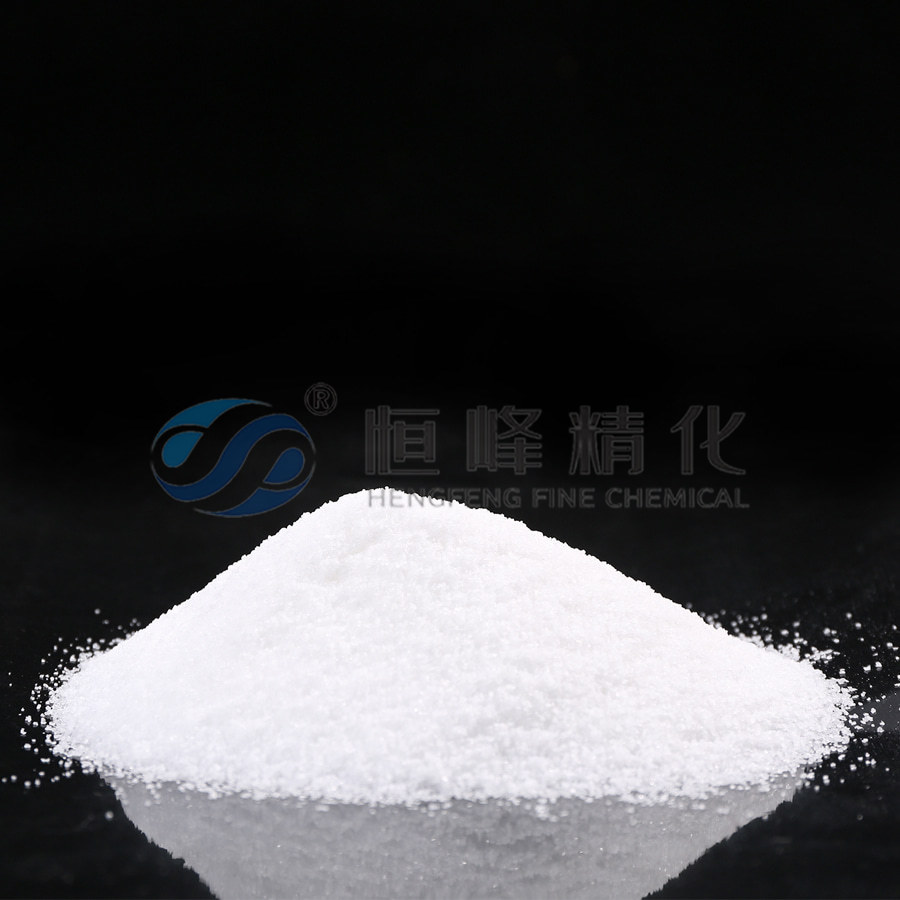
Powder is the obvious alternative for harsh winter routes, since it does not suffer from freeze damage. It has its own weakness, which is moisture and caking, so it still needs dry packaging and storage. The guide to choosing between emulsion and powder for water treatment compares the two forms so you can weigh dosing convenience against transport risk.
If you need to stay with emulsion, talk to the manufacturer before the order is placed. Tell them the route, the season and the expected storage conditions. Each batch we supply comes with a certificate of analysis for the comparison tests described above, and we can discuss packaging and product options for cold-weather lanes, including our cationic polyacrylamide emulsion for water treatment. To plan a winter delivery, you can talk to the technical team about winter shipments.

daisy@jshfpam.com

+86-13951412113

No. 35 Hairun Road, Yangkou Town, Rudong, Nantong City, Jiangsu Province, P.R.China
RBRH 01, Jl. Ruko Boston, Salembaran, Kec. Kosambi, Kabupaten Tangerang, Banten 15214,Indonesia.
(PT. Hengfeng Fine Chemical Indonesia)