
 English
 Español
 عربى
عربى
Jiangsu Hengfeng Fine Chemical Co., Ltd.

Content
Polyacrylamide (PAM) is one of the most widely used industrial polymers in the world, applied in wastewater treatment, oil and gas extraction, mining, and papermaking. China produces the majority of the global supply — and for good reason: cost efficiency, large-scale manufacturing infrastructure, and rapidly improving quality standards have made Chinese manufacturers a go-to source for buyers across Europe, North America, Africa, and Southeast Asia.
But importing PAM from China is not a simple commodity transaction. The wrong supplier, the wrong product specification, or the wrong logistics setup can mean months of operational disruption, failed treatment results, and regulatory headaches. Before you place your first order — or switch suppliers — here are five things every buyer must understand.
One of the most common and costly mistakes buyers make is ordering "polyacrylamide" without specifying the type, ionic form, and molecular weight. PAM comes in several distinct product families — anionic (APAM), cationic (CPAM), nonionic (NPAM), and zwitterionic — each designed for fundamentally different applications and working mechanisms.
Beyond ionic type, the key technical parameters that determine performance include:
Before contacting any Chinese supplier, prepare a technical brief describing your application (type of wastewater, suspended solids load, pH range, temperature, and target effluent standard). A qualified manufacturer will use this to recommend a specific grade — not just a product name.
| PAM Type | Charge | Primary Applications | Typical Form |
|---|---|---|---|
| Anionic (APAM) | Negative | Industrial & municipal water treatment, mining, EOR | Powder / Emulsion |
| Cationic (CPAM) | Positive | Sludge dewatering, papermaking, urban wastewater | Powder / Emulsion |
| Nonionic (NPAM) | Neutral | Low-pH wastewater, coal washing, soil conditioning | Powder |
| Zwitterionic | Mixed | Complex wastewater with variable pH/salinity | Powder / Emulsion |
The Chinese chemical export market is populated by both manufacturers and trading companies — and on a B2B website or Alibaba listing, they can look identical. Understanding who you are actually buying from is critical for quality consistency, traceability, and long-term supply reliability.
Trading companies are not inherently problematic — some provide valuable logistics and language support — but they introduce an additional layer between you and the product. When product quality issues arise, tracing the root cause and getting corrective action is significantly harder when a trader is involved. For large-volume, technically sensitive purchases, buying direct from a verified manufacturer eliminates this uncertainty.
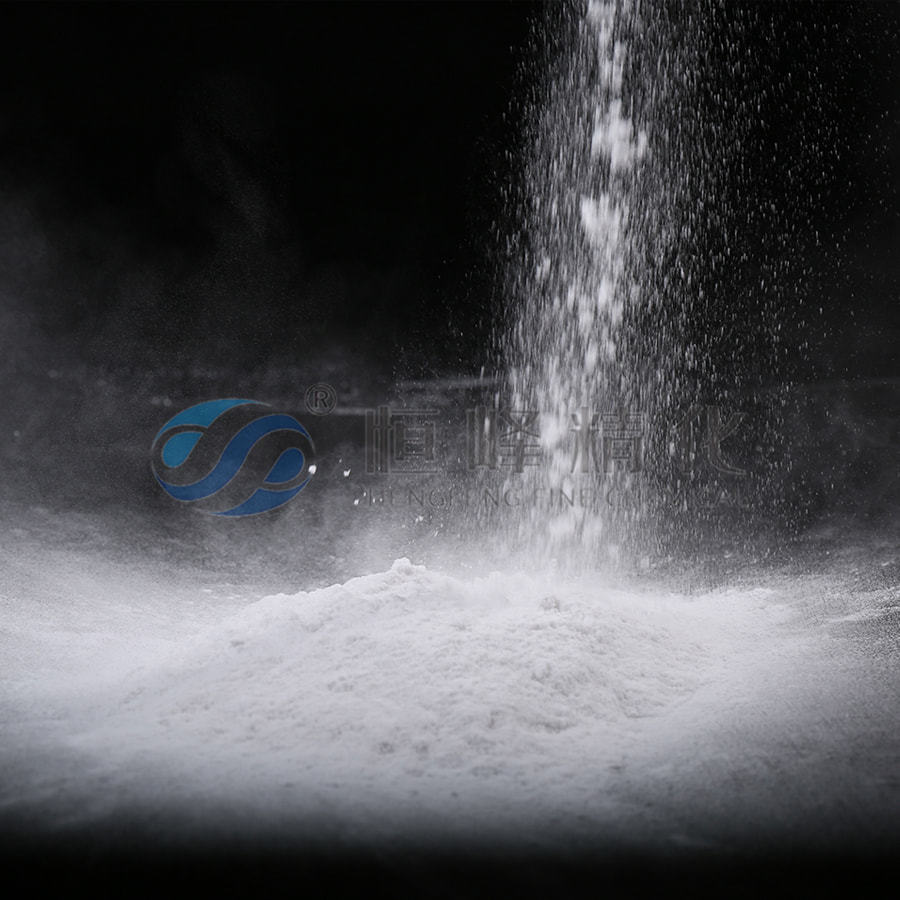
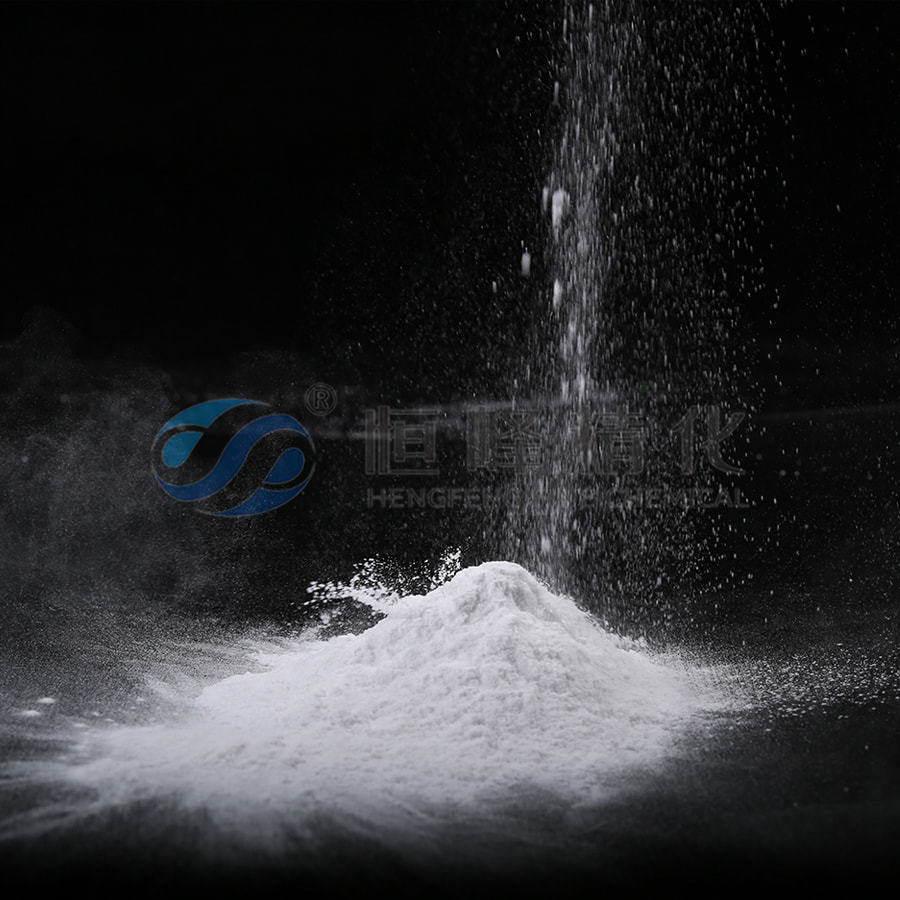
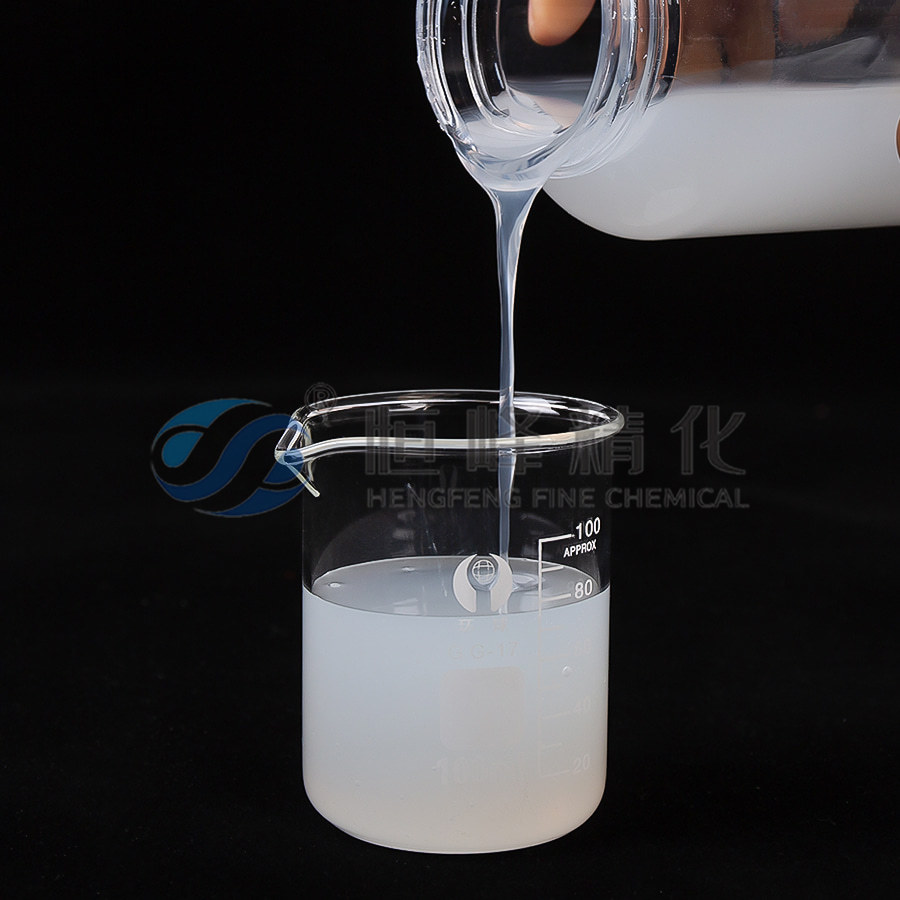
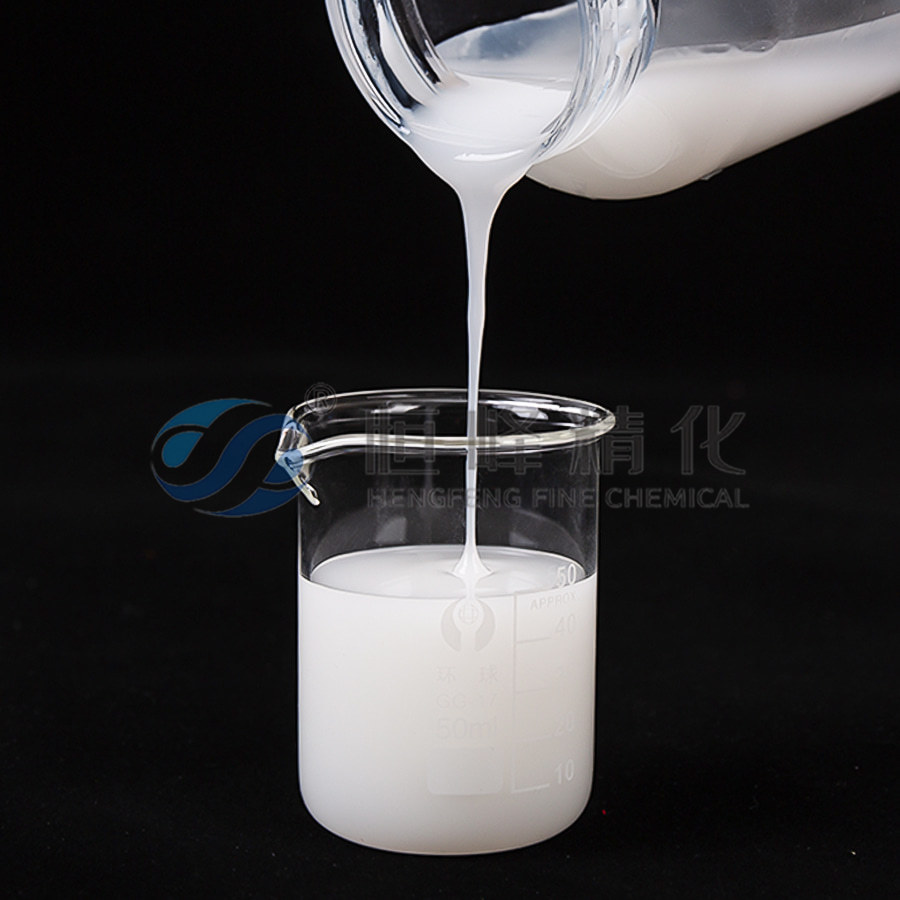
As a direct manufacturer with polyacrylamide powder and emulsion production lines totaling 100,000 tons per year, Hengfeng provide full traceability from raw material intake to finished product dispatch — with no intermediary in the chain.
Most reputable Chinese PAM manufacturers hold ISO 9001 certification, and many carry additional compliance documents for export markets (REACH, SGS, NSF for drinking water applications). These certifications are necessary but not sufficient. What matters equally is the supplier's internal quality management routine — the day-to-day practices that determine batch-to-batch consistency.
When evaluating a potential supplier, ask specifically:
A supplier who answers these questions with specifics — not generalities — is one whose quality systems have real operational depth. If the answer is a recycled brochure or a vague reference to "strict standards," treat that as a red flag.
For buyers in regulated industries (municipal water treatment, food-contact applications), also verify whether the product line carries NSF/ANSI 60 certification or equivalent, and confirm this applies to the specific grade you are ordering — not just the company's product portfolio in general.
PAM is a chemically active polymer that degrades under certain storage and transit conditions. Getting the logistics right is part of getting the product right.
Experienced manufacturers will proactively flag these logistics factors for your destination market. If a supplier does not raise them, it is worth asking — and worth noting the quality of their answer.
PAM performance in the field depends on more than product quality — it depends on correct dosage, dissolution method, mixing equipment calibration, and compatibility with your specific water chemistry. Even a perfectly specified, correctly manufactured product can underperform if application parameters are off.
This is where post-sale technical support becomes a competitive differentiator that most buyers overlook when comparing supplier quotes. The right supplier should be able to offer:
A manufacturer that has been operating in this field for over two decades has accumulated application knowledge that no product datasheet can fully convey. When evaluating suppliers, ask directly: "If our treatment results fall short after your product is commissioned, what is your support process?" The answer will tell you a great deal about the nature of the partnership you're entering.
Our team at Jiangsu Hengfeng provides pre-sale consultation, sample testing, and ongoing technical support for customers across more than 60 countries — because getting the chemistry right in your specific application is what makes the product purchase worthwhile.
Importing polyacrylamide from China offers genuine advantages in cost, scale, and product variety. But the difference between a smooth, high-performance supply relationship and a frustrating series of quality disputes and application failures almost always comes down to how thoroughly a buyer has done their pre-purchase evaluation.
To summarize the five essentials:
If you are evaluating polyacrylamide suppliers and would like to discuss your specific application requirements — including sample testing or a technical consultation — we welcome the conversation. Explore our full range of polyacrylamide powder and emulsion products or contact us directly to get started.

daisy@jshfpam.com

+86-13951412113

No. 35 Hairun Road, Yangkou Town, Rudong, Nantong City, Jiangsu Province, P.R.China
RBRH 01, Jl. Ruko Boston, Salembaran, Kec. Kosambi, Kabupaten Tangerang, Banten 15214,Indonesia.
(PT. Hengfeng Fine Chemical Indonesia)