
 English
 Español
 عربى
عربى
Jiangsu Hengfeng Fine Chemical Co., Ltd.

Content
In most plants, both emulsion and powder forms can deliver comparable flocculation and dewatering performance if the polymer type (anionic/cationic/nonionic), molecular weight, and charge density are properly matched to the water and solids. To choose emulsion or power type, the decision is rarely about chemistry alone. The practical differentiators are how fast you want to make a stable solution, how consistently you want to dose it, and your total cost of ownership (product + equipment + labor + downtime).
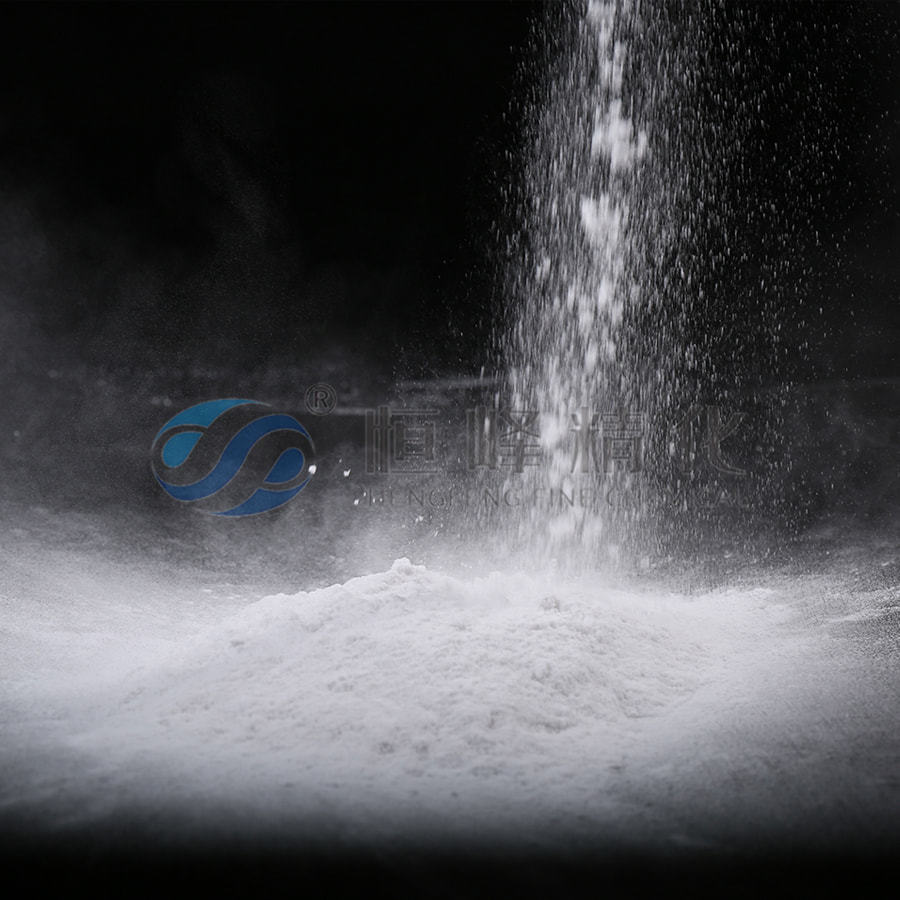
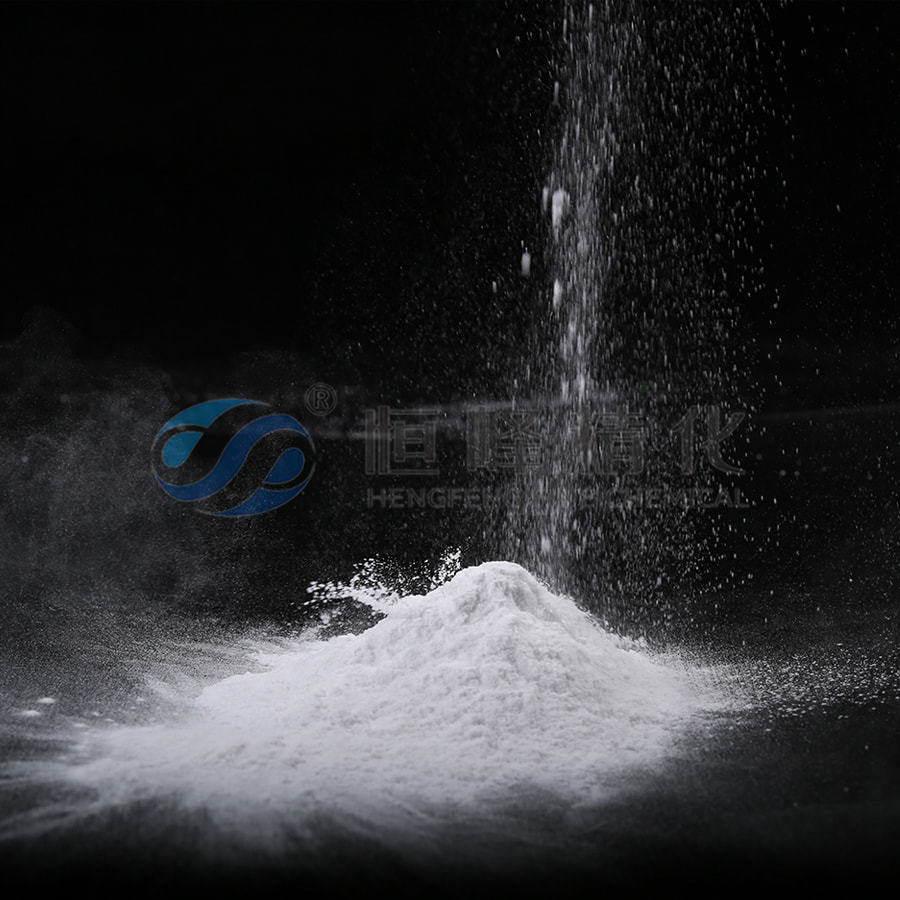
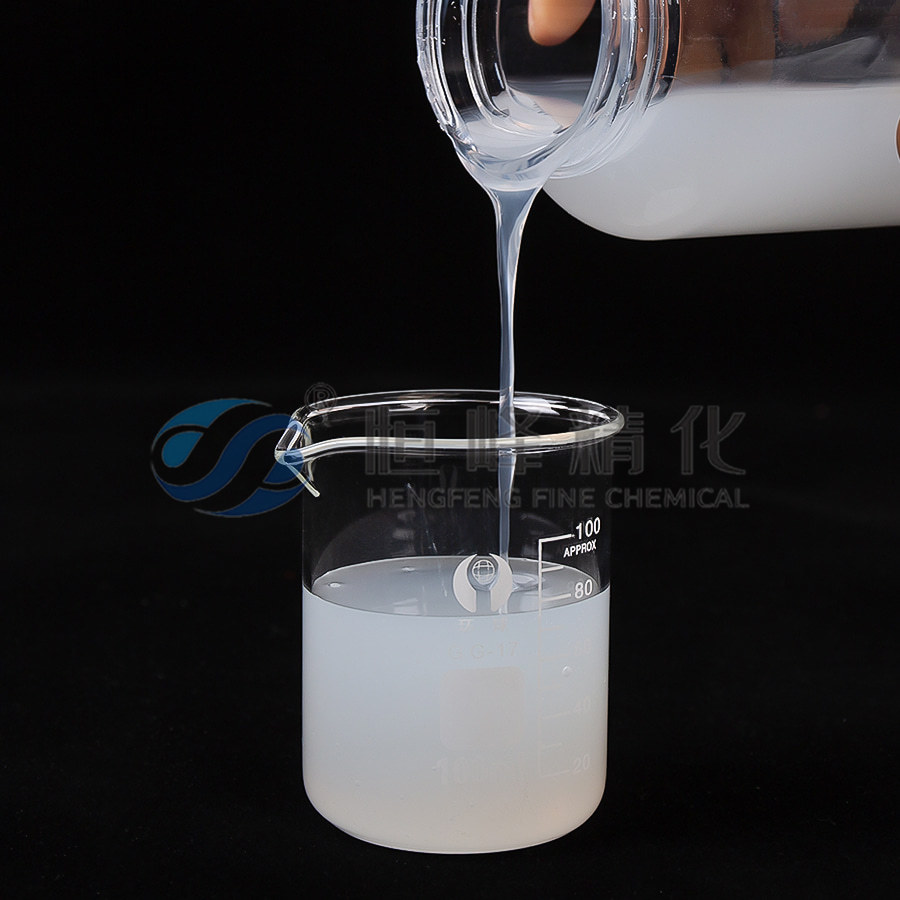
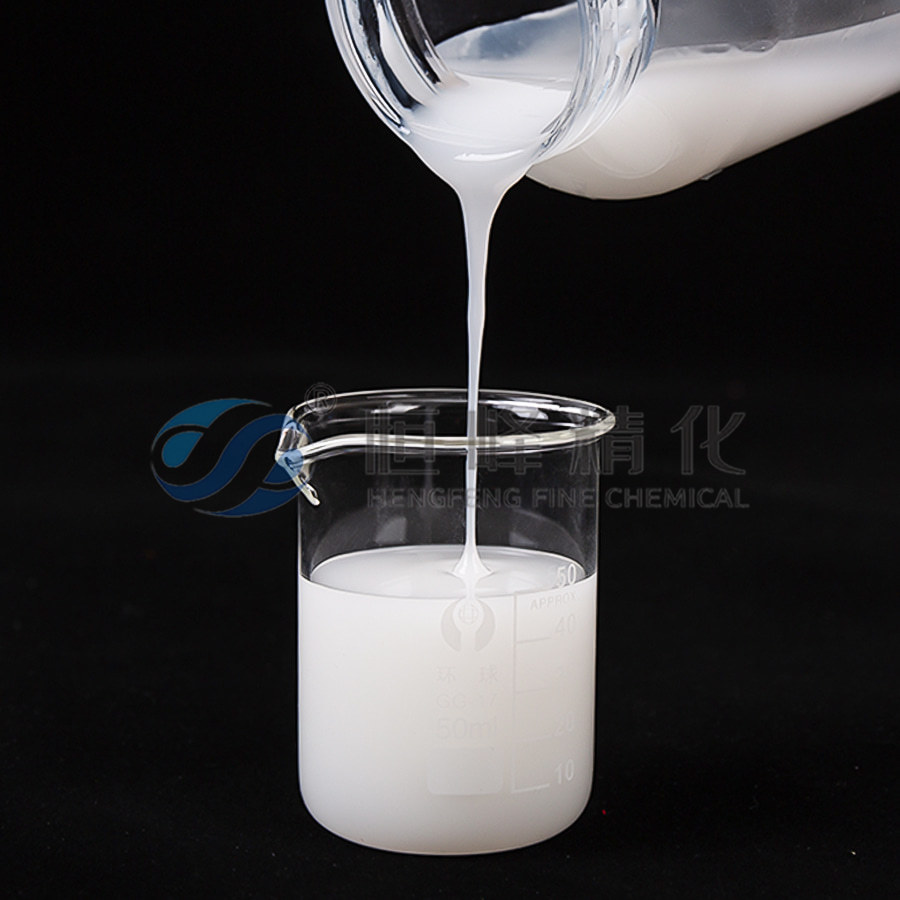
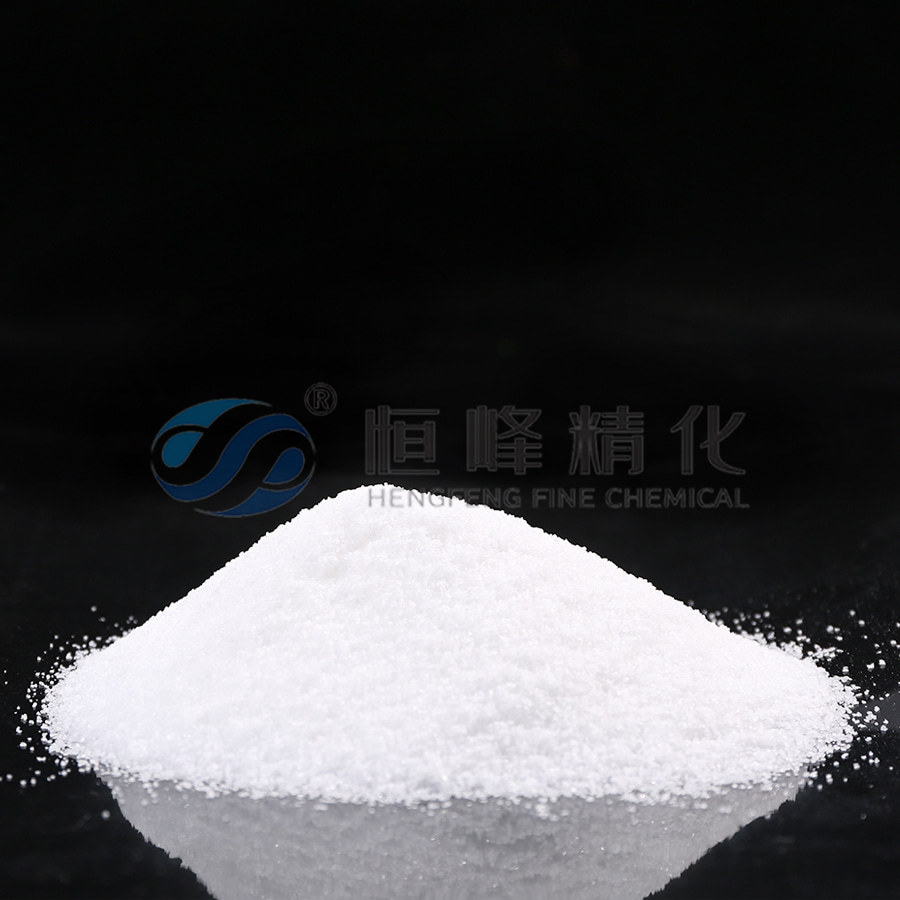
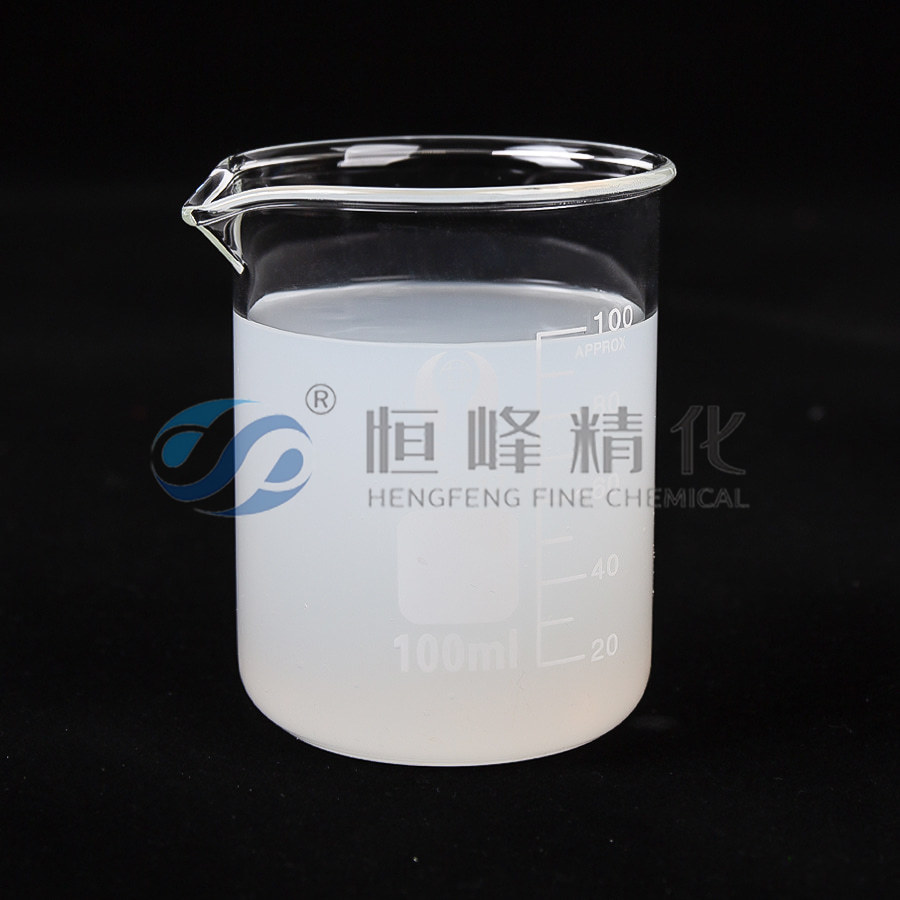
In simple terms: powder polyacrylamide is a dry, high-active polymer that requires careful wetting and longer dissolution; emulsion polyacrylamide is a liquid (often inverse emulsion) that dissolves quickly but typically contains water/oil/surfactants and needs correct “inversion” to activate.
The best practice is: deciding the polymer performance (charge/molecular weight) by jar testing first, then choose emulsion vs powder based on operations, logistics, and solution-make capabilities.
|
▶ Practical differences between polyacrylamide powder and emulsion for water treatment use The table below summarizes typical operational differences. Exact values vary by supplier and grade, but the directionality is consistent across municipal and industrial water treatment. |
||
|
Indication |
Powder (dry granular) |
Emulsion (liquid) |
|
Typical “active” polymer content |
High (commonly ~85–95% active) |
Lower (commonly ~25–50% active, balance water/oil/surfactant) |
|
Solution making time |
Slower; wetting and dissolution can take 30–90 minutes |
Faster; properly inverted solutions often ready in 10–20 minutes |
|
Dissolving complexity |
Higher risk of “fish-eyes” if added too fast or mixed too hard |
Requires correct inversion (water quality, mixing energy, and aging) |
|
Shipping and storage |
Lower freight per active kg; keep dry, avoid humidity |
Higher freight per active kg; temperature-sensitive, avoid freezing/overheating |
|
Best fit |
Cost-driven sites with stable staffing and good powder make-down systems |
Sites prioritizing fast startup, automation, and consistent dosing |
|
Shelf life |
2 years |
6 months |
Rule of thumb: if you routinely struggle with solution consistency, emulsion often stabilizes performance; if you have strong make-down discipline and want lowest freight per active polymer, powder is usually favored.
In water treatment, the polymer rarely fails because “emulsion is weak” or “powder is old.” It fails because the solution delivered to the injection point is under-dissolved, over-sheared, too old, or too concentrated for proper dispersion. The following practices reduce those risks.
Operational takeaway: emulsion typically wins on speed and consistency; powder can match it on consistency, but only when the plant’s make-down process is tightly controlled.
Comparing drum price of emulsion to bag price of powder is misleading. The correct basis is “cost per kilogram of active polymer delivered to the process,” plus any equipment/labor differences. The example below shows why.
Assume a plant treats 10,000 m³/day and needs a flocculant dose of 1.0 mg/L active polymer.
This does not mean powder is automatically cheaper. Emulsion may reduce labor, startup time, and process variability (e.g., fewer solids carryover events or fewer dewatering upsets). Those indirect savings can exceed the difference in active content, particularly in facilities with limited staffing or frequent changeovers.
|
Decision factors beyond product price when choosing emulsion vs powder |
||
|
Cost |
Why it matters |
Who it tends to favor |
|
Dissolving labor and supervision |
Incorrect solution prep increases dose and destabilizes treatment |
Emulsion |
|
Equipment complexity and maintenance |
Feed system reliability affects uptime and chemical efficiency |
Depends on existing assets |
|
Freight and storage footprint per active kg |
Higher non-active mass increases handling and storage needs |
Powder |
|
Process variability risk (carryover, turbidity, cake solids) |
Variability can cause compliance and disposal cost impacts |
Often emulsion |
The best form factor depends on your unit operation, staffing model, and variability of influent/solids. The recommendations below are practical starting points (always validate with jar tests and a short plant trial).
Decision shortcut: if your top risk is solution quality and dosing stability, prioritize emulsion; if your top risk is logistics cost per active polymer, prioritize powder.
Many “emulsion vs powder” problems are actually specification difference. Require the following parameters to be stated in your purchase documents and supplier COAs so bids are comparable and performance is repeatable.
Procurement tip: require a lab test and a small on-site trial with a defined success metric (e.g., turbidity reduction, sludge cake solids, filtrate clarity, polymer dose stability) before committing to large-volume supply.
Use this section to diagnose the most common issues seen when switching between polyacrylamide powder and emulsion in water treatment.

daisy@jshfpam.com

+86-13951412113

No. 35 Hairun Road, Yangkou Town, Rudong, Nantong City, Jiangsu Province, P.R.China
RBRH 01, Jl. Ruko Boston, Salembaran, Kec. Kosambi, Kabupaten Tangerang, Banten 15214,Indonesia.
(PT. Hengfeng Fine Chemical Indonesia)