
 English
 Español
 عربى
عربى
Jiangsu Hengfeng Fine Chemical Co., Ltd.

Content
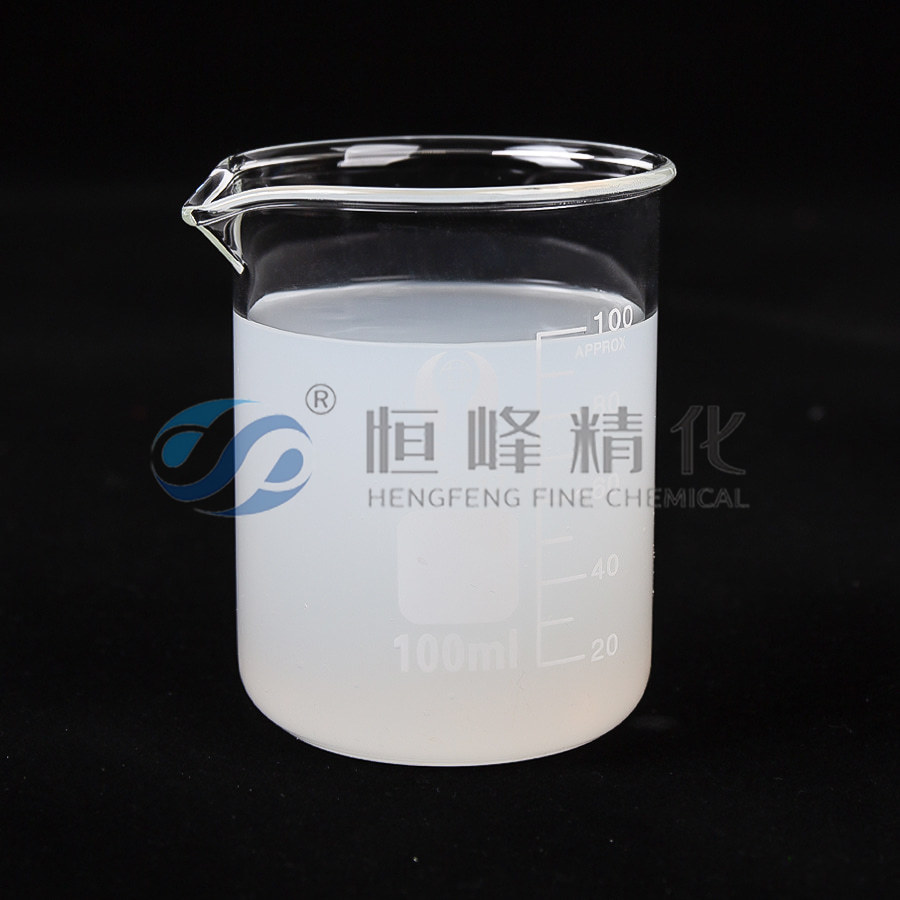
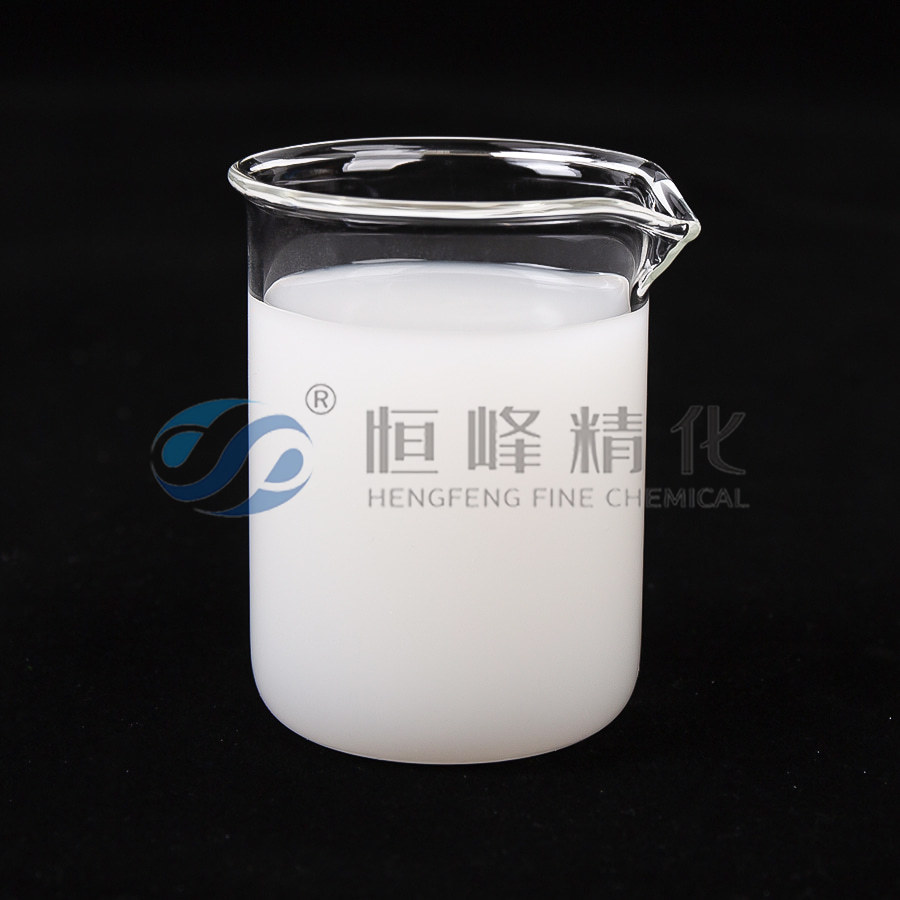
Cationic polyacrylamide (CPAM) emulsion helps treat urban sewage by rapidly forming larger, denser flocs that settle or float faster, improving clarification and making sludge much easier to dewater. In practical terms, it is used to reduce suspended solids (TSS), lower turbidity, stabilize overloaded clarifiers, and increase dewatering throughput with lower polymer consumption than trial-and-error approaches.
Urban sewage typically contains fine colloids, biological floc fragments, grease/FOG, and storm-driven grit and silt. CPAM emulsion is most valuable where those particles are too small or too negatively charged to aggregate efficiently on their own.
Most municipal plants see the quickest operational impact in dewatering and clarification stability because both are highly sensitive to fine particles and charge imbalance.
Most particles in sewage (clays, organics, biomass fragments) are negatively charged. CPAM carries positive charges that reduce repulsion and promote particle-to-particle contact. When the dose is near the optimum, microflocs form quickly and consolidate into settleable flocs.
High-molecular-weight CPAM molecules can adsorb onto multiple particles at once, effectively “bridging” them into larger aggregates. This is critical in secondary clarifier effluent and biological sludge, where fines and filament fragments can otherwise remain suspended.
In sludge treatment, properly selected CPAM reduces bound water by restructuring the floc and improving permeability. This often translates into higher cake solids, lower polymer carryover, and clearer centrate/filtrate.
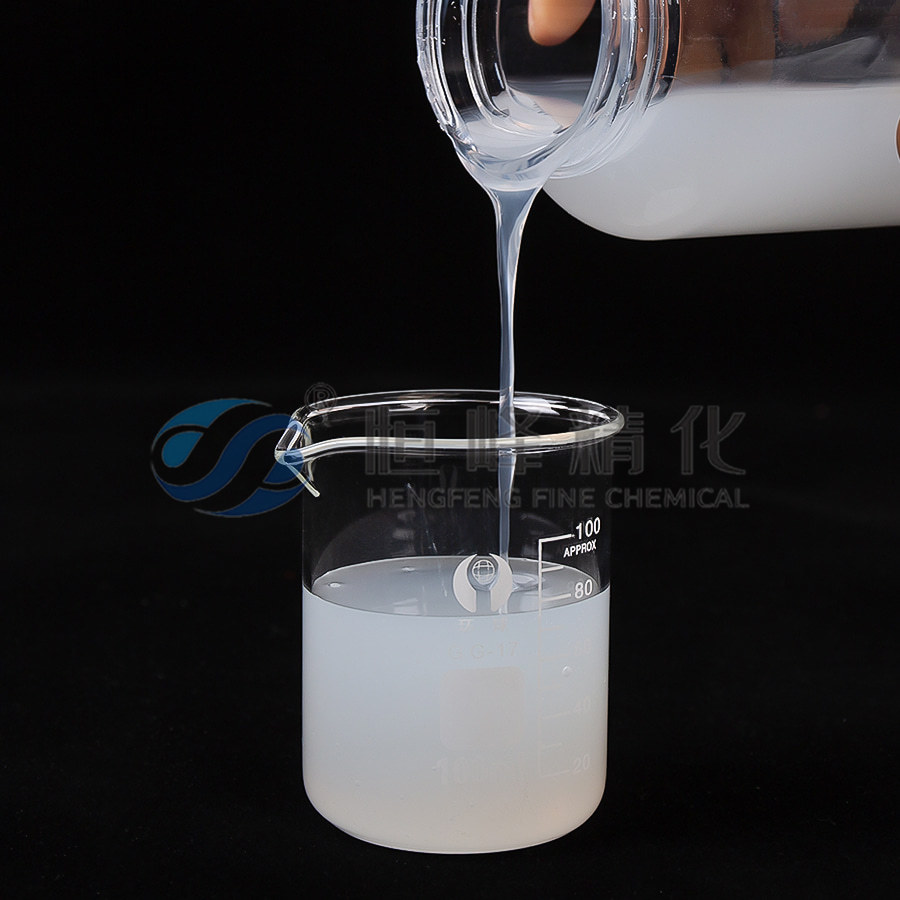
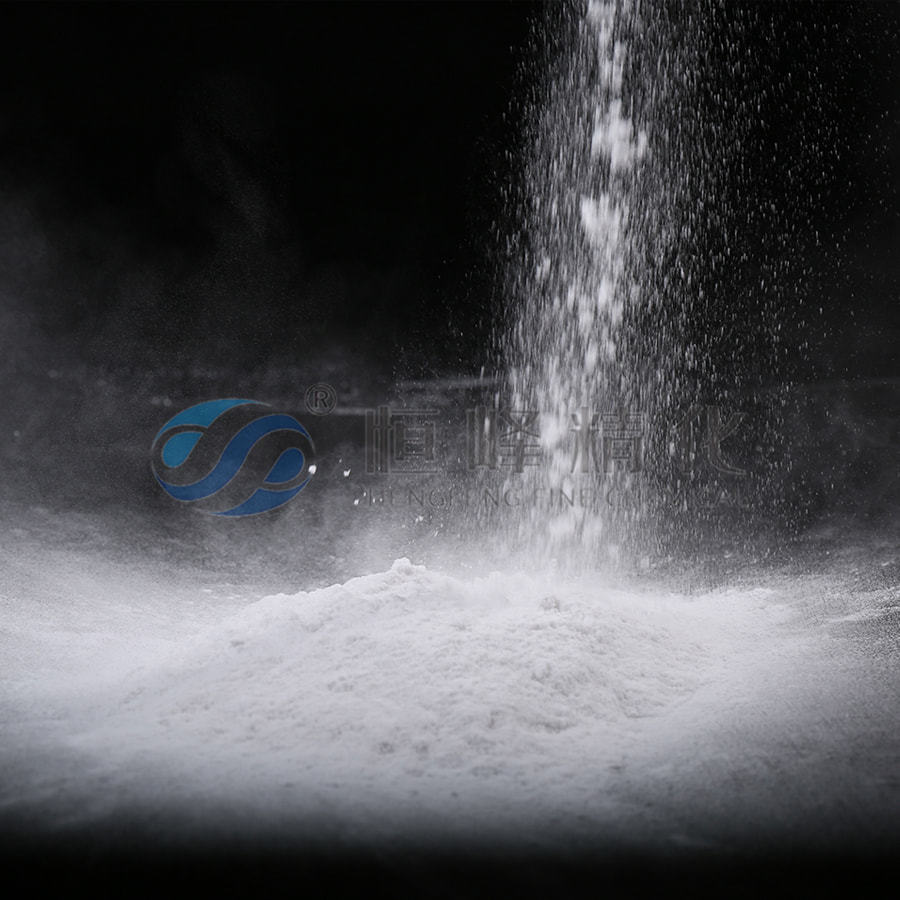
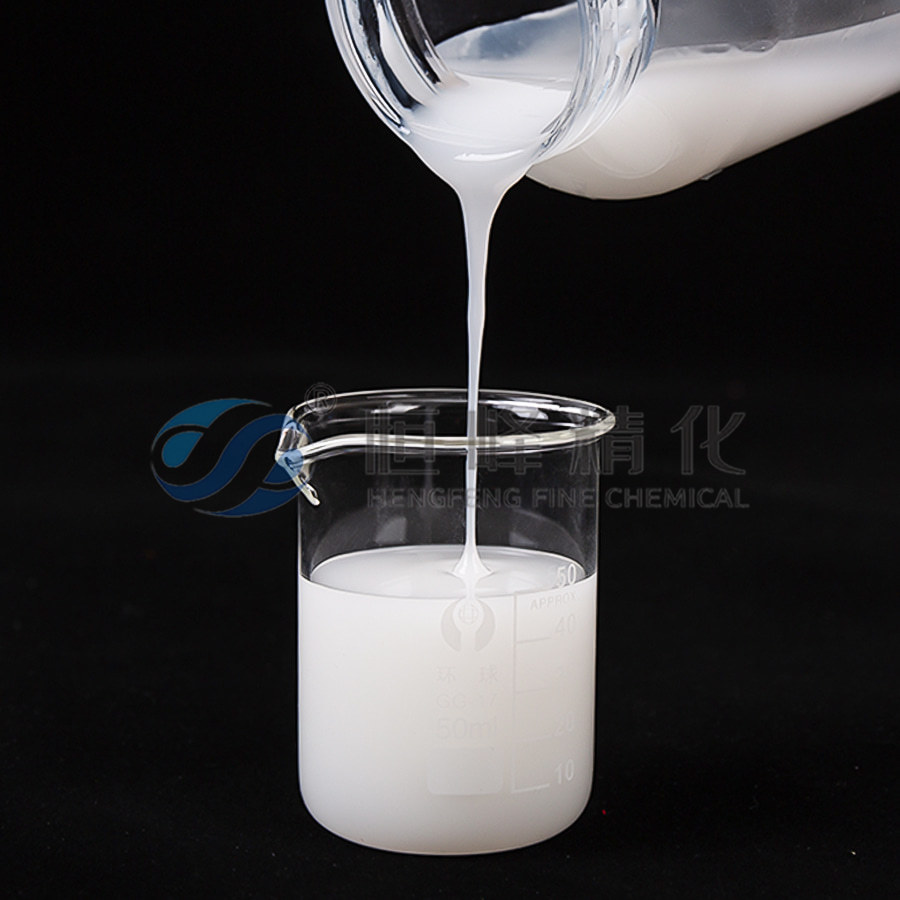
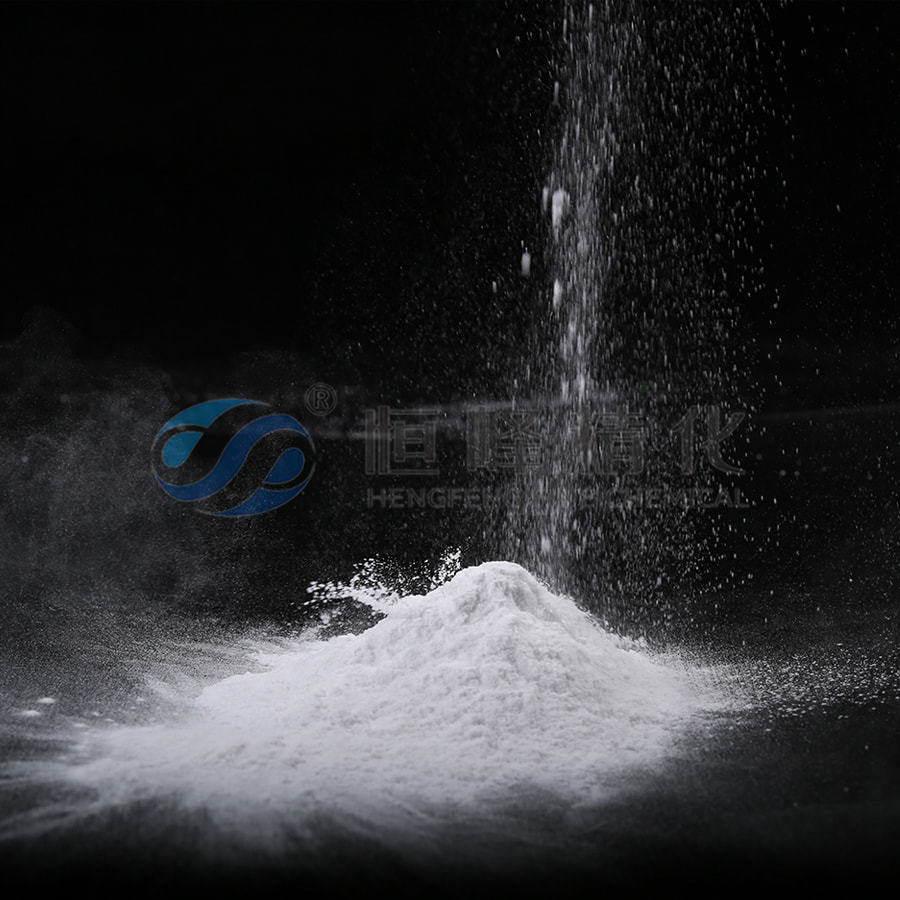
CPAM emulsions are liquid concentrates that require inversion (activation) with water. Compared with dry powders, they can be easier to feed consistently and can reduce common make-down problems (lumps, incomplete wetting, or slow dissolution).
This does not mean emulsions are always superior. The best choice depends on site constraints (storage temperature, available dilution water quality, and maintenance practices).
Dose optimization should always be confirmed with jar testing (for water streams) or a controlled dewatering trial (for sludge). The ranges below are practical starting points used to design trials; actual optimums vary with solids load, pH, temperature, and influent variability.
| Use-case | Typical objective | Starting trial range | What “good” looks like |
|---|---|---|---|
| Primary/secondary clarification aid | Lower effluent turbidity/TSS, faster settling | 0.5–5 mg/L (as active polymer) to start | Rapid floc formation, clear supernatant, minimal “pin floc” |
| Tertiary solids polishing / filter aid | Reduce fines that pass clarification | 0.2–2 mg/L to start | Lower headloss increase rate, fewer backwashes, clearer filtrate |
| Gravity thickening | Higher solids capture, stable blanket | 1–6 kg active polymer per dry ton (DT) as a trial range | Lower overflow TSS, thicker underflow, steady torque |
| Centrifuge/belt press/screw press dewatering | Higher cake solids, cleaner centrate/filtrate | 2–8 kg active polymer per DT to start | Tight flocs, low polymer sheen, improved cake dryness, low centrate TSS |
Key point: overdosing can re-stabilize particles or create slippery “gel” flocs, worsening clarity and dewatering. The optimum is often a narrow band, so stepwise testing is essential.
Jar tests are most useful when they mimic real mixing energy, contact time, and solids concentration. For clarification support, focus on settle rate and supernatant clarity rather than floc size alone.
A reliable jar test result is one that remains effective when mixing energy changes slightly—this indicates the floc is strong enough for real clarifier hydraulics.
“Cationic polyacrylamide” is not one product. Performance depends on charge density, molecular weight, and how well the polymer is activated and delivered to the right contact zone.
Higher charge density improves neutralization of negatively charged fines and biological solids but increases overdosing risk. For sludge dewatering, medium-to-high cationic grades are common; for polishing and filter aid, lower-to-medium grades may be easier to control.
Higher molecular weight generally increases bridging and floc size, which can improve settle and dewaterability. However, very high molecular weight products can be more shear-sensitive and may require gentler mixing and careful injection point selection.
Emulsions must be inverted properly to “unfold” the polymer. Inconsistent inversion is a common root cause of unstable results. Use clean dilution water and maintain consistent dilution ratios and aging time to prevent performance drift.
Most CPAM failures in municipal plants come from feed system details rather than chemistry. The checklist below focuses on controls that prevent day-to-day variability.
This often indicates underdosing, insufficient dispersion, or too low molecular weight. Increase dose stepwise, improve mixing at the injection point, or test a higher molecular-weight grade.
This is frequently a sign of overdosing or excessive charge density. Reduce dose, test a lower-charge product, and verify proper dilution and activation. Also check if the polymer is being exposed to high shear after dosing.
Review the make-down system: inconsistent dilution water, variable aging time, clogged static mixers, or unstable feed pumps can change “effective dose” even when the setpoint is unchanged.
Use cationic polyacrylamide emulsion when urban sewage treatment needs faster, more reliable solid-liquid separation—especially in clarification support and sludge thickening/dewatering. The most defensible path to results is a structured test plan (dose bracketing, clear success metrics, and short validation runs) supported by stable polymer activation and dosing controls.
If you want one decision rule: pick the product and dose that achieves target clarity or cake solids at the lowest stable setting without polymer sheen or shear-sensitive floc breakup.

daisy@jshfpam.com

+86-13951412113

No. 35 Hairun Road, Yangkou Town, Rudong, Nantong City, Jiangsu Province, P.R.China
RBRH 01, Jl. Ruko Boston, Salembaran, Kec. Kosambi, Kabupaten Tangerang, Banten 15214,Indonesia.
(PT. Hengfeng Fine Chemical Indonesia)