
 English
 Español
 عربى
عربى
Jiangsu Hengfeng Fine Chemical Co., Ltd.

Content
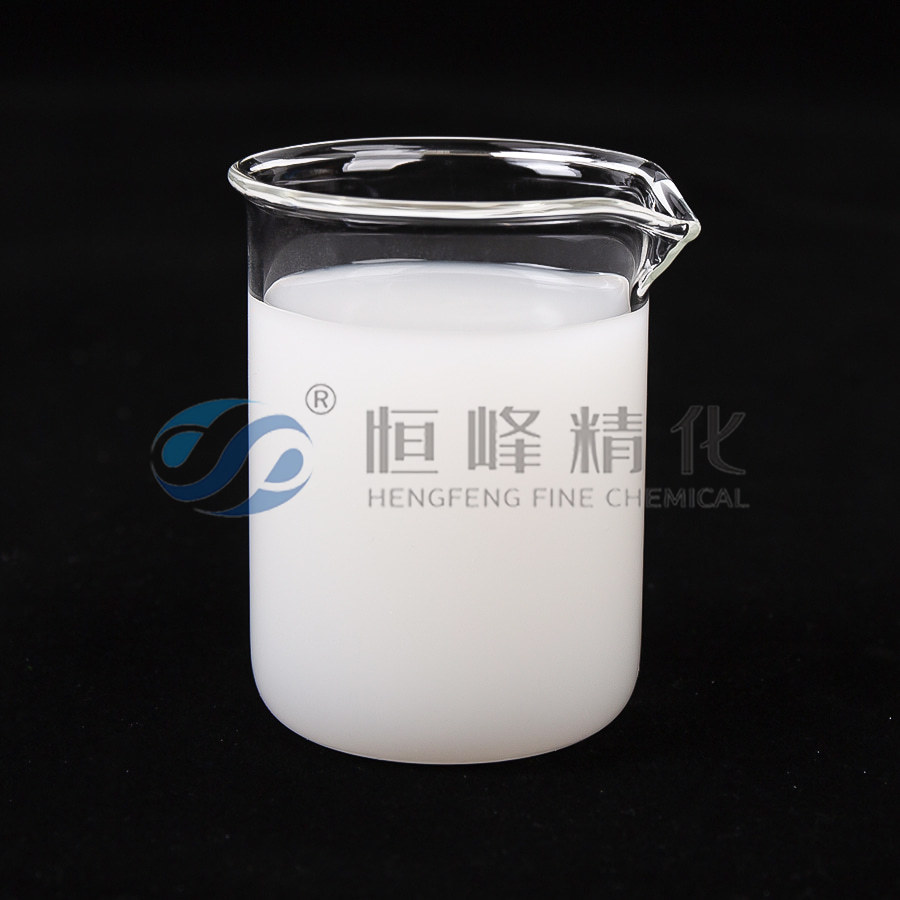
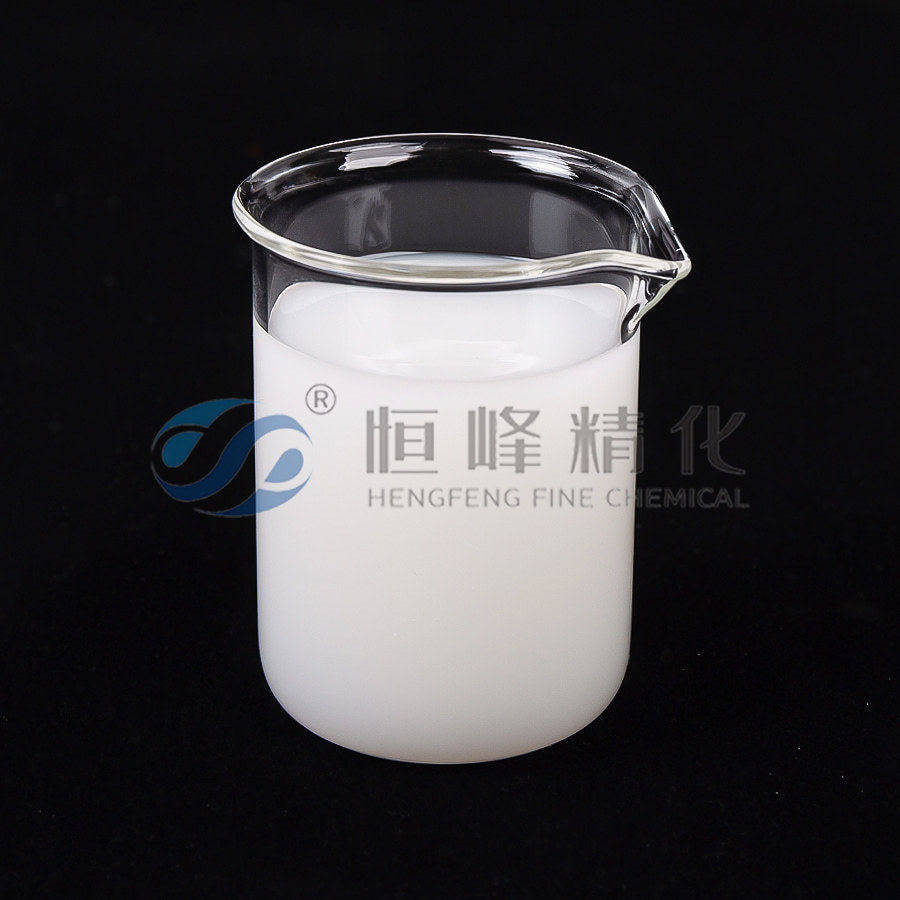
Cationic polyacrylamide (CPAM) emulsion removes organic matter from wastewater by converting dissolved and colloidal organics into larger, separable flocs through charge neutralization and polymer bridging.
In practice, CPAM works best as a flocculant (or coagulant aid): it binds negatively charged organic particles, emulsified oils, and humic/fulvic substances into dense agglomerates that can be removed by sedimentation, dissolved air flotation (DAF), or filtration.
“Organic matter” in wastewater is usually a mix of dissolved organics (measured as COD/TOC), colloids that contribute to COD and color, and suspended solids with organic content. CPAM primarily targets the fraction that is colloidal or particle-associated; removing those solids also removes the organics attached to them.
For example, in many industrial wastewaters (food, beverage, pulp and paper, textiles, oily wastewater), a large share of COD is carried by fine suspended/colloidal material. When CPAM increases floc size and settling/floatation rate, COD can drop noticeably because that COD was bound to the removed solids.
Many organics in wastewater present a net negative charge: humic substances, lignin fragments, dye molecules, fatty acids, and surfaces of fine particles coated with organics. CPAM carries positively charged groups that reduce electrostatic repulsion and enable collisions to “stick,” forming microflocs that become removable.
CPAM molecules adsorb onto multiple particles at once. Segments of the polymer chain attach to one surface while other segments extend into the water and attach elsewhere, “bridging” particles into larger, stronger flocs. Bridging is a key reason CPAM can improve DAF performance and clarifier settling by increasing floc size and robustness.
CPAM is frequently paired with alum, ferric salts, PAC (polyaluminum chloride), or lime. The inorganic coagulant forms hydroxide precipitates that “sweep” organics out of solution; CPAM then strengthens and enlarges those flocs. This combination often produces a larger COD/TOC reduction than CPAM alone when dissolved organics are significant.
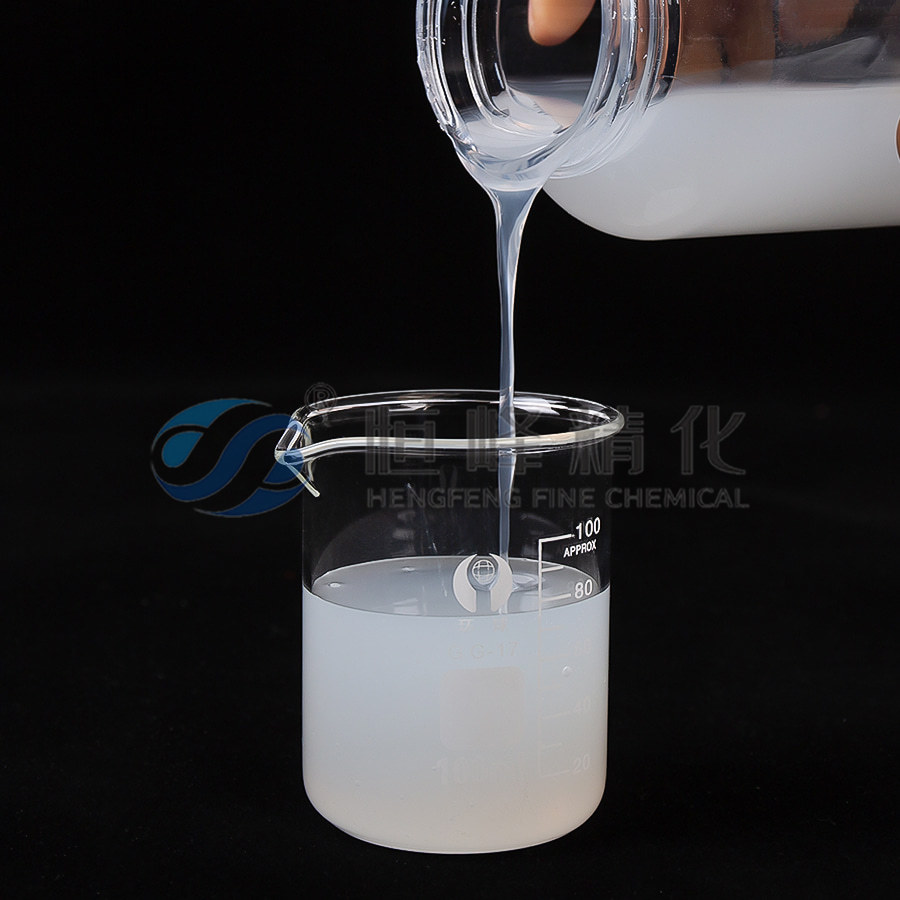
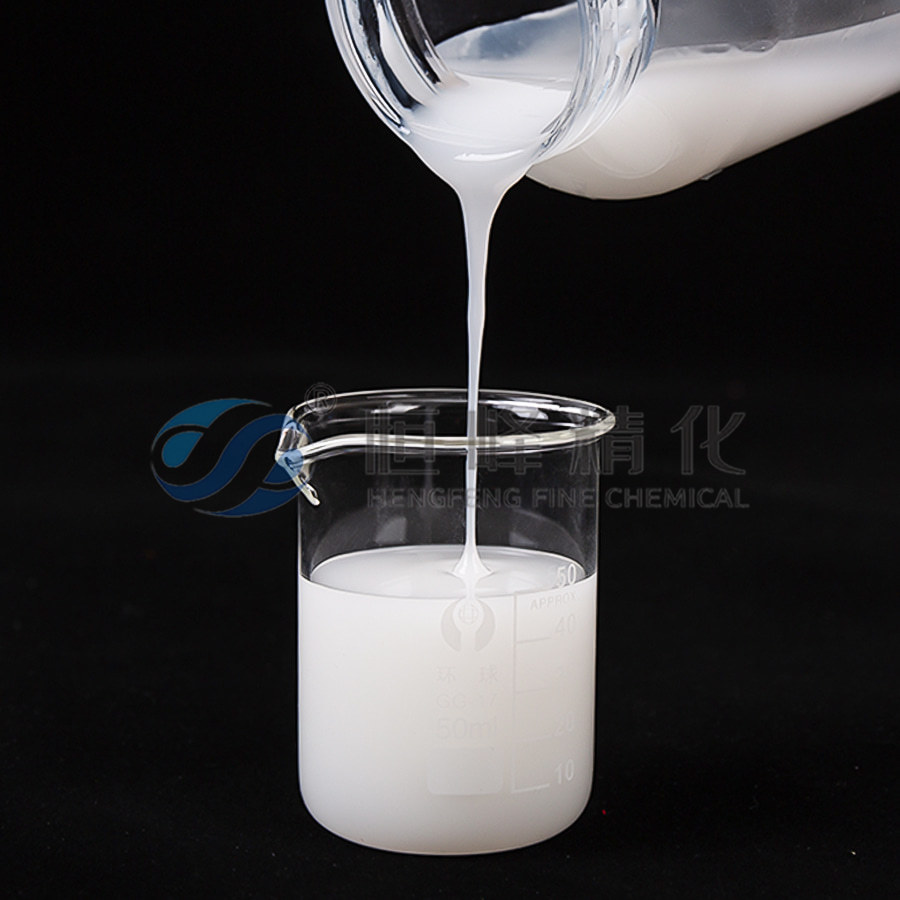
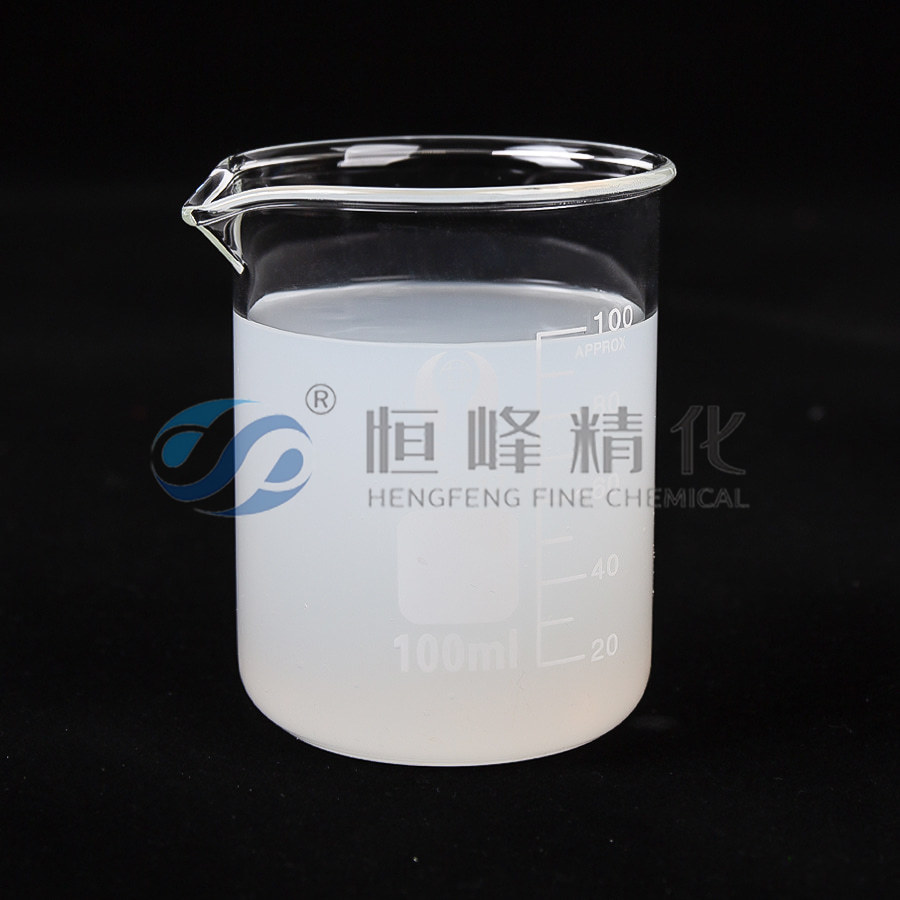
A CPAM emulsion is an “inverse emulsion” product that must be inverted (activated) in water. When properly inverted, it disperses quickly and delivers high-molecular-weight polymer chains efficiently, which supports fast floc growth at low active doses.
CPAM is most effective when organic matter is tied to particles, emulsions, or colloids. It is less effective for truly dissolved, low-molecular-weight organics (for example, sugars, alcohols, short-chain acids) unless an upstream coagulant or other treatment converts them into a removable phase.
CPAM performance depends on selecting the right charge density and molecular weight, then applying it with correct activation and mixing. As a starting point, many plants find effective treatment at ~1–10 mg/L active polymer, refined by jar testing.
CPAM needs rapid initial dispersion, followed by gentle mixing to grow flocs without shearing them. Overmixing can fragment flocs and reduce organic removal by flotation/settling.
If dissolved organics are prominent, pairing CPAM with alum/ferric/PAC often improves removal. Optimize pH for the inorganic coagulant first, then trim CPAM dose to build floc size and improve separation.
| Variable | What you may observe | Operational adjustment |
|---|---|---|
| Under-dosing | Small, slow-settling flocs; high turbidity/COD carryover | Increase CPAM in small steps; confirm activation and dispersion |
| Over-dosing | “Restabilized” fines; slippery flocs; higher effluent turbidity | Reduce dose; consider lower charge density grade |
| Too much shear | Flocs form then break; unstable DAF blanket or clarifier | Shorten high-energy mix; reduce pump shear; extend gentle flocculation |
| High dissolved organics | Limited COD drop with CPAM alone | Add/optimize alum, ferric, or PAC; then use CPAM as coagulant aid |
A jar test should measure not only turbidity, but also an organic indicator relevant to your system (COD, TOC, UV254, color, oil & grease). This keeps CPAM selection aligned with “organic matter removal,” not just clarity.
Cationic polyacrylamide emulsion removes organic matter by neutralizing negatively charged organics and bridging particles into large flocs that can be settled, floated, or filtered—typically at low active doses when activation and mixing are done correctly.

daisy@jshfpam.com

+86-13951412113

No. 35 Hairun Road, Yangkou Town, Rudong, Nantong City, Jiangsu Province, P.R.China
RBRH 01, Jl. Ruko Boston, Salembaran, Kec. Kosambi, Kabupaten Tangerang, Banten 15214,Indonesia.
(PT. Hengfeng Fine Chemical Indonesia)