
 English
 Español
 عربى
عربى
Jiangsu Hengfeng Fine Chemical Co., Ltd.

Content
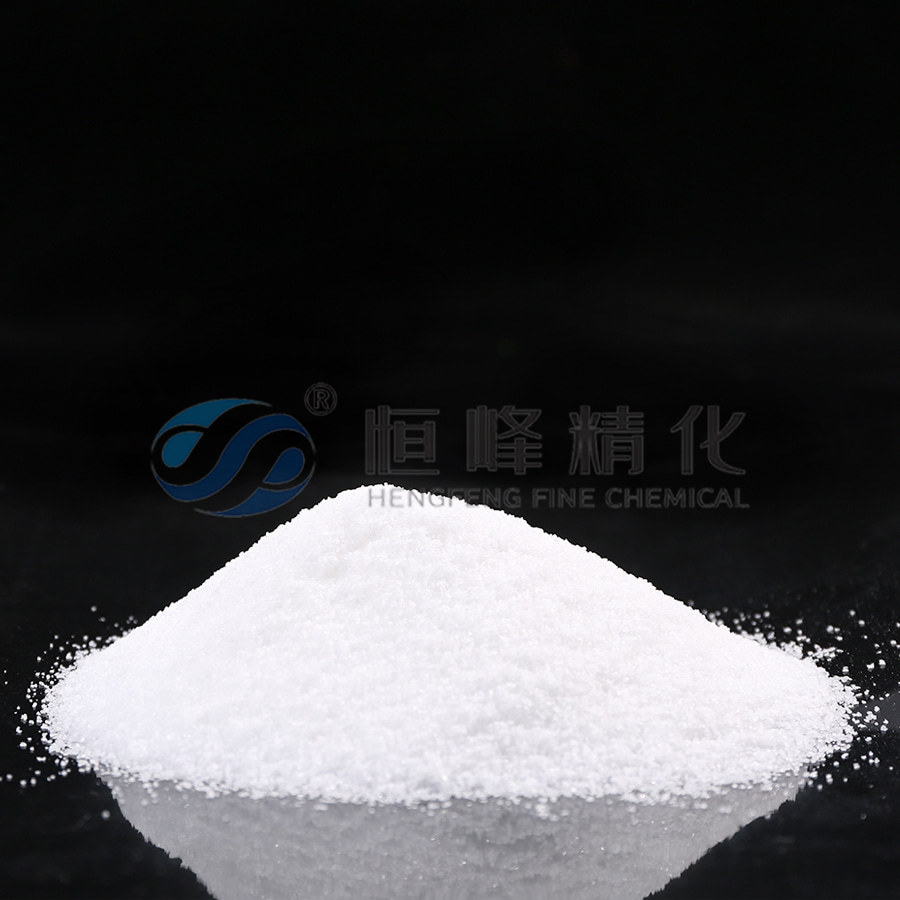
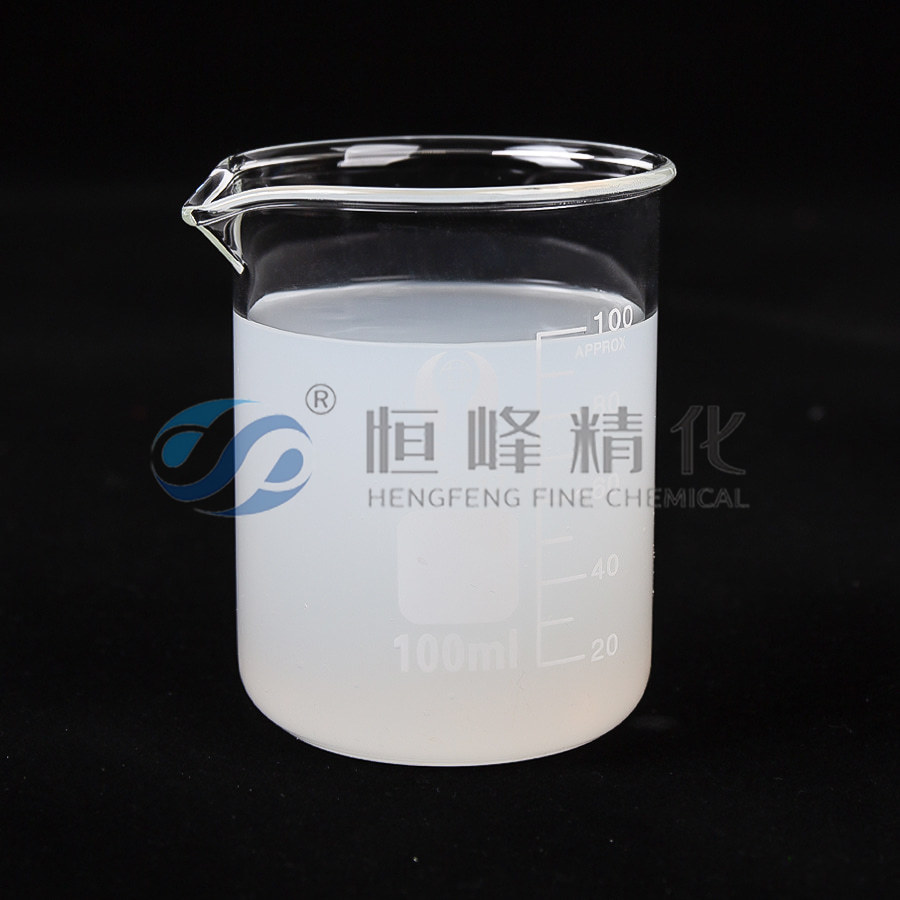
Polyacrylamide (PAM) can significantly reduce sediment in municipal drainage runoff when applied at the right rate and kept out of live water. Used as a temporary soil-binding/flocculation aid alongside BMPs (mulch, mats, check dams, inlet protection), PAM improves particle settling and reduces turbidity in conveyance features like swales, ditches, and outfall transitions.
PAM is most effective where fine soils (silts/clays) are mobilized by sheet flow or shallow concentrated flow before permanent stabilization is established. Typical municipal drainage use cases include:
For erosion control in drainage construction, specify anionic PAM matched to soil type. The wrong charge type or mismatched product can underperform and raise the risk of off-site transport.
Runoff visibly clarifies within minutes as fine particles flocculate and settle in protected areas (sediment trap, ditch check, inlet device), while erosion from raindrop impact decreases on treated bare soil.
Application rate depends on slope, soil erodibility, and flow concentration. Use manufacturer instructions and project specs as the controlling requirement. The examples below are common ranges cited in technical guidance and BMP documents.
| Method | Where used | Example rate / concentration | Operational notes |
|---|---|---|---|
| Dry granular broadcast | Bare slopes, stockpiles, ditch side slopes | 10–100 lb/acre (site-dependent) | Apply before rainfall; pair with mulch/mats to prevent polymer migration. |
| Hydroseed/hydromulch additive | Large graded areas needing rapid temporary stabilization | Solution commonly 0.05%–0.2% | Ensure adequate agitation; avoid over-mixing that shears polymer chains. |
| Passive dosing (gel blocks / wattle dosing) | Ditch checks, inlet devices, sediment trap inflows | Targeted dosing often framed as ppm (e.g., ~10 ppm in treated flow) | Keep polymer contained and retrievable; do not place in live streams. |
| Water-based spray to bare soil | Spot treatment on disturbed areas and haul roads | BMP examples cite limits such as 2/3 lb per 1,000 gal per acre treated | Apply evenly; prevent runoff during curing and keep out of curb inlets. |
If a project uses 20 lb/acre as a minimum effective construction-site benchmark, PAM cost is often small relative to rework from sediment-laden runoff (cleanouts, failed inspections, downstream impacts), especially when combined with standard BMPs.
Use this sequence to keep PAM effective and compliant in municipal drainage work:
Municipal drainage projects often discharge to regulated waters, so PAM use must be conservative and well-controlled. Follow permit conditions and local BMP manuals, and implement physical separation so PAM is used only on soil surfaces or in contained treatment devices.
Use polyacrylamide (PAM) as a targeted, temporary erosion-control enhancer in municipal drainage—always with containment and settling BMPs. When applied correctly, it can materially reduce fine sediment impacts while crews complete permanent stabilization.

daisy@jshfpam.com

+86-13951412113

No. 35 Hairun Road, Yangkou Town, Rudong, Nantong City, Jiangsu Province, P.R.China
RBRH 01, Jl. Ruko Boston, Salembaran, Kec. Kosambi, Kabupaten Tangerang, Banten 15214,Indonesia.
(PT. Hengfeng Fine Chemical Indonesia)