
 English
 Español
 عربى
عربى
Jiangsu Hengfeng Fine Chemical Co., Ltd.

Content
In many wastewater and industrial water treatment systems, separation performance is what determines operating cost. When flocs are weak, you pay twice: higher chemical consumption upstream and unstable sludge handling downstream. As a manufacturer and supplier of cationic polyacrylamide (CPAM), we see CPAM deliver the most value when customers need faster solid–liquid separation, cleaner supernatant, and more predictable sludge dewatering.
If you have already read our guide to anionic polyacrylamide flocculants for water treatment, you will recognize the same operational truth: performance is repeatable only when the polymer grade, make-down method, dose point, and shear conditions are aligned. This article keeps the same practical angle, but focuses on where cationic polyacrylamide is the better tool—especially in sludge conditioning, organic wastewater, flotation, and dewatering lines.
A simple chemistry reminder helps prevent expensive trial-and-error: anions are negatively charged ions, and cations are positively charged ions. In polymer flocculation, that charge direction influences how a polyacrylamide chain interacts with suspended solids and the microflocs created by inorganic coagulants.
In many wastewaters, fine particles and organic colloids carry a net negative surface charge. A cationic polyacrylamide flocculant can contribute in two ways: it can help neutralize charge (reducing repulsion) and it can bridge particles into larger, stronger flocs. Anionic polyacrylamide often performs best after a coagulation step creates positively charged sites; cationic polyacrylamide often becomes the first-choice when the solids are strongly negative, when organic load is high, or when the process is dominated by sludge dewatering and flotation rather than simple settling.
The practical takeaway is not “cationic is always better,” but “choose the charge that matches your solids and your process.” When customers ask us to recommend a CPAM grade, we treat selection as a balance among polymer properties, water chemistry, and process shear—exactly the same disciplined approach we recommend for anionic systems.
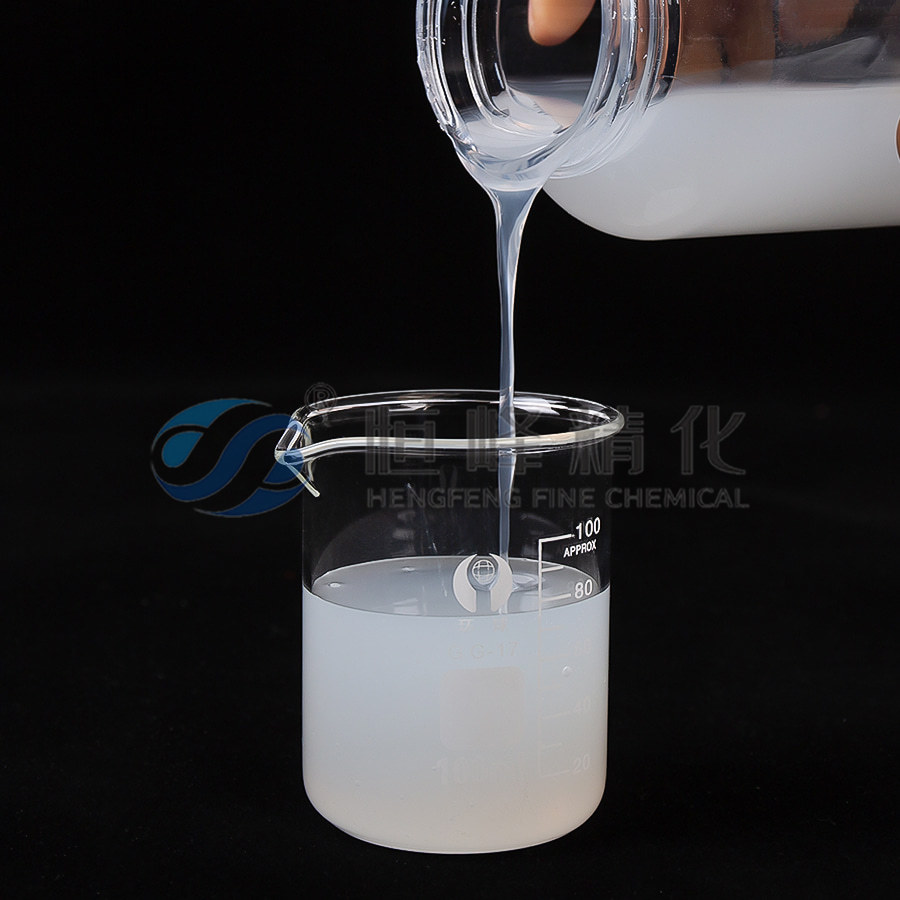
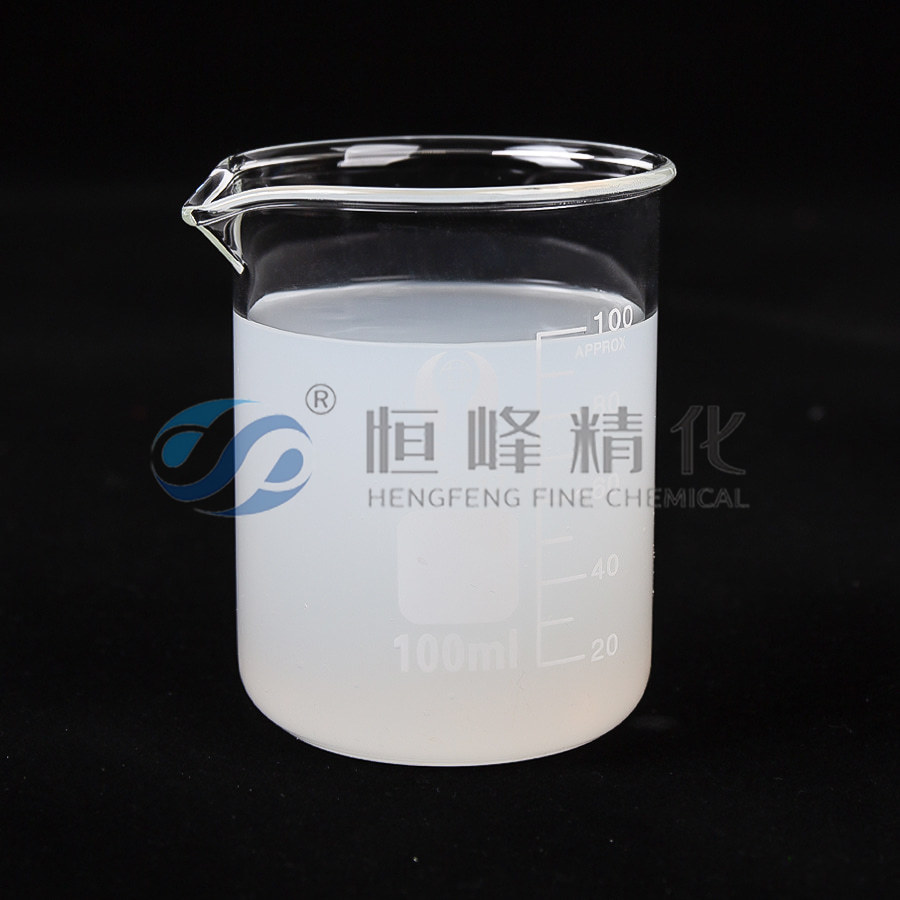
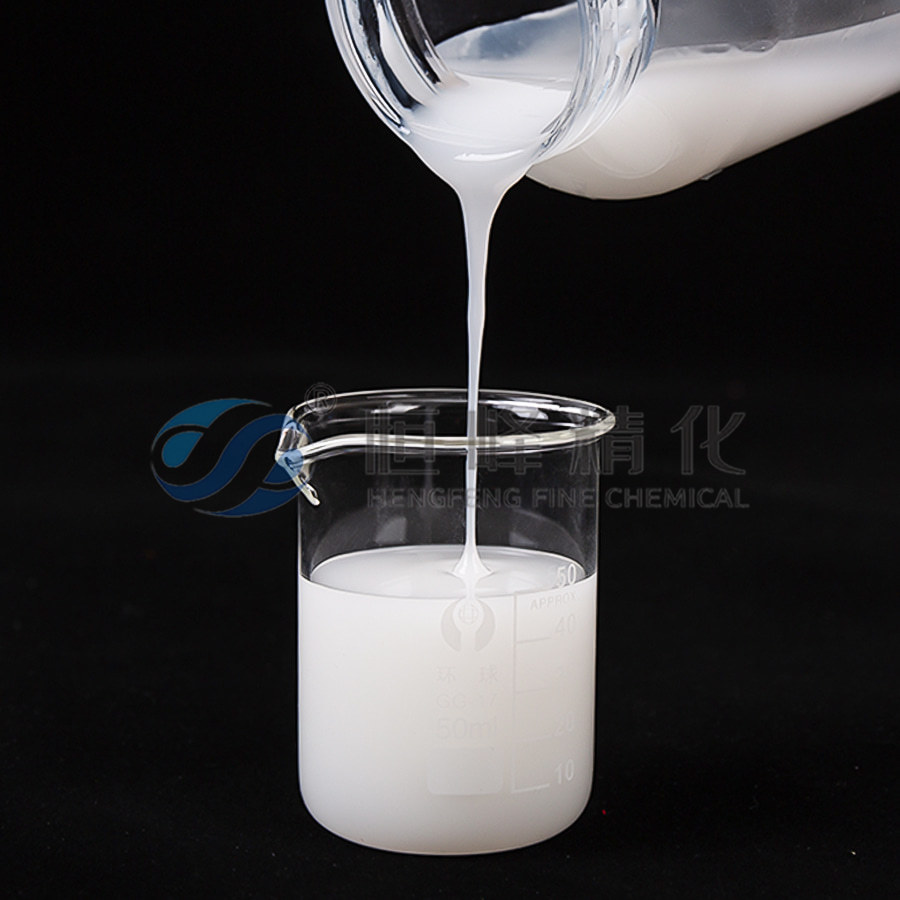
In our field support, cationic polyacrylamide is most often chosen for outcomes like improved dewatering cake structure, lower filtrate turbidity, faster flotation, and reduced sludge volume. For example, our CPAM emulsion line is positioned for rapid activation and process response; with correct dilution and inversion, it can dissolve in about 30 minutes, supporting quick start-ups and stable continuous dosing.
In sludge dewatering, floc structure is a mechanical asset. Plants are not only trying to “remove solids,” but to create a floc that releases water under press or centrifuge shear without blinding cloths or creating slimy, compressible cakes. With an appropriate CPAM grade and correct feed conditions, dewatering lines can often push cake moisture below 80% while keeping filtrate clearer and press operation steadier.
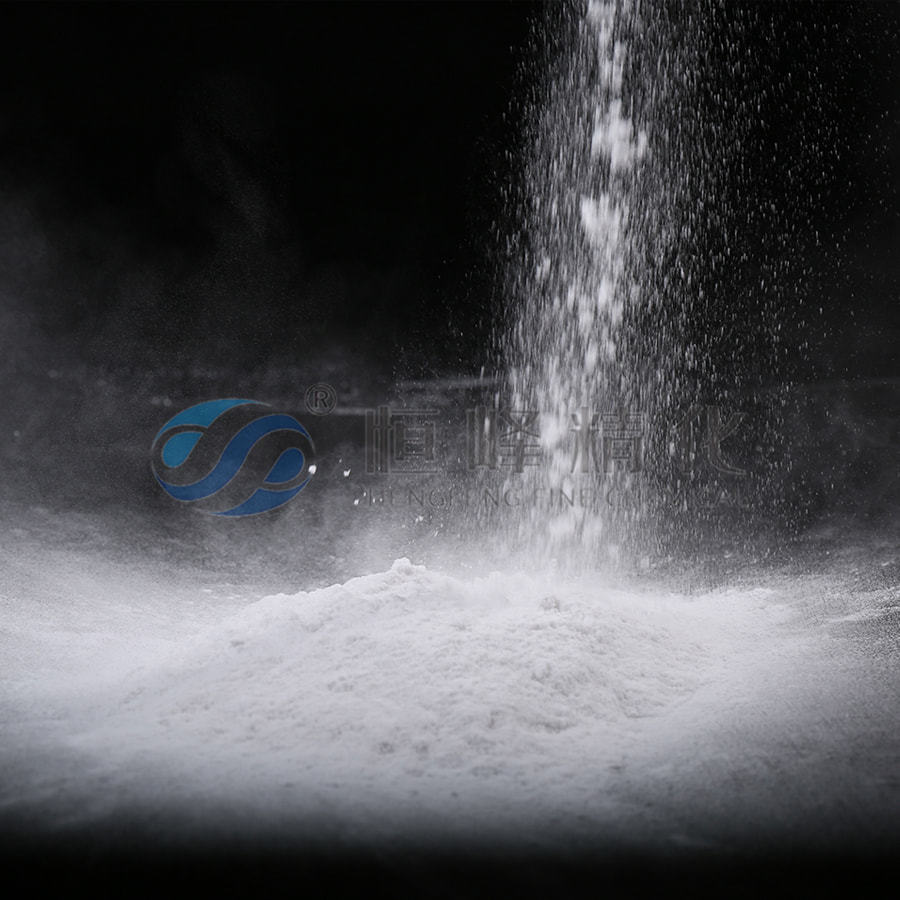
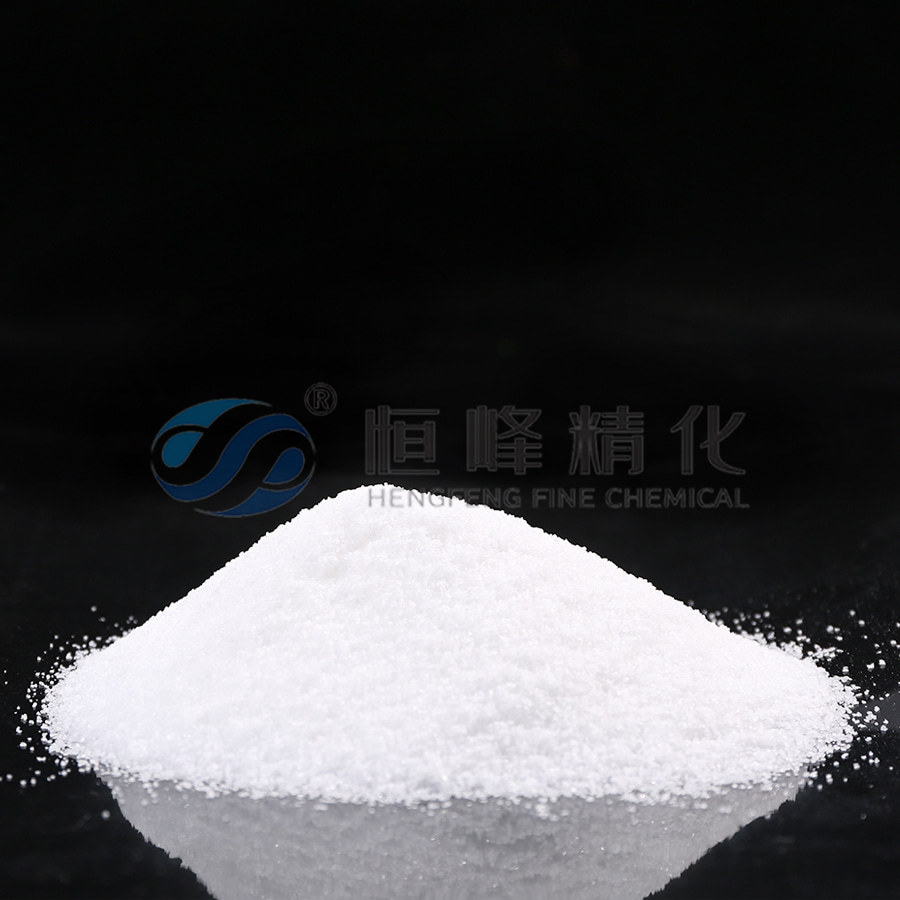
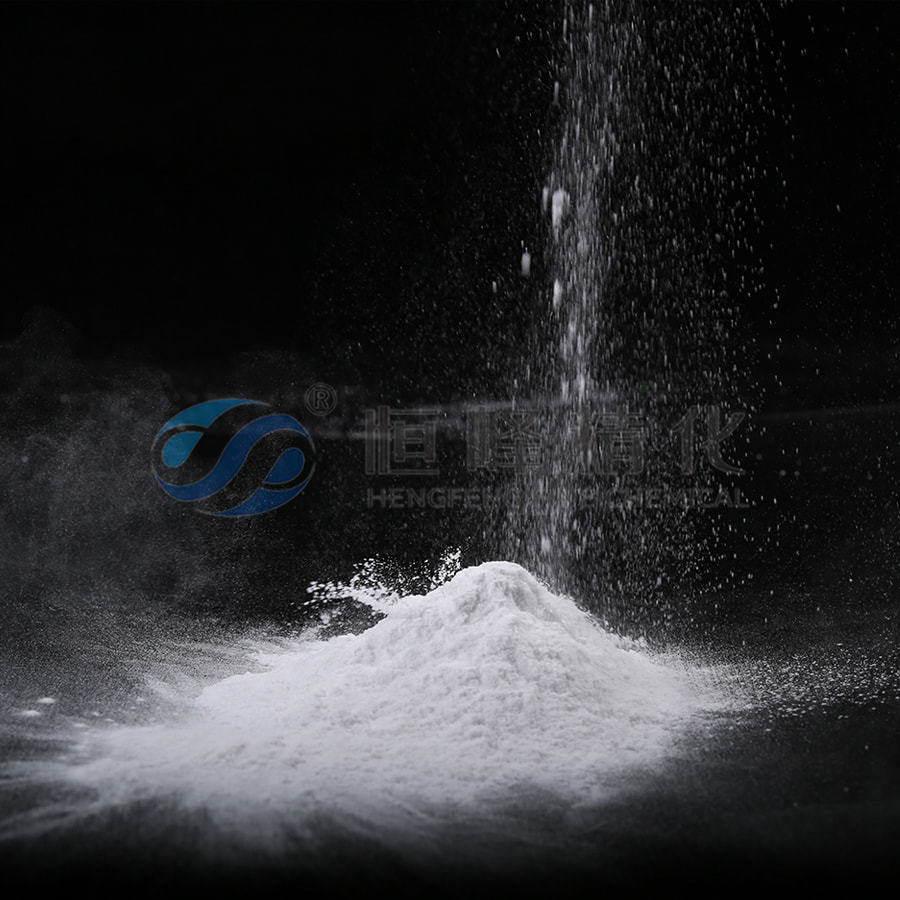
Both formats can achieve excellent water treatment results when prepared correctly. The decision is usually operational: start-up speed, automation level, storage strategy, and logistics cost. In our portfolio, CPAM emulsion is typically selected for rapid dissolution and automated metering; CPAM powder is commonly selected for long-term storage stability and lower transport cost per active content.
| Decision factor | Cationic polyacrylamide emulsion | Cationic polyacrylamide powder |
|---|---|---|
| Start-up speed | Fast activation; often fully dissolved in ~30 minutes under proper make-down | Slower hydration; commonly requires longer mixing time for full dissolution |
| Automation | Well-suited for metering pump feeding and continuous dosing control | Flexible concentration make-up; depends on your powder wetting and mixing system |
| Logistics & storage | Higher convenience; typically higher solids content (commonly ≥40%) | Dense and stable for long-term storage; generally lower packaging/transport cost |
| Best-fit scenarios | Sludge dewatering and industrial wastewater where rapid response is required | Municipal and industrial operations prioritizing storage stability and flexible deployment |
If you want to review the formats we supply, visit our cationic polyacrylamide emulsion page and our cationic polyacrylamide powder page. In practice, the “best” format is the one your team can prepare consistently without overdosing, underdosing, or shear damage.
CPAM selection is not a single label decision. Within cationic polyacrylamide for water treatment, the grade parameters that most strongly influence results are charge density and molecular weight, and those parameters must match your separation equipment and solids characteristics.
We do not recommend selecting purely by “high cationic” or “low cationic.” Instead, we encourage customers to define the target metric (filtrate clarity, cake dryness, polymer consumption, throughput stability) and then validate with a short jar-test or bench dewatering simulation that matches your process shear.
CPAM dosage cannot be reliably predicted from a single parameter like SS or COD. The fastest path to stable operations is a structured test that identifies a dose window and verifies that your feed point and mixing energy can reproduce it. Below are starting ranges we commonly use to build a test plan—final values must be validated on your line.
| Use case | Common screening range | What to watch |
|---|---|---|
| DAF / flotation aid (oily or organic wastewater) | 0.5–5.0 mg/L as active polymer | Bubble attachment, float stability, skimmate dryness |
| Clarification / settling (select streams) | 0.1–1.0 mg/L as active polymer | Supernatant clarity, floc strength under gentle mixing |
| Sludge conditioning for dewatering | 2–8 g/kg dry solids (screening) | Filtrate clarity, cake structure, cloth blinding, torque/load |
One caution we emphasize: overdosing can be as damaging as underdosing. Excess polymer can create “greasy” flocs, increase filtrate turbidity, and worsen cloth blinding. If your treated supernatant becomes hazy while flocs look large, localized overdose or insufficient dispersion is often the real issue.
In troubleshooting calls, we frequently find the CPAM grade is reasonable—but make-down and feeding are quietly destroying performance. Polymer chains are sensitive to poor wetting, incorrect dilution, and excessive shear. The goal is consistent activation and gentle delivery to the flocculation zone.
In our CPAM emulsion applications, plants often report clearer supernatant; under comparable conditions, supernatant turbidity can be 20–30% lower than with powder when the emulsion is prepared and fed correctly. The key is not the format alone—it is consistent activation and dispersion at the dose point.
Cationic polyacrylamide for water treatment is not limited to one industry. We supply grades that customers apply across municipal sewage, food processing, dyeing and textile wastewater, coal washing water, mineral processing wastewater, and other industrial wastewater streams.
This is the most common CPAM success case because the performance metric is clear: stable operation, lower filtrate solids, and stronger cakes. With correct conditioning, many plants can reduce cake moisture to <80% while decreasing carryover and improving press throughput. If your filter press emphasizes drainage, we can also propose grades optimized for better drain ability.
In organic wastewater (for example, fermentation or food-related effluents), negatively charged colloids are common. CPAM is frequently applied to build floatable flocs, improve skimming, and reduce downstream load. In concentration and flotation processes, CPAM can help remove organic fractions more effectively by binding fine solids into separable agglomerates.
For mixed industrial/municipal streams, we often begin with middle/low charge density and middle/high molecular weight options, then refine through jar testing based on your supernatant clarity, floc strength, and shear resilience. If your process already uses an inorganic coagulant, CPAM can also be evaluated as a secondary flocculant where charge conditions favor it.
When CPAM performance “suddenly drops,” the cause is usually operational: dilution changes, pump shear, pH shifts, or solids composition drift. The quickest diagnostic is to observe the floc and match the symptom to a corrective action.
| Symptom | Common root cause | What we change first |
|---|---|---|
| Cloudy filtrate / overflow | Underdose, wrong charge level, poor dispersion | Run a short jar test series; improve injection mixing; adjust dose in small steps |
| Sticky flocs, cloth blinding, “slimy” cake | Overdose or localized overdose at dose point | Reduce dose gradually; increase dilution; relocate injection for better dispersion |
| Flocs form then break and do not recover | High shear damage after dosing | Move dose point downstream of high-energy zones; reduce shear; consider a more shear-tolerant grade |
| Unstable results day-to-day | Solids variation, pH drift, dilution inconsistency | Stabilize dilution water and make-down; track pH/temperature/SS; retest dose window |
Most fixes are fast when the diagnosis is disciplined. We typically recommend adjusting one variable at a time (dose, dilution, injection point, mixing energy) and confirming the change with a quick bench check before rolling it into full operation.
CPAM is a high-leverage chemical, which means small handling differences can create large performance differences. Powder is generally preferred when long shelf life and transport efficiency are priorities. Emulsion is preferred when rapid dissolution and continuous automated dosing are priorities. In both cases, stable dilution water quality and controlled shear are essential.
When customers provide this information, we can usually shortlist grades quickly, propose a jar-test matrix, and provide feeding guidance that fits your equipment. For product format reference, you can review our cationic polyacrylamide emulsion page and our cationic polyacrylamide powder page.

daisy@jshfpam.com

+86-13951412113

No. 35 Hairun Road, Yangkou Town, Rudong, Nantong City, Jiangsu Province, P.R.China
RBRH 01, Jl. Ruko Boston, Salembaran, Kec. Kosambi, Kabupaten Tangerang, Banten 15214,Indonesia.
(PT. Hengfeng Fine Chemical Indonesia)