
 English
 Español
 عربى
عربى
Jiangsu Hengfeng Fine Chemical Co., Ltd.

Content
Heavy metals are metallic elements with a relatively high atomic density — typically above 4 g/cm³ — that persist in the environment without biological degradation. Unlike organic pollutants that can be broken down over time, heavy metals accumulate in aquatic ecosystems, enter the food chain, and ultimately reach human tissue, where they cause irreversible damage to the kidneys, liver, nervous system, and reproductive organs.
The scale of the problem is significant. Industrial output from sectors including electroplating, mining, metal smelting, battery manufacturing, tanning, textile dyeing, and semiconductor fabrication releases metal-laden effluents into waterways every day. The World Health Organization (WHO) sets strict maximum contaminant levels for drinking water — for example, 0.01 mg/L for arsenic, 0.003 mg/L for cadmium, and 0.01 mg/L for lead — yet untreated industrial discharge can contain concentrations thousands of times higher.
Regulatory pressure is tightening globally. The U.S. EPA, the EU Industrial Emissions Directive, and equivalent frameworks in China, India, and Southeast Asia all impose enforceable discharge limits. Facilities that fail to meet these standards face fines, shutdown orders, and reputational damage. Effective heavy metal removal is therefore both a legal obligation and an operational priority for any industrial facility discharging process water.
Not all heavy metals behave the same way in wastewater, and each carries its own risk profile. The table below summarizes the most frequently encountered metals, their typical industrial sources, and the primary health risks associated with prolonged exposure.
| Heavy Metal | Primary Industrial Sources | Key Health Effects | WHO Limit (Drinking Water) |
|---|---|---|---|
| Lead (Pb) | Battery manufacturing, paint, plumbing | Neurological damage, developmental disorders in children | 0.01 mg/L |
| Cadmium (Cd) | Electroplating, fertilizer, pigments | Kidney failure, bone disease (Itai-itai) | 0.003 mg/L |
| Chromium (Cr) | Tanning, stainless steel, dye manufacturing | Carcinogenic (Cr VI), liver and kidney damage | 0.05 mg/L |
| Mercury (Hg) | Chlor-alkali plants, mining, thermometers | Neurological toxicity, Minamata disease | 0.006 mg/L |
| Arsenic (As) | Mining, pesticides, semiconductors | Skin lesions, bladder and lung cancer | 0.01 mg/L |
| Nickel (Ni) | Electroplating, alloy production | Dermatitis, respiratory issues, carcinogenic potential | 0.07 mg/L |
| Copper (Cu) | Mining, printed circuit boards, plumbing | Liver and kidney damage at high levels | 2.0 mg/L |
| Zinc (Zn) | Galvanizing, rubber vulcanization, mining | Nausea, immune suppression in excess | — (taste threshold: 3 mg/L) |
In practice, industrial effluents rarely contain a single metal. Mixed-metal wastewater — such as the combined Ni, Zn, and Fe streams from automotive production — demands treatment systems flexible enough to handle multiple contaminants simultaneously at varying concentrations and pH levels.
Several established treatment technologies are available, each suited to different metal types, concentrations, and operational constraints. Understanding the mechanism and practical trade-offs of each method is the first step toward building an effective treatment line.
Chemical precipitation is the most widely deployed method for heavy metal removal at industrial scale. By raising the wastewater pH — typically using lime, sodium hydroxide, or sodium sulfide — dissolved metal ions are converted into insoluble hydroxide or sulfide precipitates. These solids are then separated by sedimentation or filtration. The process is straightforward to operate, relatively low in chemical cost, and effective across a broad range of metals. Its main limitation is the large volume of metal-bearing sludge produced, which requires further dewatering and compliant disposal. The efficiency of chemical precipitation is highly pH-dependent: most metal hydroxides achieve their lowest solubility at a specific pH range, so precise pH control is critical.
Coagulation-flocculation is frequently applied as either a standalone treatment or a polishing step following chemical precipitation. A coagulant — commonly poly-aluminum chloride (PAC), ferric chloride, or aluminum sulfate — is added to destabilize colloidal metal particles. A flocculant(Polyacrylamide, PAM) is then introduced to bridge these destabilized particles into large, settleable flocs. Research has demonstrated that PAC combined with anionic polyacrylamide as a coagulant aid achieves up to 98% removal of iron and significant reductions in zinc and nickel from automotive wastewater under optimized conditions. The flocculation step is critical for practical solid-liquid separation and directly determines sludge volume and downstream dewatering performance.
Ion exchange uses synthetic resin beds to selectively capture metal ions from solution, releasing harmless ions (such as sodium or hydrogen) in exchange. It is particularly effective for low-concentration streams and for metals such as lead, mercury, and cadmium, achieving very high removal efficiencies. The process is well-suited to applications where discharge limits are extremely stringent. The drawback is cost: resins are expensive, regeneration requires additional chemicals, and high-concentration metal streams can exhaust resin capacity rapidly, making this method less economical for high-load industrial effluents.
Adsorption relies on the affinity of metal ions for solid adsorbent surfaces. Activated carbon is the classic adsorbent, but research has expanded to include zeolites, agricultural residue-based biosorbents, and engineered nanomaterials. Adsorption is valued for its ability to treat dilute solutions where precipitation is inefficient, and bio-based adsorbents offer a lower-cost, environmentally favorable alternative to conventional materials. However, adsorbent saturation, regeneration logistics, and secondary waste management remain practical challenges that limit large-scale industrial adoption.
Membrane technologies — including nanofiltration (NF), ultrafiltration (UF), and reverse osmosis (RO) — can achieve very high metal rejection rates and produce treated water suitable for reuse. Reverse osmosis in particular can reduce metal concentrations to near-zero levels. The limitations are well-known: high capital and energy costs, membrane fouling by suspended solids and organic matter, and the need to manage the concentrated reject stream. Membrane systems are therefore most commonly applied as final polishing steps in zero-liquid-discharge (ZLD) configurations rather than as primary treatment.
Electrocoagulation and electrodeposition use electrical current to either precipitate metals or deposit them directly onto electrode surfaces. These methods can handle complex mixed-metal streams without chemical addition and generate less sludge than conventional chemical precipitation. However, electrode passivation, high energy consumption, and limited scalability to very large flow rates remain barriers to widespread industrial deployment.
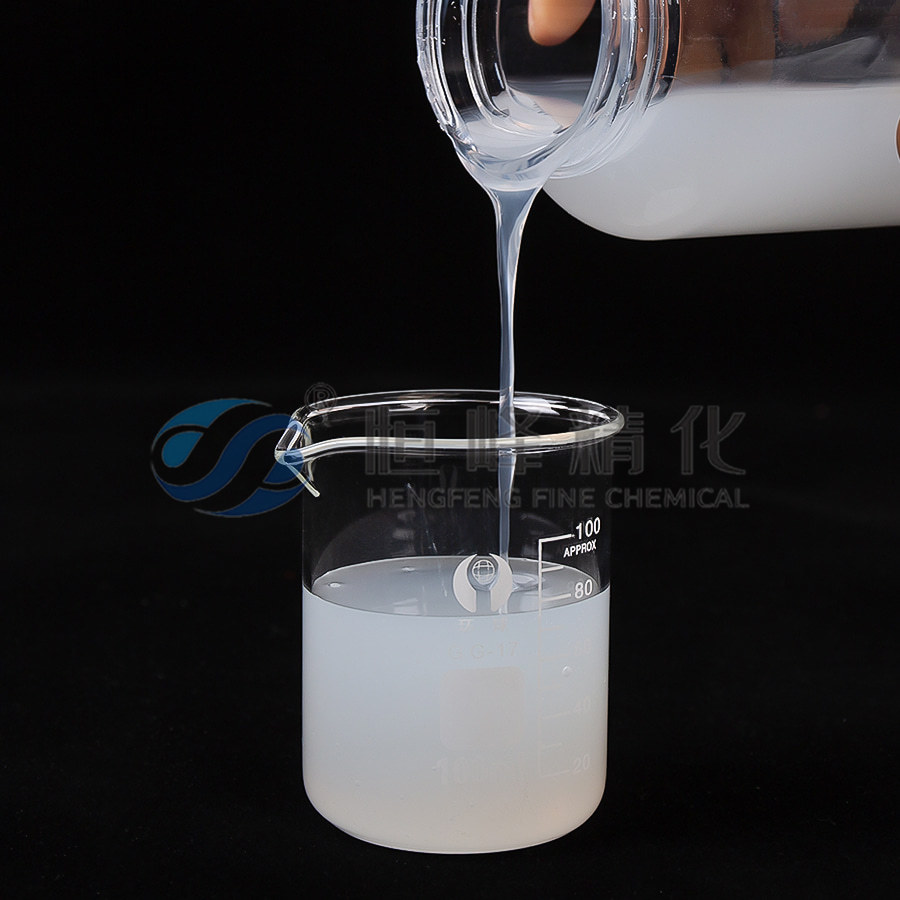
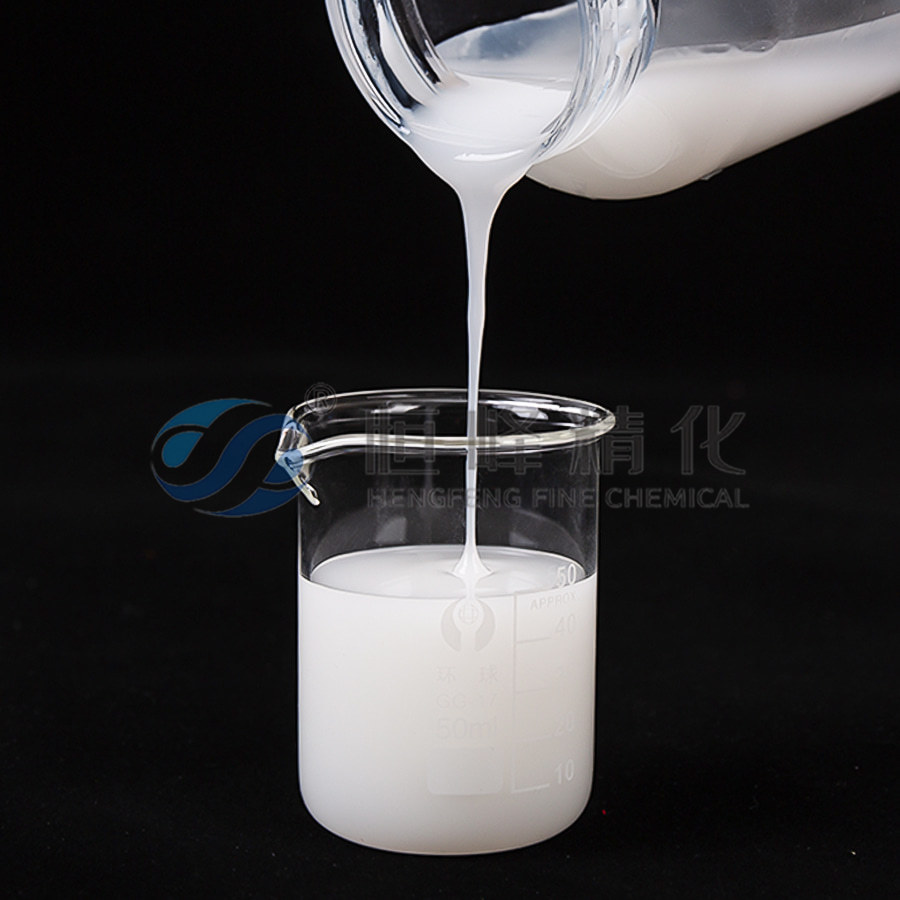
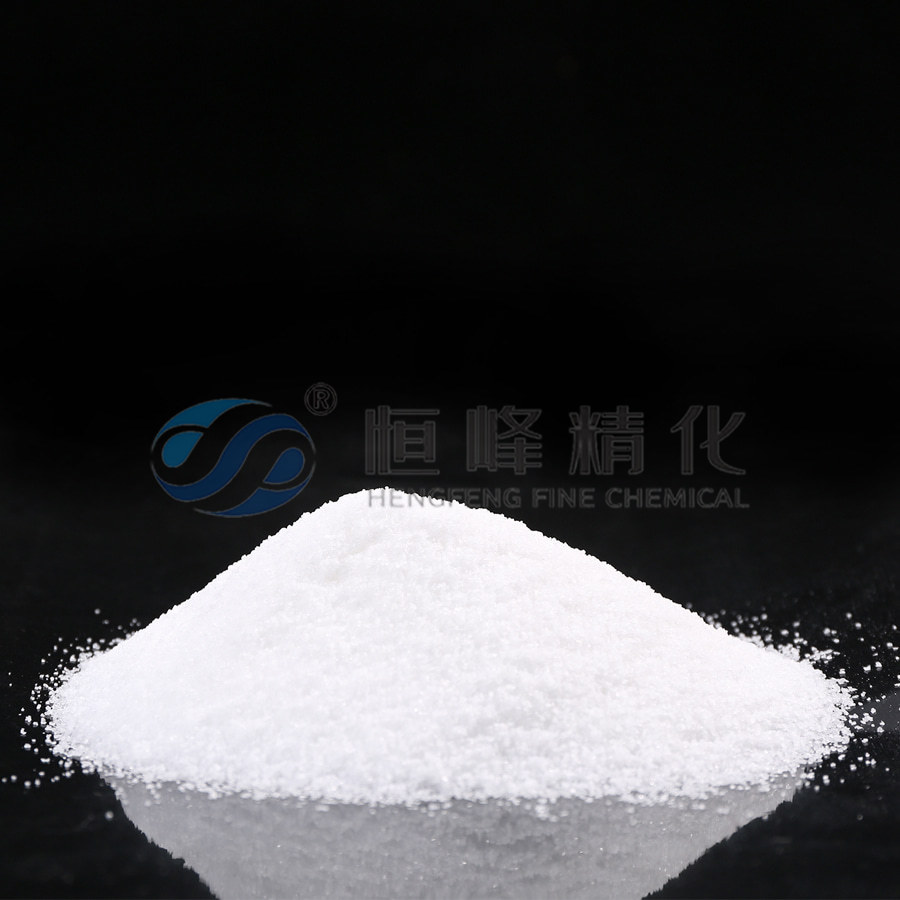
Among the treatment steps described above, the coagulation-flocculation stage is where water treatment polyacrylamide delivers its most direct value in heavy metal removal. PAM functions as a high-molecular-weight flocculant aid: its long polymer chains bridge between metal precipitate particles and colloidal solids, forming large, dense flocs that settle rapidly and release water efficiently during subsequent dewatering.
For wastewater streams containing metal hydroxide or metal sulfide precipitates — the typical output of a chemical precipitation stage — anionic polyacrylamide (APAM) is the standard choice. The negatively charged functional groups of APAM interact with the positively charged metal floc surfaces produced after coagulant addition, promoting rapid aggregation. In metalworking and electroplating effluents, anionic PAM is widely used to optimize suspended solids and metal sludge separation, improving both clarified water quality and sludge dewatering efficiency before filter press or centrifuge processing.
Where wastewater chemistry varies significantly — as is common in mining operations processing ores with mixed metal content — amphoteric polyacrylamide offers an advantage. Its combination of positive and negative charge groups allows effective performance across a wider pH range and under variable ionic conditions, making it well-suited to streams where both metal cations and anionic contaminants are present simultaneously.
Heavy metal treatment inevitably produces metal-laden sludge. The quality of sludge conditioning directly determines dewatering cost and final disposal volume. PAM — particularly cationic polyacrylamide flocculant grades selected for sludge dewatering — improves filter cake dryness, accelerates belt press or centrifuge throughput, and reduces sludge mass for hazardous waste disposal. For facilities managing large volumes of metal-bearing sludge, optimizing PAM selection for the dewatering step can produce measurable reductions in operating cost.
PAM performance in heavy metal treatment systems is sensitive to preparation and dosing conditions. The following parameters represent widely adopted operating standards:
Jar testing on site-specific wastewater samples remains the most reliable method for selecting the correct PAM grade (ionic type, charge density, molecular weight) and confirming optimal dosage before full-scale application.
No single technology solves every heavy metal removal challenge. The most effective systems combine two or more methods in sequence — for example, chemical precipitation followed by PAM-assisted coagulation-flocculation and membrane polishing — with selection driven by the specific characteristics of the wastewater and the required effluent standard. The table below provides a practical starting framework.
| Industry / Scenario | Typical Metals | Recommended Primary Method | Recommended Flocculant Aid |
|---|---|---|---|
| Electroplating / Metal Finishing | Cr, Ni, Cu, Zn | Chemical precipitation (lime/NaOH) + coagulation | Anionic PAM |
| Mining / Mineral Processing | Pb, Zn, As, Cu, Fe | Lime precipitation + flocculation | Anionic or Amphoteric PAM |
| Battery / Electronics Manufacturing | Cd, Pb, Ni | Sulfide precipitation + filtration | Anionic PAM for sludge dewatering |
| Tanning / Leather Industry | Cr (VI → Cr III reduction first) | Reduction + alkaline precipitation | Anionic PAM |
| Dilute rinse waters (low concentration) | Various, <10 mg/L | Ion exchange or adsorption | Not required at this stage |
| ZLD / Ultra-clean effluent reuse | All | Precipitation + PAM flocculation + RO polishing | Cationic PAM for sludge dewatering |
For operations dealing with multiple contaminants and fluctuating influent quality — common in mining and mixed industrial parks — a pilot-scale trial combining chemical precipitation with different PAM grades and dosages is the most reliable path to cost-effective compliance. Explore the full range of water treatment field applications to understand how polyacrylamide integrates across different process configurations.
Removing heavy metals from wastewater is a multi-step engineering challenge that requires matching the right chemistry to the specific metals, concentrations, and discharge requirements of each operation. Chemical precipitation remains the backbone of most industrial systems, and coagulation-flocculation — with polyacrylamide as the flocculant — is what converts that chemistry into practical, efficient solid-liquid separation. Ion exchange and membrane filtration extend treatment capability where effluent quality requirements are most demanding.
PAM selection — ionic type, charge density, molecular weight, and dosage — has a direct and measurable impact on both effluent quality and sludge handling cost. Getting that selection right from the start avoids the common operational problems of weak floc, high polymer consumption, and poor dewatering performance.
Jiangsu Hengfeng Fine Chemical Co., Ltd. manufactures anionic, cationic, and specialty polyacrylamide grades specifically engineered for industrial wastewater treatment applications. With an annual production capacity exceeding 100,000 tons and in-house laboratory support for application testing, Hengfeng is positioned to help wastewater engineers select and validate the right PAM solution for heavy metal removal — from initial jar testing through full-scale deployment. Contact our team to discuss your specific water chemistry and treatment objectives.

daisy@jshfpam.com

+86-13951412113

No. 35 Hairun Road, Yangkou Town, Rudong, Nantong City, Jiangsu Province, P.R.China
RBRH 01, Jl. Ruko Boston, Salembaran, Kec. Kosambi, Kabupaten Tangerang, Banten 15214,Indonesia.
(PT. Hengfeng Fine Chemical Indonesia)