
 English
 Español
 عربى
عربى
Jiangsu Hengfeng Fine Chemical Co., Ltd.

Content
A 25 kg bag of polyacrylamide powder that arrives in perfect condition, if it has been stored in the wrong place for two months, can lose 30–40% of its flocculation efficiency before it ever reaches the dosing system. The polymer itself does not spontaneously fail. Degradation follows predictable pathways, and every one of them is preventable. This guide covers what causes PAM to deteriorate, how to store each product form correctly, how to recognize compromised material before it reaches your process, and what safe handling looks like in practice. For a broader overview of how PAM functions across different organic flocculant applications in wastewater treatment, that context is useful background.
Polyacrylamide's flocculation performance depends almost entirely on molecular weight and charge density. Long polymer chains extend into solution, bridge between suspended particles, and pull them into settleable flocs. When those chains are shortened by degradation, bridging efficiency drops — and the drop is non-linear. A 20% reduction in average molecular weight can translate into a 40–50% increase in required dose to achieve the same effluent turbidity target. That means more chemical spend, more sludge volume, and potentially missed discharge permits.
Three degradation pathways matter in storage:
Understanding which pathway applies to your product form is the starting point for a storage protocol that actually protects performance.
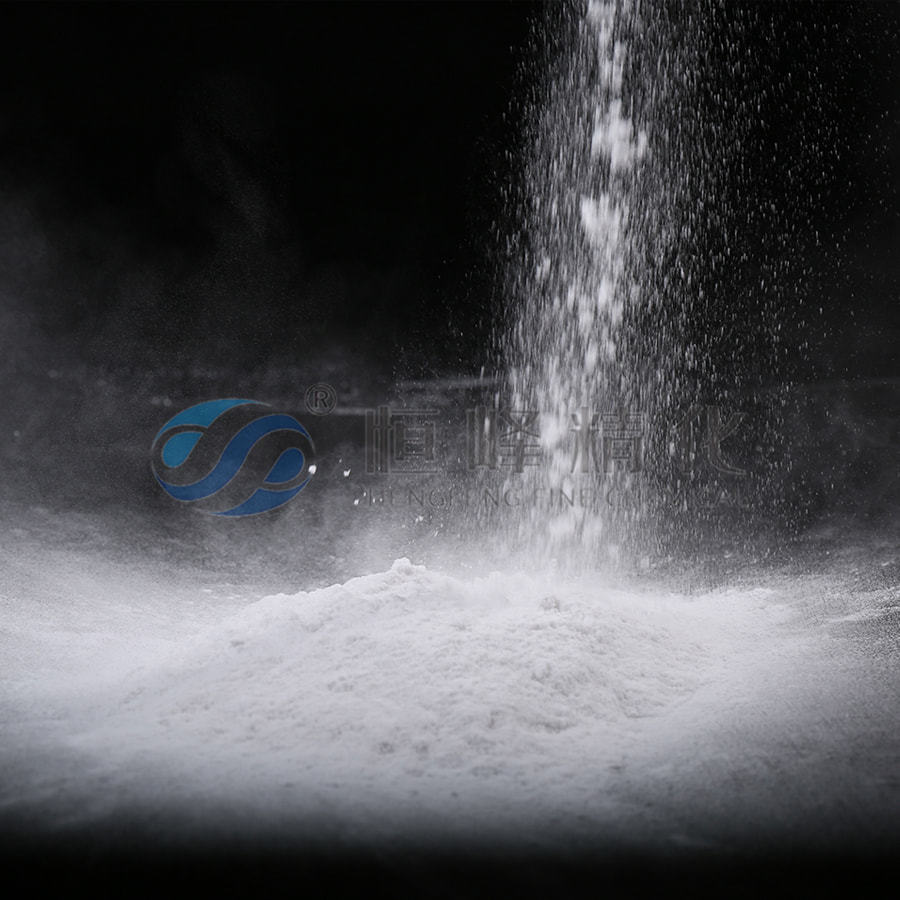
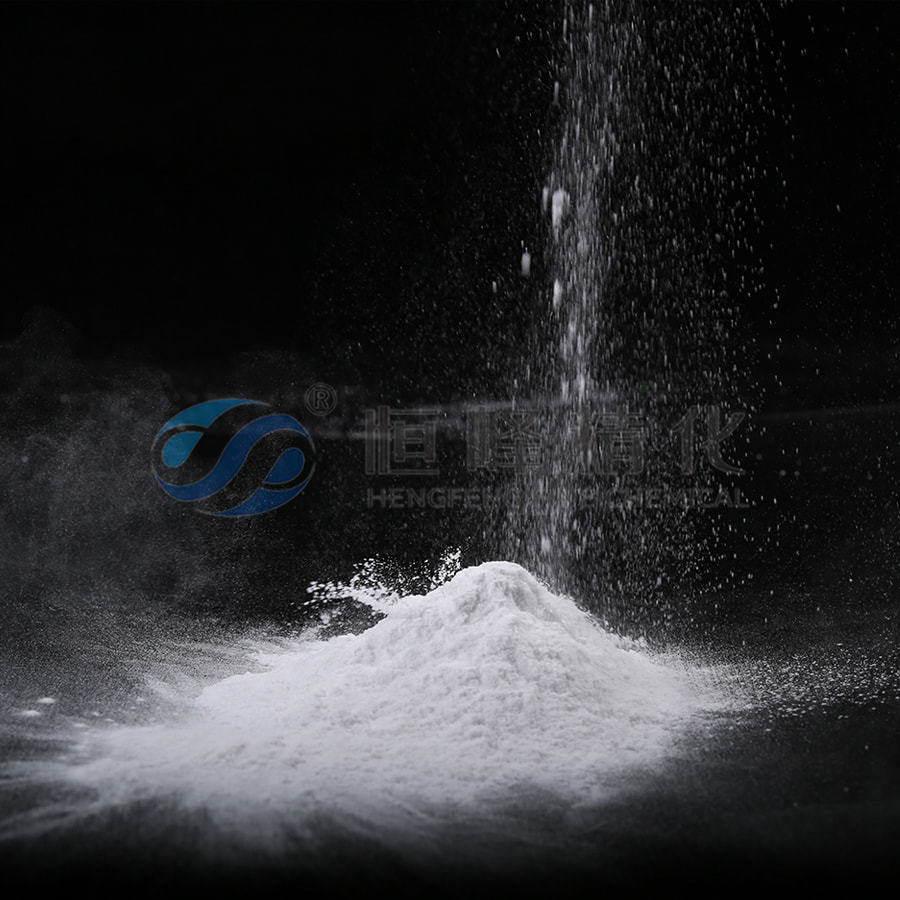
Powder and granular polyacrylamide — supplied in polyethylene-lined kraft bags or sealed drums — is the most widely used form for water treatment and sludge dewatering. It is also the most forgiving in terms of shelf life when stored correctly, and the most vulnerable to caking when stored carelessly.
Temperature: Maintain warehouse temperature between 5°C and 30°C. Above 30°C, degradation rates increase measurably; above 40°C, accelerated chain scission begins shortening shelf life from months to weeks. Avoid storage near boiler rooms, steam lines, or south-facing metal walls in hot climates. Direct sunlight through skylights is a common overlooked heat source — pallets positioned under natural light can reach surface temperatures 10–15°C above ambient.
Humidity: Keep relative humidity below 65%. In humid coastal or tropical environments, consider climate-controlled storage for high-value cationic grades. At minimum, store bags on pallets elevated at least 15 cm from the floor — concrete floors act as moisture conduits — and away from exterior walls where condensation risk is highest.
Container integrity: Original factory seals maintain product quality. Once a bag is opened, transfer unused material to a tightly sealed secondary container (food-grade PE bins with locking lids work well) and label it with the opening date. Partially used bags left folded but unsealed are the most common source of premature caking complaints. Our anionic polyacrylamide powder for water treatment is packaged in double-layer PE-lined bags specifically to provide a second moisture barrier after the outer kraft layer is breached.
Incompatible materials: Store PAM at least 3 meters from strong oxidizing agents (sodium hypochlorite, hydrogen peroxide, potassium permanganate), strong acids, and strong bases. Oxidizers accelerate backbone degradation even through closed packaging via vapor-phase contact; acids and bases catalyze hydrolysis of amide groups.
Stacking limits: Do not stack bags more than 10 layers high for 25 kg bags or more than 6 layers for 50 kg bags. Excessive compressive load causes bottom-layer granules to consolidate, making them difficult to dissolve uniformly even if no moisture damage has occurred. Rotate stock on a first-in, first-out basis and mark pallet dates clearly.
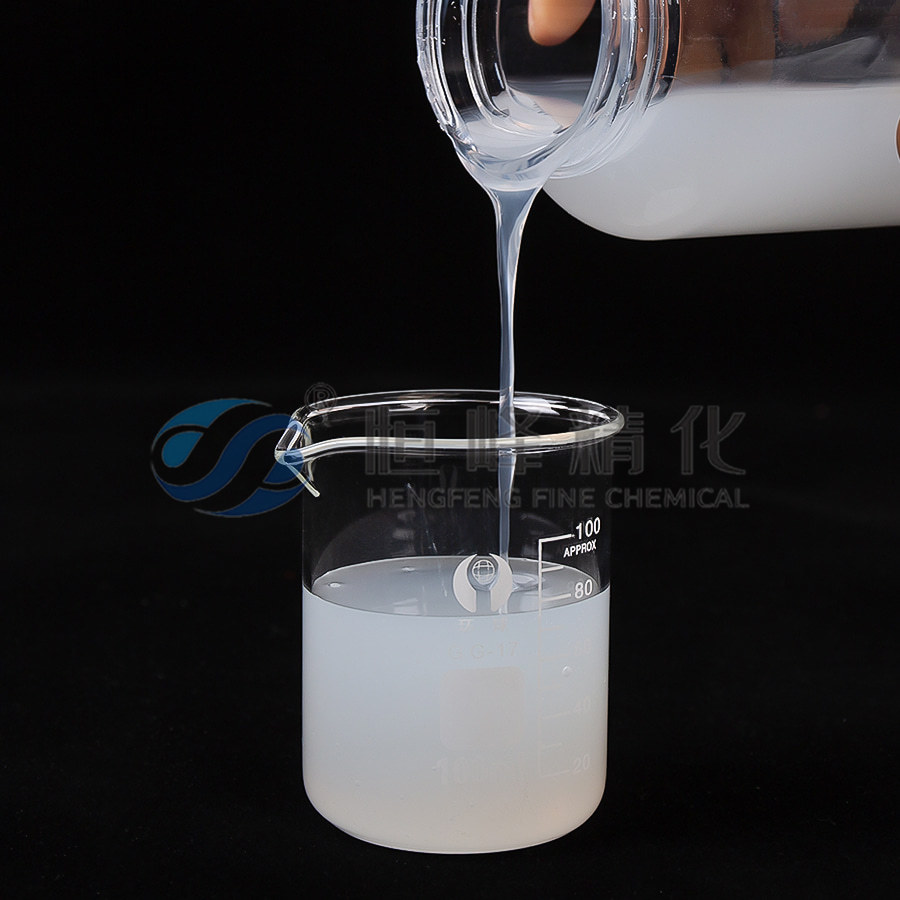
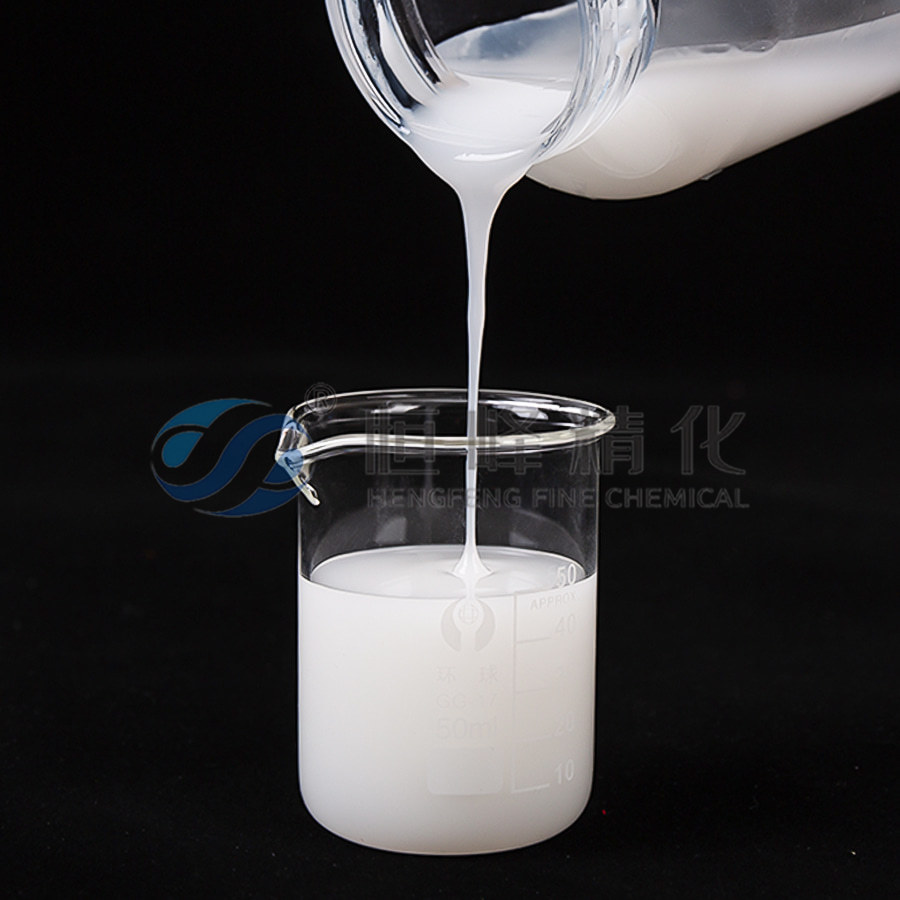
Emulsion polyacrylamide requires tighter environmental controls than powder because the product is thermodynamically metastable — it relies on surfactant chemistry to keep the polymer phase dispersed. Disturb that balance and you cannot recover it.
Temperature window: The storage range for emulsion PAM is narrow: 5°C to 35°C. The lower limit is a hard constraint. A single freeze event — even partial, even brief — can cause irreversible phase separation. In cold-climate warehouses or during winter transport, insulated containers or heated storage areas are not optional. The upper limit matters for a different reason: at temperatures above 35°C, the surfactant system can destabilize, leading to creaming (polymer-rich layer rising to the top) that may or may not be re-dispersible depending on severity.
Container materials: Store in the original iron drums or high-density polyethylene containers. Avoid aluminum, copper, or galvanized steel — these metals catalyze oxidative degradation of the polymer and can react with surfactant components. Stainless steel (316L) is acceptable for bulk intermediate storage tanks.
Agitation before use: Even under ideal conditions, emulsions can develop a slight phase gradient over weeks of static storage. Always mix the drum or tote gently before drawing product — a slow roll on a drum rotator for 5–10 minutes, or gentle recirculation in a bulk tank. Vigorous high-shear mixing damages the emulsion structure; use low-shear paddle or recirculation methods only.
For specific product storage parameters covering our cationic polyacrylamide emulsion for wastewater treatment and anionic polyacrylamide emulsion grades, refer to the product datasheets, which specify lot-specific shelf life and inversion activator requirements.
Incoming inspection and periodic stock checks should include a quick visual and dissolution assessment. Catching degraded material before it enters your dosing system saves both chemical cost and process disruption.
| Product Form | Visual / Physical Signs | Dissolution / Performance Signs | Likely Cause |
|---|---|---|---|
| Powder / Granular | Hard lumps, yellowing, reduced free-flow | Slow or incomplete dissolution, gel lumps in solution, fisheye formation | Moisture absorption, caking |
| Powder / Granular | Fine dust, particle breakdown | Solution viscosity lower than expected at standard dose | Mechanical degradation from improper stacking |
| Emulsion | Separated layers (clear top / thick bottom), color change | Poor inversion on dilution, oily film on solution surface | Freeze-thaw damage or overheating |
| Emulsion | Unusual odor, discoloration | Reduced viscosity after inversion, weak floc formation | Microbial contamination or oxidative degradation |
| Prepared Solution | Cloudiness, particulates, foam | Poor bridging, pin floc in clarifier, elevated effluent turbidity | Mechanical shear damage, bacterial growth, over-aged solution |
A simple bench test is useful when in doubt: dissolve a weighed sample at 0.1% concentration in deionized water under controlled stirring and compare the solution viscosity (via a Brookfield viscometer or even a flow-time measurement through a fixed orifice) against a reference sample from a known-good lot. A drop of more than 15% in relative viscosity at the same concentration is a reliable indicator of molecular weight degradation. Do not use compromised material and assume dose adjustment will compensate — the performance loss is rarely linear.
Prepared PAM solutions (0.1–0.5%) should not be held for more than 24–48 hours. Beyond that window, mechanical chain scission from the dissolution process, combined with microbial activity in process water, progressively reduces viscosity. High-temperature process water above 40°C shortens this window further.
Polyacrylamide polymer itself has low acute toxicity. The handling hazard comes from residual acrylamide monomer — an unreacted starting material that is a recognized neurotoxin and suspected carcinogen. The OSHA permissible exposure limit for acrylamide monomer is 0.03 mg/m³ as an 8-hour TWA, established based on evidence of carcinogenicity in animal studies, as documented by CDC/NIOSH occupational exposure guidance for acrylamide. Reputable manufacturers control residual monomer content to below 0.05% (500 ppm) in the finished polymer, with many industrial grades achieving below 0.01%. Always request a Certificate of Analysis confirming monomer content for each production lot.
Powder handling: Airborne dust during bag opening, transfer, and dissolution is the primary inhalation route. Use a half-face respirator with P100 particulate filters when handling powder in enclosed or poorly ventilated spaces. In well-ventilated outdoor or open-bay settings, a fitted N95 is acceptable for brief exposures. Wear nitrile gloves (not latex, which provides inadequate chemical resistance) and chemical splash goggles. Do not use compressed air to clean up powder spills — this creates respiratory exposure across the work area. Use vacuum collection or damp wiping instead.
Emulsion and solution handling: The primary hazard shifts from inhalation to contact and slip risk. Emulsions are oily and PAM solutions are exceptionally slippery — a thin film of 0.1% PAM solution on a concrete floor is more hazardous than ice. Contain spills immediately with dry absorbent material (vermiculite or dry sand), then rinse with large volumes of water. Mark and barricade the area until dry. For protocols specific to anionic PAM spill response, refer to our detailed guidance on handling accidental releases of APAM in work environments.
Ventilation: Dissolution tanks and make-down units should be in well-ventilated areas or equipped with local exhaust ventilation. Enclosed mixing rooms with poor air exchange can accumulate monomer vapor over a working shift, particularly with high-throughput continuous dissolution systems. Monitor air quality in dissolution areas periodically, especially when processing older stock or high-monomer-content grades.
Skin and eye contact: Flush affected skin immediately with soap and water for at least 15 minutes. For eye contact, flush with clean water for at least 20 minutes and seek medical evaluation. PAM solutions may cause mild delayed skin irritation on prolonged contact — change contaminated clothing promptly.
Shelf life is not a fixed number — it is a function of storage conditions. The figures below assume the storage requirements described in this article are followed consistently.
| Product Form | Sealed / Unopened | After Opening | Critical Risk Factor |
|---|---|---|---|
| Powder / Granular PAM | 18–24 months | Use within 3–6 months; reseal immediately | Moisture / humidity |
| Emulsion PAM | 6–12 months | Use within 4–8 weeks; agitate before each draw | Temperature extremes (freeze / overheat) |
| Prepared solution (0.1–0.5%) | N/A — prepare fresh | 24–48 hours maximum; discard after | Mechanical shear, microbial growth |
For operations with variable consumption rates — seasonal treatment plants, batch industrial processes — it is worth calculating a maximum order quantity that ensures stock turns over within the sealed shelf life window. Ordering in bulk to reduce unit cost only saves money if the product arrives in the process, not in the waste stream. Establish a clear quarantine and disposal procedure for out-of-date or visually compromised stock, and document lot numbers and receipt dates on every pallet from the moment it arrives on site.
When in doubt about a specific lot, contact your supplier for retest guidance. Manufacturers can perform molecular weight verification against the original specification — a service worth requesting for any stock that has been held in suboptimal conditions before condemning a full pallet.

daisy@jshfpam.com

+86-13951412113

No. 35 Hairun Road, Yangkou Town, Rudong, Nantong City, Jiangsu Province, P.R.China
RBRH 01, Jl. Ruko Boston, Salembaran, Kec. Kosambi, Kabupaten Tangerang, Banten 15214,Indonesia.
(PT. Hengfeng Fine Chemical Indonesia)