
 English
 Español
 عربى
عربى
Jiangsu Hengfeng Fine Chemical Co., Ltd.

Content
Wastewater entering a treatment plant carries organic compounds, suspended solids, and dissolved nutrients that must be removed before the effluent can be safely discharged. The activated sludge process handles this task by enlisting billions of microorganisms — bacteria, protozoa, and fungi — to consume pollutants and convert them into biomass, CO₂, and water. First demonstrated in Manchester, England in 1914, the process is now the backbone of secondary wastewater treatment at plants handling everything from municipal sewage to complex industrial wastewater streams with mixed contaminant profiles.
At its core, activated sludge is a controlled biological reaction. Wastewater is combined with a dense, oxygen-rich suspension of microorganisms inside an aeration tank. These microorganisms form clusters called flocs — three-dimensional structures that trap colloidal and particulate organic matter while bacteria metabolize soluble organics. The term "activated" refers to the fact that the microbial community is kept in a continuously active, hungry state by controlling sludge age and nutrient loading.
What makes this work mechanically is the coupling of two zones: the aeration basin, where biological degradation happens, and the secondary clarifier, where the treated liquid is separated from the biological floc by gravity. A fraction of the settled sludge is continuously returned to the aeration tank to maintain microbial mass — this is Return Activated Sludge (RAS). The remainder, carrying accumulated cellular material, is drawn off as Waste Activated Sludge (WAS) and sent for further processing.
The microbial ecosystem inside the tank is not random. Under properly controlled aerobic conditions, fast-growing heterotrophic bacteria dominate, consuming BOD rapidly. As the process matures, slower-growing nitrifying bacteria establish themselves, converting ammonium to nitrate. In systems designed for nitrogen removal, anoxic zones allow denitrifying bacteria to reduce nitrate to nitrogen gas, completing the nitrogen cycle within the treatment plant itself.
Every activated sludge installation shares the same functional building blocks, even when the physical configuration varies significantly.
Aeration Tank (Bioreactor): The working chamber where wastewater and return sludge mix under continuous aeration. Diffuser systems introduce fine air bubbles from the tank floor, providing both the oxygen that drives aerobic metabolism and the turbulence needed to keep flocs suspended. Dissolved oxygen (DO) must remain above 2.0 mg/L — the threshold established in EPA nutrient control guidance — to support nitrification and suppress the filamentous organisms that cause settling problems. Drop below that level and the microbial community shifts in ways that take days or weeks to correct. The EPA's resources on nutrient removal optimization in activated sludge plants outline how operators can fine-tune aeration to meet effluent nitrogen and phosphorus targets.
Secondary Clarifier: After biological treatment, the mixed liquor (activated sludge + treated water) flows into a quiescent settling tank. Flocs settle by gravity, producing a clear overflow that can meet EPA secondary treatment standards — typically a 30-day average of 30 mg/L for both BOD₅ and TSS, with pH between 6.0 and 9.0. The underflow carries the concentrated sludge that feeds the RAS and WAS streams.
Return Activated Sludge (RAS) System: Pumps draw settled sludge from the clarifier underflow and return it to the aeration tank inlet. RAS flow rates typically run at 50–100% of influent flow, adjusted to maintain the target Mixed Liquor Suspended Solids (MLSS) concentration. Too little RAS and the bioreactor loses microbial density; too much and the clarifier becomes hydraulically overloaded.
Waste Activated Sludge (WAS) and Sludge Handling: The biological process continuously generates new cell mass. Unless surplus sludge is regularly wasted, solids accumulate, SVI climbs, and settling performance degrades. WAS is thickened, conditioned, and dewatered before ultimate disposal or beneficial reuse. This is where polymer conditioning plays a direct role — discussed in detail in section 5.
The activated sludge concept has been adapted into several distinct configurations, each with meaningful trade-offs in cost, footprint, flexibility, and effluent quality.
| Configuration | Key Advantage | Limitation | Best Fit |
|---|---|---|---|
| Conventional Activated Sludge (CAS) | Well-understood, proven at large scale | Large footprint, limited flexibility | Municipal plants >10 MGD |
| Sequencing Batch Reactor (SBR) | Single tank handles all phases; no separate clarifier | Complex control logic, variable effluent flow | Small municipalities, industrial sites |
| Oxidation Ditch | Long SRT, robust nitrification, simple operation | High energy demand, large land area | Nutrient removal in small to mid-size plants |
| Membrane Bioreactor (MBR) | Superior effluent quality, compact footprint | High capital and membrane replacement cost | Water reuse, space-constrained sites |
SBR systems have grown in popularity for industrial applications because the time-division operating mode — Fill, React, Settle, Decant, Idle — allows operators to adjust cycle lengths in response to variable influent loads without physical reconfiguration. MBRs, meanwhile, eliminate the secondary clarifier entirely; ultrafiltration or microfiltration membranes replace gravity settling, producing effluent that routinely meets reuse-grade standards without tertiary polishing steps.
Experienced plant operators know that activated sludge is managed through a handful of interrelated parameters. Getting even one of them wrong can cascade into settling failures, permit violations, or a biological crash that takes weeks to recover from.
Temperature affects all biological rates. A 10°C drop roughly halves reaction velocities — a plant designed for summer performance may struggle to meet nitrification targets in winter without design allowances for seasonal variability.
Activated sludge generates significant volumes of waste biological sludge — typically 0.3–0.8 kg dry solids per kg BOD removed. Before this sludge can be transported, landfilled, incinerated, or land-applied, it must be dewatered to reduce volume and handling costs. Raw WAS, at 0.5–1.5% total solids, is nearly impossible to dewater economically without chemical conditioning. This is where polyacrylamide (PAM) becomes essential.
Cationic PAM works by neutralizing the negative surface charges on microbial cell walls and extracellular polymeric substances that keep sludge particles dispersed. Once charge repulsion is reduced, polymer bridging pulls particles into large, dense flocs that release bound water readily under mechanical pressure. The practical result: belt filter presses and centrifuges achieve 20–30% dry solids cake with cationic PAM conditioning, compared to 8–12% without polymer treatment. That difference directly translates to reduced hauling frequency, lower landfill tipping fees, and smaller digester volumes.
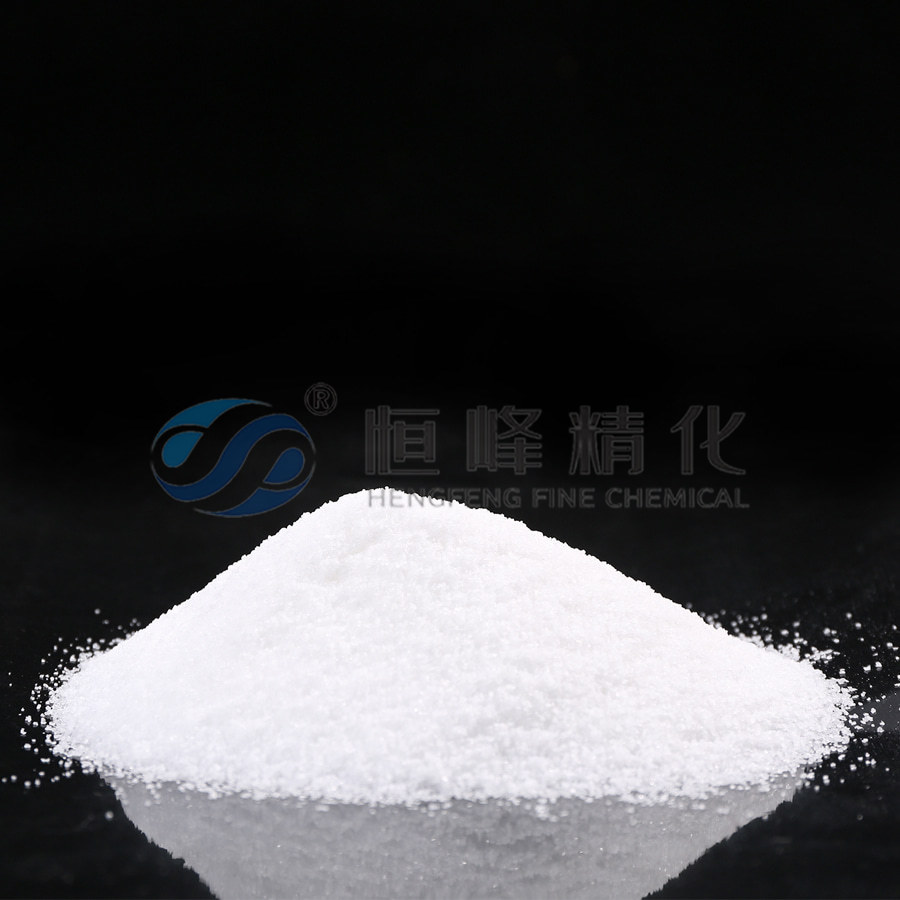
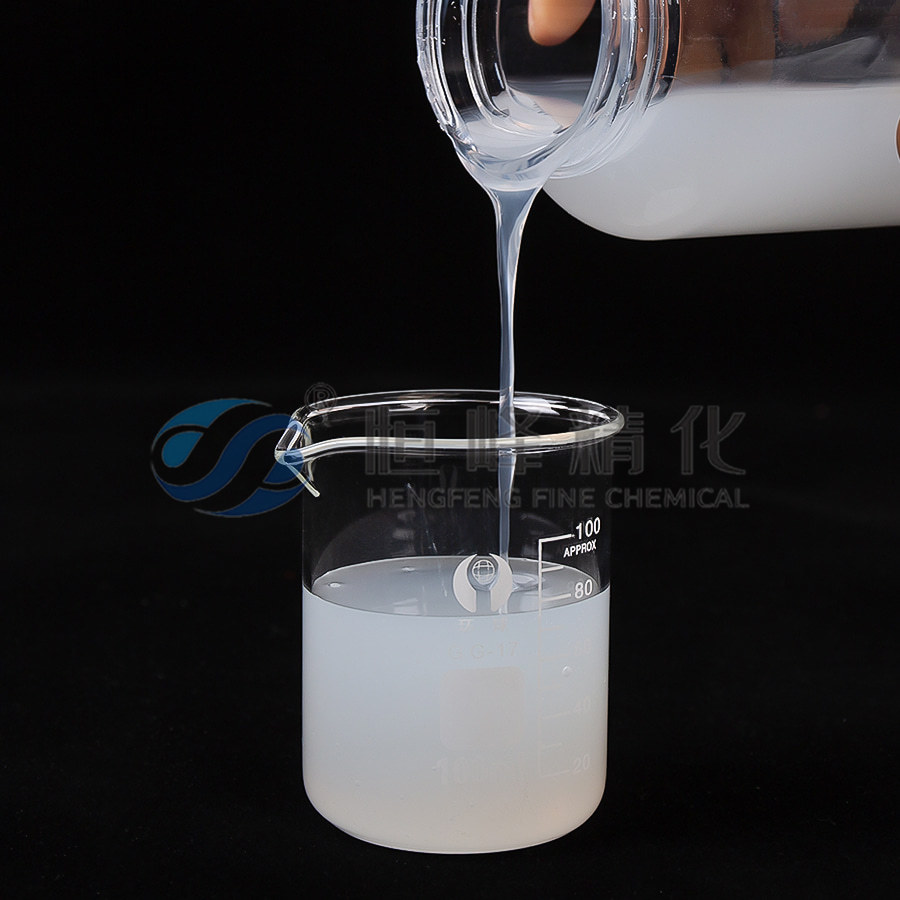
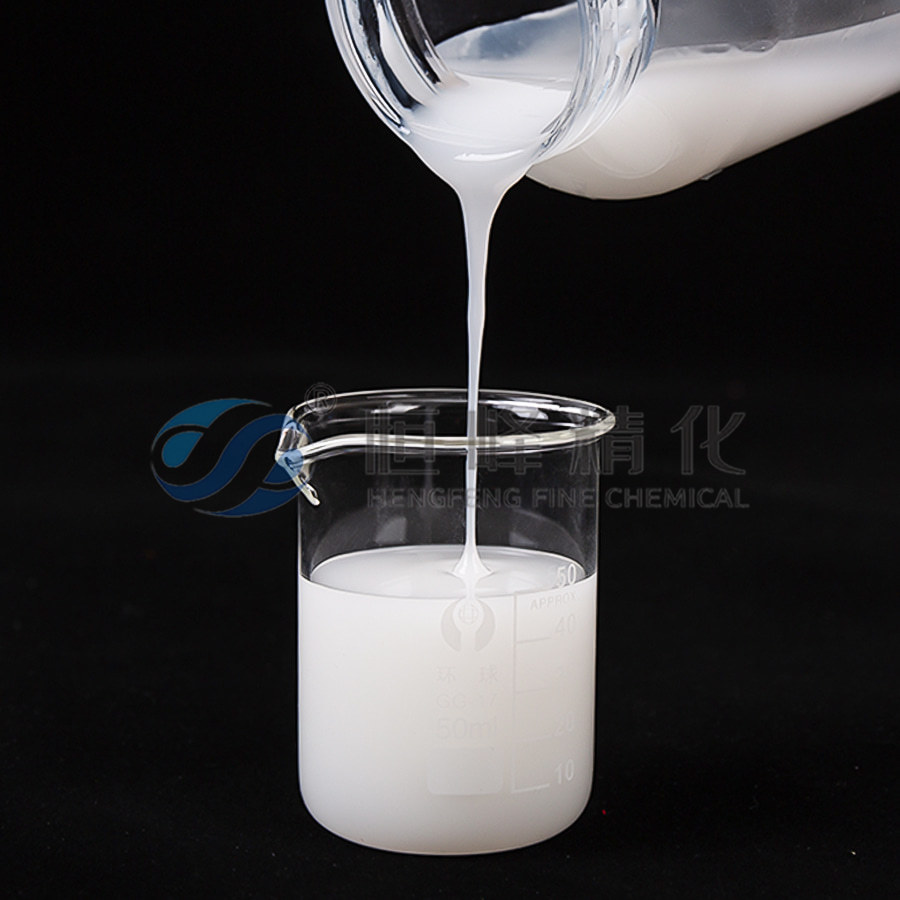
Selecting the right PAM product depends on sludge characteristics. Aerobically digested activated sludge, which has undergone extensive cell lysis, tends to release large amounts of soluble organics that consume cationic charge — higher charge density products perform better here. Anaerobically digested sludge with heavier mineral content often responds well to medium-charge, high-molecular-weight grades. Our cationic polyacrylamide powder for sludge dewatering applications covers the high-MW range suited to centrifuge and belt press operations, while cationic polyacrylamide emulsion designed specifically for urban sewage treatment delivers faster dissolution and better dose control on continuous-feed dewatering equipment.
Beyond dewatering, PAM — particularly anionic grades — is used upstream in the treatment train to support clarifier performance during shock loading events, and in chemical coagulation programs where PAM amplifies coagulant performance. The economics are straightforward: better floc, faster settling, lower effluent turbidity, and tighter control over solids inventory in the biological system. For a detailed look at the cost impact of effective sludge treatment, see our analysis of how sludge dewatering reduces disposal costs and environmental impact.
Even well-designed activated sludge systems encounter operational upsets. Most problems trace back to one of three root causes: microbial imbalance, hydraulic overload, or inadequate aeration control.
Filamentous Bulking: The most common settling problem. Filamentous organisms like Microthrix parvicella or Thiothrix sp. grow in low-DO, low-nutrient, or high-F/M conditions, producing sludge with SVI above 200 mL/g that overflows clarifier weirs. Corrective measures include raising DO setpoints, adding chlorine or hydrogen peroxide to the RAS (selectively killing filaments), adjusting F/M through WAS rate changes, and, in chronic cases, installing a selector tank at the bioreactor inlet to give floc-forming organisms a competitive advantage.
Foaming and Scum: Greyish-brown, stable foam on the aeration tank surface typically indicates Microthrix parvicella or nocardioform actinomycetes. These organisms thrive at long SRTs and low temperatures. White foam with large bubbles is usually a surfactant problem from detergent-rich influent — transient and self-correcting. Biological foam requires SRT reduction and, in severe cases, physical removal or wasting of foam-laden sludge from the system.
Rising Sludge in Clarifiers: When denitrification occurs unintentionally in the clarifier, nitrogen gas bubbles form under the settled sludge blanket and carry flocs to the surface. The fix is to increase RAS pumping rates to reduce clarifier detention time below 1.5 hours, or to add a small recirculation to disrupt the stagnant sludge layer.
Effluent Turbidity and Pin Floc: Very small, non-settling floc particles ("pin floc") in the effluent usually result from excessive WAS rates producing a very young sludge age, from nutrient deficiency, or from toxic influent that kills floc-forming bacteria. Increase SRT, check influent for inhibitory compounds, and verify nitrogen and phosphorus are present at the commonly used BOD:N:P ratio of 100:5:1.
Systematic monitoring — daily MLSS, SVI, DO profiles, and weekly microscopic examination of sludge morphology — remains the most cost-effective way to catch problems before they escalate into permit violations. Many modern plants supplement grab sampling with online sensors for DO, turbidity, and ammonium that enable real-time process adjustments.

daisy@jshfpam.com

+86-13951412113

No. 35 Hairun Road, Yangkou Town, Rudong, Nantong City, Jiangsu Province, P.R.China
RBRH 01, Jl. Ruko Boston, Salembaran, Kec. Kosambi, Kabupaten Tangerang, Banten 15214,Indonesia.
(PT. Hengfeng Fine Chemical Indonesia)