
 English
 Español
 عربى
عربى
Jiangsu Hengfeng Fine Chemical Co., Ltd.

Content
The typhoon warning went out 36 hours before landfall, and the plant's emergency protocol kicked in the way it always does: extra staff scheduled for the overnight shift, backup coagulant drums pulled from storage, and the raw water intake put under closer watch than usual. Nobody on site expected a quiet night, but nobody was expecting what actually showed up in the intake channel either.
Heavy rainfall upstream had already been running for six hours by the time the storm's outer bands reached the watershed. Runoff carried loosened soil, organic debris, and sediment straight into the river that fed the plant's intake. Raw water turbidity, which normally sat somewhere between 20 and 50 NTU, started climbing before the worst of the rain even arrived.
After a chaotic overnight scramble, raw water turbidity had crossed 3,000 NTU. That's not a gradual drift a dosing curve can absorb — it's a different water source, chemically speaking. The particle load was denser, the organic content higher, and the coagulant demand nothing like what the standard operating dose was calibrated for.
Operators bumped the coagulant feed up manually, watching settled water turbidity in the clarifier as their main feedback signal. But the plant's normal dosing curve, built around years of typical seasonal variation, simply had no reference point for water this loaded. Overdosing risked wasting chemical and destabilizing floc; underdosing meant turbidity breaking through into the filters.
There are two things working against a plant in this situation, and both are well documented in storm-response case studies. First is the detection lag: turbidity meters downstream of dosing only reflect what happened several minutes to an hour earlier, so by the time an operator sees a problem, the water causing it has already moved through half the treatment train. Second is the shift in raw water chemistry itself — storm runoff carries a surge of natural organic matter alongside the sediment, and that organic load competes with turbidity particles for the same coagulant.
A widely cited case from a surface water plant in the United States illustrates exactly this failure mode. After a severe winter storm, researchers traced a three-day plant shutdown back to elevated organic matter in the runoff overwhelming the standard coagulant dose, not the turbidity spike alone. The lesson carries over directly to typhoon-driven events: dosing has to respond to both particle load and organic content, not turbidity readings by themselves. This is part of why getting the coagulation step right before flocculation even begins matters more during a storm than at any other time of year.
The plant's response leaned on a two-stage strategy rather than pushing a single chemical harder. Polyaluminum chloride went in first, at a significantly increased dose, to neutralize the surge of charged particles and organic matter quickly. Right behind it came an anionic polyacrylamide, dosed to bridge the smaller flocs the PAC alone was producing into larger, faster-settling aggregates.
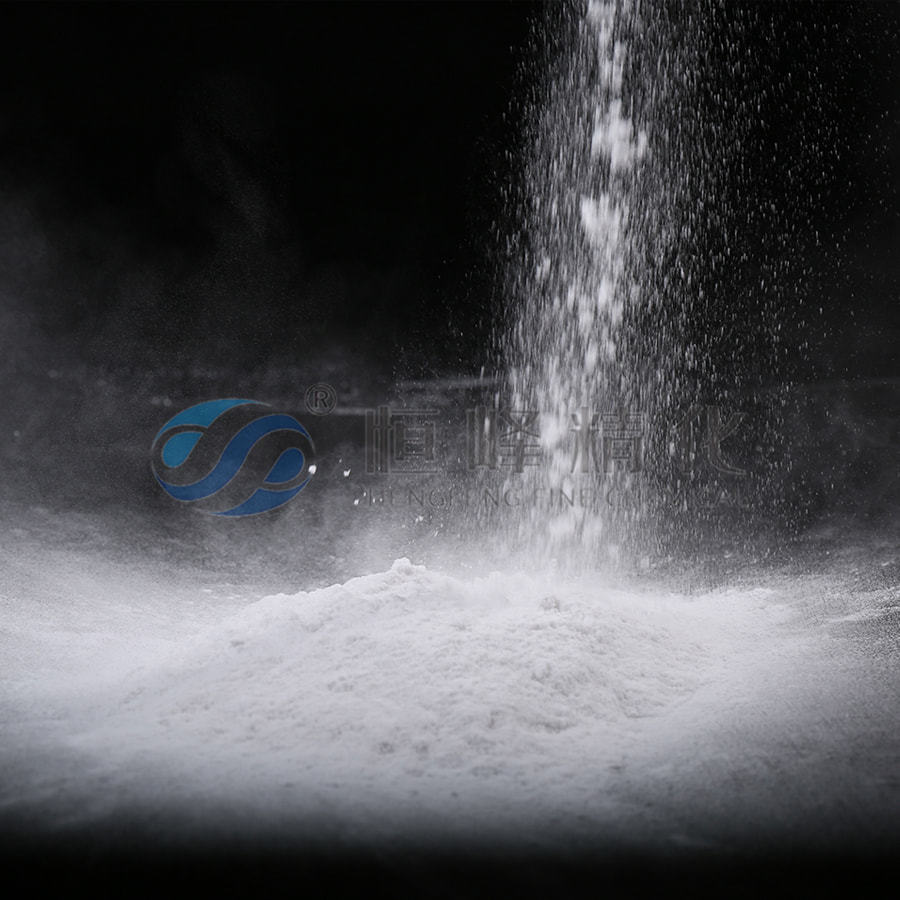
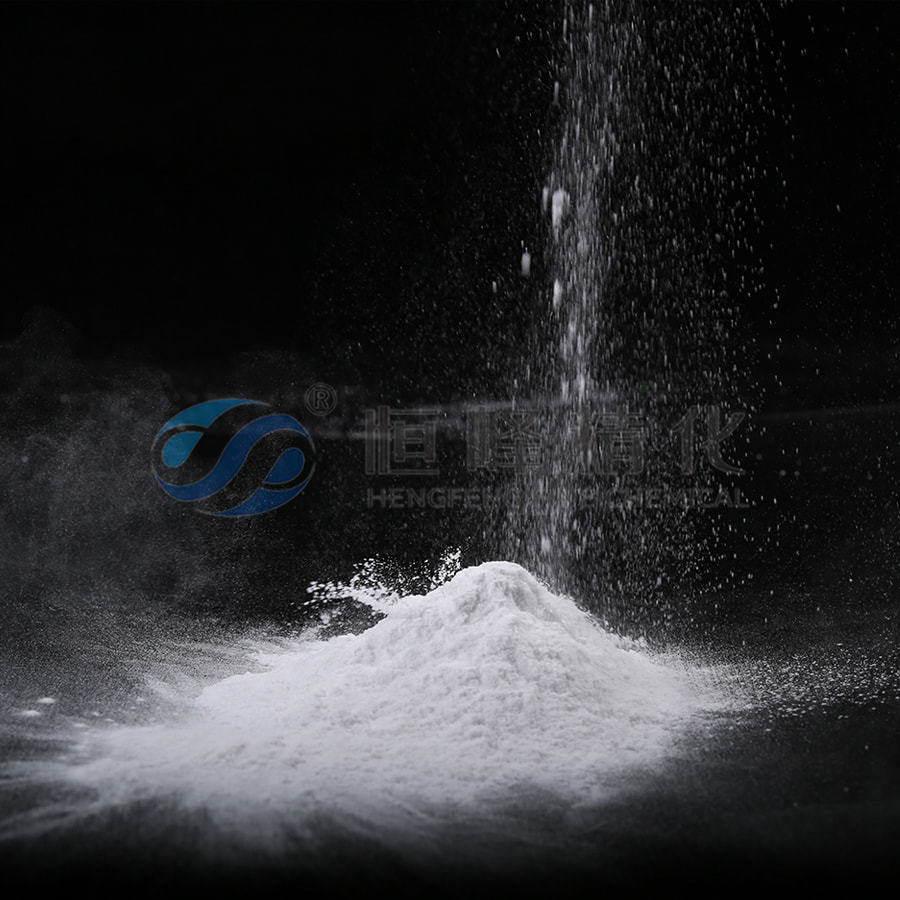
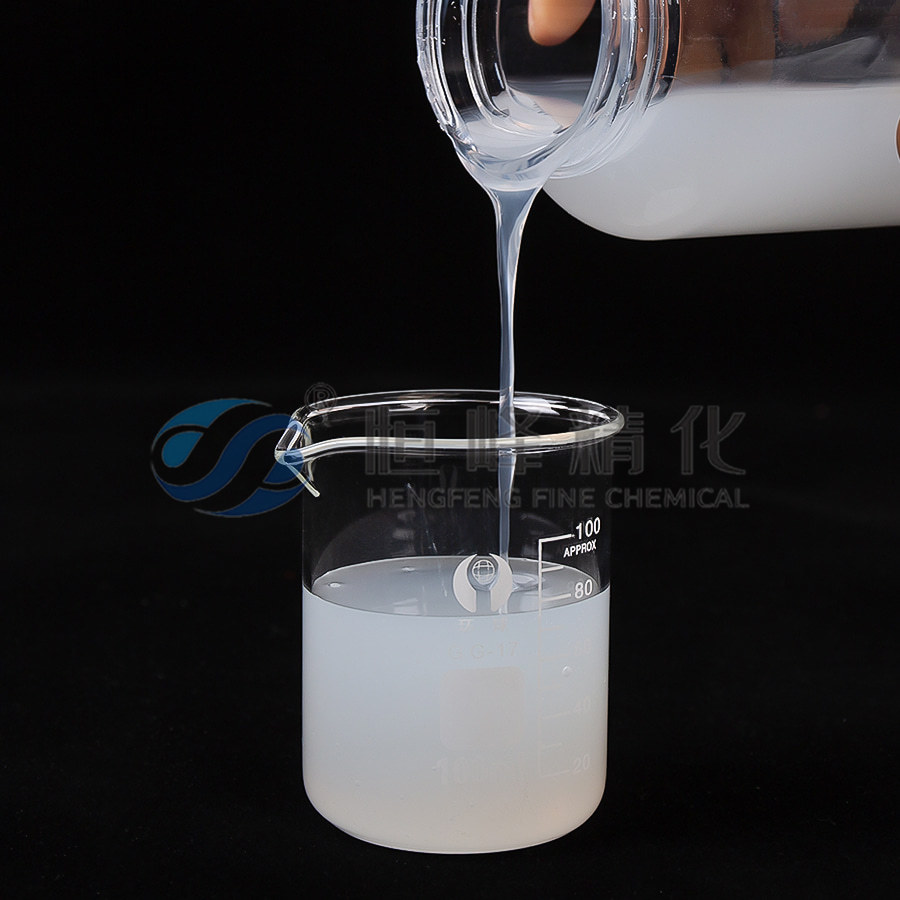
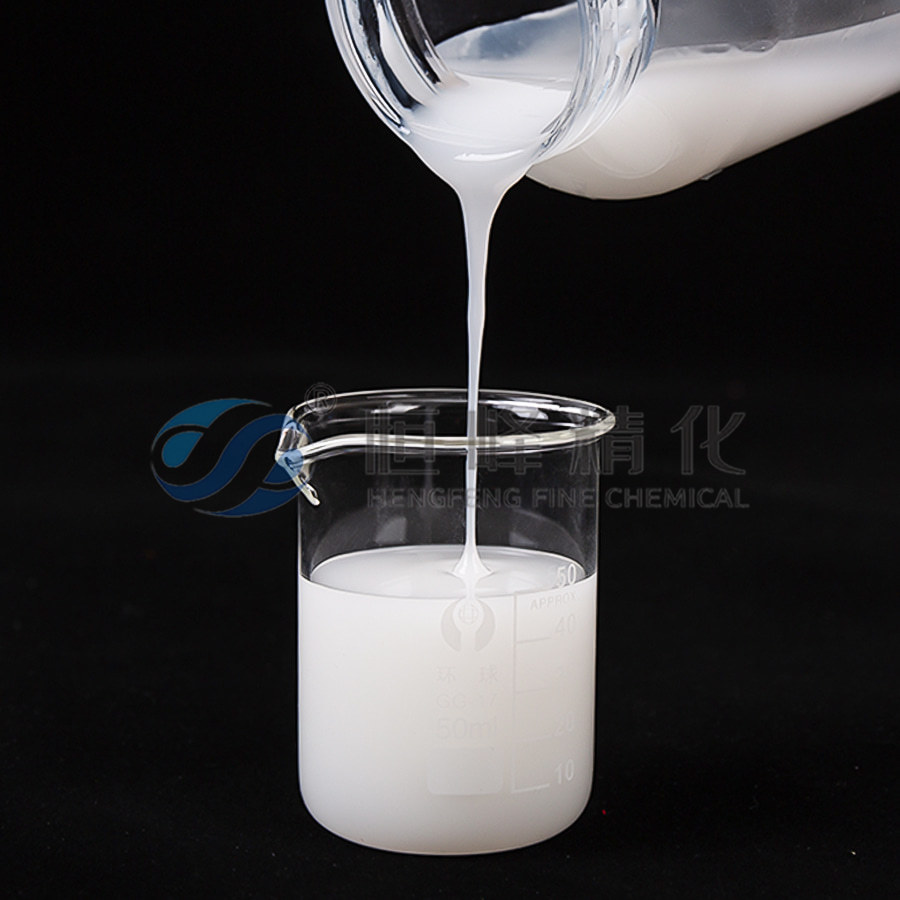
This pairing matters because PAC and PAM solve different parts of the same problem. PAC handles the raw charge neutralization efficiently even as particle load swings wildly, while the flocculation boost polyacrylamide adds on top of PAC is what actually gets the resulting floc heavy enough to settle out before it reaches the filters. In this case, the plant used an anionic polyacrylamide emulsion formulated for fast dispersion and quick floc growth, chosen specifically because emulsion grades dissolve faster than powder under the kind of urgent, high-volume dosing a storm response demands. Where cationic demand shifted with pH swings later in the event, operators also kept a cationic polyacrylamide powder on standby as a backup option.
Dosing wasn't static through the event. As turbidity climbed past 3,000 NTU and organic load with it, the coagulant-to-flocculant ratio was adjusted roughly every two hours based on jar tests run in parallel with live operations — a slower feedback loop than anyone wanted, but faster than waiting for the automated dosing curve to catch up on its own.
Settled water turbidity stayed within compliance range through the peak of the event, and the plant never had to shut the intake down. That outcome came at a cost: total coagulant and polymer consumption for the 48-hour window ran several times above a normal week, and sludge production spiked hard enough that the dewatering system ran at capacity for nearly a week afterward.
The bigger shift was procedural. The plant's fixed dosing curve, built for seasonal variation, got flagged as inadequate for genuine storm events. Post-event review recommended building a separate high-turbidity dosing protocol rather than relying on manual adjustment under pressure next time.
Storms like this aren't rare anymore in most watersheds, and the plants that come through them cleanly tend to share a few habits in common:
None of this prevents the next typhoon from sending turbidity through the roof. What it does is turn a chaotic overnight scramble into a rehearsed response — which, as this plant found out, is the actual difference between a shutdown and a stressful but uneventful shift.

daisy@jshfpam.com

+86-13951412113

No. 35 Hairun Road, Yangkou Town, Rudong, Nantong City, Jiangsu Province, P.R.China
RBRH 01, Jl. Ruko Boston, Salembaran, Kec. Kosambi, Kabupaten Tangerang, Banten 15214,Indonesia.
(PT. Hengfeng Fine Chemical Indonesia)