
 English
 Español
 عربى
عربى
Jiangsu Hengfeng Fine Chemical Co., Ltd.

Content
Three quotations, one spreadsheet, one clear winner. That's how a mid-sized industrial wastewater plant picked its polyacrylamide supplier last year. The winning quote came in about 18% below the other two on a per-kilogram basis, and on a purchasing scorecard built around unit price, that gap was hard to argue with.
The procurement team wasn't being careless. They compared certificates of analysis, checked ionic type and molecular weight ranges on paper, and confirmed the supplier could deliver on schedule. What they didn't do — because almost no one does at the quotation stage — was run a side-by-side jar test to see how much of the product they'd actually need to hit the same treated-water target.
The first sign wasn't a failure. It was a dosing pump running closer to its upper limit than anyone remembered it running before. Operators nudged the setpoint up in small increments, the way you do when turbidity readings drift and you assume it's the raw water, not the chemical.
By week three, the dose had climbed roughly 40% above the historical baseline for that intake water, and effluent turbidity was still bouncing between acceptable and borderline. Floc size was visibly smaller under the microscope — looser, slower to settle, easier to break apart in the rapid-mix zone. None of this triggered an emergency. It just meant the plant was quietly burning through more product than the budget assumed.
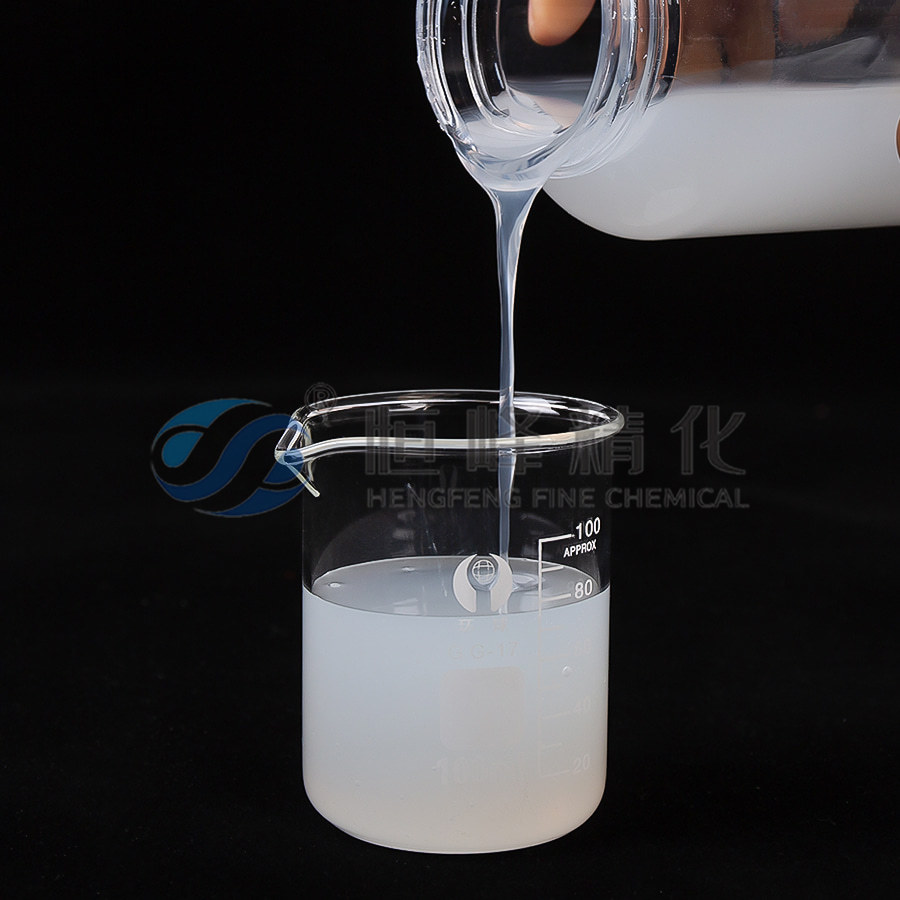
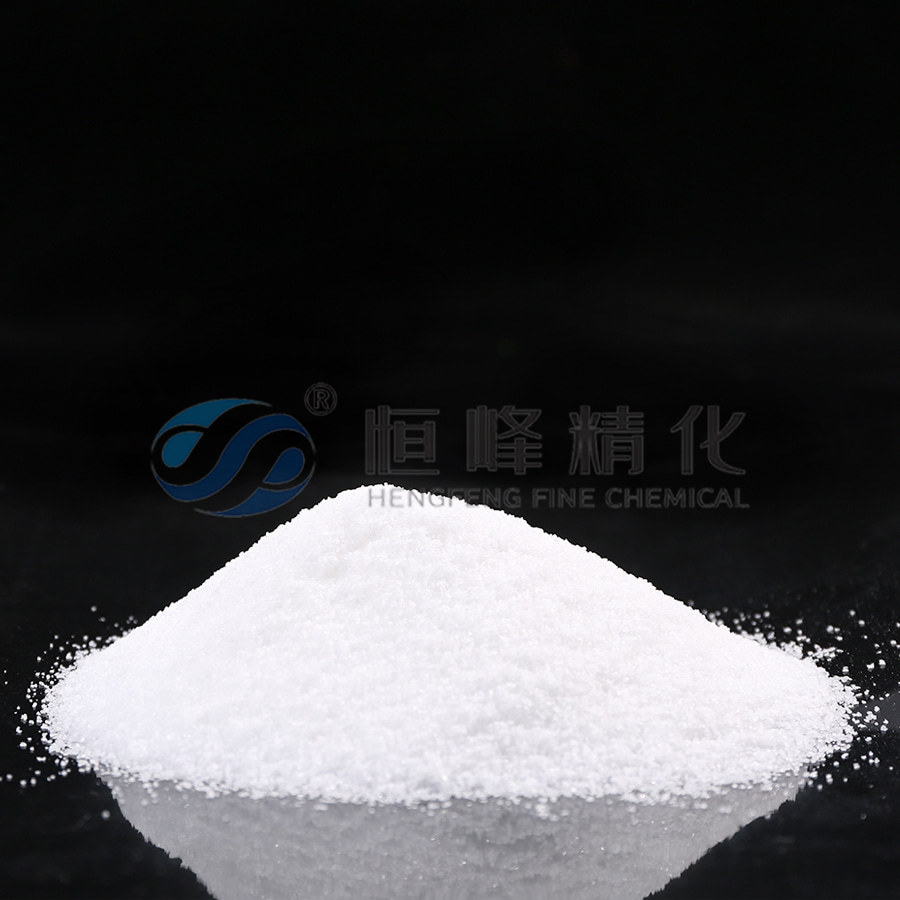
Here's the mechanism, and it's simple once you see it: polyacrylamide products are not sold at 100% active polymer. Powder grades typically carry some moisture and residual salts from the polymerization process; emulsion grades are built on an oil-water carrier system where active polymer might make up anywhere from roughly 25% to 40% of the drum, depending on formulation. A supplier competing purely on price per kilogram has an easy lever to pull — dilute the active content, keep the label looking similar, and let the buyer discover the difference at the dosing pump.
A product with a lower effective molecular weight or a diluted active fraction simply needs more grams per cubic meter to build the same floc strength. In this case, lab retesting later showed the discount supplier's product needed roughly 2.5 times the dose of the plant's previous polymer to reach equivalent settled turbidity. At that ratio, an 18% unit-price discount turns into a real-world cost increase, not a saving. This is exactly why choosing and dosing the right ionic type and charge density matters more than the invoice total.
There's also a regulatory dimension buyers tend to overlook. Every batch of polyacrylamide contains some unreacted acrylamide monomer, and U.S. drinking water regulations tie the allowable monomer level directly to the dose applied, capping the product of dose and residual monomer content. Push the dose up 2.5 times to compensate for weak polymer, and you can inadvertently push monomer exposure up with it — a compliance risk nobody priced into that original spreadsheet.
Higher dosing doesn't stop at the chemical line item. More polymer going into the water means more floc mass coming out of it, and that shows up as increased sludge volume — in this plant's case, close to 30% more cake to dewater and haul off site each month. Filters clogged faster. The dosing pump, running near its ceiling for weeks at a time, needed an unscheduled diaphragm replacement that wasn't in anyone's maintenance plan.
| Cost Category | Prior Supplier | Discount Supplier |
|---|---|---|
| Polymer unit price | Baseline | 18% lower |
| Effective dose required | Baseline | ~2.5x higher |
| Sludge cake volume | Baseline | ~30% higher |
| Unplanned maintenance | None recorded | One pump repair, one filter clean-out |
None of these were dramatic on their own. Stacked together over several months, they were the difference between a chemical program that ran quietly in the background and one that kept generating small, expensive surprises.
When the plant finally ran the numbers — actual consumption, actual sludge disposal invoices, actual maintenance hours — the picture looked nothing like the original quotation comparison. Total treatment cost per cubic meter came in roughly 22% higher with the discount polymer than it had been with the previous supplier, once dosing, disposal, and downtime were all counted.
That gap is the part a per-kilogram quote will never show you. It only becomes visible when someone tracks cost per unit of water treated, over enough time for the dosing creep, the sludge tonnage, and the maintenance calls to accumulate into a pattern instead of looking like isolated incidents.
The fix isn't complicated, but it does mean changing what gets compared before a purchase order goes out.
For buyers sourcing internationally, it's also worth reviewing what to verify before importing polyacrylamide from an overseas factory, since quality consistency is harder to audit across a longer supply chain. A manufacturer that documents its production standards and quality assurance process gives you something to check against — a discount supplier with no such documentation usually gives you nothing but a lower number on page one of the quote.
If dosing keeps drifting upward on your current product, it's worth working through a structured troubleshooting checklist before assuming the raw water changed. Sometimes it did. Sometimes it's the polymer. And browsing a full range of water treatment polyacrylamide grades against your actual dosing data is a faster way to find out than waiting another six months to see the invoice total.

daisy@jshfpam.com

+86-13951412113

No. 35 Hairun Road, Yangkou Town, Rudong, Nantong City, Jiangsu Province, P.R.China
RBRH 01, Jl. Ruko Boston, Salembaran, Kec. Kosambi, Kabupaten Tangerang, Banten 15214,Indonesia.
(PT. Hengfeng Fine Chemical Indonesia)