
 English
 Español
 عربى
عربى Français
 Русский
 Tiếng Việt
Preliminary Suggestions
| Typical indicators / objective observations | Likely direct causes | Low-cost actions to try first | When you should introduce / re-select PAM | Why PAM is recommended here |
|---|---|---|---|---|
| Slow flowback and poor cleanup | High interfacial tension; incompatible surfactant balance; residue retention | Verify additive package and water chemistry; run bottle tests for separation | When near-wellbore cleanup is limiting performance | Cleanup additives reduce IFT and improve wettability for faster cleanup |
| Persistent emulsions or slow separation | Surfactant incompatibility; phase behavior issues; salinity mismatch | Adjust surfactant balance; validate in representative brine and crude/condensate | When stable separation and cleanup are required | Compatibility-first selection improves phase behavior and reduces emulsion persistence |
| Variability between stages/wells | Water quality variability; inconsistent mixing; additive interactions | Standardize mixing SOP; control water source; validate compatibility | When repeatable results are required across operations | Validated selection reduces sensitivity to variability |
Applicability boundary: Applicable for cleanup improvement in multi-additive systems. If flowback limitations are dominated by mechanical constraints (restriction, damage unrelated to fluids), address those factors as well.
Selection guidance: how to choose the right polymer program for this oilfield scenario
Molecular weight (MW): performance strength vs. shear sensitivity
MW influences friction reduction, viscosity build, and overall fluid behavior. Higher MW can strengthen performance but can be more shear-sensitive. Select MW based on pump rate, shear environment, and your blending constraints.
Ionicity and compatibility: brines, additives, and formation minerals
Ionic type affects compatibility with salts, surfactants, breakers, and formation minerals (especially clays). A compatibility-first approach reduces precipitation risk, residue risk, and performance loss.
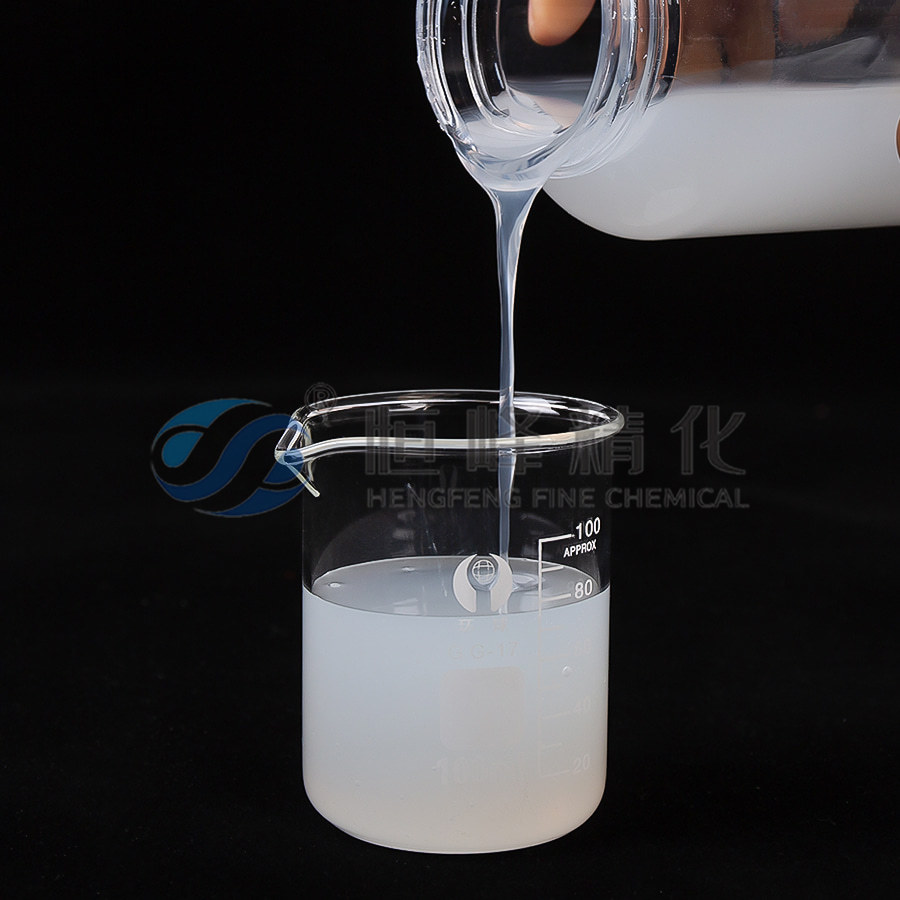
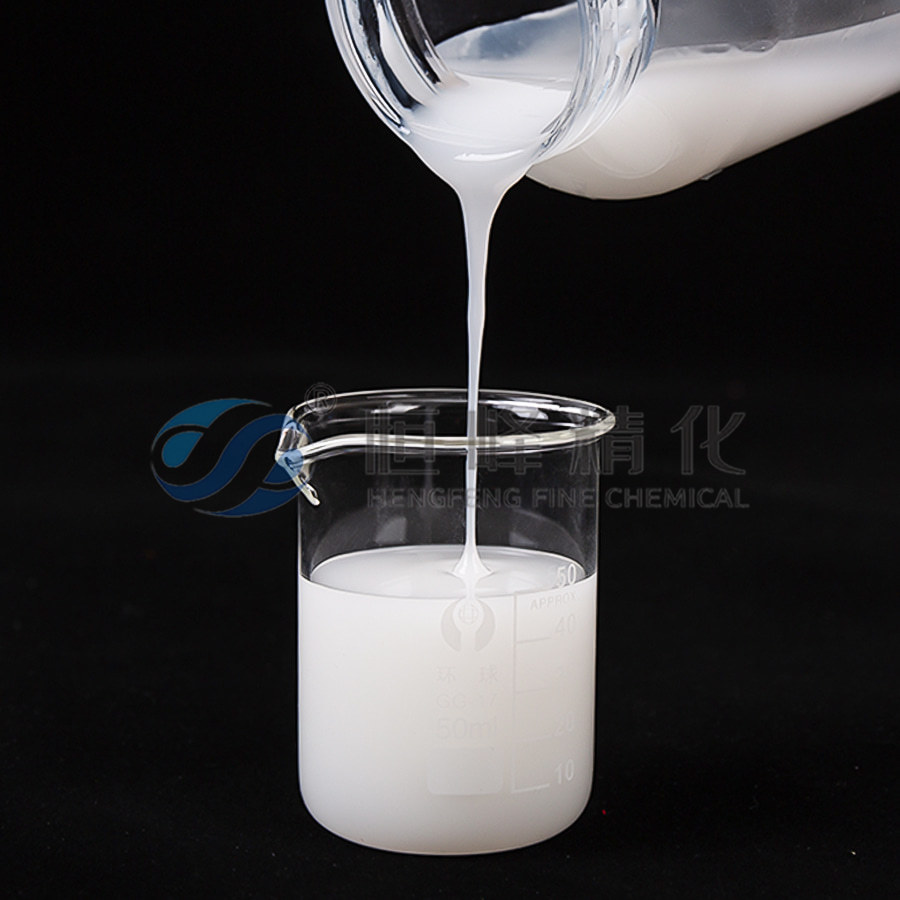
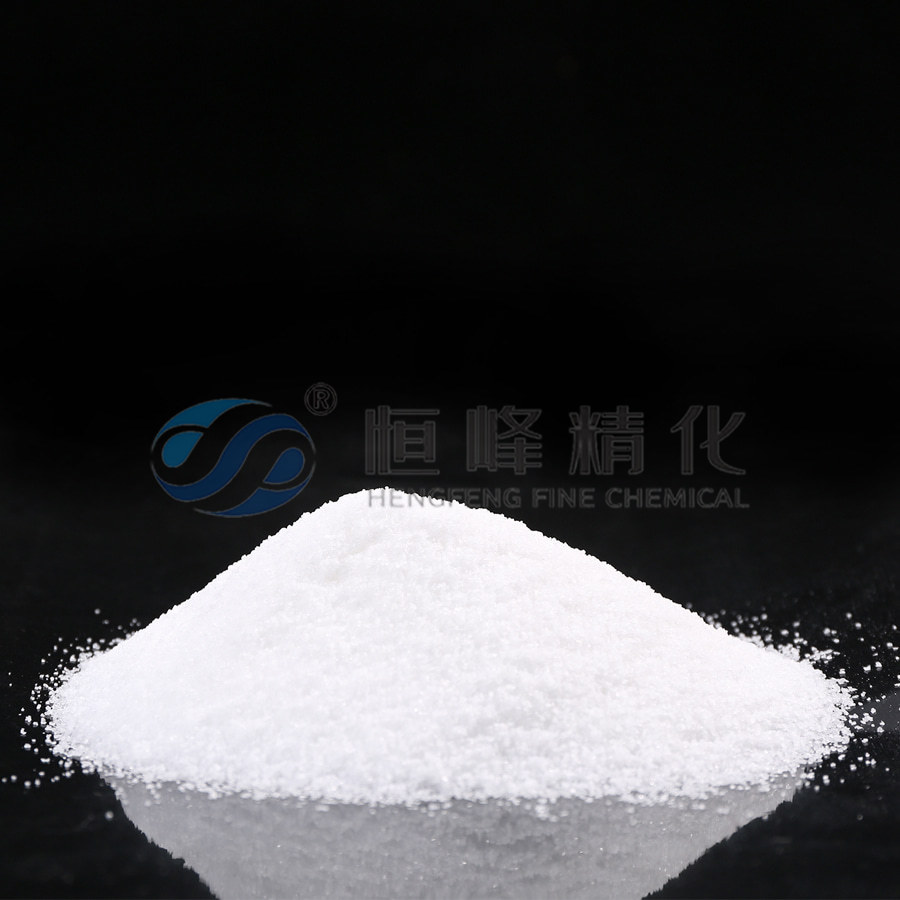
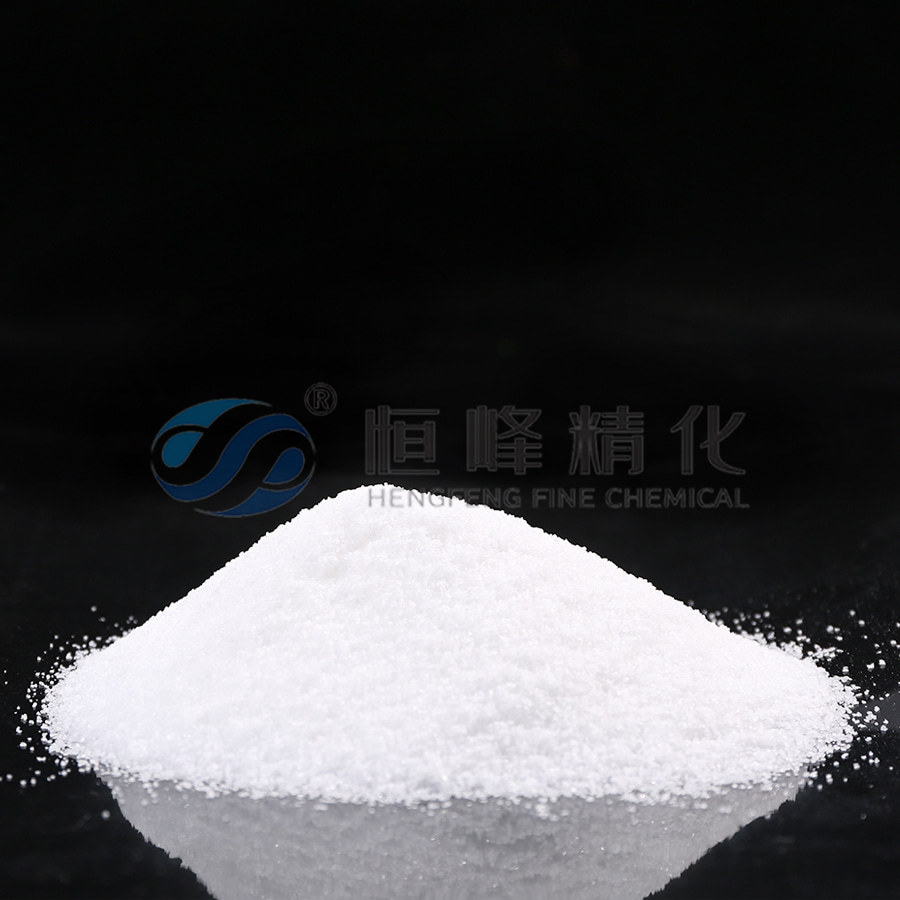
Emulsion vs powder: hydration speed and operational tempo
Powder requires disciplined hydration and sufficient mixing time; emulsion is often used when faster hydration and rapid response are needed. Choose based on blending equipment, water quality, and the operational tempo on location.
Multi-additive systems: validate the full fluid, not a single component
Oilfield fluids are multi-additive systems. Selection should be validated through controlled compatibility and performance tests at representative salinity and temperature.
Initial recommendation
Starting point: Start with a cleanup additive selection validated by compatibility and bottle tests under representative salinity and temperature. Tune dosage to reach practical separation and wettability targets without destabilizing the full fluid system.
Contact us for a precise grade recommendation
A precise recommendation requires your operating parameters. Please submit the form and include the items below (ranges/estimates are acceptable). We also welcome complex or rare cases.
- Representative brine composition and temperature: Determines phase behavior and separation performance.
- Crude/condensate characteristics (if relevant): Affects emulsion tendency and cleanup requirements.
- Full additive package: Prevents incompatibility and unexpected separation issues.
- Target KPI (separation time, cleanup, flowback efficiency): Defines acceptance criteria for selection.
- Mixing constraints and operational tempo: Ensures the program is practical on location.
- Problem repeat probability: Guides robustness requirements for consistent performance.
What you will receive: recommended type/form, 2–3 candidate grade windows, an initial dosage guidance for a controlled field trial, and step-by-step mixing/compatibility test suggestions.