
 English
 Español
 عربى
عربى Français
 Русский
 Tiếng Việt




Preliminary Suggestions
| Typical indicators / objective observations | Likely direct causes | Low-cost actions to try first | When you should introduce / re-select PAM | Why PAM is recommended here |
|---|---|---|---|---|
| Slow drainage; higher press load; wet web instability | Soft flocs; wrong MW/charge window; insufficient drainage aid effect | Stabilize charge control; verify addition point after pressure screen; tighten dosing discipline | When mechanical tuning cannot restore drainage stability | PAM aids retention and can improve drainage by forming drainable, controlled flocs |
| Formation issues after improving retention | Overflocculation; floc size too large for shear environment | Reduce dose; shift to a more appropriate MW/charge window | When you must keep formation while improving capture | Correct selection stabilizes floc size distribution under real shear |
| Frequent breaks tied to wet-end variability | Chemistry swings; deposit/stickies interactions; inconsistent make-down | Normalize furnish changes; review additive sequence; standardize solution prep | When variability is persistent and impacts uptime | A robust PAM window reduces variability sensitivity and stabilizes operation |
Applicability boundary: Applicable when wet-end chemistry and controlled flocculation are key levers. If drainage limitations are caused mainly by wire/press mechanical issues, vacuum system faults, or hardware wear, fix mechanical constraints first.
Selection guidance: how to choose the right PAM for this papermaking scenario
Molecular weight (MW): retention strength vs. formation risk
Higher MW can increase bridging and retention of fines/fillers, but excessive floc size may harm formation and sheet uniformity. The best MW window depends on machine shear in approach flow and your target balance (retention vs. formation vs. drainage).
Charge density (cationicity): wet-end is a charge-controlled system
Charge density governs how PAM interacts with negatively charged fibers, fines, and fillers. Too low may underperform; too high or overdosing may create soft flocs, deposit tendency, or drainage swings. A practical program keeps the system in a stable charge window.
Cationic vs anionic vs nonionic: selecting the ionic type
For wet-end retention and drainage improvement, cationic PAM is commonly used as a retention/filter aid. Anionic or nonionic grades may be relevant in specific sub-systems (for example, certain coating or dispersion control tasks) depending on the chemistry regime.
Emulsion vs powder: choosing by control and response speed
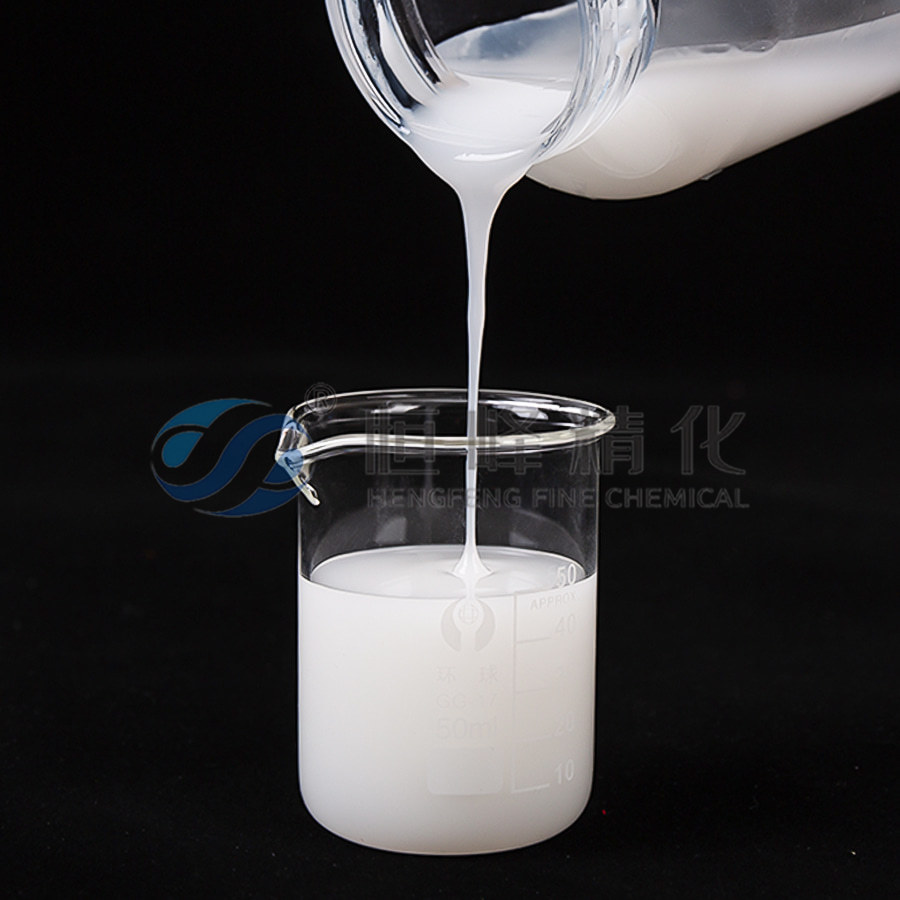
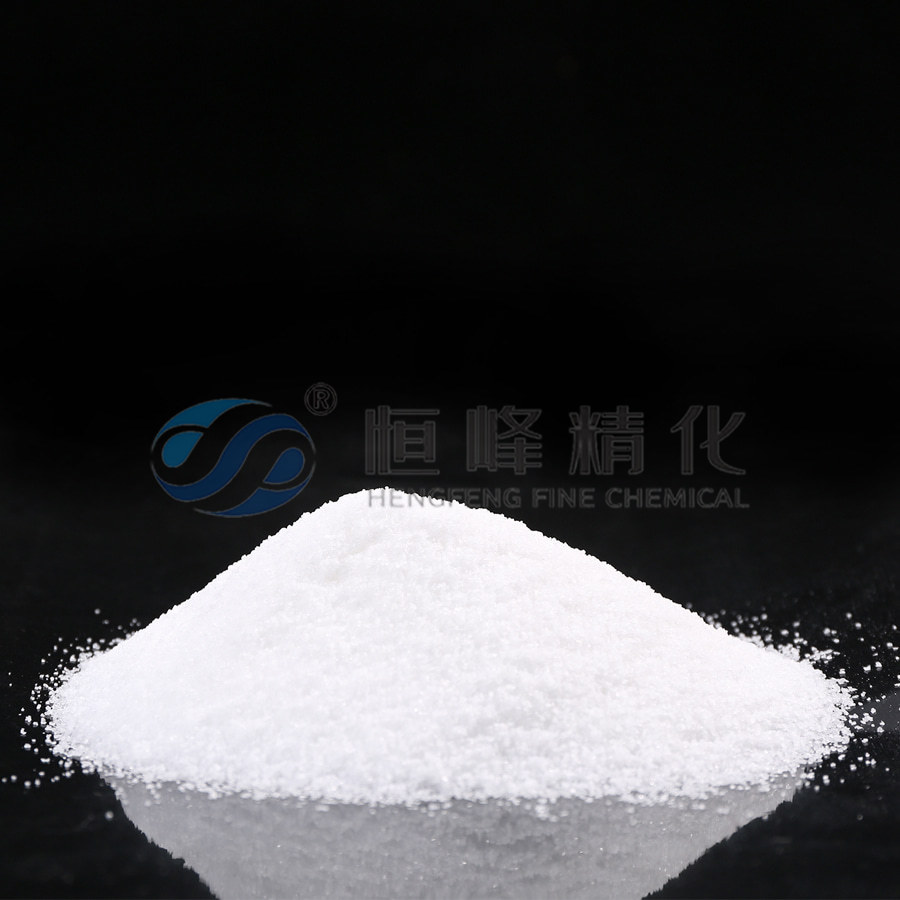
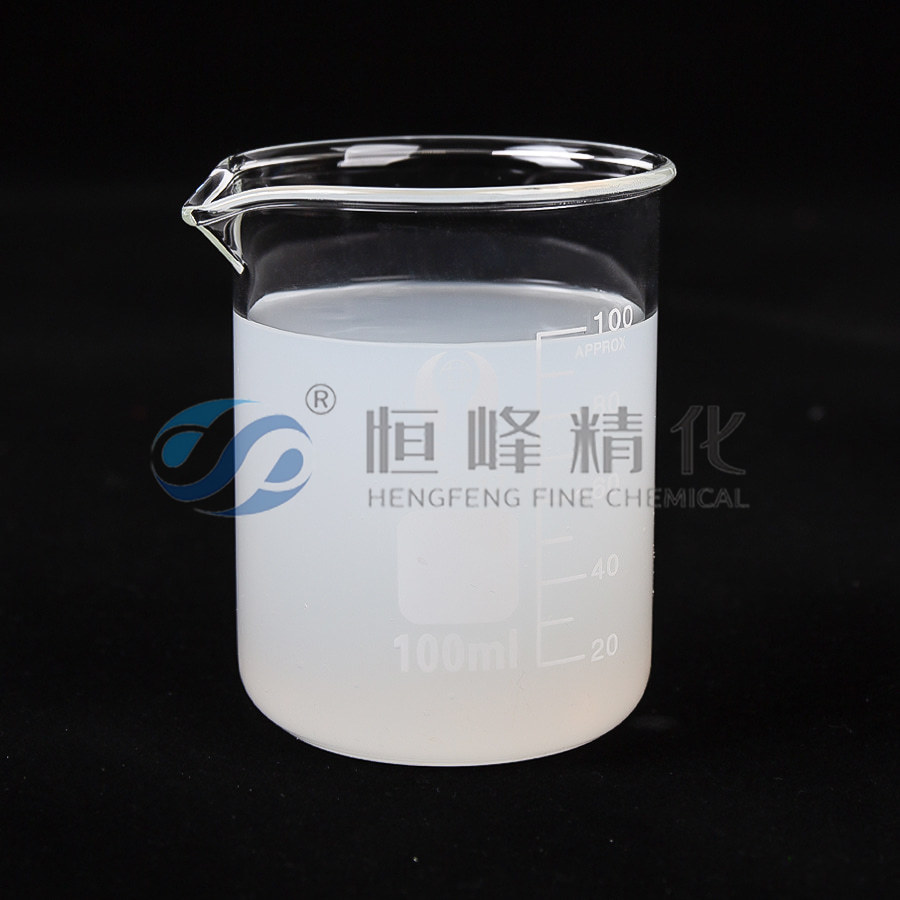
Powder grades can be economical for stable operations with disciplined solution preparation. Emulsion grades can be preferred when fast response and more automated dosing are required. Choose based on your make-down capability, staffing, and control needs.
Initial recommendation
Starting point: Use a cationic retention/drainage baseline and tune for your machine shear: prioritize controlled floc size (formation) while improving capture and drainage. Validate with a short on-machine trial using stable sampling and control logic.
Contact us for a precise grade recommendation
A precise recommendation requires real wet-end data. Please submit the form and include the items below (ranges/estimates are acceptable if exact values are unavailable). We also welcome complex or rare cases.
- Machine speed and shear-sensitive locations: Determines how fragile flocs will behave in approach flow and headbox.
- Drainage KPI (vacuum demand, press load, dryness): Defines whether the program should emphasize drainage improvement.
- Formation KPI and defect pattern: Prevents improving retention at the expense of sheet uniformity.
- Wet-end charge demand indicators (if available): Improves repeatability of the charge window during trials.
- Additive sequence and broke usage: Common sources of variability and drift in response.
- Problem repeat probability: Determines required robustness across grade changes.
What you will receive: recommended PAM type/form, 2–3 candidate grade windows, an initial dosing range for a controlled trial, and step-by-step guidance for a practical machine-side validation.