
 English
 Español
 عربى
عربى Français
 Русский
 Tiếng Việt



Preliminary Suggestions
| Common indicators or objective signs | Most likely direct causes | What you can try first | When to add PAM | Why PAM is recommended |
|---|---|---|---|---|
| Persistent color after clarification | Dissolved organics; insufficient sweep; wrong sequence | Optimize PAC dose and pH; confirm mixing/contact time | When color compliance or downstream sensitivity is not met | PAM strengthens flocs and stabilizes separation of coagulated organics |
| Slow settling / unstable blanket | Weak flocs; coagulant overfeed; poor polymer dispersion | Standardize jar test; adjust dosing point; protect flocs from shear | When clarifier cannot hold both color and turbidity targets | Bridging increases floc size and settling rate |
| High cost with variable results | Water quality variability; grade mismatch | Run jar tests across representative conditions | When stability matters more than minimum dose | Correct grade window reduces sensitivity |
Applicability boundary: Best when PAC destabilizes organics and PAM strengthens flocs for stable separation. If color is mainly non-coagulable, confirm feasibility first.
Selection guidance for PAC and PAM decolorization and clarification
Color vs turbidity
Color can be dissolved organics; turbidity is suspended solids. PAM usually strengthens separation rather than replacing coagulation.
Charge density with PAC
Compatible charge helps polymer bind PAC sweep flocs instead of dispersing them.
Molecular weight (MW)
MW controls floc size and settling; choose a window that is strong yet not overly shear-sensitive.
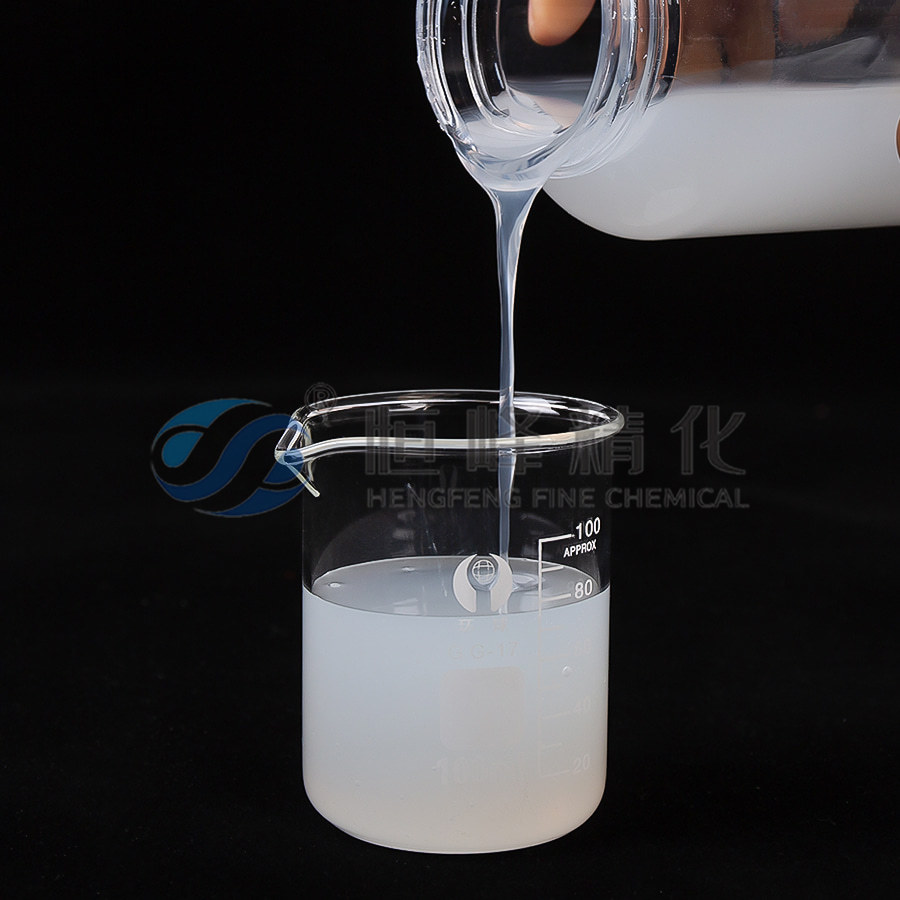
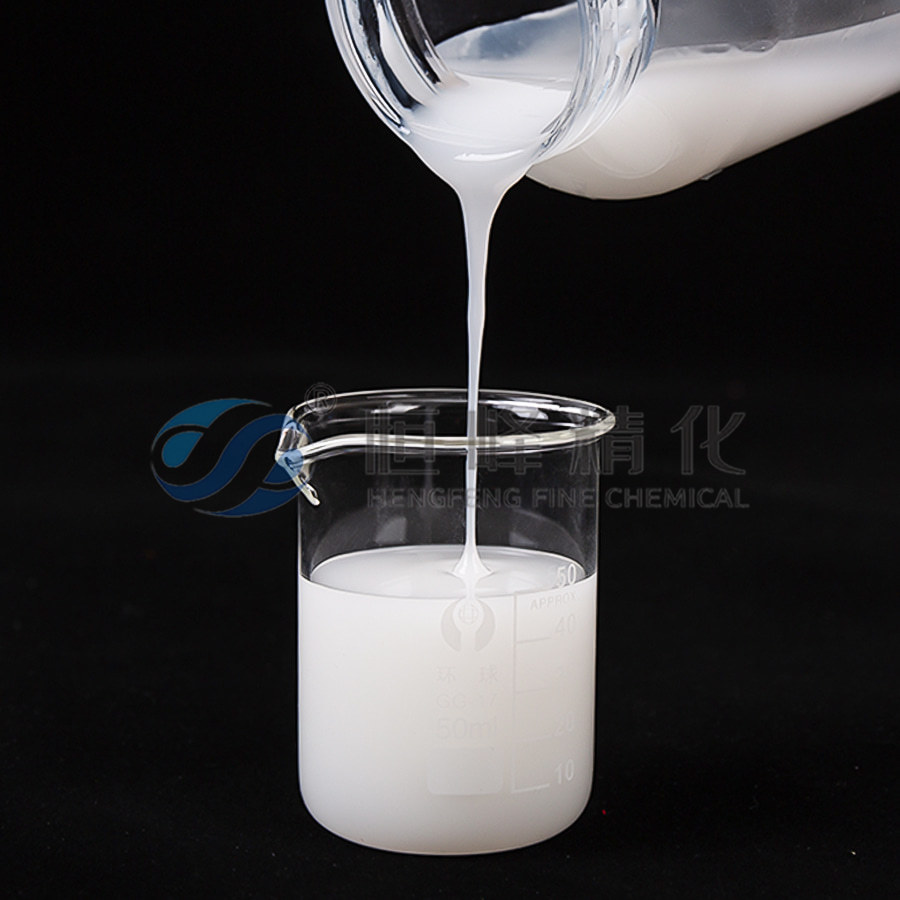
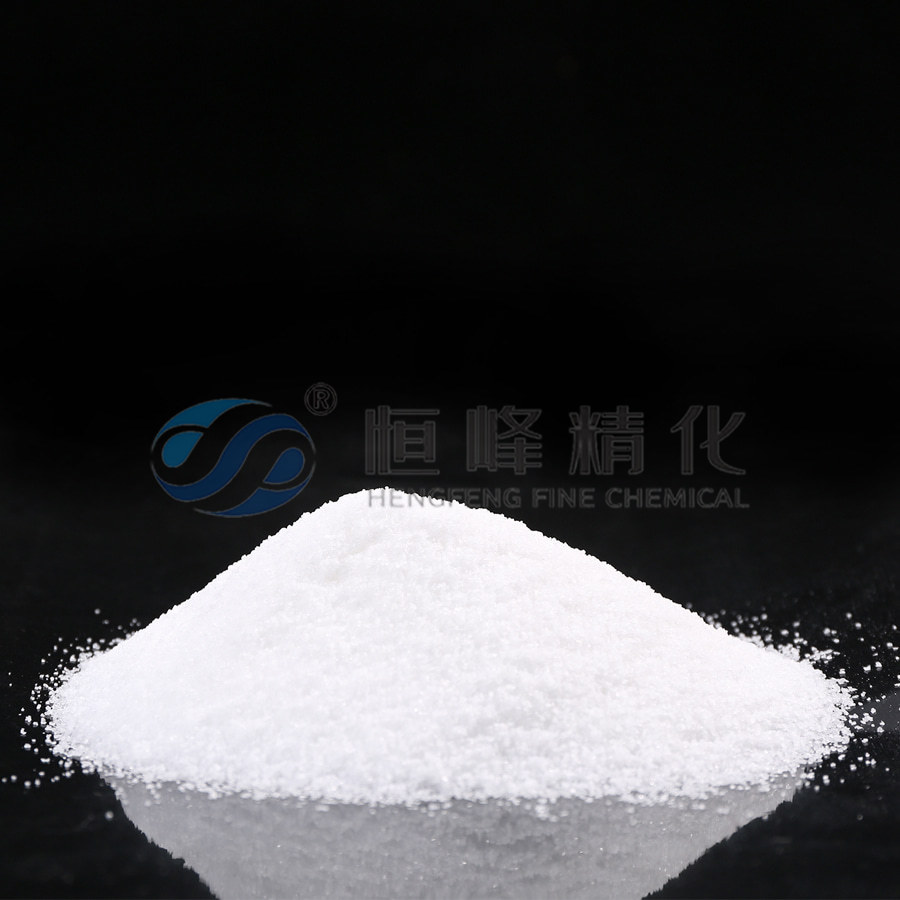
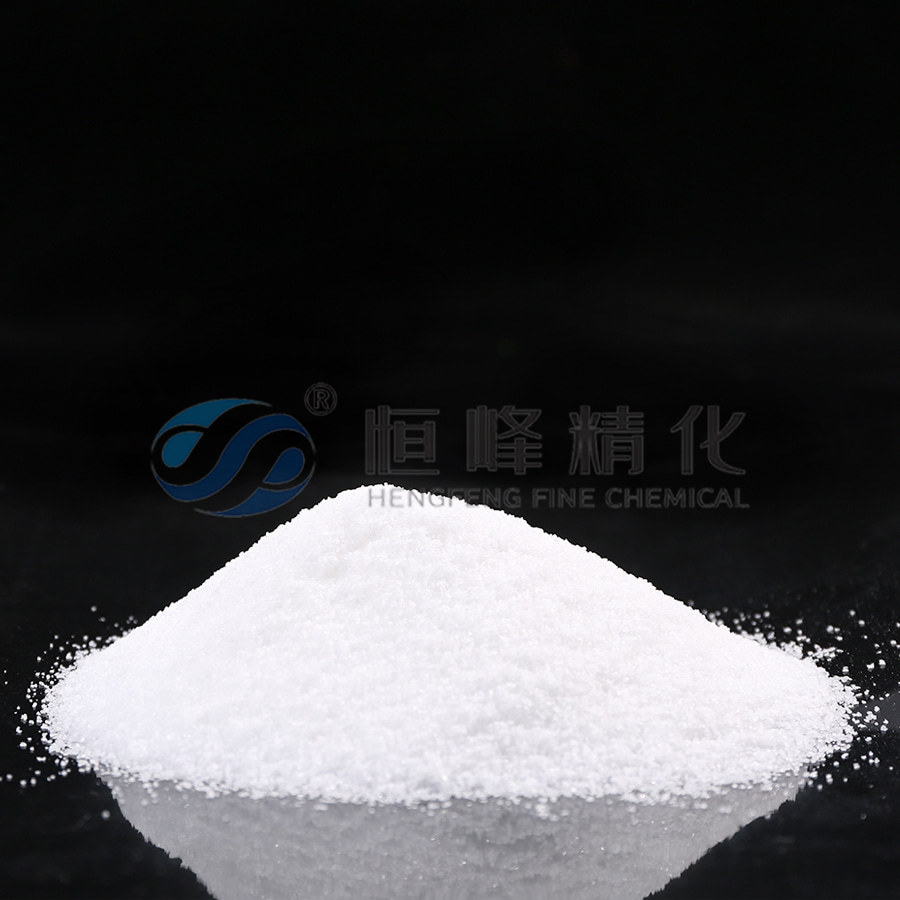
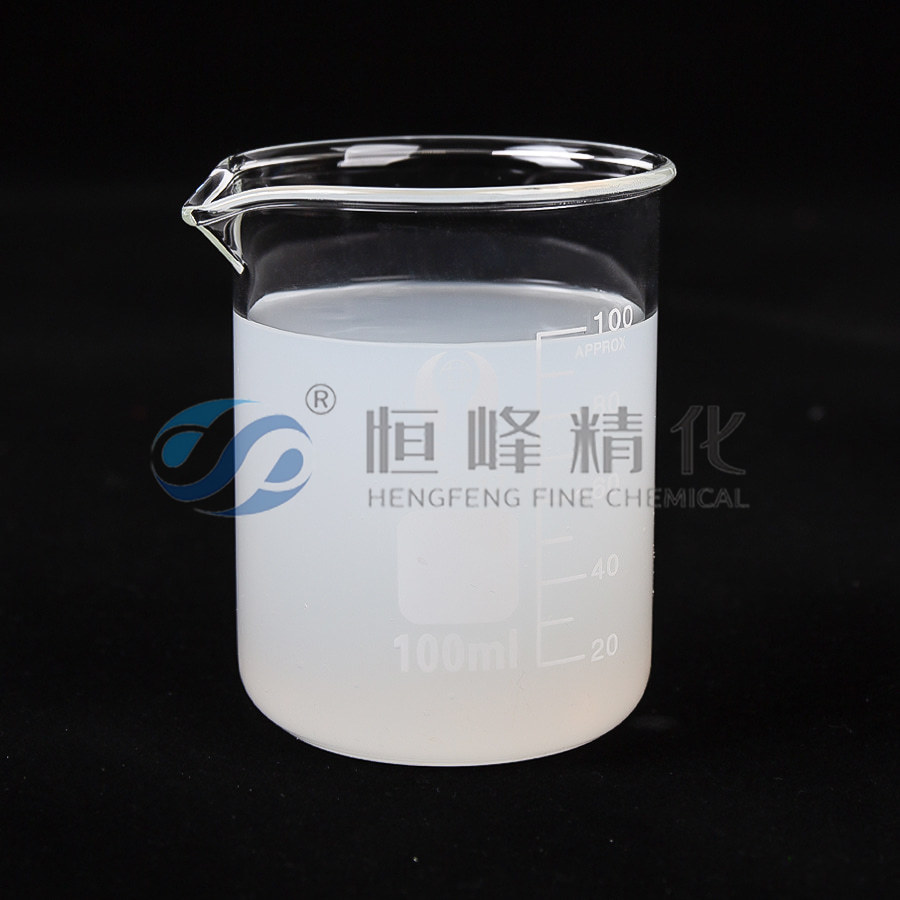
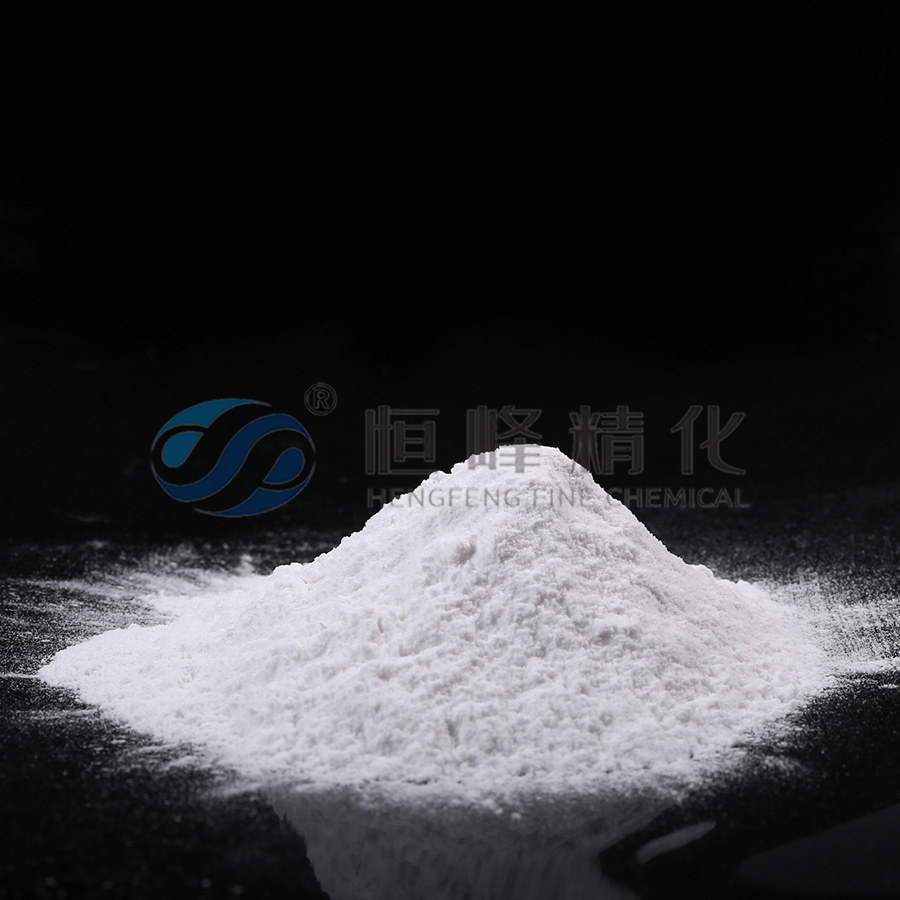
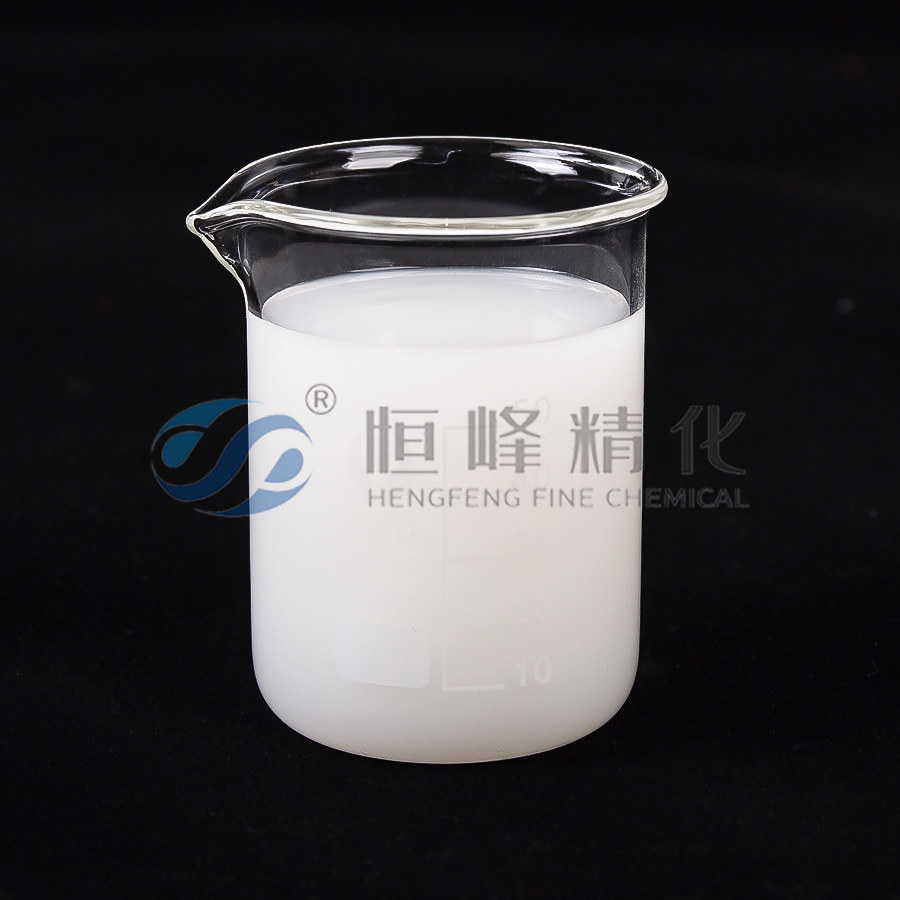
Emulsion vs powder
Select the form you can prepare consistently; make-down consistency drives repeatability.
Initial recommendation
Use PAC as the primary destabilization tool, then add PAM at flocculation to build stronger, faster-settling flocs and stabilize both color and turbidity.
Contact us for a precise grade recommendation
Share the items below (ranges are acceptable). We will narrow the PAM type/form and the grade window and propose a safe starting trial plan.
- Color level and variability: Defines operating mode and robustness needs.
- PAC type and dose range: Sets the pairing constraints for polymer selection.
- pH and alkalinity: Controls PAC performance and floc structure.
- Clarifier/flocculation layout: Determines the best dosing point.
- Problem repeat probability: Enables a realistic validation plan.
After you submit: recommended PAM path (type and form), 1–3 candidate grade windows, a starting-dose plan for a jar test or short trial, and dosing-point guidance.