
 English
 Español
 عربى
عربى Français
 Русский
 Tiếng Việt




Preliminary Suggestions
| Common indicators or objective signs | Most likely direct causes | What you can try first | When to add PAM | Why PAM is recommended |
|---|---|---|---|---|
| Slow settling | High fines; insufficient bridging; grade mismatch | Stabilize dilution and mixing in floc zone | When residence time is insufficient for clarity targets | Bridging aggregates fines for faster settling |
| Turbid reuse water | Fine carryover; unstable dosing; shear damage | Standardize dosing/dilution; protect flocs from shear | When reuse turbidity limits recycling | Improves clarification and reduces suspended solids |
| Filter press bottleneck | Underflow too dilute; weak floc structure | Optimize thickening first; avoid overdosing that blinds cloth | When dewatering throughput limits production | Improves floc structure for filtration |
Applicability boundary: Best for sand/aggregate washing dominated by fine silt. If hydraulics or settling area is insufficient, address capacity first.
Selection guidance for sand washing solid-liquid separation
Molecular weight (MW)
Higher MW often helps capture fine silt, but dosing point and shear control decide success.
Charge density
Correct charge improves cohesion and reduces carryover; mismatch yields fluffy flocs.
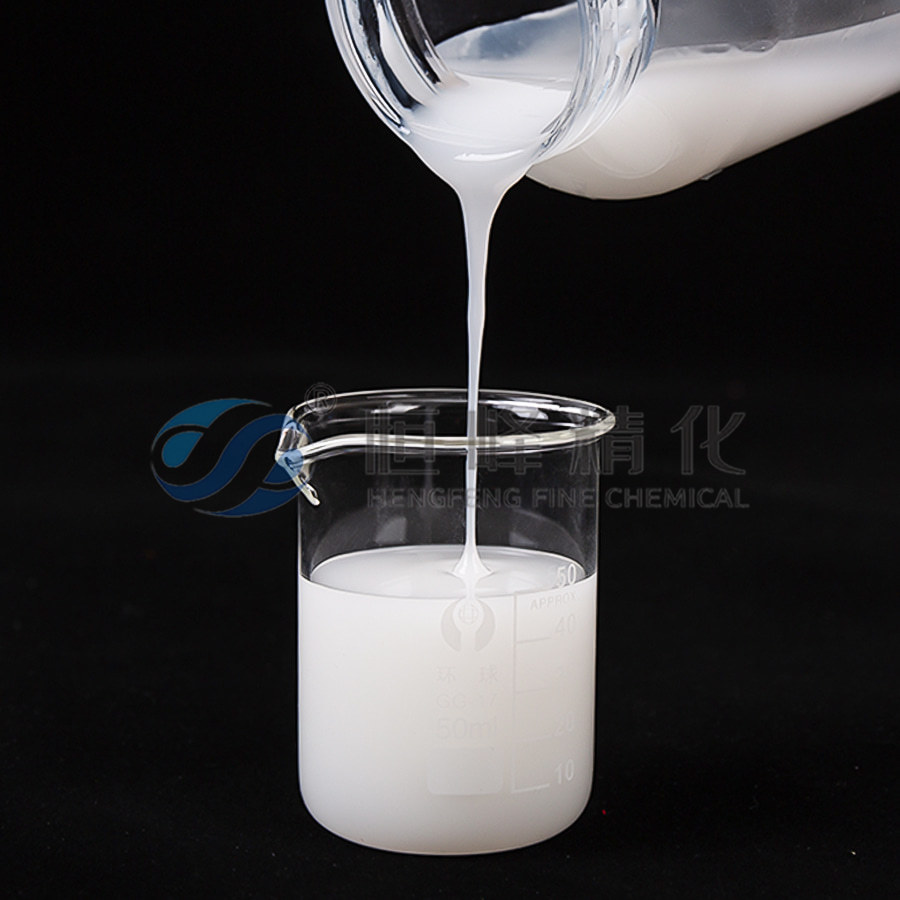
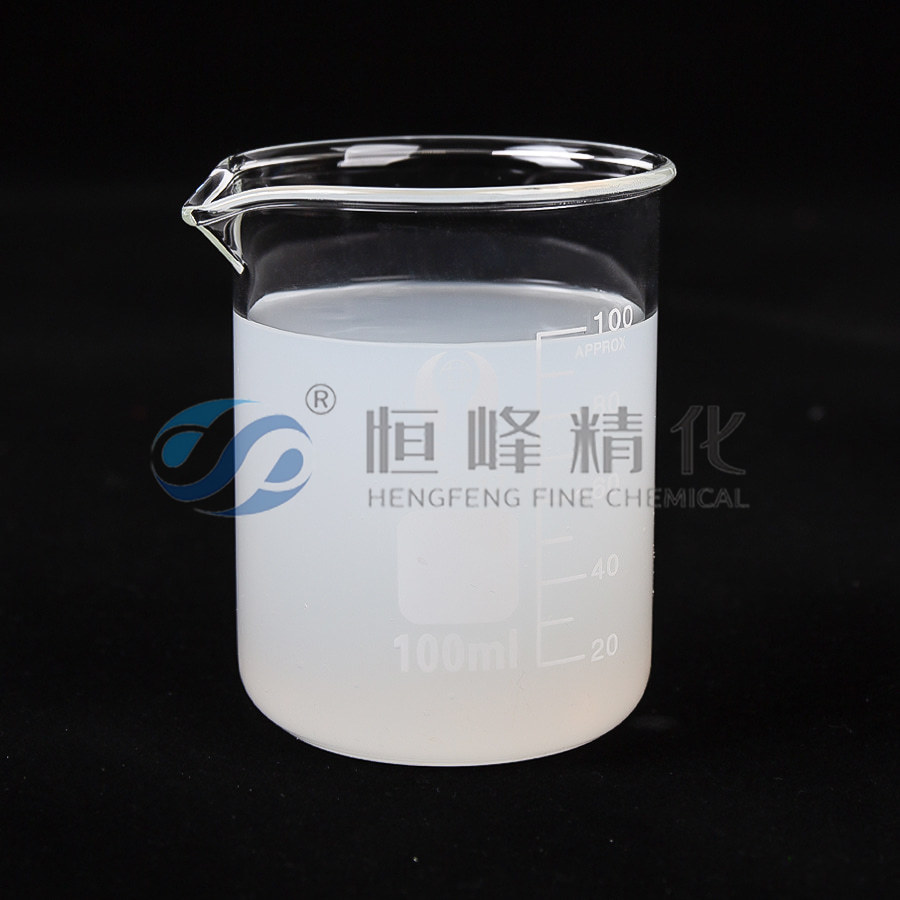
Emulsion vs powder
Select based on site make-down capability, automation, and response time.
APAM/CPAM/NPAM
Typical direction depends on water chemistry; confirm with jar tests on real wash water.
Initial recommendation
Start with a clarification-grade PAM aimed at fine silt capture, validate by jar test, then optimize dosing point and mixing to protect flocs and improve reuse water clarity.
Contact us for a precise grade recommendation
Share the items below (ranges are acceptable). We will narrow the PAM type/form and the grade window and propose a safe starting trial plan.
- Fine fraction and slurry solids %: Defines bridging requirement and settling sensitivity.
- Reuse water clarity requirement: Sets KPI and acceptable carryover.
- Dosing and mixing method: Determines whether flocs form and survive.
- Water chemistry (pH, salinity if available): Explains variability and grade stability needs.
- Problem repeat probability: Guides an operational trial plan.
After you submit: recommended PAM path (type and form), 1–3 candidate grade windows, a starting-dose plan for a jar test or short trial, and dosing-point guidance.