
 English
 Español
 عربى
عربى Français
 Русский
 Tiếng Việt




Preliminary Suggestions
| Common indicators or objective signs | Most likely direct causes | What you can try first | When to add PAM | Why PAM is recommended |
|---|---|---|---|---|
| Rapid turbidity spike; fine solids visible | Coagulation not stabilized; poor sequence; short retention time | Check pH/alkalinity and rapid-mix; stabilize flow surges | After coagulant tuning still cannot meet clarity/settling | Bridging builds larger, stronger flocs for faster settling |
| Hazy overflow persists | Grade mismatch; under-dispersed polymer; shear breakage | Improve dilution and dosing point; avoid high shear after floc | When overflow clarity protects filters or compliance | Captures fines and reduces carryover |
| High filter loading | Fine breakthrough; weak floc strength | Optimize blanket control; avoid coagulant overfeed | When filtration is the bottleneck | Improves upstream separation to protect filters |
Applicability boundary: Best for surface water events dominated by suspended solids. If pH/alkalinity is the constraint, correct that first; then tune PAM.
Selection guidance for sudden high-turbidity raw water
Molecular weight (MW)
MW drives bridging strength. Fine-particle spikes often need stronger bridging, but protect flocs from shear.
Charge density
Charge window controls binding to destabilized particles. Mismatch shows up as soft flocs or hazy overflow.
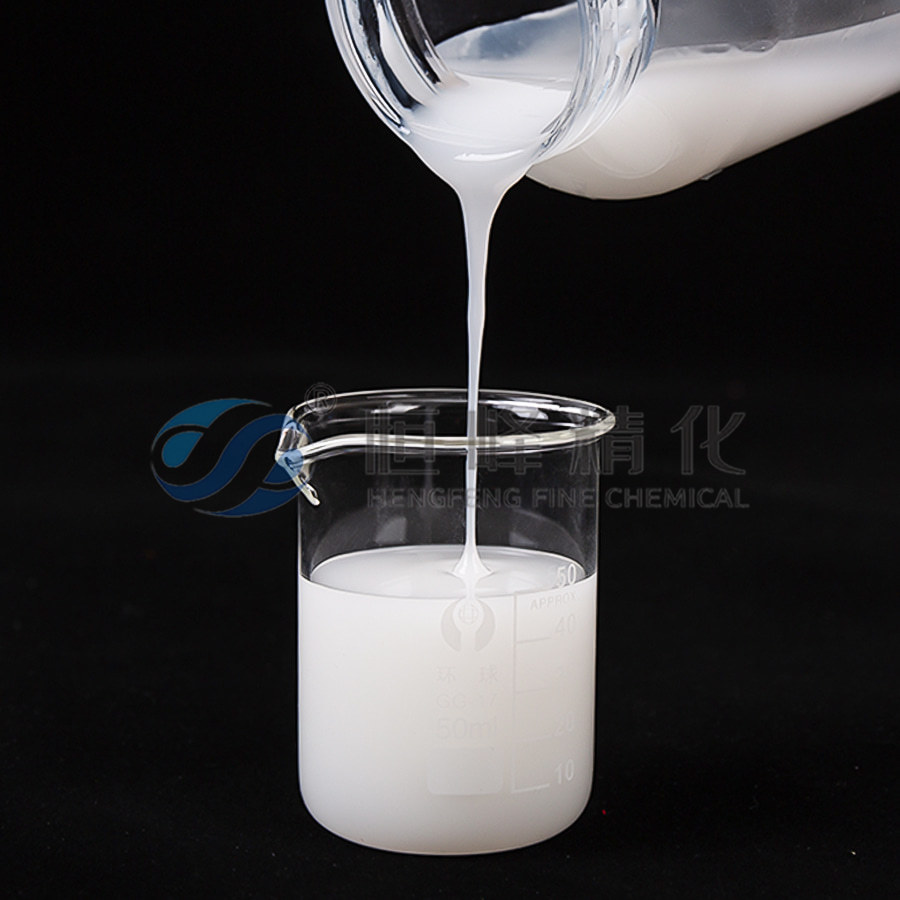
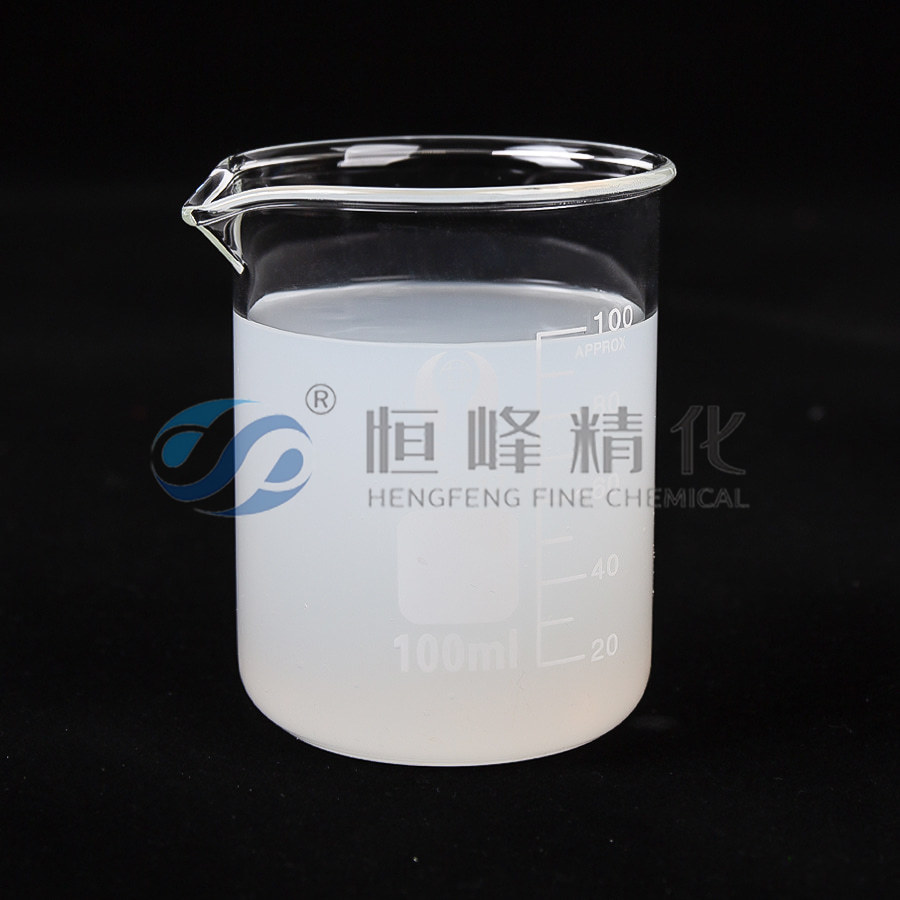
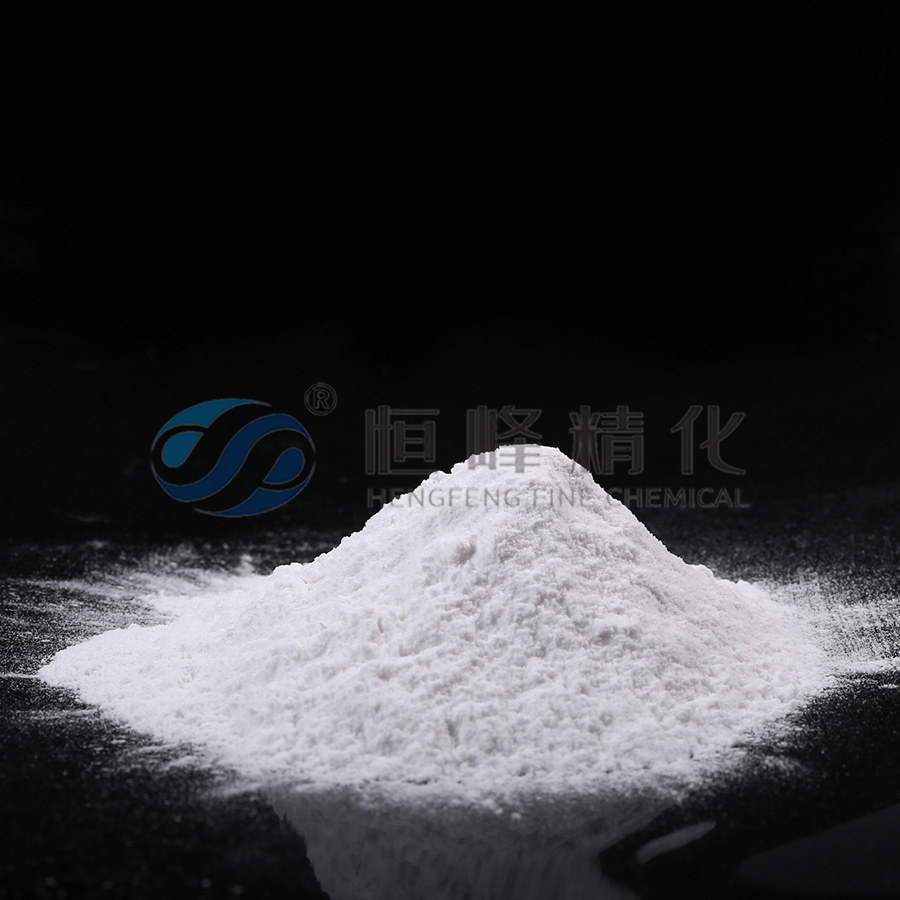
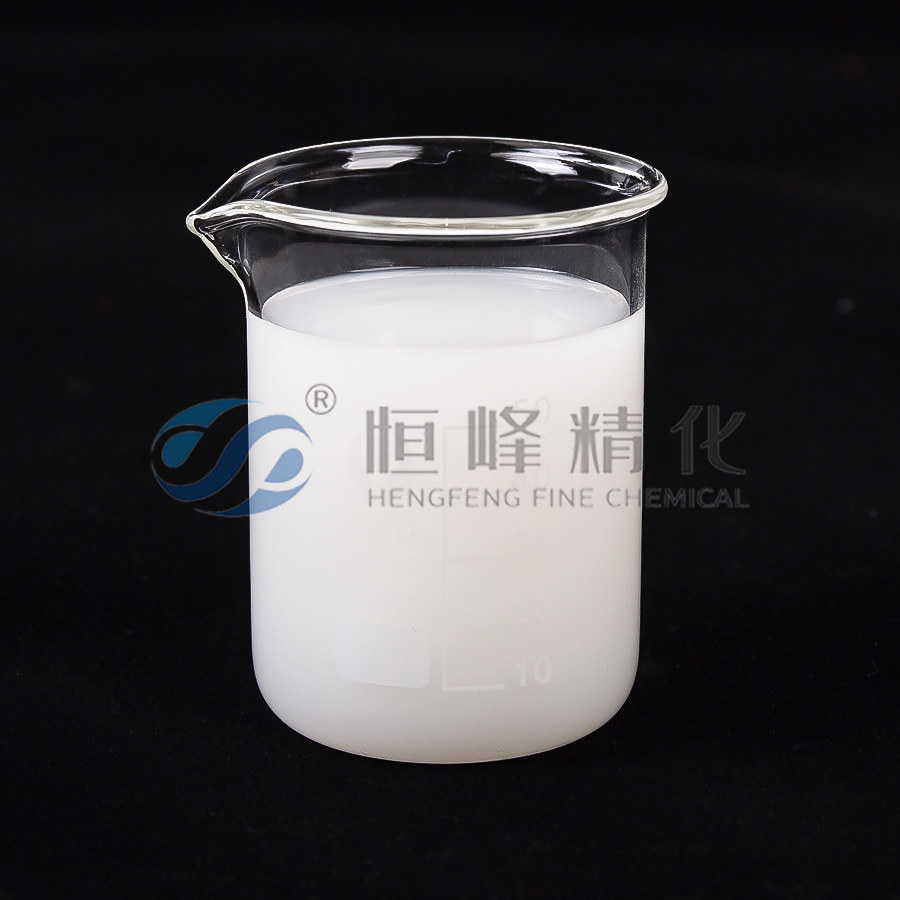
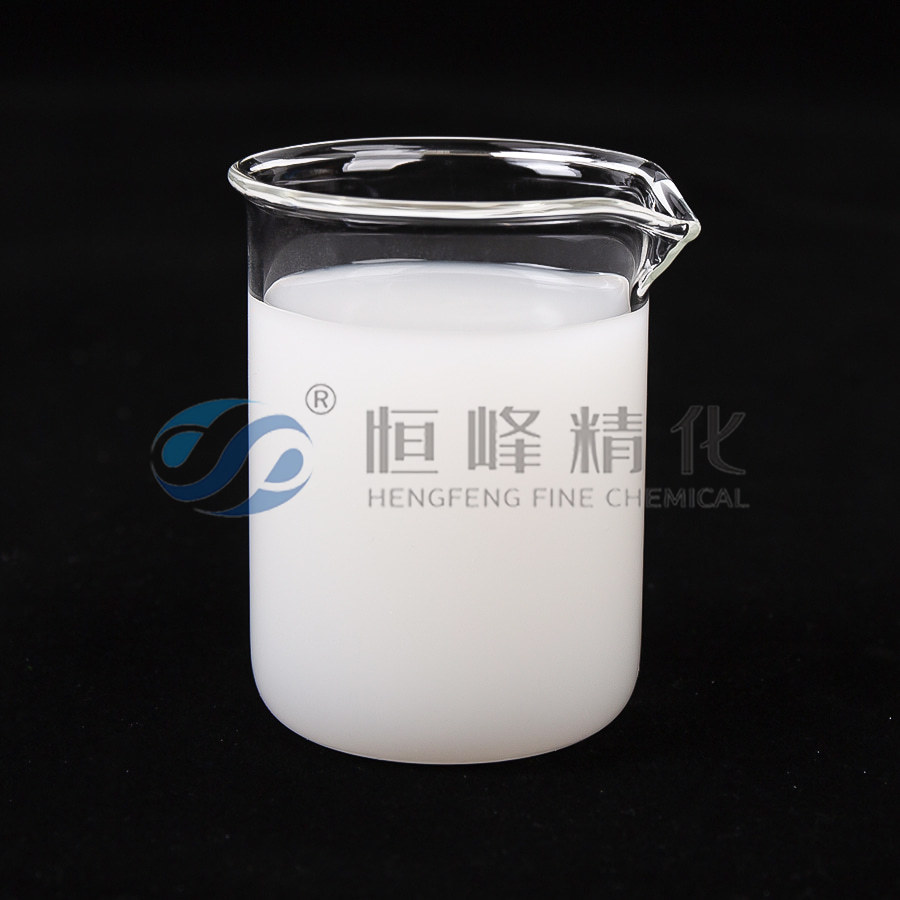
Emulsion vs powder
Select based on make-down control and response speed. Consistency beats theoretical performance.
APAM/CPAM/NPAM
Typical pairing depends on your coagulant program and raw water chemistry; confirm with a jar test.
Initial recommendation
Stabilize coagulation (pH/alkalinity, coagulant dose, rapid-mix). Then add PAM in the flocculation stage to strengthen flocs and reduce fine carryover. Do not dose into high-shear zones.
Contact us for a precise grade recommendation
Share the items below (ranges are acceptable). We will narrow the PAM type/form and the grade window and propose a safe starting trial plan.
- Raw water turbidity trend: Separates spike events from chronic fines and sets robustness needs.
- Coagulant type and dose range: Defines destabilization mechanism and proper polymer pairing.
- pH and alkalinity: Small shifts can break coagulation and change polymer response.
- Mixing and retention details: Identifies whether energy/time or grade window is the bottleneck.
- Problem repeat probability: Helps design a realistic validation plan and KPI.
After you submit: recommended PAM path (type and form), 1–3 candidate grade windows, a starting-dose plan for a jar test or short trial, and dosing-point guidance.