
 English
 Español
 عربى
عربى Français
 Русский
 Tiếng Việt




Preliminary Suggestions
| Common indicators or objective signs | Most likely direct causes | What you can try first | When to add PAM | Why PAM is recommended |
|---|---|---|---|---|
| Fine solids carryover | Floc too small; hydraulics; insufficient polishing | Check blanket control and hydraulics; verify return rates | When operational tweaks cannot meet turbidity targets | Bridging forms separable flocs for polishing |
| Unstable downstream filtration | Variable solids load; inadequate capture | Standardize dosing and monitoring | When filtration is the bottleneck | Reduces fine loading to protect filters |
| Compliance risk during events | Upsets without safeguard step | Define event-mode SOP; run quick jar tests | When you need robust protection against spikes | Adds a controllable polishing lever |
Applicability boundary: Best for fine-solids polishing after secondary clarification. If the issue is colloids not captured by settling, verify upstream chemistry and process control first.
Selection guidance for secondary effluent turbidity polishing
Molecular weight (MW)
Select MW that captures fines without creating fragile overflocs that break and pass through.
Charge density
Effluent chemistry varies; correct charge improves repeatability and reduces over-dosing risk.
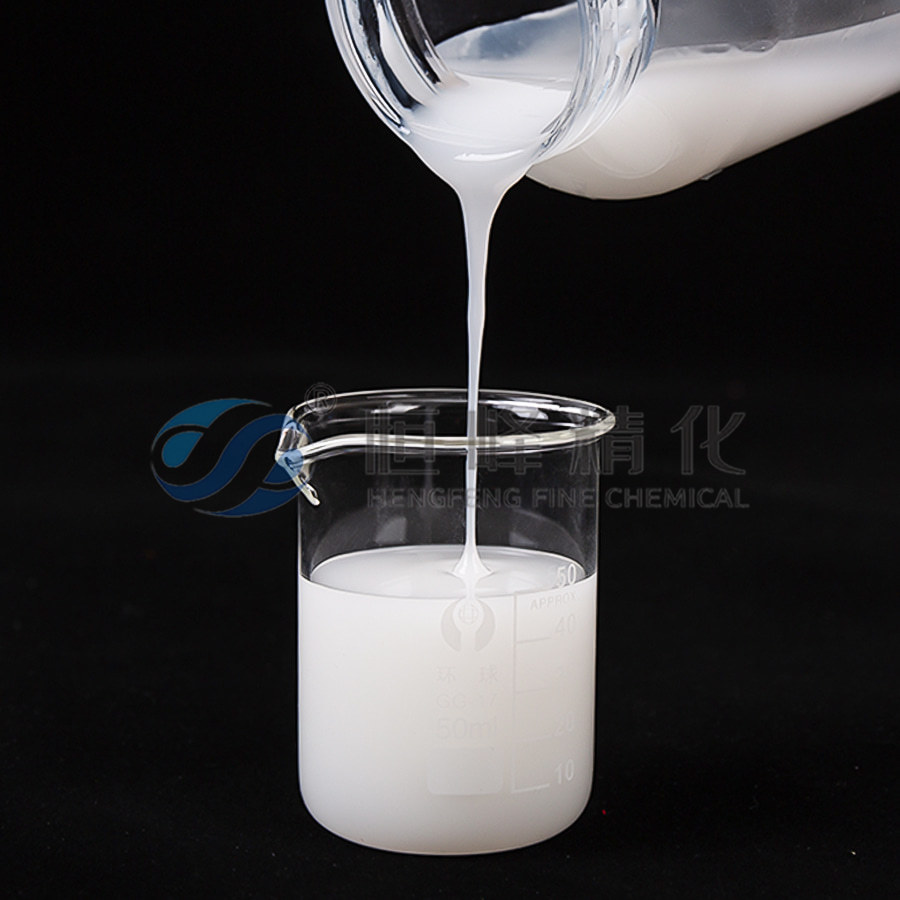
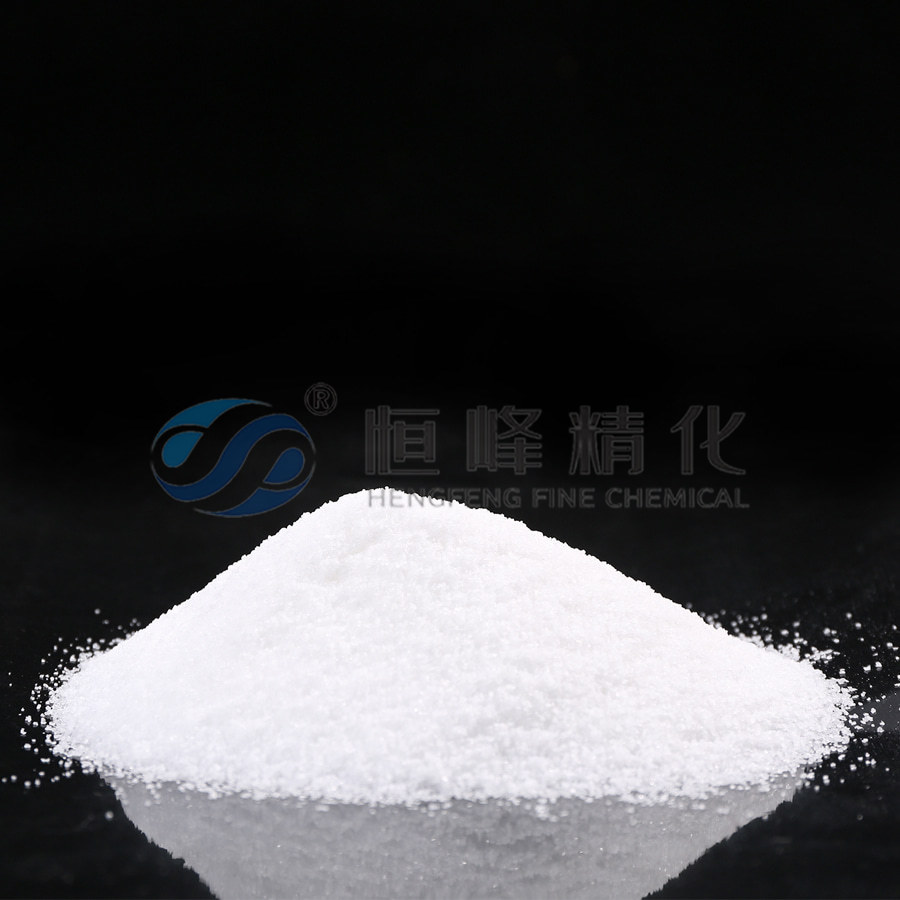
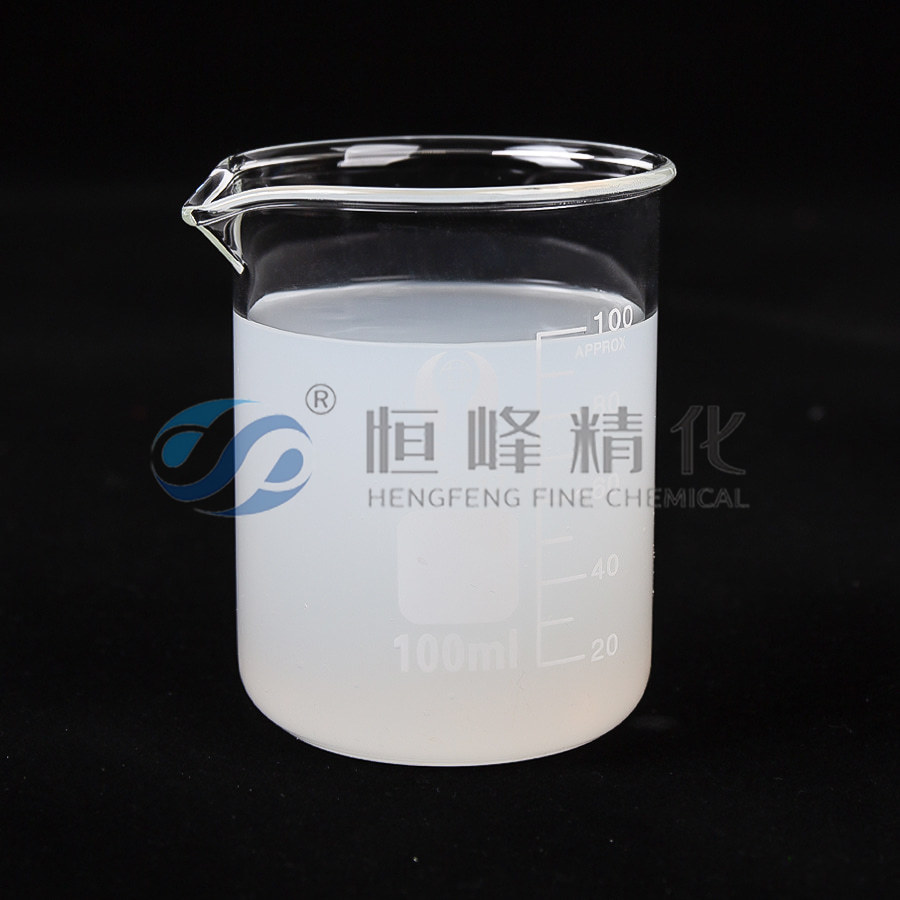
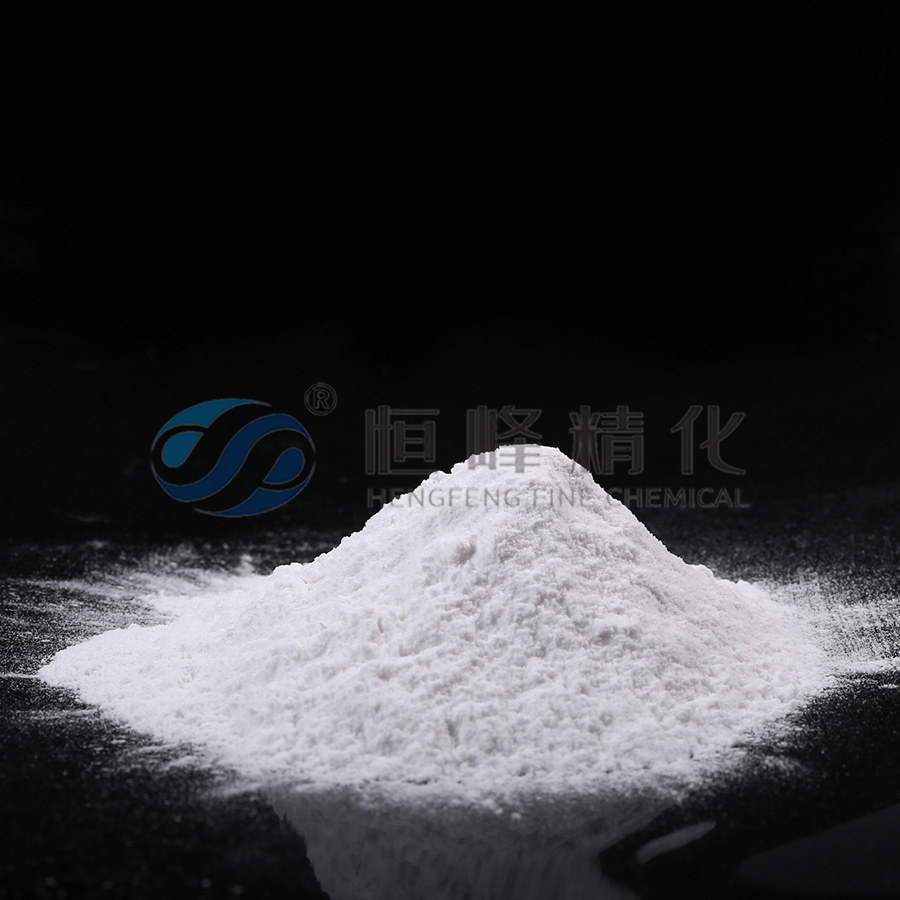
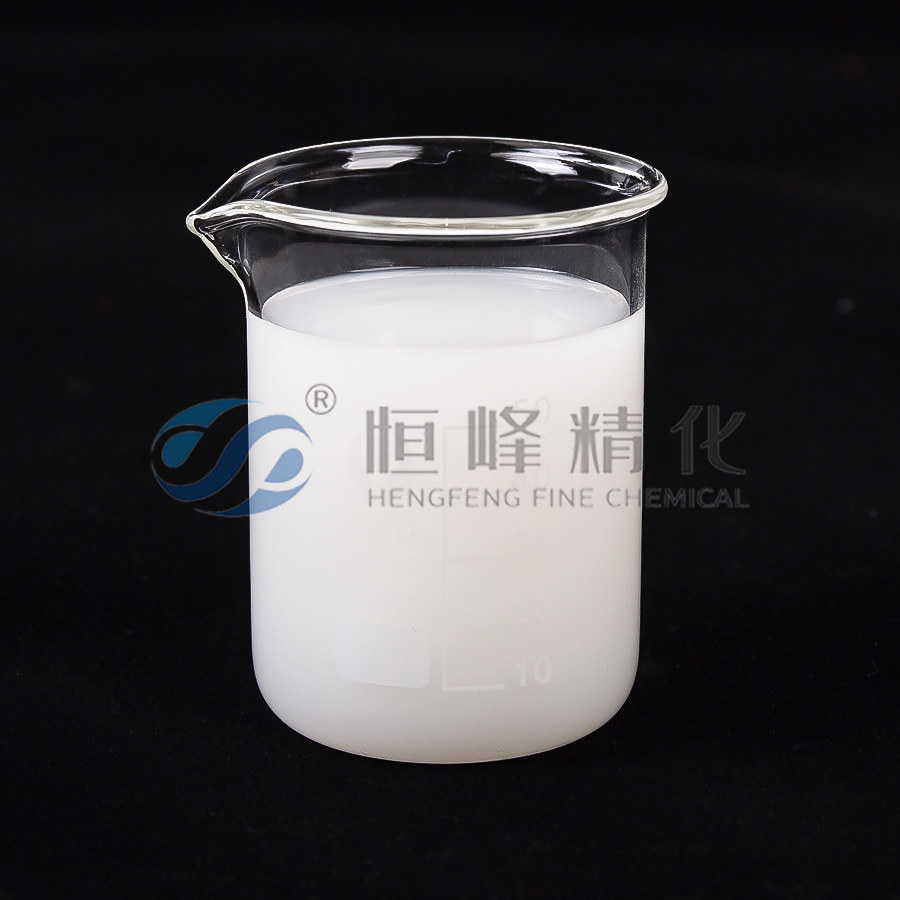
Emulsion vs powder
Choose the form your plant can prepare consistently with minimal operator variability.
APAM/CPAM/NPAM
Ionic type depends on effluent characteristics and coagulant use; confirm with jar tests under real conditions.
Initial recommendation
Use PAM as a polishing step to capture fine solids and stabilize turbidity. Validate dosing point to avoid shear damage and define success KPI (turbidity stability, filter protection).
Contact us for a precise grade recommendation
Share the items below (ranges are acceptable). We will narrow the PAM type/form and the grade window and propose a safe starting trial plan.
- Turbidity pattern and triggers: Determines spike-response vs steady polishing program.
- Upstream chemical changes: Often explain sudden loss of performance.
- Reuse/filtration requirement: Sets KPI and tolerance for variability.
- Dosing point and hydraulics: Determines whether polishing works without shear damage.
- Problem repeat probability: Guides a low-risk validation plan.
After you submit: recommended PAM path (type and form), 1–3 candidate grade windows, a starting-dose plan for a jar test or short trial, and dosing-point guidance.