
 English
 Español
 عربى
عربى Français
 Русский
 Tiếng Việt




Preliminary Suggestions
| Common indicators or objective signs | Most likely direct causes | What you can try first | When to add PAM | Why PAM is recommended |
|---|---|---|---|---|
| Variable color removal | Recipe shifts; insufficient coagulation sweep; wrong sequence | Segment operating modes; optimize PAC and pH | When color/turbidity targets are not met consistently | PAM stabilizes floc strength across variability |
| Slow settling / cloudy overflow | Weak flocs; grade mismatch; poor dispersion | Improve dilution and dosing point; protect flocs from shear | When overflow clarity protects downstream processes | Reduces fine carryover and improves clarification |
| Poor dewatering | Coagulant overfeed; wrong floc structure | Rebalance coagulant vs polymer; standardize jar tests | When sludge handling cost is high | Builds stronger, drainable flocs |
Applicability boundary: Best for batch-variable dyeing effluent using PAC for destabilization and PAM for floc strength. If dye solubility dominates, confirm pretreatment chemistry first.
Selection guidance for textile dyeing clarification
Mode-based control
Define operating modes by batch type; avoid chasing every batch with dosage spikes.
Charge density
Correct charge improves capture of coagulated dyes and solids; mismatch drives instability.
Molecular weight (MW)
Select MW that settles well and creates a pressable cake without excessive shear sensitivity.
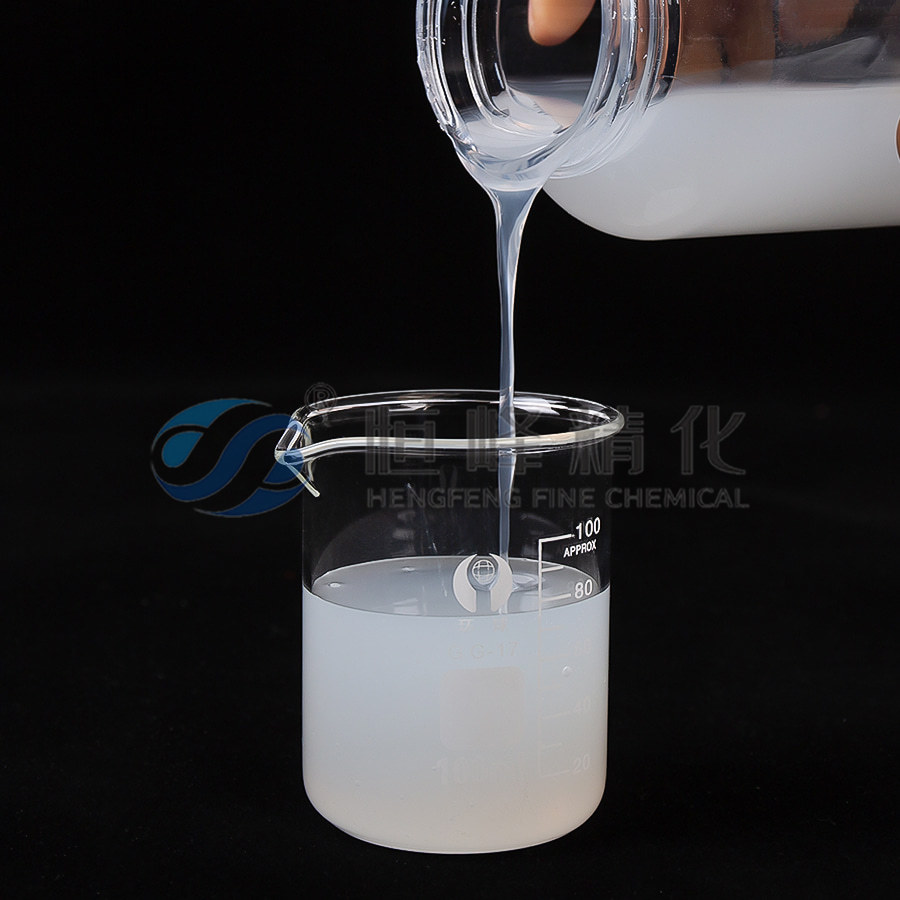
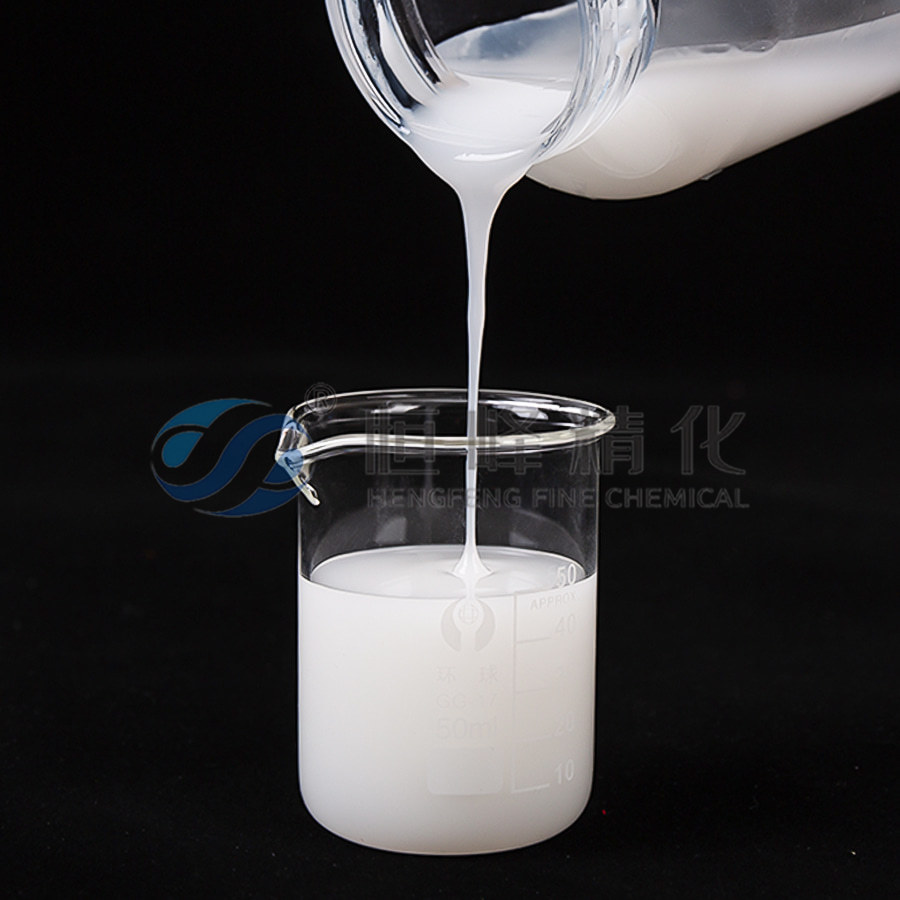
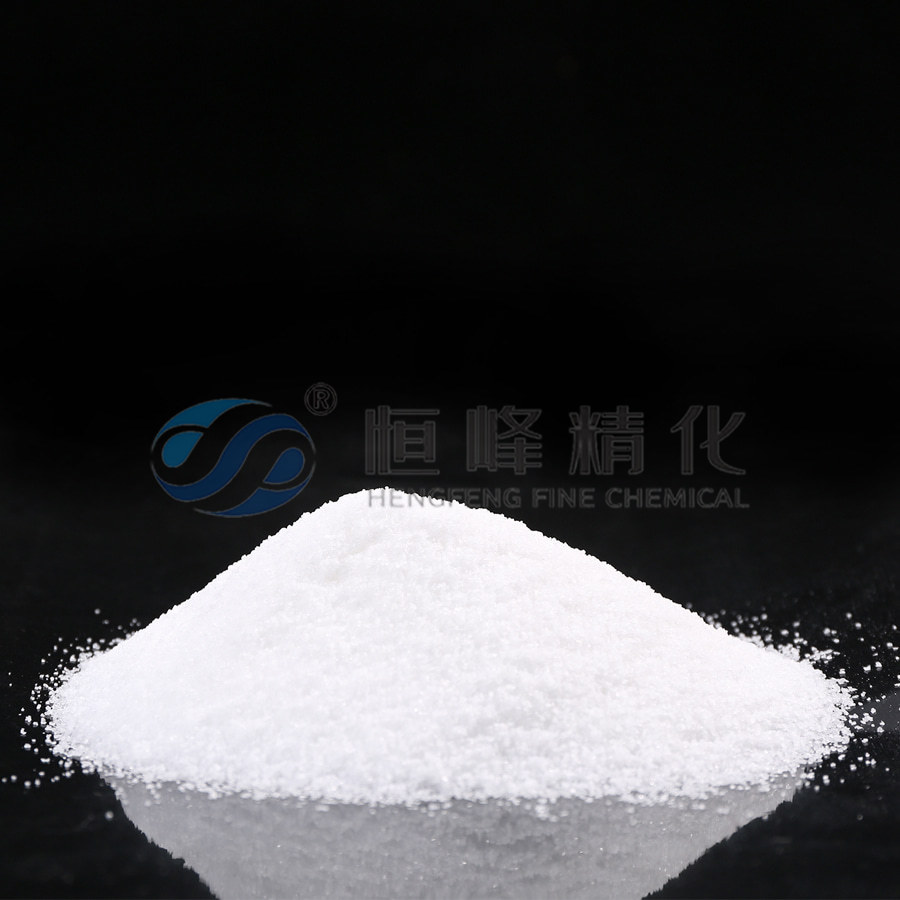
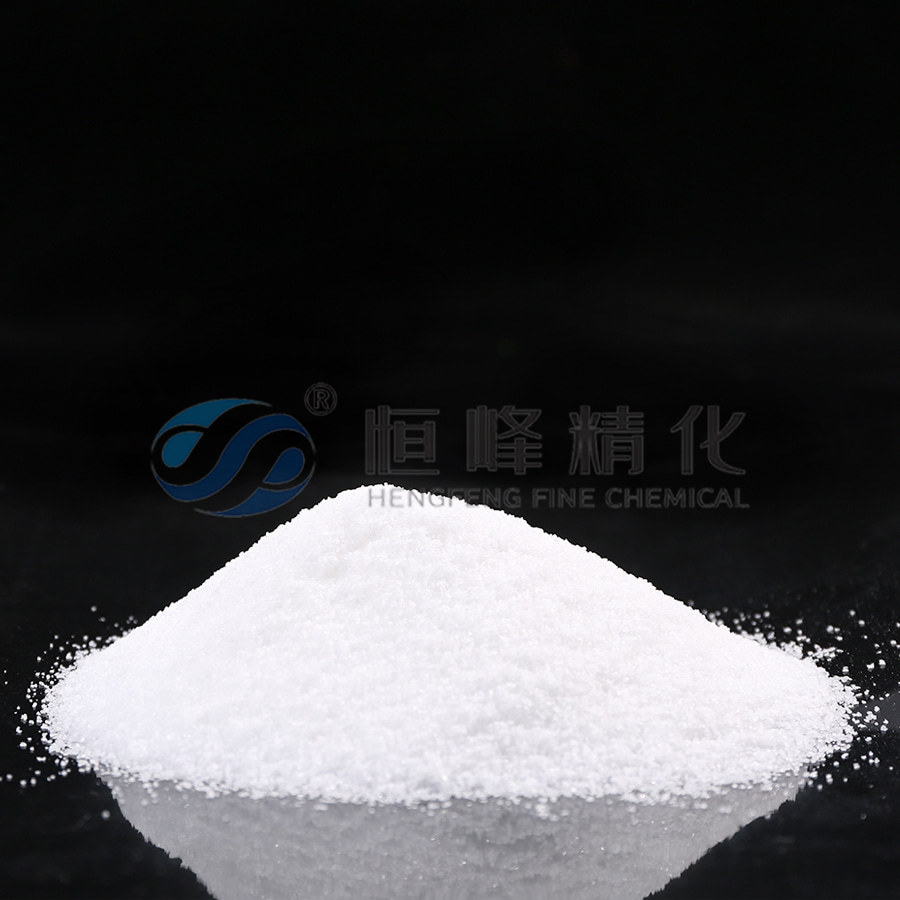
Emulsion vs powder
Fast recipe changes favor stable make-down and response speed.
Initial recommendation
Use PAC to destabilize and sweep dyes, then add PAM in flocculation to strengthen flocs and stabilize settling. Validate across representative batches, not a single sample.
Contact us for a precise grade recommendation
Share the items below (ranges are acceptable). We will narrow the PAM type/form and the grade window and propose a safe starting trial plan.
- Batch types and dye classes: Explains performance shifts and helps define modes.
- PAC dose range and pH control: Sets baseline for polymer pairing.
- Color and turbidity patterns: Defines KPI and event conditions.
- Separation unit: Clarifier/DAF/filter changes floc needs.
- Problem repeat probability: Guides trials that reflect real variability.
After you submit: recommended PAM path (type and form), 1–3 candidate grade windows, a starting-dose plan for a jar test or short trial, and dosing-point guidance.