
 English
 Español
 عربى
عربى Français
 Русский
 Tiếng Việt




Preliminary Suggestions
| Common indicators or objective signs | Most likely direct causes | What you can try first | When to add PAM | Why PAM is recommended |
|---|---|---|---|---|
| Stable emulsion | Surfactants; fine droplets; insufficient destabilization | Review detergents; optimize coagulant first | When mechanical separation cannot meet targets | PAM aggregates destabilized droplets and solids |
| Flocs float or break | Wrong grade; overdosing; high shear | Reduce shear; adjust dilution and dosing point | When you need stable DAF/clarifier performance | Improves floc strength and capture |
| High cost / inconsistent results | Variable influent; non-optimized sequence | Segment modes; standardize jar tests | When stability is the priority | Grade matching reduces sensitivity |
Applicability boundary: Best after proper destabilization. If strong surfactants dominate, mitigate the source first; polymer cannot fully compensate for an unbroken emulsion.
Selection guidance for emulsified oil separation
Sequencing
Oil removal often needs destabilization first, then aggregation. PAM supports aggregation and separation.
Charge density
Correct charge helps bind destabilized droplets and fines; mismatch drives weak flocs or high dose.
Molecular weight (MW)
Best MW depends on separation unit (settling, flotation, filtration) and shear conditions.
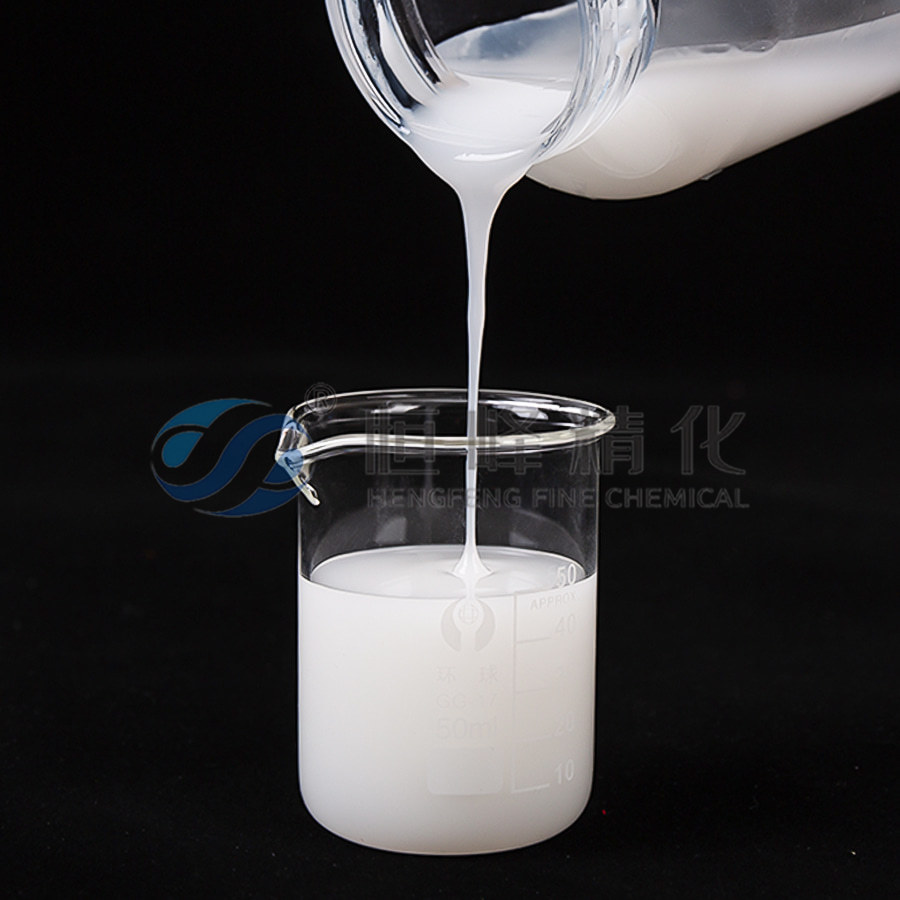
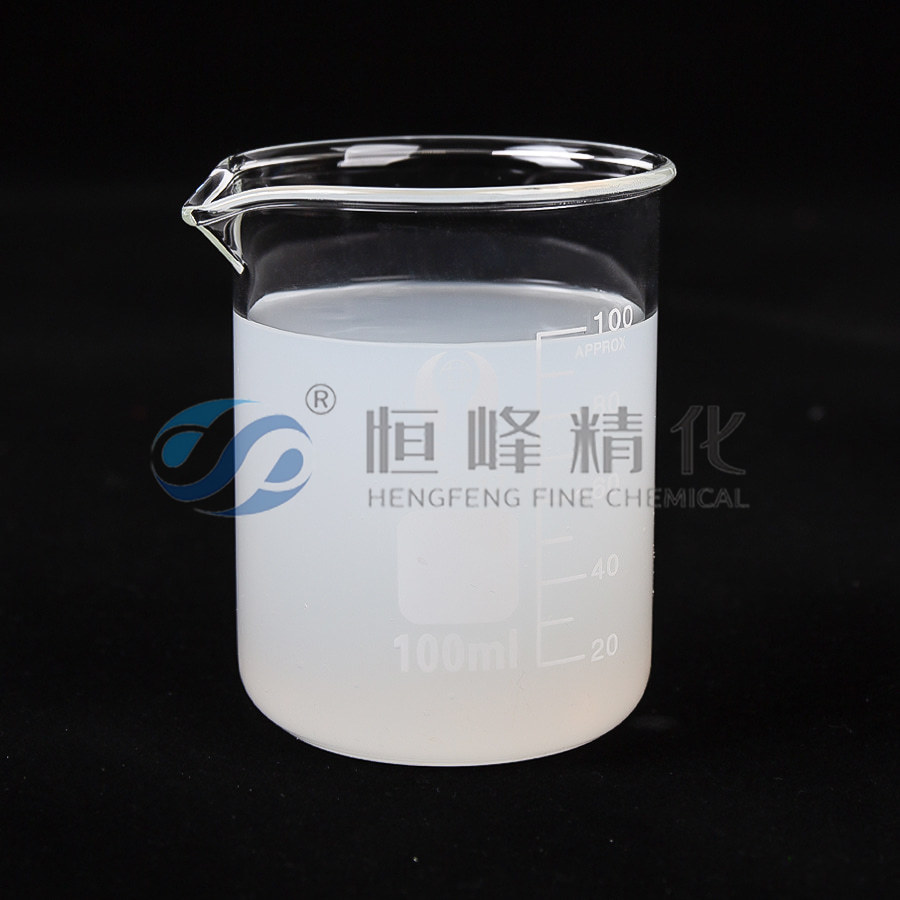
Emulsion vs powder
Select the form that supports stable make-down and dosing under variable influent.
Initial recommendation
Stabilize the front end (reduce surfactant impact, optimize coagulant), then select a PAM grade that builds separable flocs and protects the chosen separation unit.
Contact us for a precise grade recommendation
Share the items below (ranges are acceptable). We will narrow the PAM type/form and the grade window and propose a safe starting trial plan.
- Surfactant/detergent presence: Explains emulsion strength and pretreatment needs.
- Oil type and behavior: Guides destabilization and aggregation strategy.
- Separation unit: Determines desired floc structure and dosing point.
- pH and conductivity: Affects destabilization and polymer response.
- Problem repeat probability: Enables a targeted trial plan.
After you submit: recommended PAM path (type and form), 1–3 candidate grade windows, a starting-dose plan for a jar test or short trial, and dosing-point guidance.