
 English
 Español
 عربى
عربى Français
 Русский
 Tiếng Việt


Preliminary Suggestions
| Common indicators / objective symptoms | Likely direct causes (Top factors) | What you can try first (low-cost actions) | When you should introduce PAM | Why PAM is recommended (mechanism) |
|---|---|---|---|---|
| High polymer consumption with stable equipment | Wrong grade window; inconsistent make-down; overdosing to cover variability | Standardize make-down; verify dosing calibration; define KPI clearly | When chemical spend becomes a major OPEX driver | Correct grade achieves target KPI at lower dosage through efficient bridging/neutralization |
| Wet cake despite high dose | Floc structure not drainable; shear breakage | Reduce shear; optimize injection point; verify conditioning time | When disposal cost is dominated by moisture penalty | Grade matching builds drainable flocs improving cake dryness |
| Filtrate/centrate clarity unstable | Charge mismatch; variable sludge chemistry | Track sludge variability; adjust coagulation support if needed | When compliance or reuse requires stable clarity | Proper charge window improves fines capture and reduces carryover |
Applicability boundary: Best suited for plants that already meet basic mechanical requirements and want to lower chemical spend. If the core limitation is equipment capacity or severe upstream variability without equalization, address process stabilization first; polymer optimization is most effective on a controlled system.
Selection Guidance for Industrial Sludge Dewatering Cost Optimization
Molecular Weight (MW): bridging strength vs. shear sensitivity
MW mainly controls bridging. In this scenario, higher MW typically builds larger, faster-separating flocs, but it also increases shear sensitivity. If performance collapses after pumps, valves, or high-speed mixing, do not simply raise dosage—adjust MW window and dosing conditions.
Charge Density (ionicity): matching particle surface and fines behavior
Charge density controls how quickly particles neutralize and aggregate. Cost-down requires a stable separation window; charge and MW must be matched so you are not paying to compensate for mismatch. A mismatch often shows up as “fluffy” flocs, cloudy effluent/overflow, or unstable dose demand.
Emulsion vs. Powder: choose based on make-down control and response speed
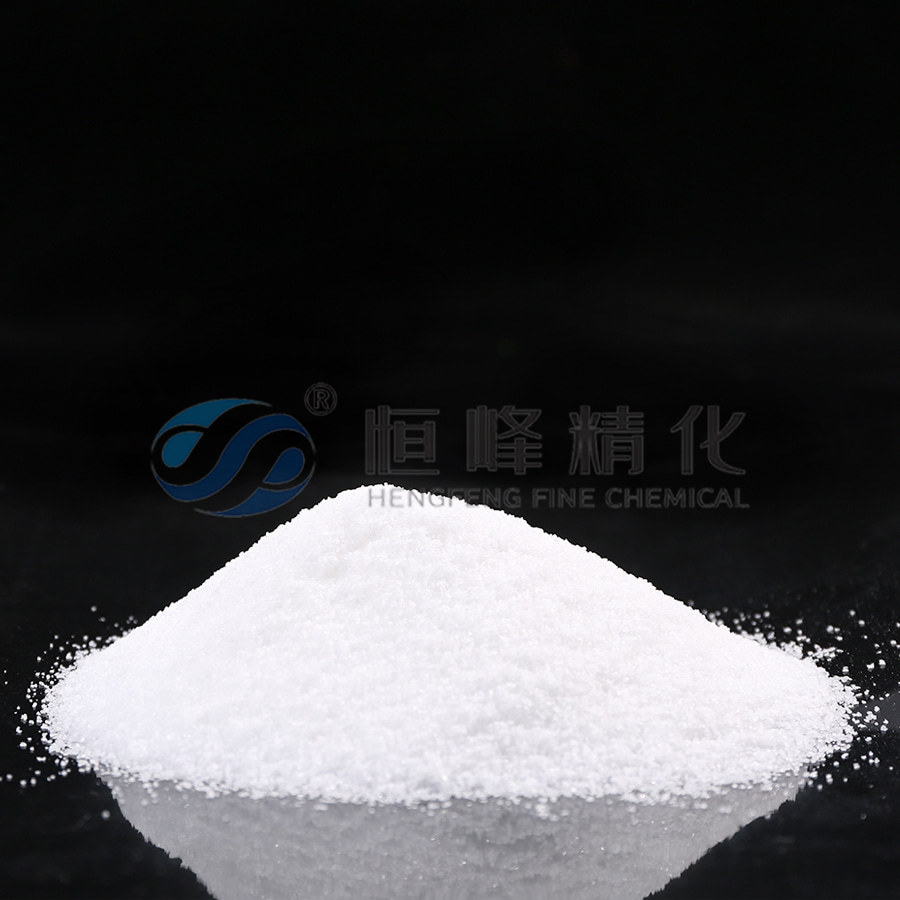
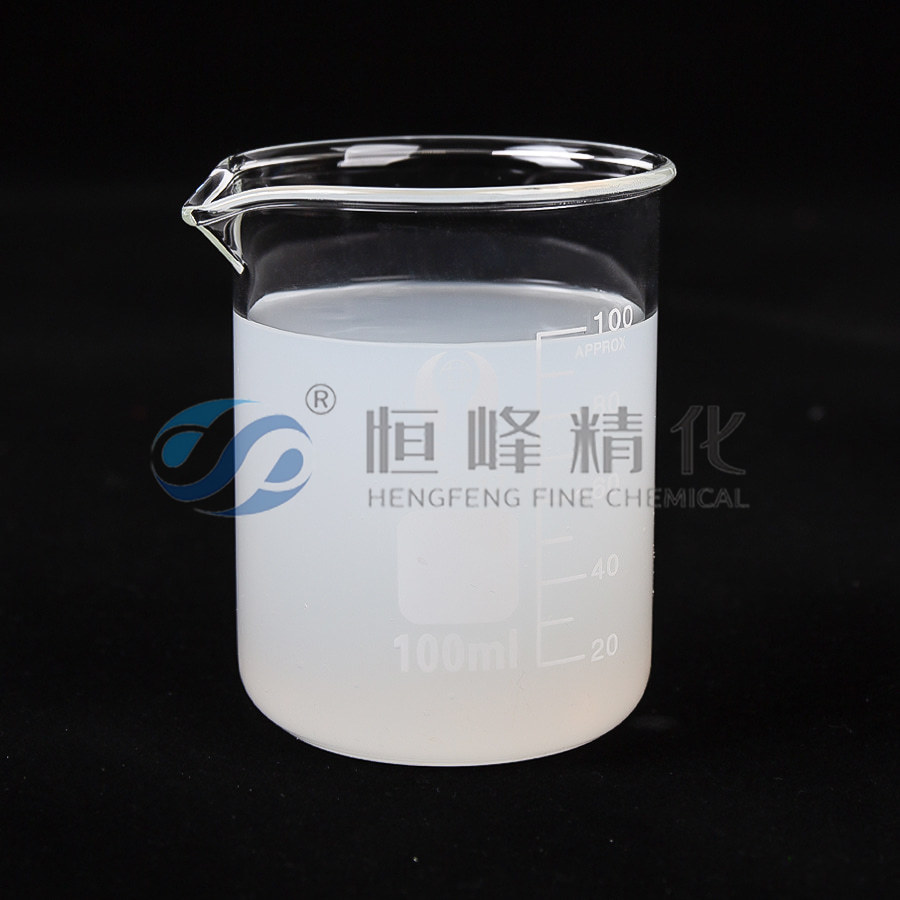
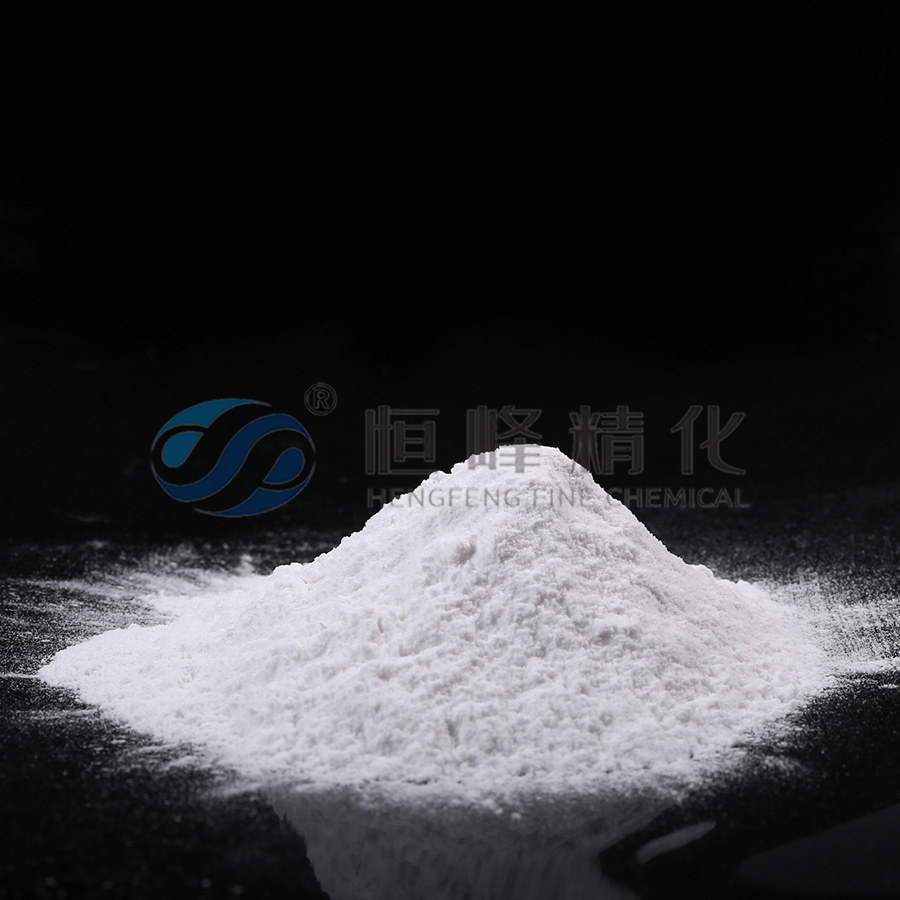
Powder programs can be economical but depend on disciplined make-down (concentration, wetting, aging time). Emulsion programs typically respond faster and can simplify automation when stable dosing is critical. Select the form that fits your staffing, control level, and response requirements.
APAM / CPAM / NPAM: a practical starting point
For industrial sludge dewatering, start your screening with a grade window optimized for your sludge and equipment (often CPAM, sometimes with coagulant support) and confirm by jar testing or short plant trials. Final selection depends on fines content, pH/salinity, and shear conditions.
Initial Recommendation (industry-first logic)
Recommendation: Start by defining the minimum acceptable KPI (cake dryness, filtrate clarity, throughput). Then screen PAM grades to find the lowest dosage that meets KPI under normal variability, and lock SOP for solution prep and dosing point.
Contact Us for a Precise Grade Recommendation
A reliable recommendation requires your real operating data. You can submit approximate ranges if exact measurements are not available.
- Current polymer type/form, dose range, and monthly consumption
- Your KPI floor (minimum acceptable cake dryness/clarity/throughput)
- Sludge source and variability (repeat probability; batch vs continuous)
- Equipment type (centrifuge/press/DAF) and injection/mixing conditions
- pH, temperature, conductivity; interfering chemicals if any
- Disposal cost drivers (cake moisture penalty, hauling limits)
What you will receive: recommended PAM type & form, 2–3 candidate grade windows, a starting dosage range for trials, and a practical jar/plant test procedure aligned to your KPI.