
 English
 Español
 عربى
عربى Français
 Русский
 Tiếng Việt

Preliminary Suggestions
| Typical indicators / objective observations | Likely direct causes | Low-cost actions to try first | When you should introduce / re-select PAM | Why PAM is recommended here |
|---|---|---|---|---|
| Slow settling; diffuse mudline | Strong electrostatic stabilization; wrong charge window; insufficient bridging | Stabilize caustic/chemistry where possible; ensure correct mixing and dosing point | When stabilization persists and separation speed limits throughput | Correct PAM charge/MW window destabilizes fine solids and builds settleable flocs |
| Overflow clarity unstable with process swings | Temperature/ionic strength changes shift surface chemistry | Track chemistry trends; standardize solution preparation and dosing response | When robustness across swings is required | Grade selection provides a wider operating window for variable chemistry |
| Poor compaction; weak underflow density | Floc structure too soft; shear damage; overdosing | Optimize dose and aging; reduce shear; adjust dilution ratio | When you must improve compaction without sacrificing clarity | PAM improves floc architecture for faster settling and better compaction |
Applicability boundary: Designed for red mud solid-liquid separation. If separation issues are dominated by mechanical constraints or upstream liquor chemistry outside control limits, correct those constraints first and then finalize PAM selection.
Selection guidance: how to choose the right PAM for this circuit
Molecular weight (MW): bridging power vs. shear sensitivity
Higher MW typically improves bridging and aggregation, accelerating settling and improving clarification. However, high-MW flocs can be more shear-sensitive. If flocs form but break near the feedwell, pumps, or valves, MW and dosing point must be adjusted together.
Charge density (ionicity): matching particle surface chemistry
Charge density determines how strongly PAM interacts with fines and colloids. Too low may underperform; too high (or overdosing) may create fragile flocs or re-stabilize particles. The correct window depends on mineralogy, reagent regime, and water chemistry.
APAM / NPAM / CPAM: selecting the ionic type for the job
For many mining clarification and thickening applications, anionic or nonionic PAM is commonly evaluated first. Cationic grades may be relevant in specific streams where surface charge and contaminants require a different interaction profile.
Emulsion vs powder: choosing by site constraints
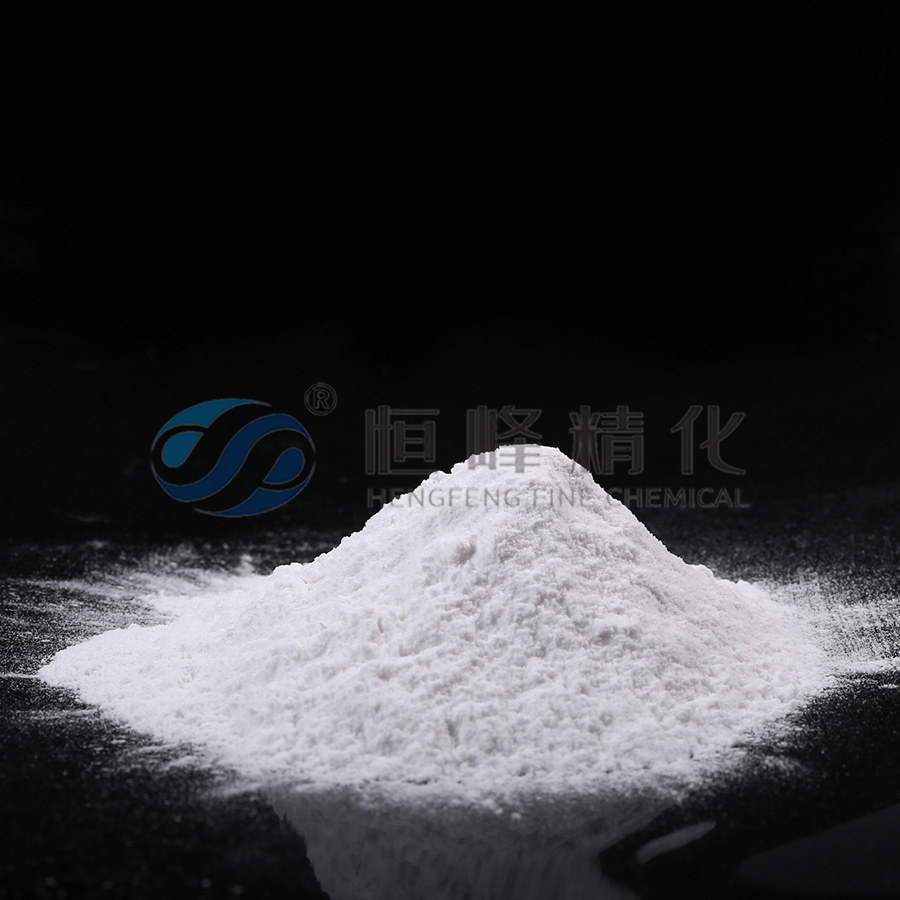
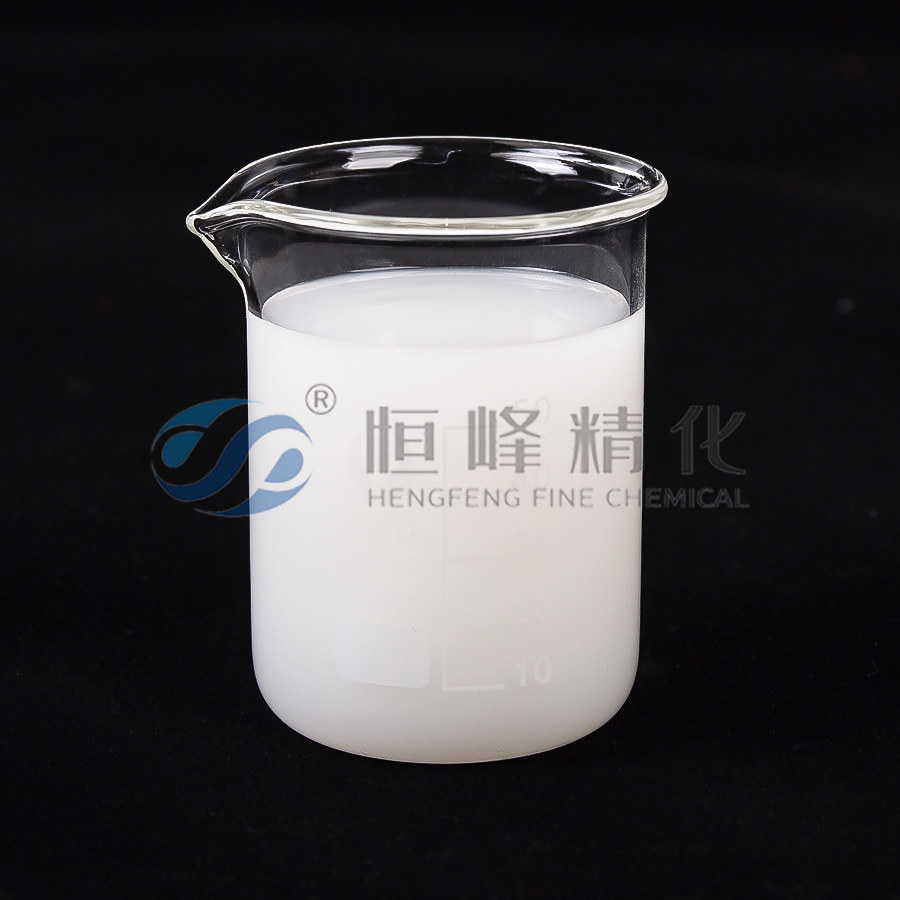
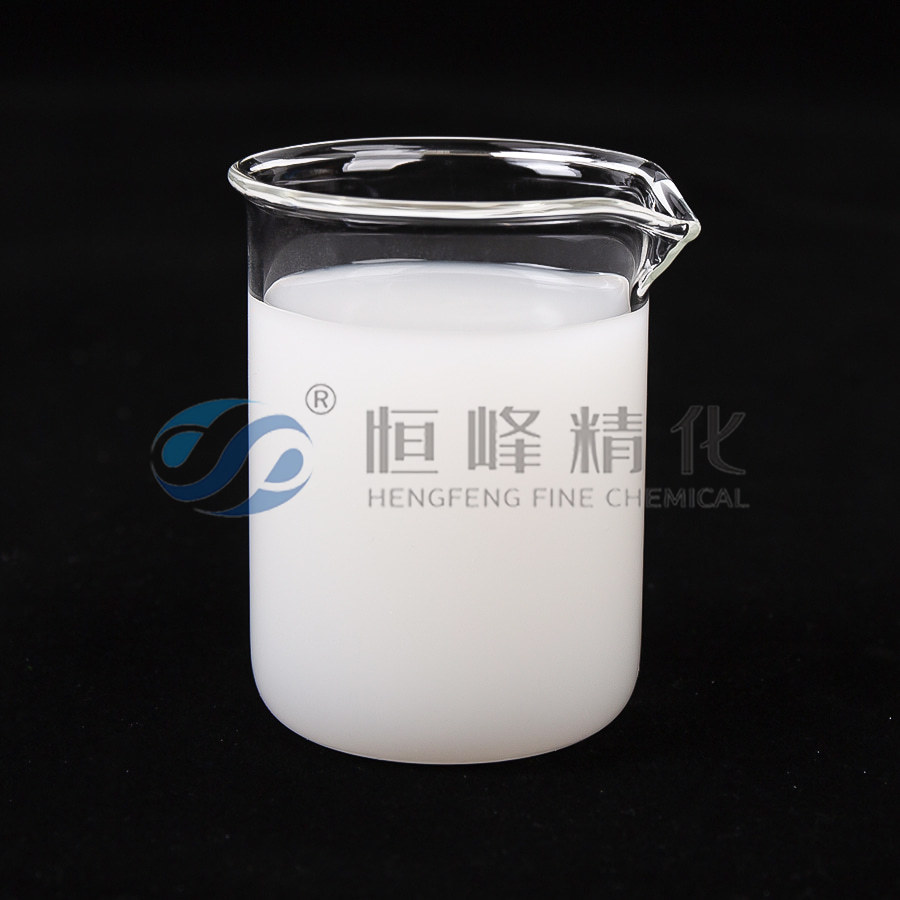
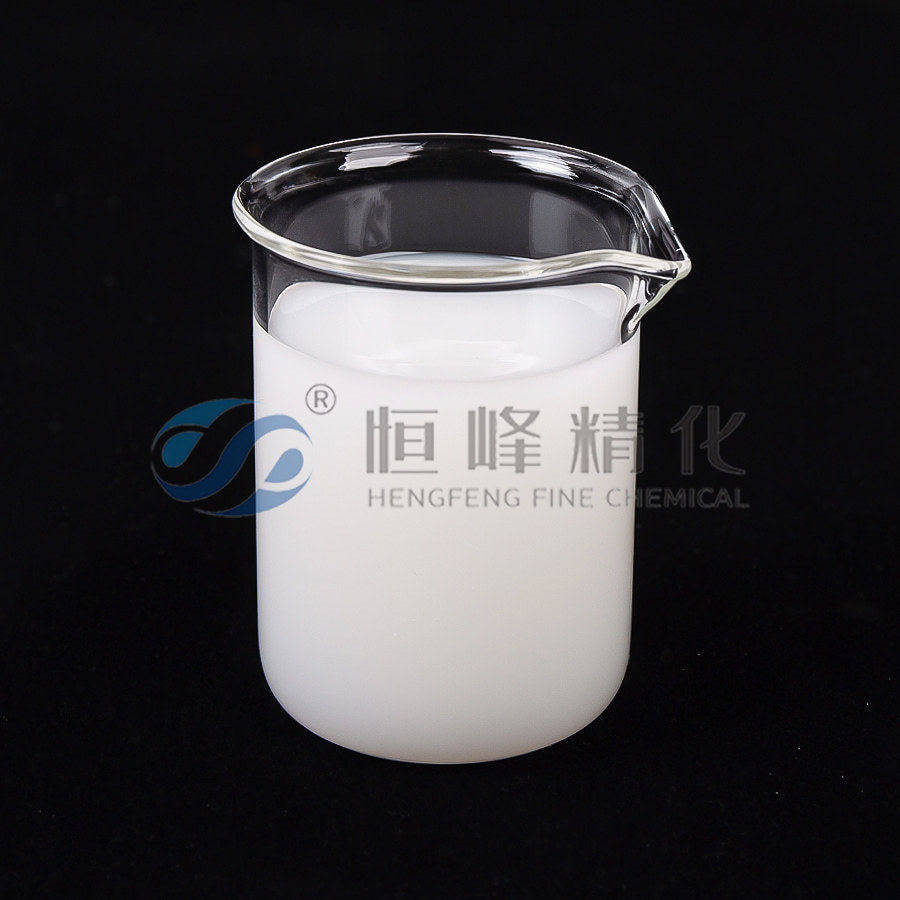
Powder grades can be cost-effective for stable operations with controlled solution preparation. Emulsion grades are often preferred when rapid dissolution, faster response, and more automated dosing are needed.
Initial recommendation
Starting point: Start with a targeted screen across charge density and MW, focusing on both settling speed and compaction. Validate under realistic shear and chemistry (temperature/ionic strength).
Contact us for a precise grade recommendation
A precise recommendation requires your real operating data. Please submit the form and include the items below (you may provide ranges/estimates if exact values are not available). We also welcome complex or rare cases.
- Process chemistry indicators (pH/alkalinity/ionic strength if available): Red mud behavior is chemistry-sensitive; helps avoid selecting a narrow window.
- Temperature range: Settling and floc integrity change with temperature.
- Target overflow clarity and underflow density: Ensures selection balances clarity, speed, and compaction.
- Where you can dose (mixing energy and residence time): Controls whether flocs form and survive.
- Solution concentration and aging time: Ensures full dissolution and repeatable results.
- Problem repeat probability: Supports selection for stable long-term operation.
What you will receive: recommended PAM type/form, 2–3 candidate grade windows, an initial dosing range for a controlled trial, and step-by-step jar test / plant trial guidance.