
 English
 Español
 عربى
عربى Français
 Русский
 Tiếng Việt




Preliminary Suggestions
| Typical indicators / objective observations | Likely direct causes | Low-cost actions to try first | When you should introduce / re-select PAM | Why PAM is recommended here |
|---|---|---|---|---|
| Rising torque/drag; sticking tendency increases | Insufficient lubricity; unstable rheology; solids interaction | Verify solids control; review lubricant addition and water quality; stabilize mixing | When operational risk demands a more stable fluid performance window | A compatible polymer program can stabilize flow behavior and support friction management |
| Friction varies run-to-run | Inconsistent mixing/hydration; water chemistry variability; additive interactions | Standardize mixing SOP; validate compatibility; control dilution water quality | When repeatability is required to manage operational risk | Correct form and grade selection improves response consistency |
| Hole cleaning problems amplify friction | Poor suspension/transport; inadequate rheology window | Stabilize rheology targets; improve circulation and solids removal | When friction is coupled with cuttings transport limitations | A tuned polymer program supports suspension and reduces variability-related risk |
Applicability boundary: Applicable for water-based fluid systems where friction and rheology are coupled levers. If friction is dominated by mechanical factors (tool failure, severe dogleg, damaged BHA), address mechanical root causes first.
Selection guidance: how to choose the right PAM-based additive for this oilfield scenario
Molecular weight (MW): friction reduction / viscosity build vs. pumpability
MW influences how strongly the polymer modifies flow behavior. Higher MW can strengthen friction reduction or viscosity effects, but may increase shear sensitivity. Select MW with your pump rate, shear environment, and on-site mixing constraints in mind.
Ionicity (anionic / cationic / nonionic): compatibility and formation interaction
Ionic type affects compatibility with brines, additives, and formation minerals (especially clays). The correct choice reduces performance loss from incompatibility and minimizes risks such as precipitation, excessive residue, or unintended interaction.
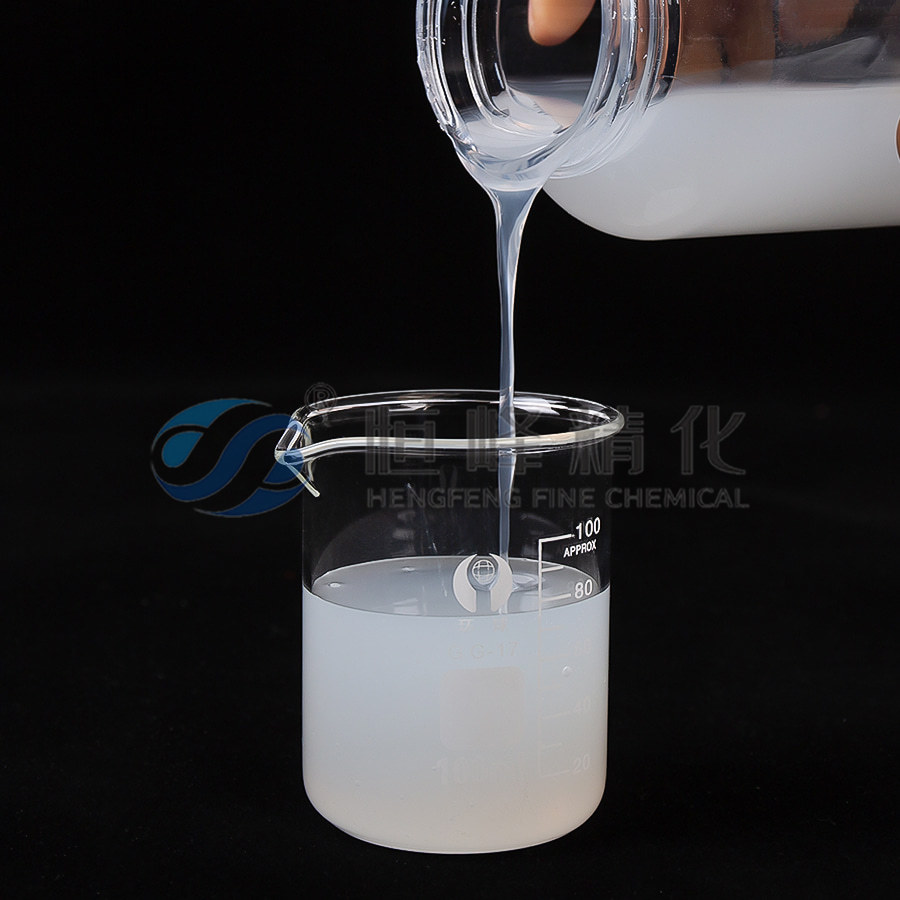
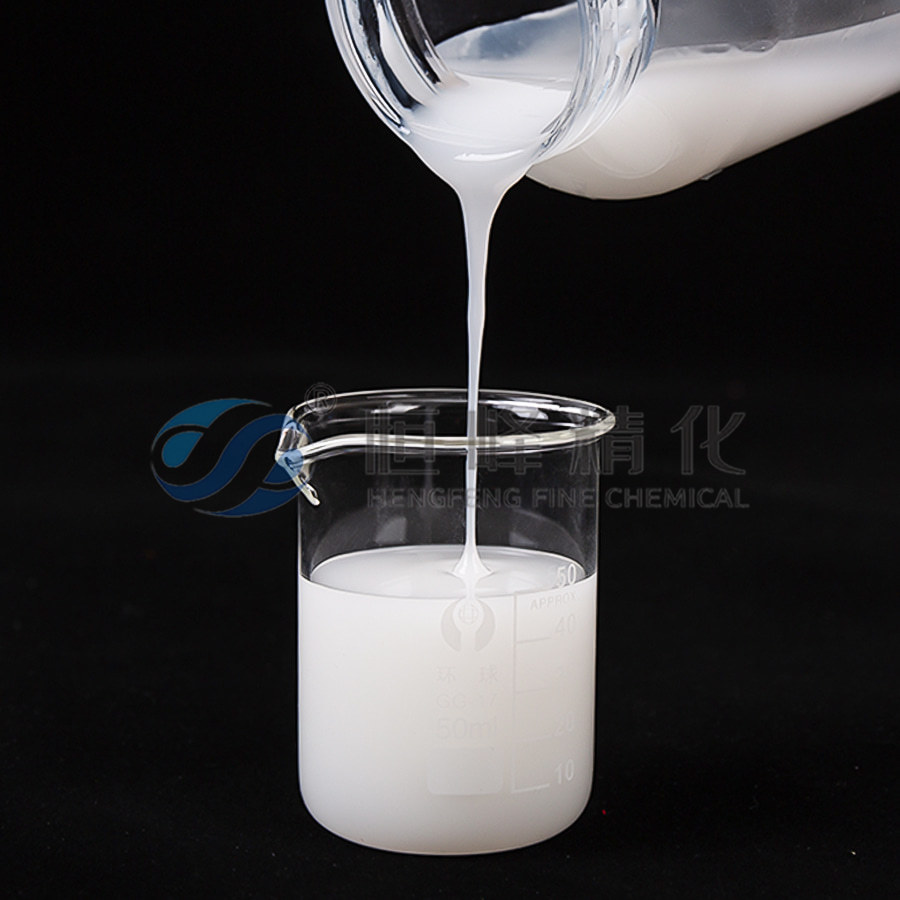
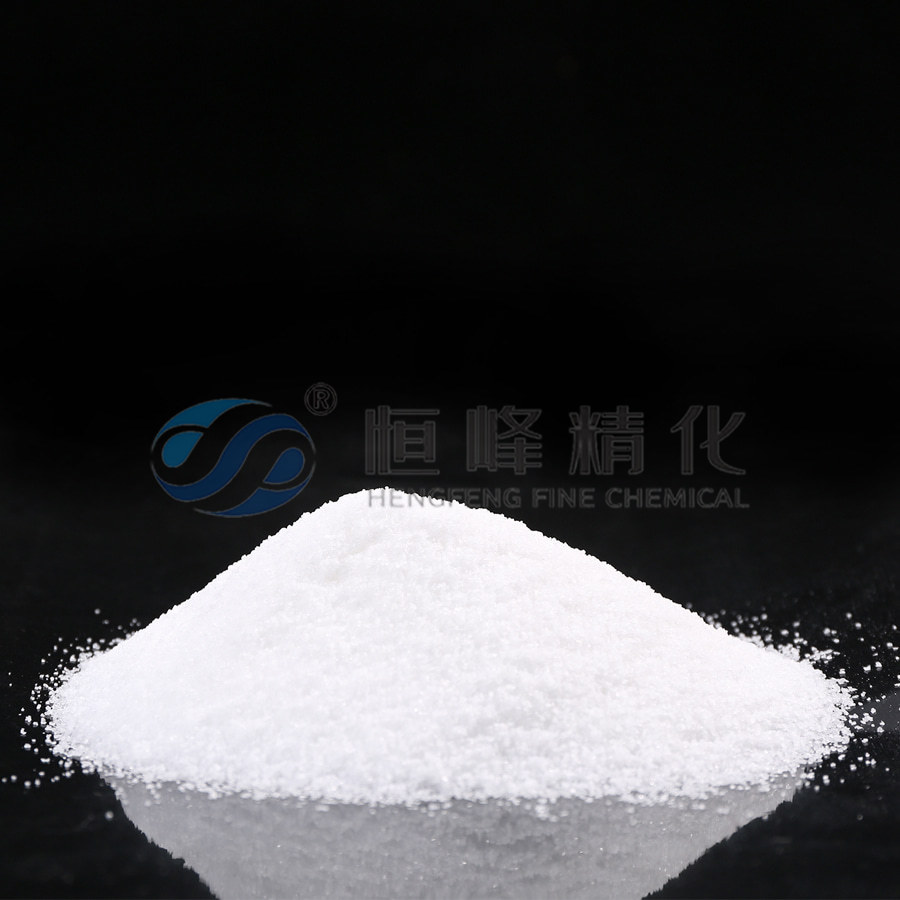
Emulsion vs powder: hydration speed and operational discipline
Powder requires disciplined hydration and sufficient mixing time; emulsion is often used when faster hydration and rapid response are needed. Choose based on blending equipment, water quality, and the operational tempo on location.
Practical compatibility: focus on your full fluid system
Oilfield fluids are multi-additive systems. The correct polymer grade must remain compatible with salts, surfactants, breakers, and other additives across temperature and shear. Selection should be validated by a controlled compatibility and performance test.
Initial recommendation
Starting point: Start by stabilizing the rheology window under your site water/brine conditions, then validate friction-reduction/lubricity outcomes in a controlled compatibility test. Select form (powder vs emulsion) based on mixing discipline and response time needs.
Contact us for a precise grade recommendation
A precise recommendation requires your operating parameters. Please submit the form and include the items below (ranges/estimates are acceptable). We also welcome complex or rare cases.
- Well profile and operational mode (sliding/rotating): Defines where torque/drag and sticking risks are highest.
- Water/brine chemistry and temperature: Controls compatibility and performance consistency.
- Current lubricant and additive package: Polymer must remain compatible with the full system.
- Target KPI (torque/drag trend, sticking incidents, ROP impact): Keeps evaluation objective and measurable.
- Mixing equipment and hydration time constraints: Determines the practical product form.
- Problem repeat probability: Guides the required robustness of the program.
What you will receive: recommended polymer type/form, 2–3 candidate grade windows, an initial dosage guidance for a controlled field trial, and step-by-step mixing/compatibility test suggestions.