
 English
 Español
 عربى
عربى Français
 Русский
 Tiếng Việt




Preliminary Suggestions
| Typical indicators / objective observations | Likely direct causes | Low-cost actions to try first | When you should introduce / re-select PAM | Why PAM is recommended here |
|---|---|---|---|---|
| Poor cuttings transport; hole cleaning issues | Rheology window too low; polymer degradation; incompatibility with salts | Verify water quality and salt regime; stabilize solids control; standardize mixing | When stable rheology is required to protect drilling performance | PAM can help build controllable viscosity and improve suspension/transport behavior |
| Viscosity swings with salinity/temperature | Shear and thermal sensitivity; incompatibility; inadequate hydration | Control mixing energy and hydration time; verify compatibility in representative brine | When the fluid system must remain stable across changing conditions | Correct ionic type/form improves compatibility and reduces performance loss |
| High torque/drag and poor lubricity symptoms | Inadequate lubrication; unstable rheology; solids interaction | Review lubricant program and solids control; avoid reactive overdosing | When both rheology stability and friction control are needed | Polymer program optimization can stabilize the system and reduce operational variability |
Applicability boundary: Applicable for water-based drilling fluid systems where polymer selection is a primary lever. If instability is driven mainly by mechanical solids-control failure or severe contamination events, correct those first.
Selection guidance: how to choose the right PAM-based additive for this oilfield scenario
Molecular weight (MW): friction reduction / viscosity build vs. pumpability
MW influences how strongly the polymer modifies flow behavior. Higher MW can strengthen friction reduction or viscosity effects, but may increase shear sensitivity. Select MW with your pump rate, shear environment, and on-site mixing constraints in mind.
Ionicity (anionic / cationic / nonionic): compatibility and formation interaction
Ionic type affects compatibility with brines, additives, and formation minerals (especially clays). The correct choice reduces performance loss from incompatibility and minimizes risks such as precipitation, excessive residue, or unintended interaction.
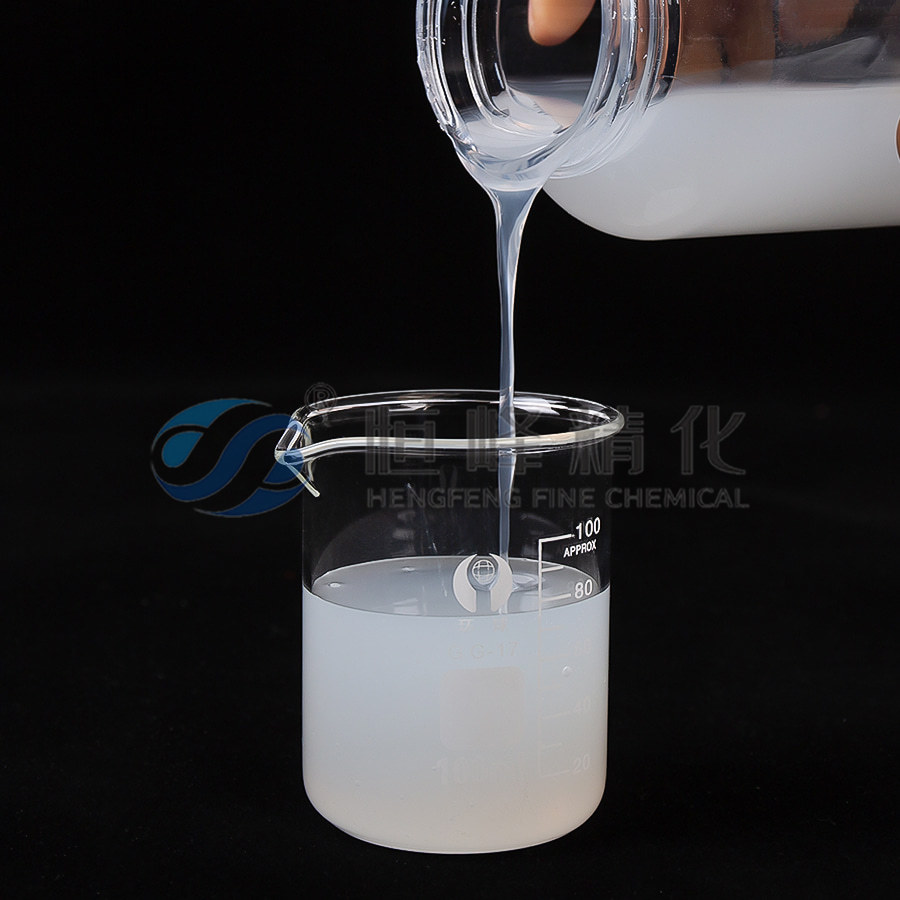
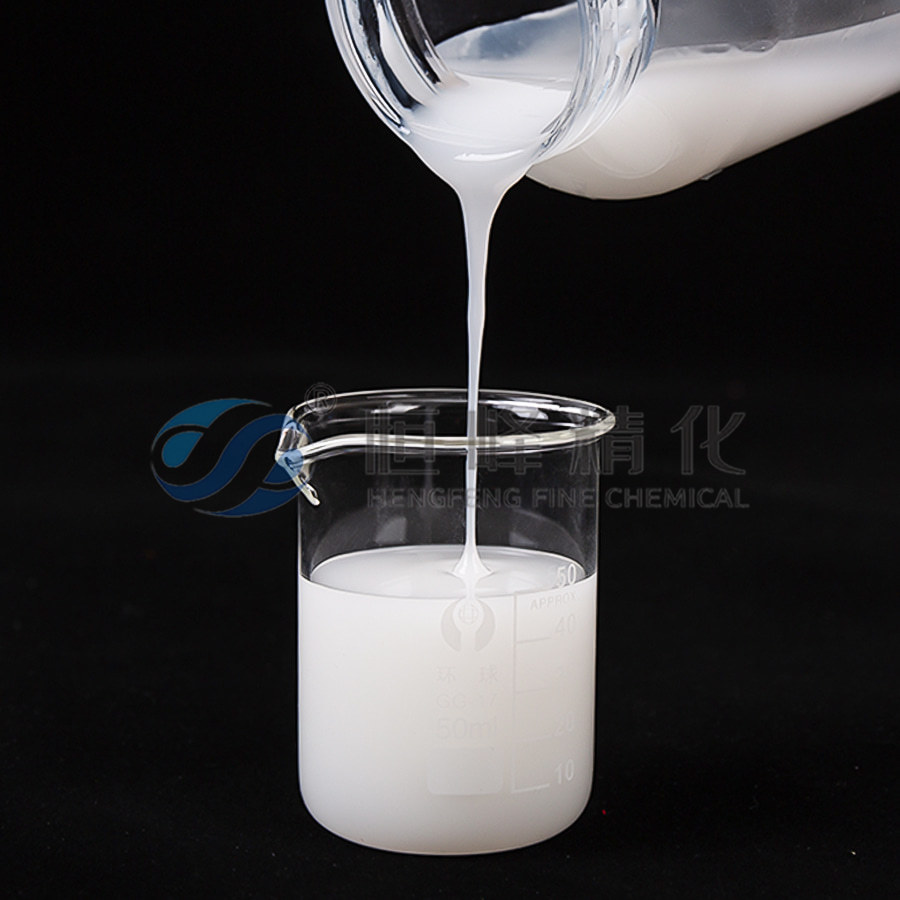
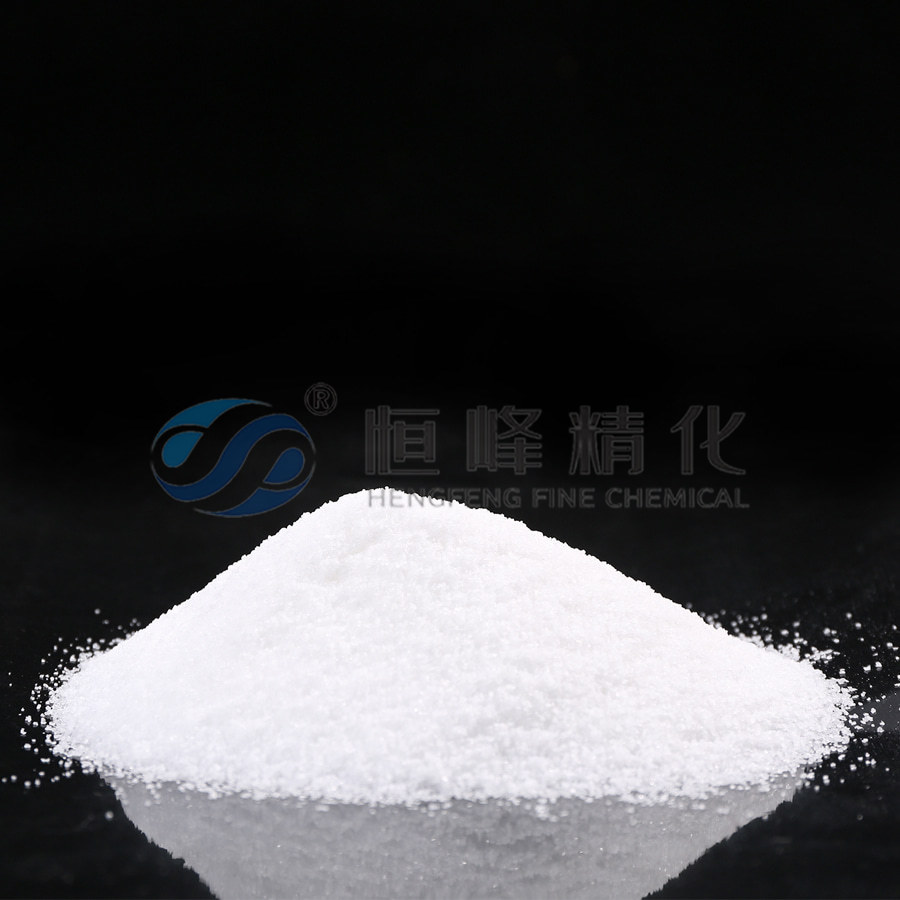
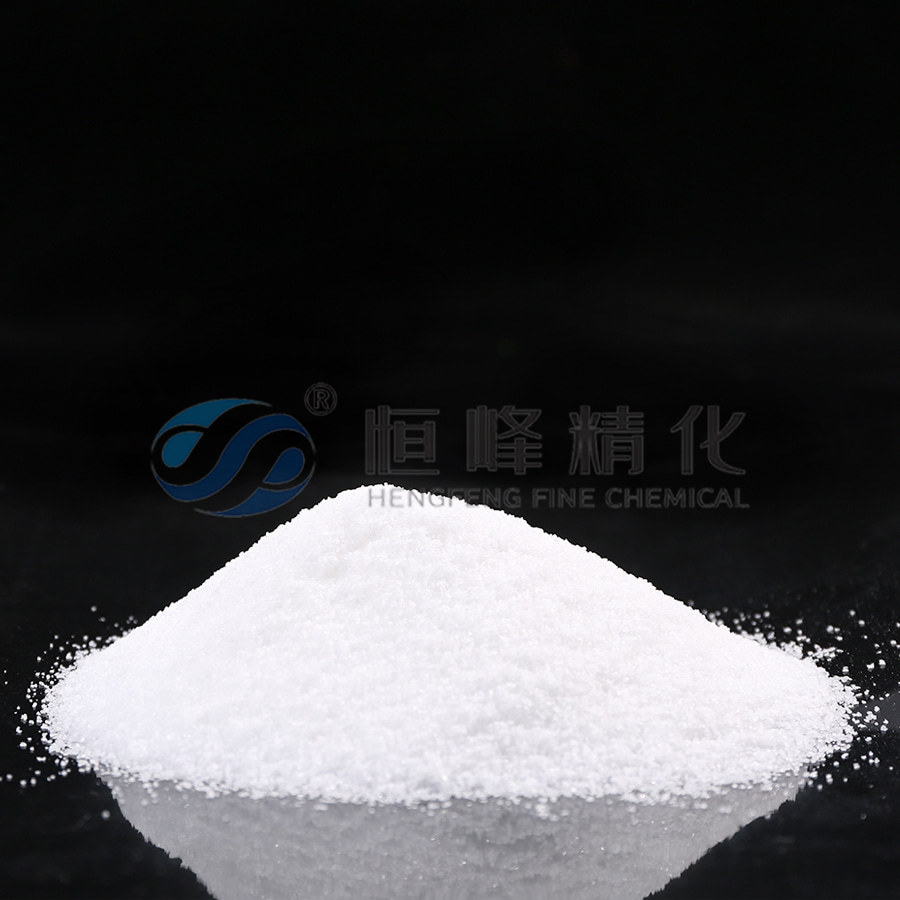
Emulsion vs powder: hydration speed and operational discipline
Powder requires disciplined hydration and sufficient mixing time; emulsion is often used when faster hydration and rapid response are needed. Choose based on blending equipment, water quality, and the operational tempo on location.
Practical compatibility: focus on your full fluid system
Oilfield fluids are multi-additive systems. The correct polymer grade must remain compatible with salts, surfactants, breakers, and other additives across temperature and shear. Selection should be validated by a controlled compatibility and performance test.
Initial recommendation
Starting point: Begin with a compatibility-first selection in your representative water/brine: choose an ionic type and form that hydrates reliably on location, then tune MW to reach the target rheology window without excessive shear sensitivity.
Contact us for a precise grade recommendation
A precise recommendation requires your operating parameters. Please submit the form and include the items below (ranges/estimates are acceptable). We also welcome complex or rare cases.
- Water source and salinity/hardness: Determines compatibility and hydration behavior.
- Target rheology window (PV/YP/gel strength if tracked): Defines performance targets and acceptance criteria.
- Temperature range and circulation profile: Affects polymer stability and viscosity response.
- Solids loading and drilled formation type: Controls rheology demand and interaction with clays.
- Mixing equipment and hydration time available: Determines whether powder or emulsion is practical.
- Problem repeat probability: Guides robustness needs for a stable field program.
What you will receive: recommended polymer type/form, 2–3 candidate grade windows, an initial dosage guidance for a controlled field trial, and step-by-step mixing/compatibility test suggestions.