
 English
 Español
 عربى
عربى Français
 Русский
 Tiếng Việt




Preliminary Suggestions
| Typical indicators / objective observations | Likely direct causes | Low-cost actions to try first | When you should introduce / re-select PAM | Why PAM is recommended here |
|---|---|---|---|---|
| Stickies/deposits increase; breaks rise | Charge imbalance; soft flocs; suspended contaminants not captured | Review broke handling; stabilize wet-end charge; optimize screening and cleaning | When chemical stability must be restored to reduce deposits | Correct PAM selection improves capture and reduces suspended deposit precursors |
| Additive consumption increases with limited improvement | Incompatibility; overdosing; unstable sequence | Simplify and stabilize additive sequence; avoid reactive overdosing | When the system needs a robust operating window | A stable polymer program reduces variability and improves controllability |
| Defects spike after furnish change | Contaminant load changes; wet-end chemistry drifts | Segment sources; normalize furnish transitions; tighten monitoring | When variability is structural (not occasional) | Grade matching and program logic can provide resilience across variability |
Applicability boundary: Applicable when deposits are driven by wet-end chemistry and suspended solids behavior. If deposits are dominated by a specific contaminant source (e.g., adhesives from a particular furnish stream), isolate and treat that source first.
Selection guidance: how to choose the right PAM for this papermaking scenario
Molecular weight (MW): retention strength vs. formation risk
Higher MW can increase bridging and retention of fines/fillers, but excessive floc size may harm formation and sheet uniformity. The best MW window depends on machine shear in approach flow and your target balance (retention vs. formation vs. drainage).
Charge density (cationicity): wet-end is a charge-controlled system
Charge density governs how PAM interacts with negatively charged fibers, fines, and fillers. Too low may underperform; too high or overdosing may create soft flocs, deposit tendency, or drainage swings. A practical program keeps the system in a stable charge window.
Cationic vs anionic vs nonionic: selecting the ionic type
For wet-end retention and drainage improvement, cationic PAM is commonly used as a retention/filter aid. Anionic or nonionic grades may be relevant in specific sub-systems (for example, certain coating or dispersion control tasks) depending on the chemistry regime.
Emulsion vs powder: choosing by control and response speed
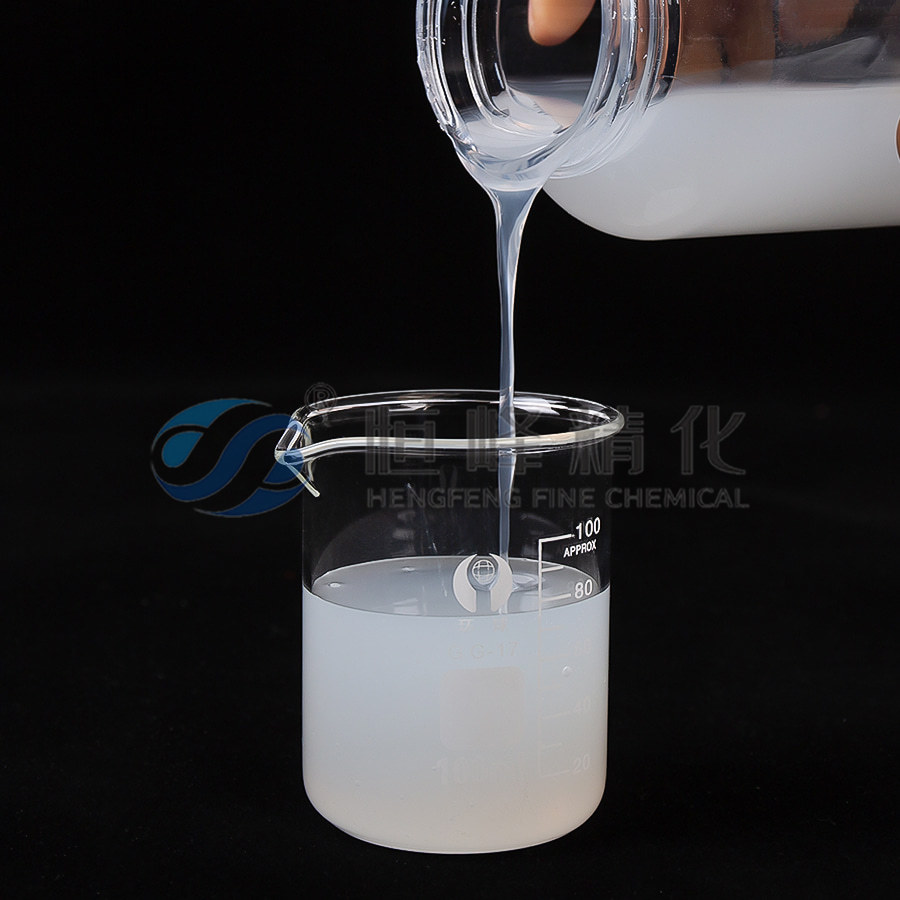
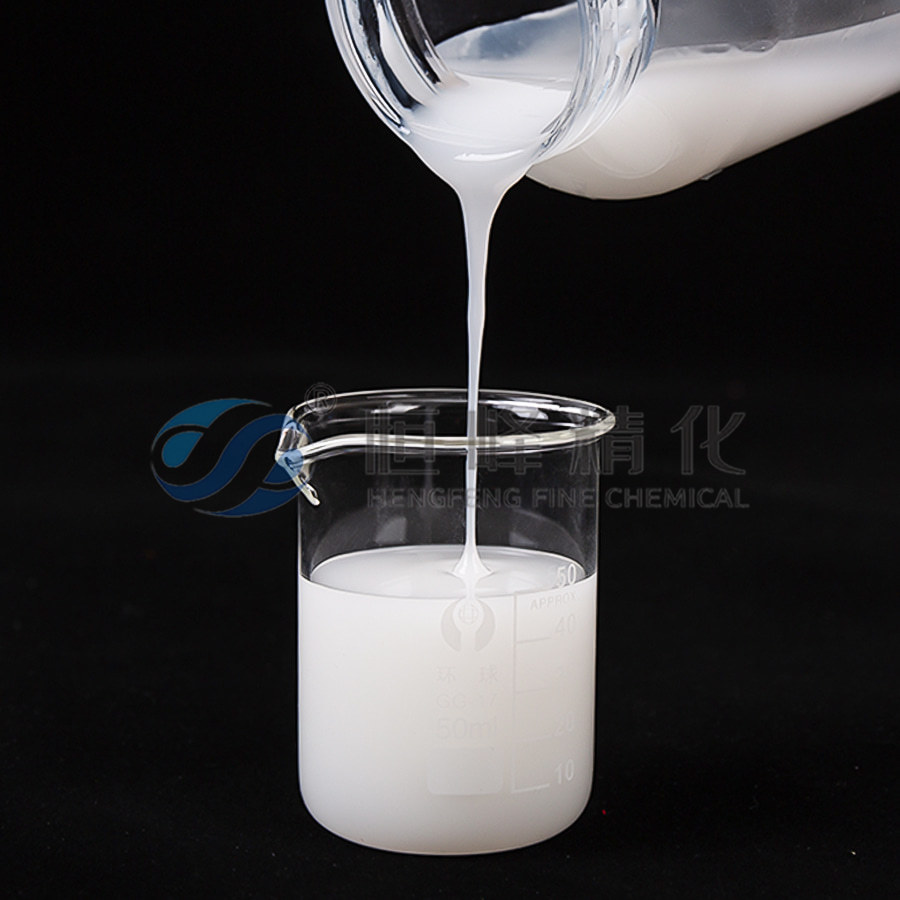
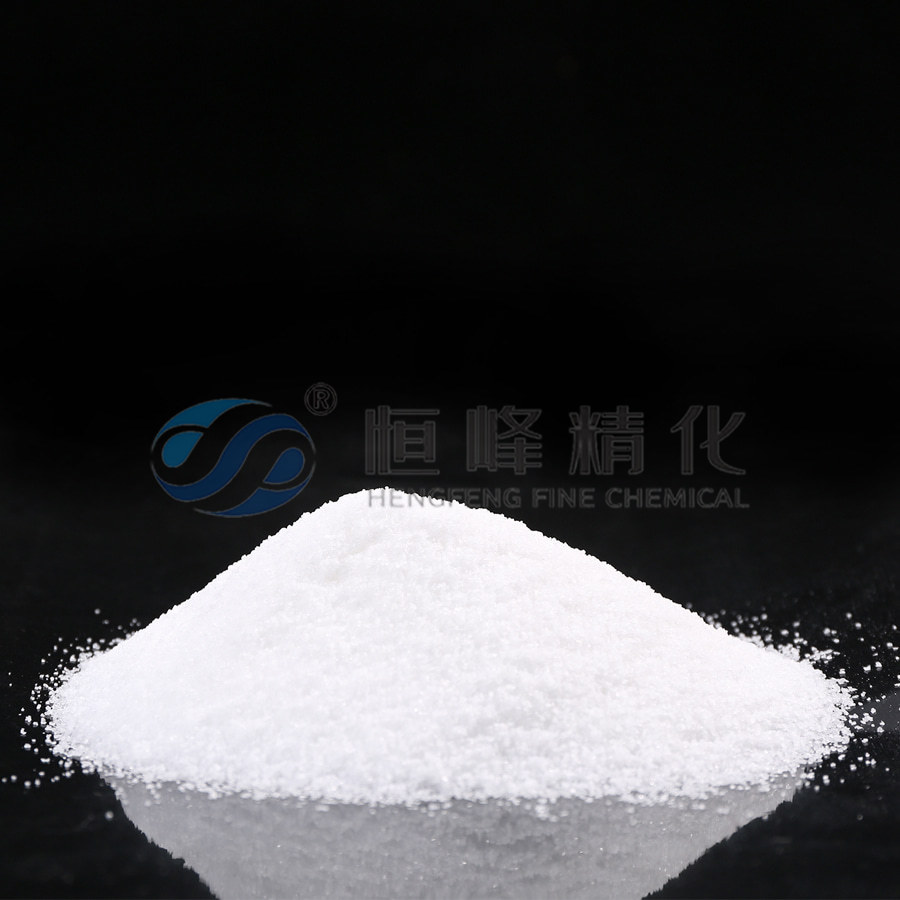
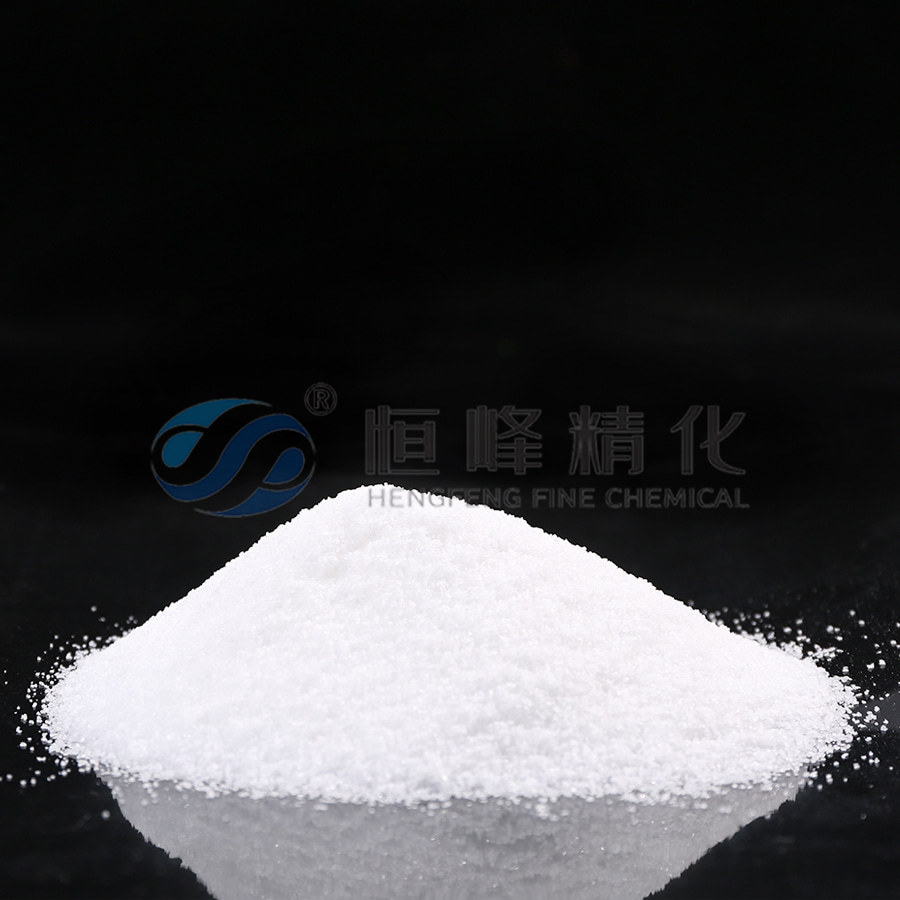
Powder grades can be economical for stable operations with disciplined solution preparation. Emulsion grades can be preferred when fast response and more automated dosing are required. Choose based on your make-down capability, staffing, and control needs.
Initial recommendation
Starting point: Start with a retention/clarification baseline that stabilizes suspended solids capture, then refine charge density and MW to avoid soft flocs that can contribute to deposits. Measure success by breaks, defect rate, and short-circulation stability.
Contact us for a precise grade recommendation
A precise recommendation requires real wet-end data. Please submit the form and include the items below (ranges/estimates are acceptable if exact values are unavailable). We also welcome complex or rare cases.
- Furnish sources and broke usage pattern: Deposit-driving contaminants often enter with specific furnish streams.
- Short-circulation turbidity/solids trend: Higher suspended solids increase deposit risk.
- Additive sequence and known incompatibilities: Many deposit events are triggered by sequence or overdosing.
- Wet-end pH and conductivity: Affects charge demand and stability.
- Defect/break pattern and repeat probability: Links chemistry changes to operational outcomes.
- Current retention aid details: Helps identify whether the program creates soft or fragile flocs.
What you will receive: recommended PAM type/form, 2–3 candidate grade windows, an initial dosing range for a controlled trial, and step-by-step guidance for a practical machine-side validation.