
 English
 Español
 عربى
عربى Français
 Русский
 Tiếng Việt

Preliminary Suggestions
| Common indicators or objective signs | Most likely direct causes | What you can try first | When to add PAM | Why PAM is recommended |
|---|---|---|---|---|
| Weak or delayed floc growth | Low temperature slows kinetics; mixing/time not adjusted; grade mismatch | Increase flocculation time if possible; verify mixing gradient | When process tweaks cannot restore stable floc size | Bridging accelerates floc growth and strengthens structure |
| Intermittent haze | Under-dispersed polymer; charge mismatch; short contact | Improve dilution and feed point; avoid late dosing | When haze drives filtration/disinfection instability | Improves capture of fine particles |
| Chemical use rises with marginal gain | Chasing with coagulant only; non-optimized sequence | Stabilize pH/alkalinity; run jar tests at operating temperature | When cost rises without stability | Proper grade match reduces trial-and-error |
Applicability boundary: Best for low-turbidity water where floc structure is the bottleneck. If hydraulics short-circuit contact zones, fix that first.
Selection guidance for low-temperature low-turbidity clarification
Molecular weight (MW)
You often need stronger bridging at low temperature, but higher MW flocs are more shear-sensitive; dosing point matters.
Charge density
Correct charge avoids fluffy, fragile flocs and improves settling consistency.
Emulsion vs powder
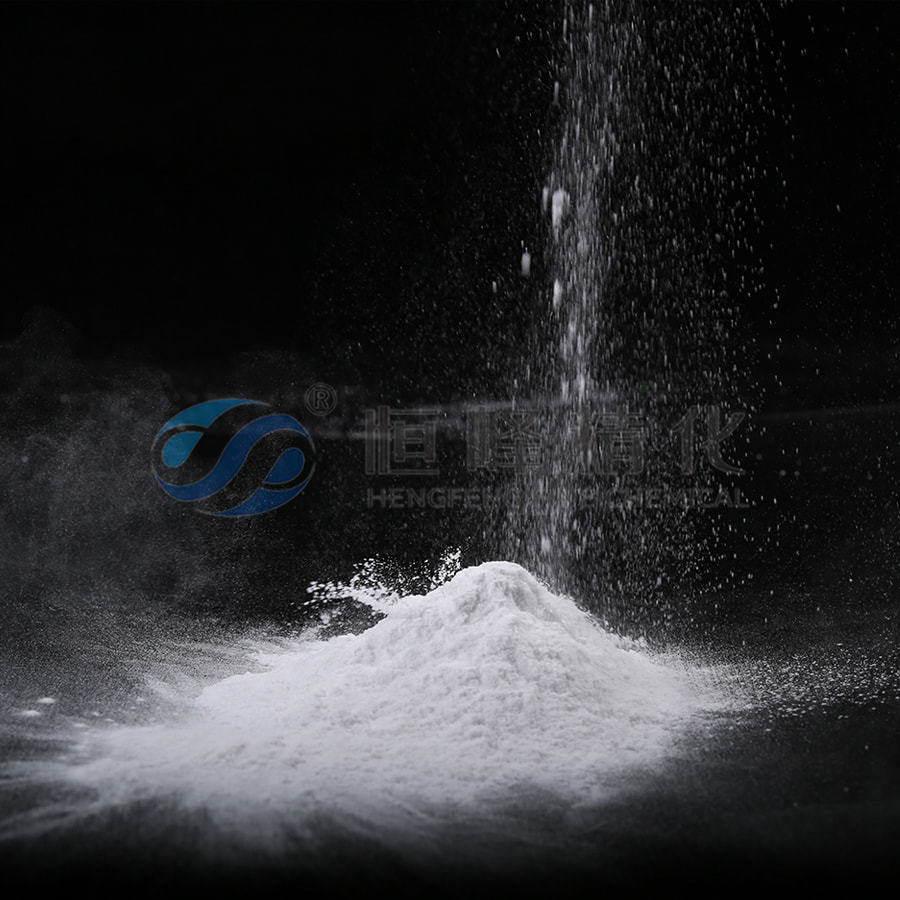
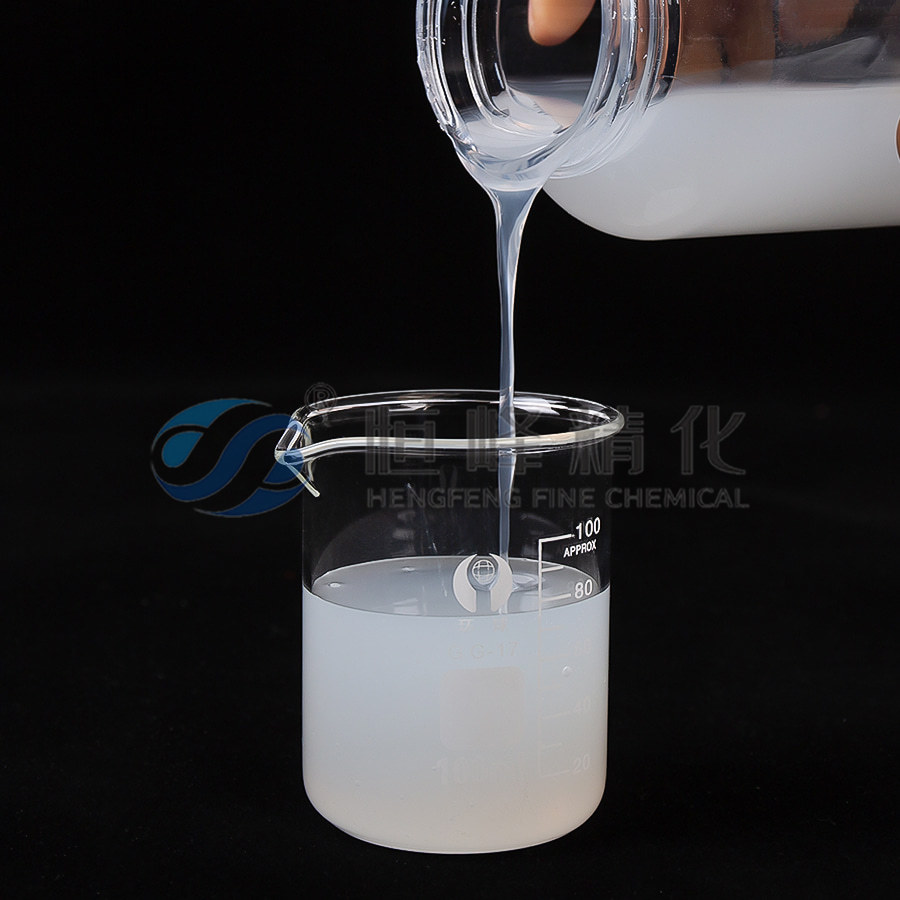
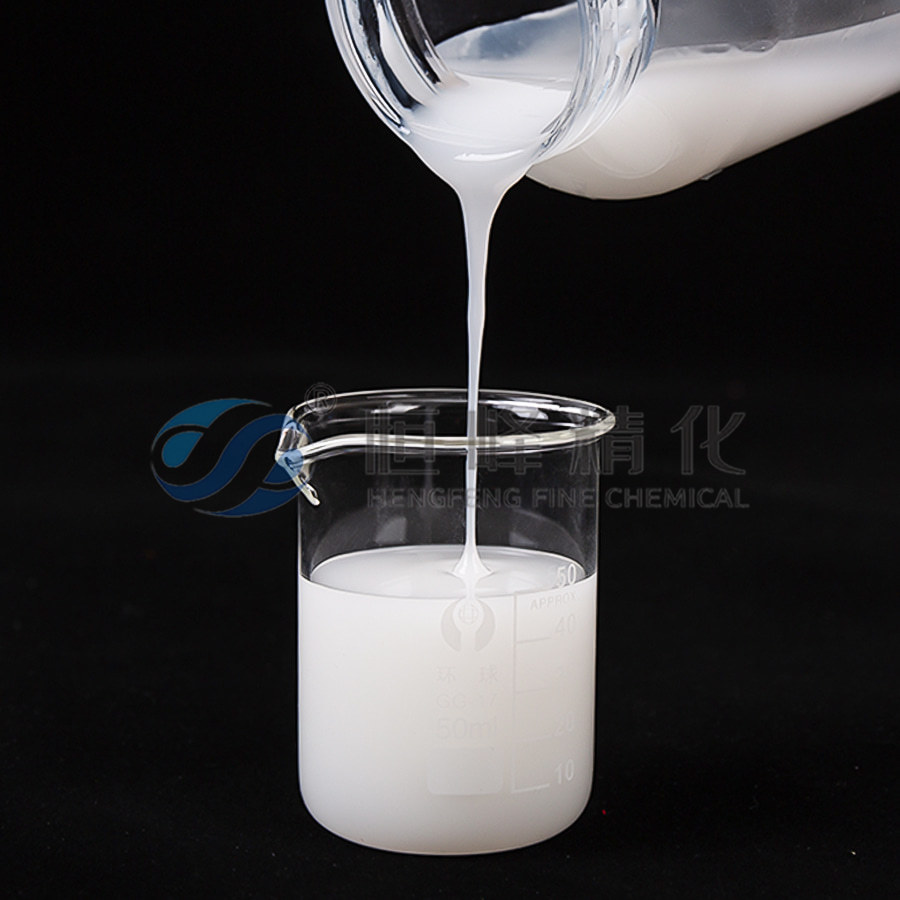
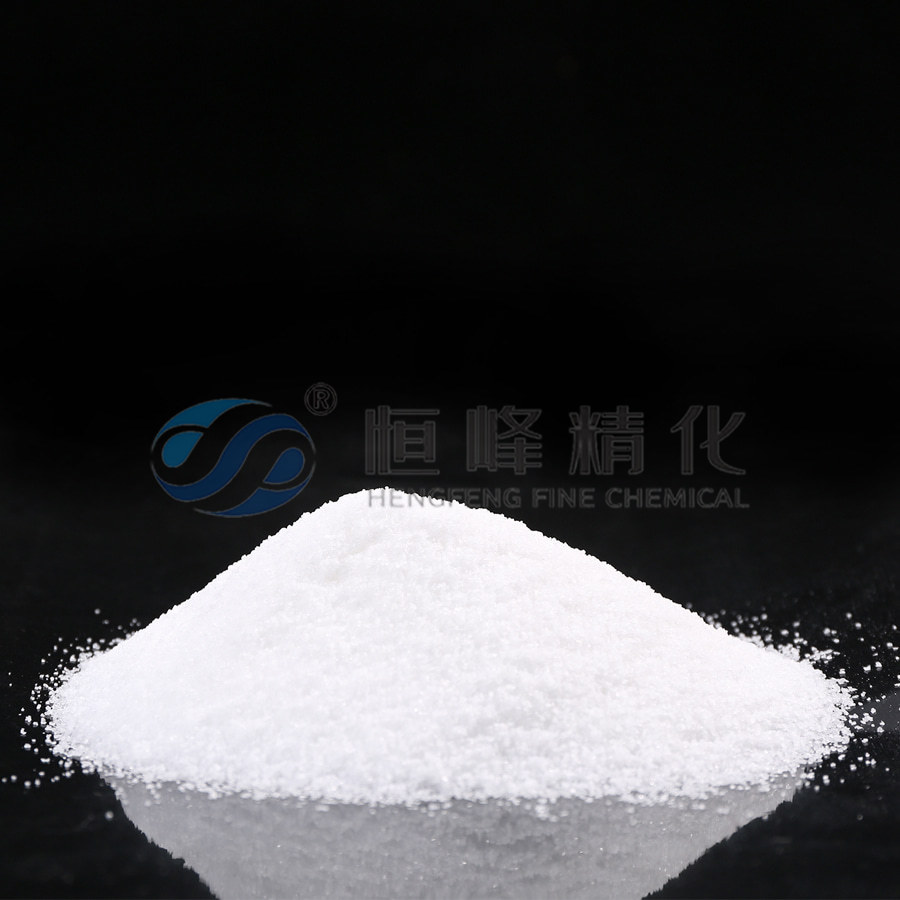
If you need faster response, emulsion can be convenient; powder performs well when make-down is disciplined.
APAM/CPAM/NPAM
Best ionic type depends on your coagulant and particle chemistry; confirm with a temperature-matched jar test.
Initial recommendation
Keep coagulation stable, then use a floc-building PAM in the flocculation stage to accelerate floc growth. Do not compensate solely with higher coagulant dose.
Contact us for a precise grade recommendation
Share the items below (ranges are acceptable). We will narrow the PAM type/form and the grade window and propose a safe starting trial plan.
- Water temperature: Sets kinetics limits and the robustness needed.
- Particle type: Fine mineral vs organic colloids respond differently and change the grade window.
- Coagulant program: Defines the destabilization baseline for PAM pairing.
- Flocculation zone details: Determines if time/energy or polymer window is limiting.
- Problem repeat probability: Guides a practical trial and KPI definition.
After you submit: recommended PAM path (type and form), 1–3 candidate grade windows, a starting-dose plan for a jar test or short trial, and dosing-point guidance.