
 English
 Español
 عربى
عربى Français
 Русский
 Tiếng Việt


Preliminary Suggestions
| Common indicators / objective symptoms | Likely direct causes (Top factors) | What you can try first (low-cost actions) | When you should introduce PAM | Why PAM is recommended (mechanism) |
|---|---|---|---|---|
| High TSS/turbidity in recycle loop; intermittent spikes | Load variability, poor destabilization, wrong PAM charge/MW, insufficient mixing at dosing point | Stabilize upstream solids load; verify coagulation step; check mixing and dilution discipline | When mechanical clarification is at its limit and overflow still fails reuse requirements | PAM bridges fine particulates into stronger flocs to accelerate settling and improve overflow clarity |
| Downstream plugging/fouling (spray nozzles, exchangers) | Fine solids carryover; weak flocs breaking under shear | Reduce shear after floc formation; adjust dosing location closer to effective mixing zone | When fines carryover becomes the dominant reliability or maintenance cost driver | Correct PAM grade improves fines capture and reduces carryover-driven fouling |
| Clarifier performance unstable across shifts | Inconsistent dilution/make-down, changing pH/temperature, variable coagulant feed | Standardize solution prep and dosing; verify instrumentation and pump calibration | When stability is required with limited operator intervention | Grade matching + stable dosing reduces variability events and chemical overuse |
Applicability boundary: Best suited for recycle clarification where suspended solids and fine particulates are the limiting factor. If the root cause is oil emulsions, extreme pH swings, or hydraulic short-circuiting, address those first; PAM performs best after the system is properly destabilized and hydraulics are corrected.
Selection Guidance for Steel Plant Recycle Water Clarification
Molecular Weight (MW): bridging strength vs. shear sensitivity
MW mainly controls bridging. In this scenario, higher MW typically builds larger, faster-separating flocs, but it also increases shear sensitivity. If performance collapses after pumps, valves, or high-speed mixing, do not simply raise dosage—adjust MW window and dosing conditions.
Charge Density (ionicity): matching particle surface and fines behavior
Charge density controls how quickly particles neutralize and aggregate. Recycle waters often carry negatively charged fines and iron-rich particulates, so charge matching is crucial to avoid carryover. A mismatch often shows up as “fluffy” flocs, cloudy effluent/overflow, or unstable dose demand.
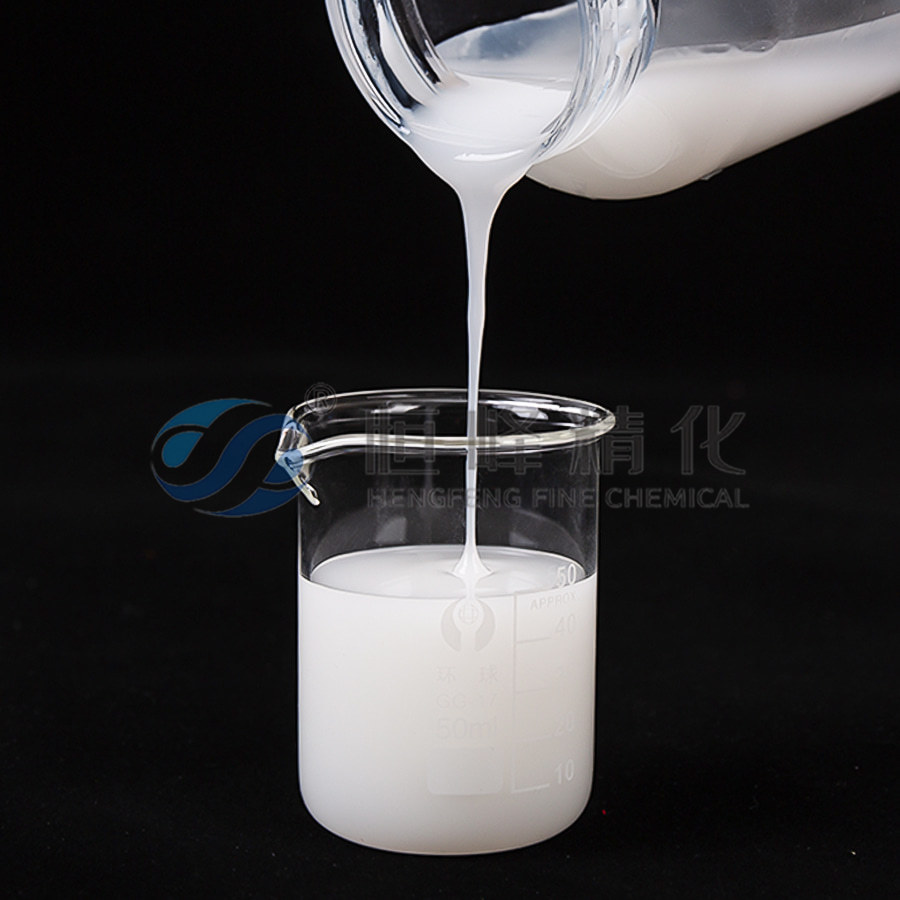
Emulsion vs. Powder: choose based on make-down control and response speed
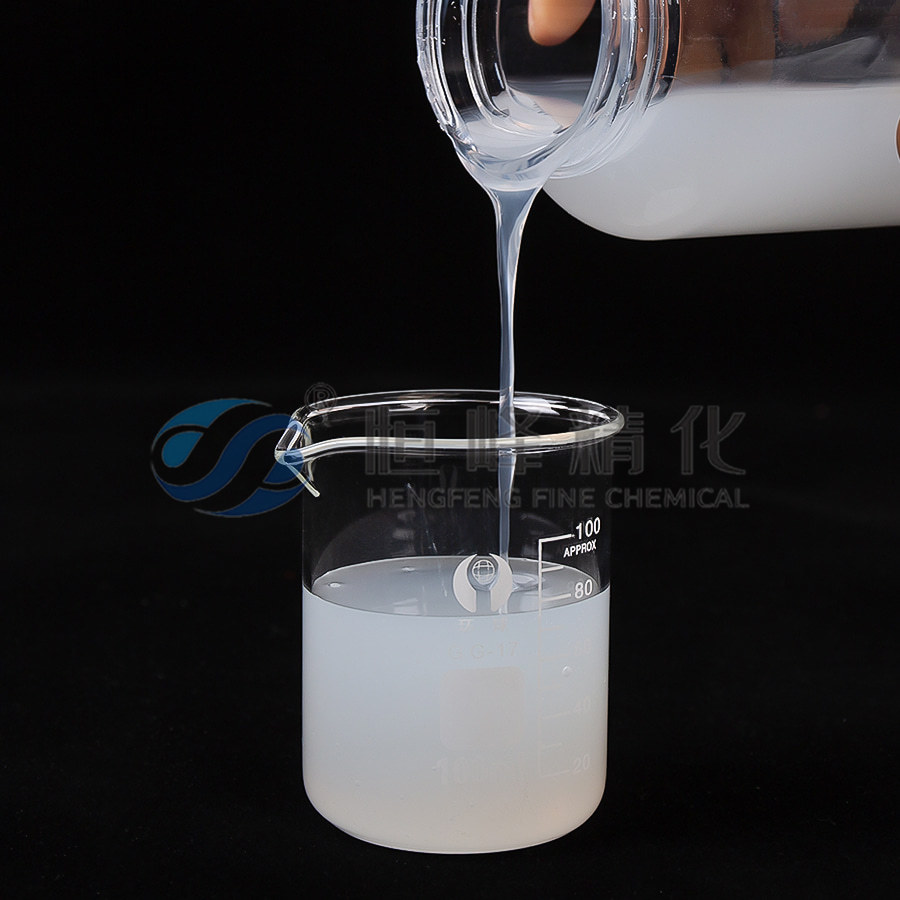
Powder programs can be economical but depend on disciplined make-down (concentration, wetting, aging time). Emulsion programs typically respond faster and can simplify automation when stable dosing is critical. Select the form that fits your staffing, control level, and response requirements.
APAM / CPAM / NPAM: a practical starting point
For high-TSS recycle water in metallurgy, start your screening with an anionic or cationic program depending on your coagulation step (confirm by tests) and confirm by jar testing or short plant trials. Final selection depends on fines content, pH/salinity, and shear conditions.
Initial Recommendation (industry-first logic)
Recommendation: Start with a PAC (or metal-salt) coagulation check for destabilization, then screen PAM grades to build fast-settling, strong flocs. Prioritize grades that maintain clarity under flow and shear changes.
Contact Us for a Precise Grade Recommendation
A reliable recommendation requires your real operating data. You can submit approximate ranges if exact measurements are not available.
- Recycle water source points (cooling, descaling, clarifier return) and variability pattern (repeat probability)
- Current TSS/turbidity ranges and reuse target limits
- pH, temperature, conductivity/salinity (if available)
- Existing coagulants/flocculants and dosing points
- Clarifier type, residence time, and observed sludge blanket behavior
- Downstream sensitivity (nozzle plugging, exchanger fouling, filtration issues)
What you will receive: recommended PAM type & form, 2–3 candidate grade windows, a starting dosage range for trials, and a practical jar/plant test procedure aligned to your KPI.