
 English
 Español
 عربى
عربى Français
 Русский
 Tiếng Việt


Preliminary Suggestions
| Common indicators / objective symptoms | Likely direct causes (Top factors) | What you can try first (low-cost actions) | When you should introduce PAM | Why PAM is recommended (mechanism) |
|---|---|---|---|---|
| High turbidity/TSS in return water | Fine solids carryover; unstable settling; clay-rich fines | Improve residence time if possible; stabilize intake; avoid disturbing settled solids | When reuse requires consistent clarity to protect process stability | PAM bridges fines into faster-settling flocs, improving clarity |
| Process instability linked to return water | Fines interfere with reagents, flotation, filtration | Segment recycle streams; monitor key indicators; stabilize flow | When recycle water causes measurable KPI loss (recovery, chemical spend) | Improved clarification reduces fines interference and stabilizes process |
| High chemical usage with limited clarity gain | Wrong grade window; poor dosing point; overdosing | Standardize jar tests; optimize injection and dilution; define success metric | When operating cost rises without reuse quality improvement | Correct grade increases capture efficiency and reduces wasted dose |
Applicability boundary: Best suited for suspended-solids driven turbidity in recycle/return water. If turbidity is caused mainly by dissolved color or ultra-fine colloids that require coagulation control, add a destabilization step first and use PAM as the bridging/clarification stage.
Selection Guidance for Tailings Return Water Clarification for Reuse
Molecular Weight (MW): bridging strength vs. shear sensitivity
MW mainly controls bridging. In this scenario, higher MW typically builds larger, faster-separating flocs, but it also increases shear sensitivity. If performance collapses after pumps, valves, or high-speed mixing, do not simply raise dosage—adjust MW window and dosing conditions.
Charge Density (ionicity): matching particle surface and fines behavior
Charge density controls how quickly particles neutralize and aggregate. Return water contains fine suspended solids that can remain stable; charge and MW selection must be tailored to fines/clay load. A mismatch often shows up as “fluffy” flocs, cloudy effluent/overflow, or unstable dose demand.
Emulsion vs. Powder: choose based on make-down control and response speed
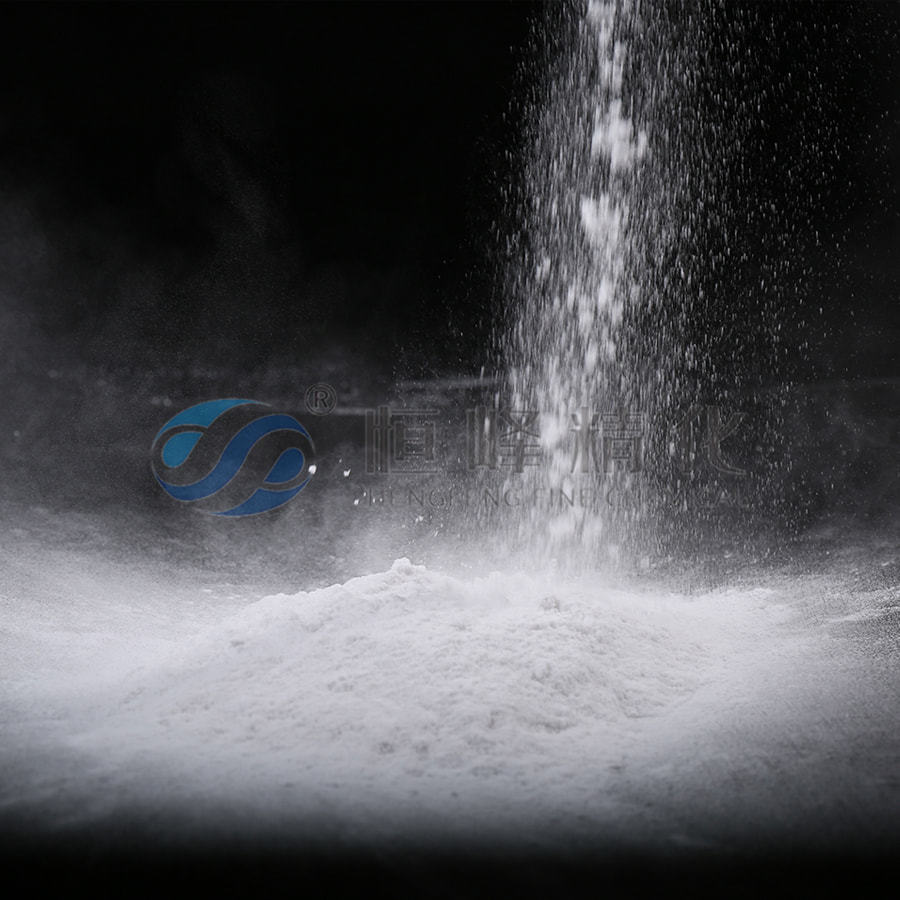
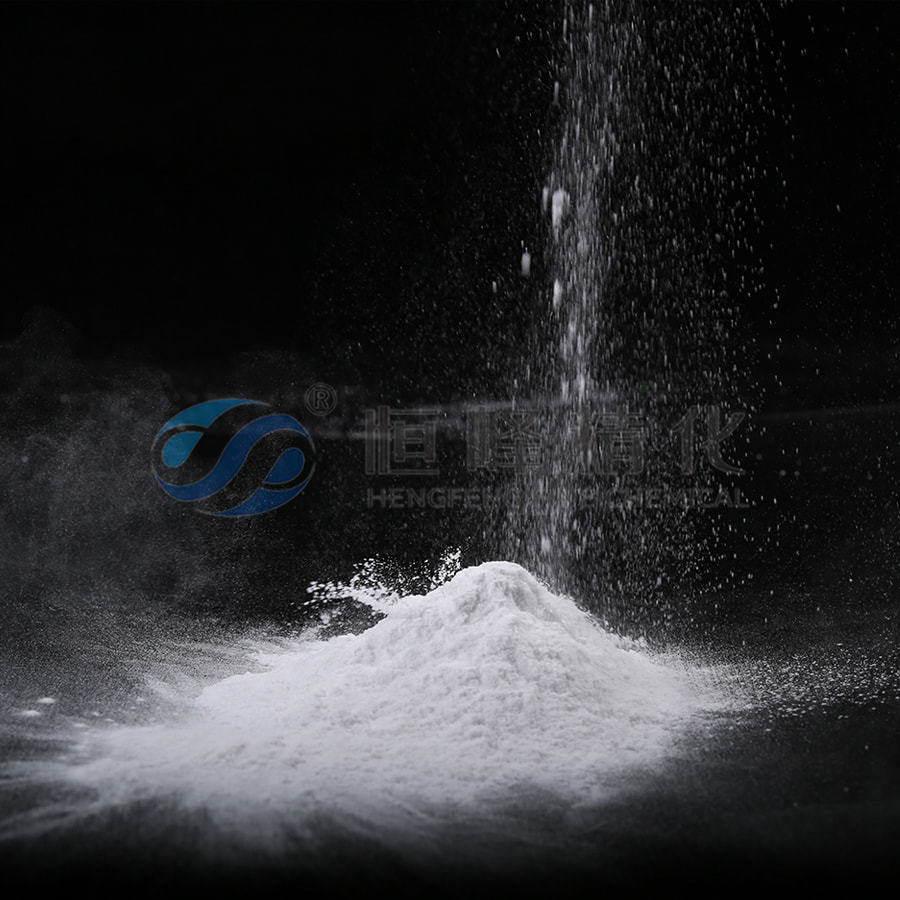
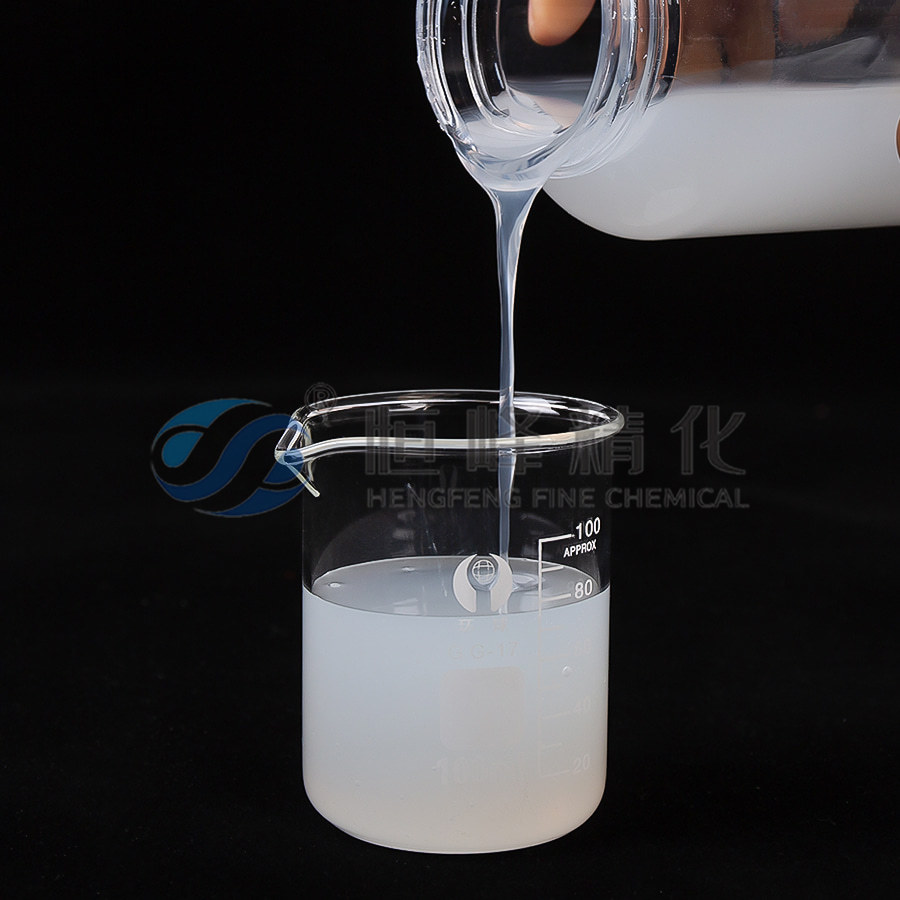
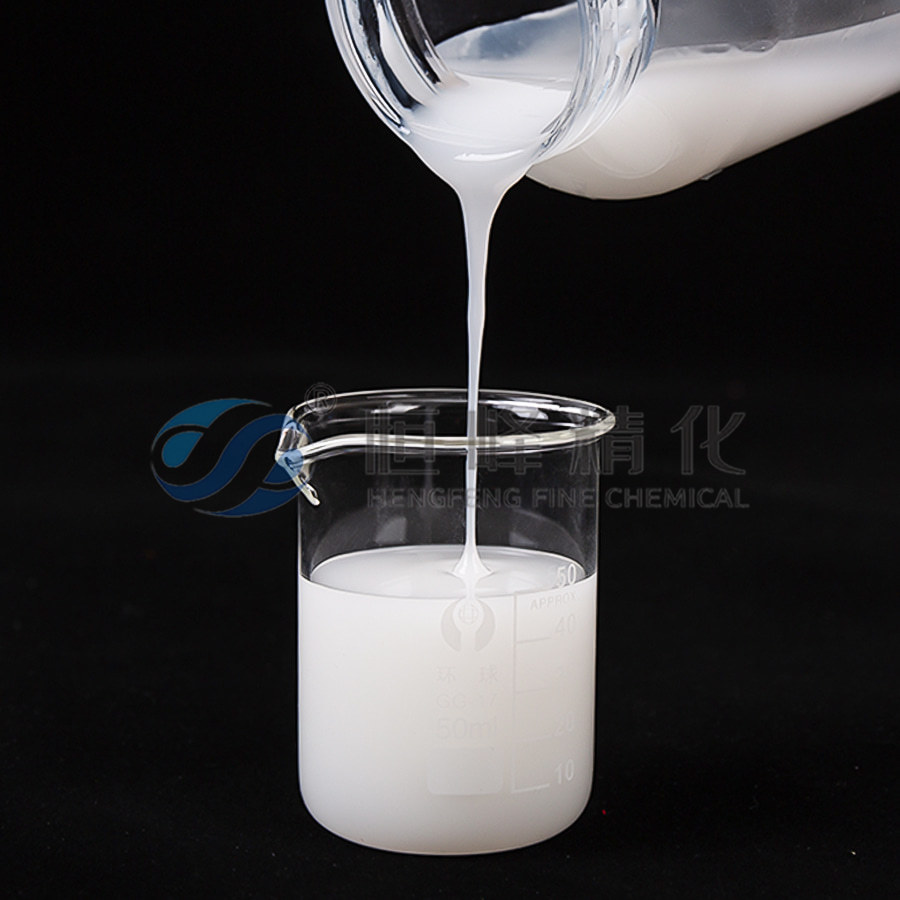
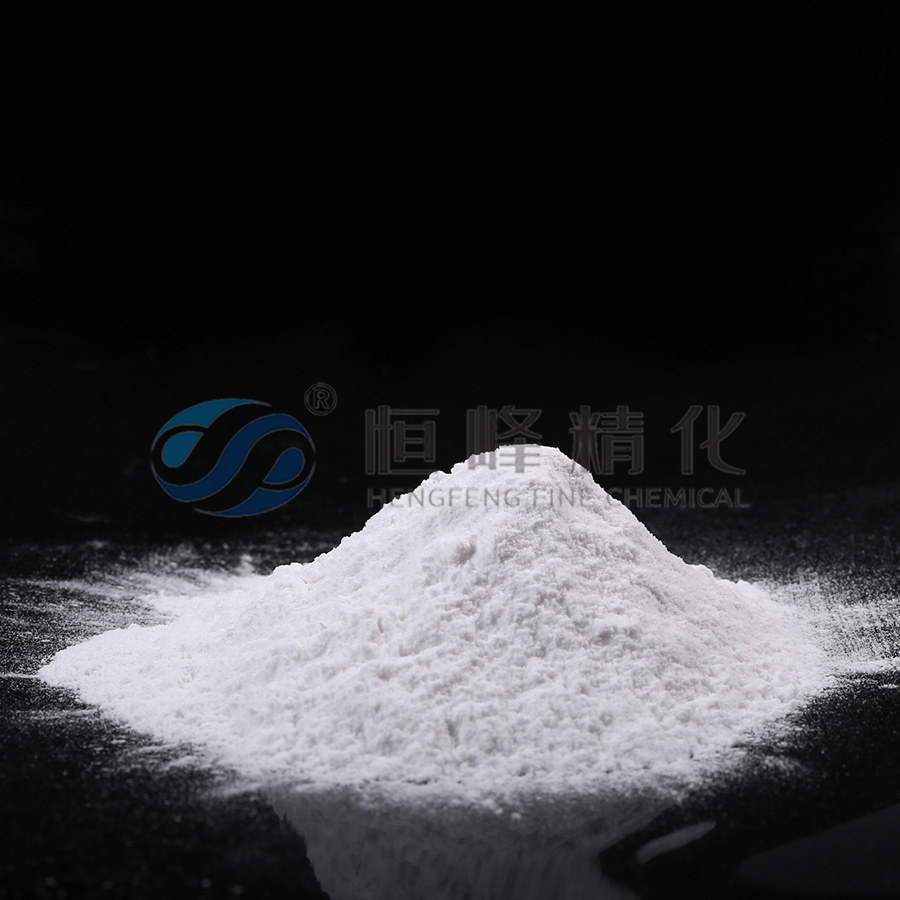
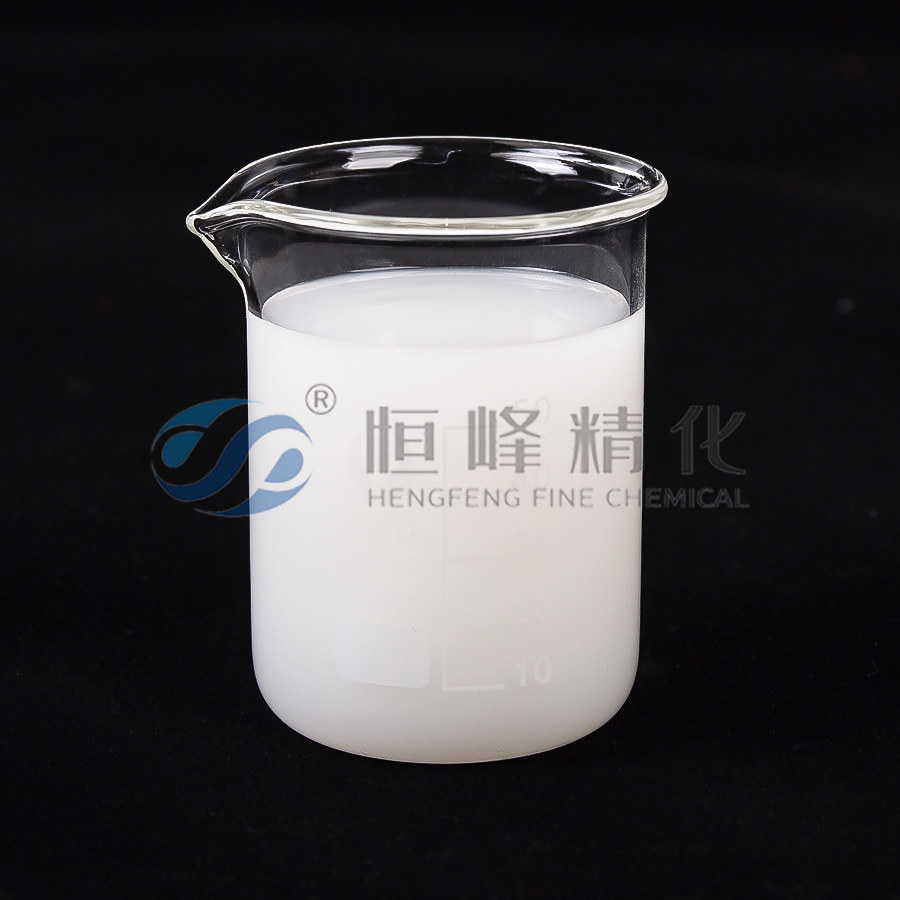
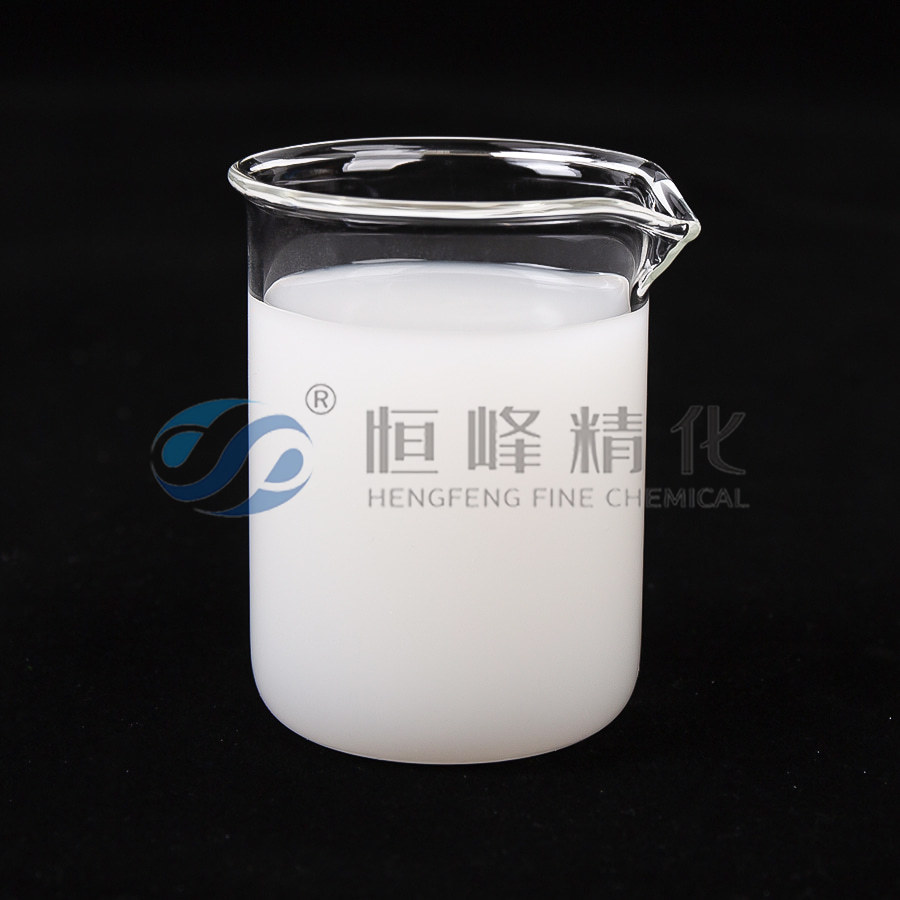
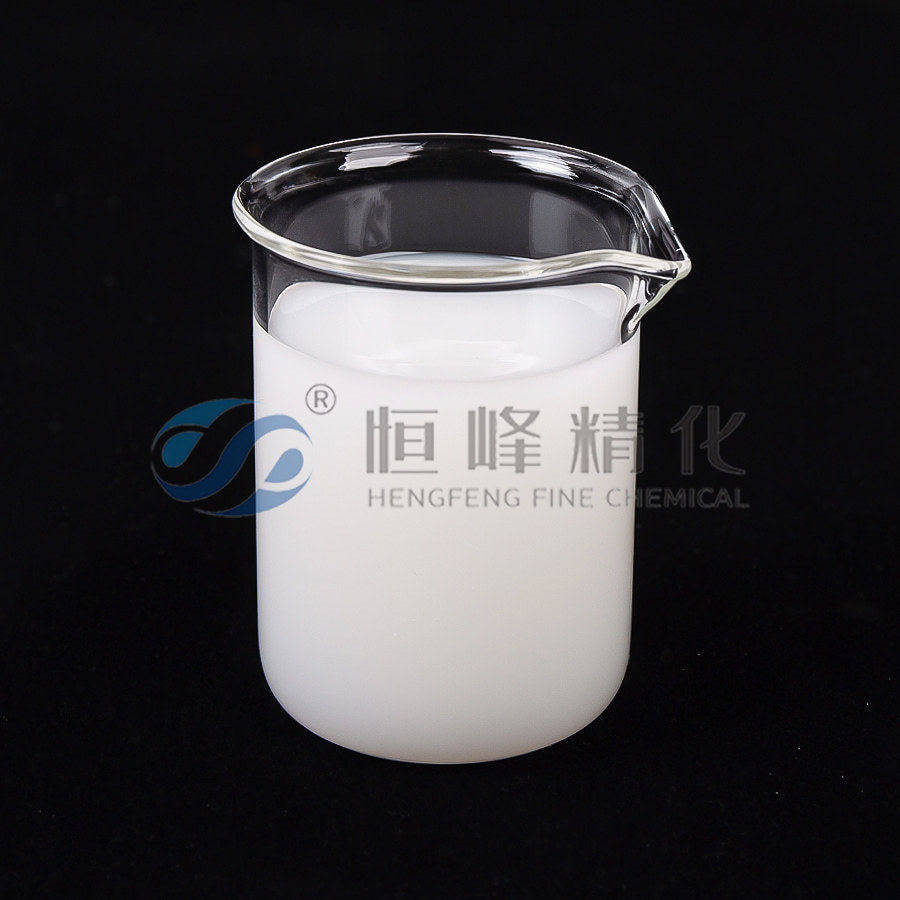
Powder programs can be economical but depend on disciplined make-down (concentration, wetting, aging time). Emulsion programs typically respond faster and can simplify automation when stable dosing is critical. Select the form that fits your staffing, control level, and response requirements.
APAM / CPAM / NPAM: a practical starting point
For turbid return water reuse, start your screening with a clarification-focused PAM program and confirm by jar testing or short plant trials. Final selection depends on fines content, pH/salinity, and shear conditions.
Initial Recommendation (industry-first logic)
Recommendation: Start by defining your reuse requirement (turbidity/TSS limit) and then screen PAM grades for maximum fines capture with minimal sludge volume increase. Validate with a short trial under real flow variability.
Contact Us for a Precise Grade Recommendation
A reliable recommendation requires your real operating data. You can submit approximate ranges if exact measurements are not available.
- Return water source and variability pattern (rain events, ore blend changes)
- Turbidity/TSS ranges and reuse target limits
- pH, conductivity/salinity, temperature
- Clarification equipment (pond/clarifier/thickener) and residence time
- Downstream sensitivity (pumps, flotation, reagent performance)
- Current chemicals (if any) and dosing point constraints
What you will receive: recommended PAM type & form, 2–3 candidate grade windows, a starting dosage range for trials, and a practical jar/plant test procedure aligned to your KPI.