
 English
 Español
 عربى
عربى Français
 Русский
 Tiếng Việt




Preliminary Suggestions
| Common indicators or objective signs | Most likely direct causes | What you can try first | When to add PAM | Why PAM is recommended |
|---|---|---|---|---|
| Fine precipitates | Particles too small; grade mismatch | Verify precipitation pH and reaction completeness | When settling is still slow after chemistry is correct | PAM bridges fines into fast-settling flocs |
| Hazy overflow | Fragile flocs; shear; poor dispersion | Improve dilution/feed point; avoid high shear after floc | When clarity is required for discharge/reuse | Improves capture and stabilizes overflow |
| Poor filterability | Wrong floc structure; overdosing; inconsistent make-down | Standardize make-down; optimize dose to avoid restabilization | When dewatering drives cost | Creates stronger, drainable flocs |
Applicability boundary: Best when precipitation chemistry is already correct and separation is the remaining bottleneck. If metal removal is incomplete, fix the reaction first.
Selection guidance for heavy-metal precipitate settling
Charge density
Correct charge binds precipitate fines; mismatch often shows as haze even at higher dose.
Molecular weight (MW)
MW balances bridging length and shear robustness to improve settling and filtration.
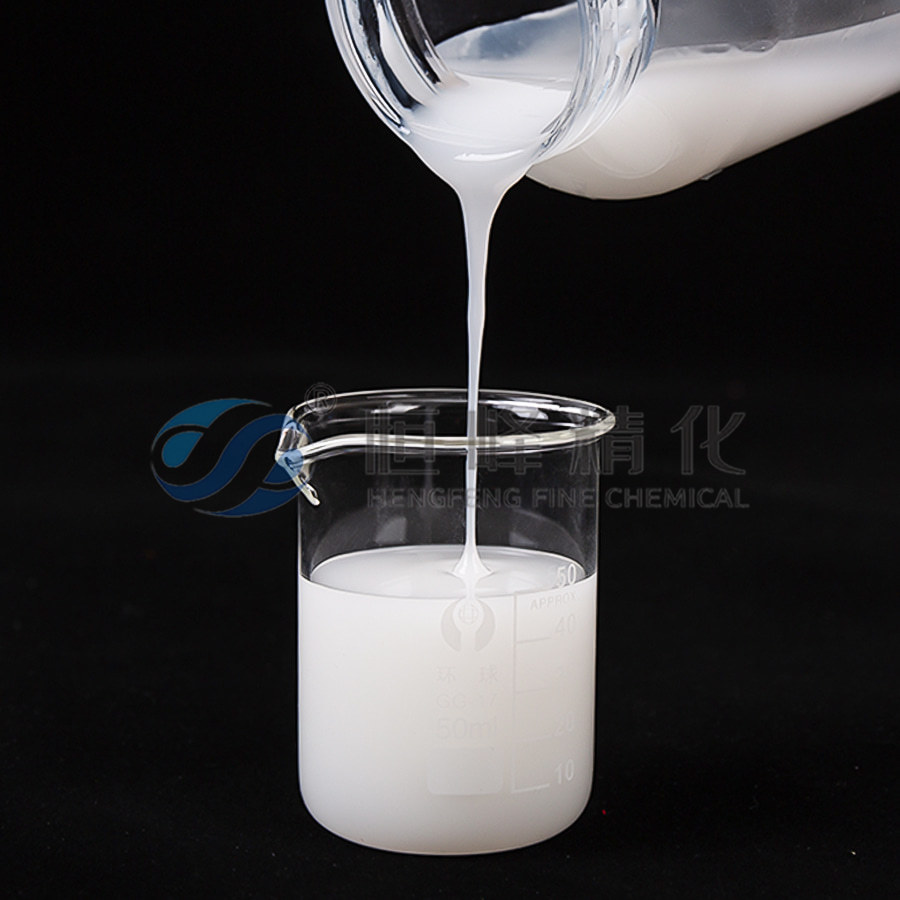
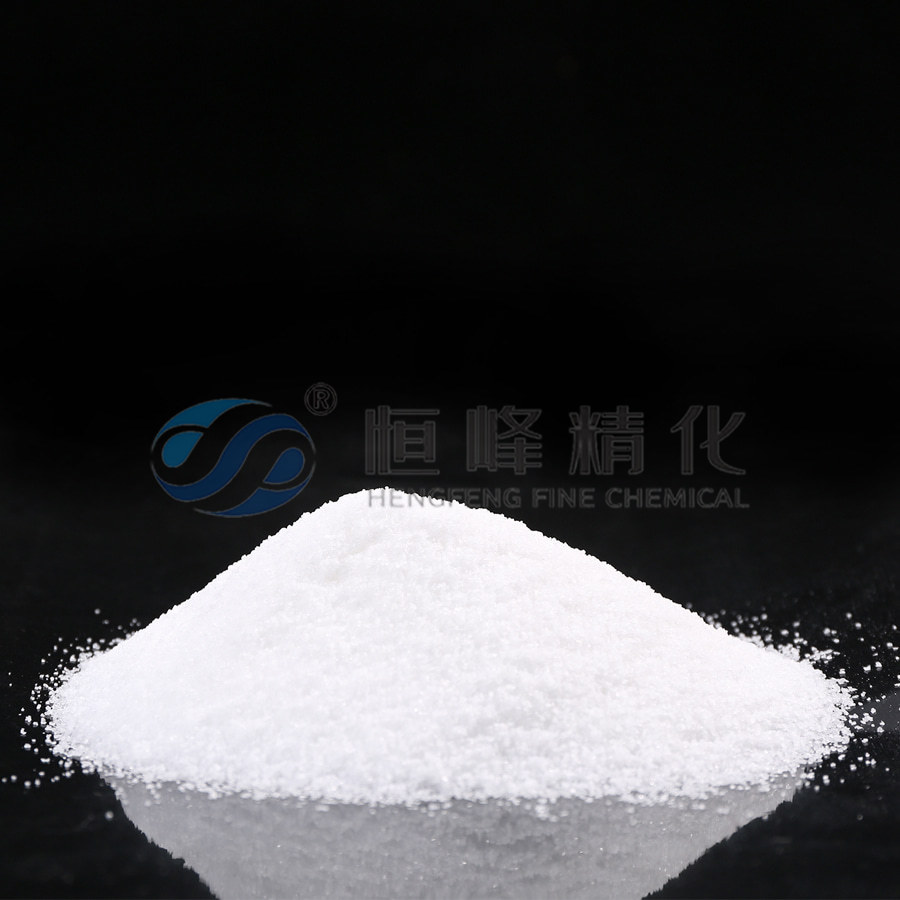
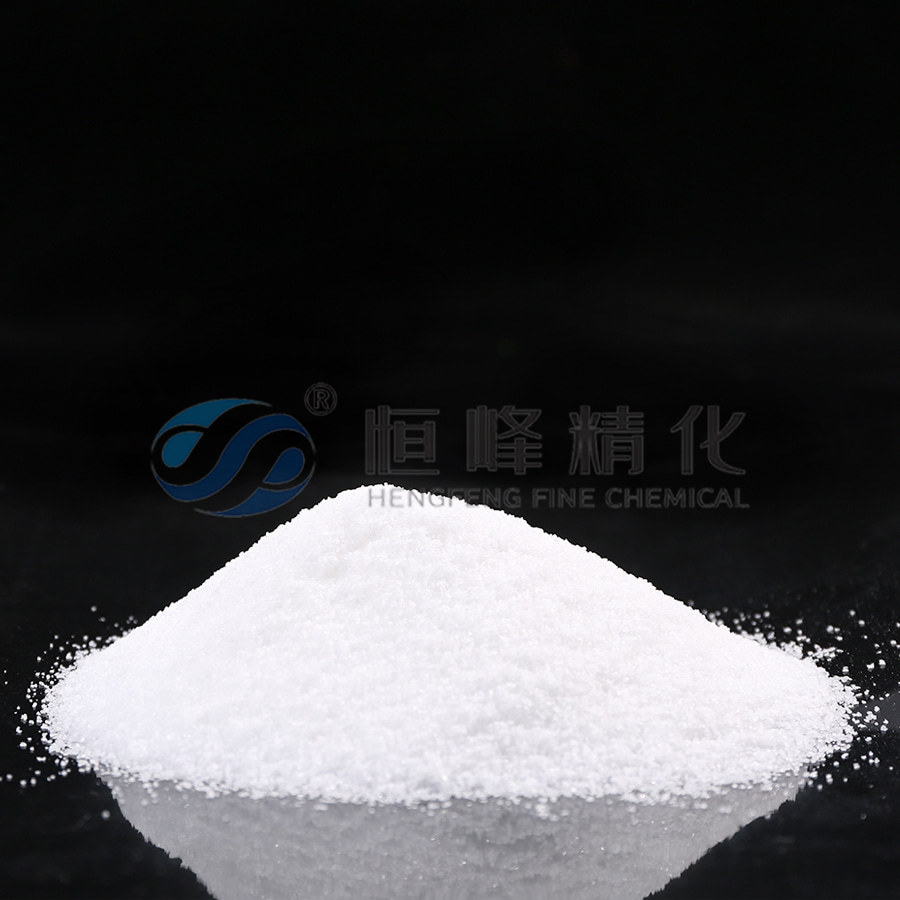
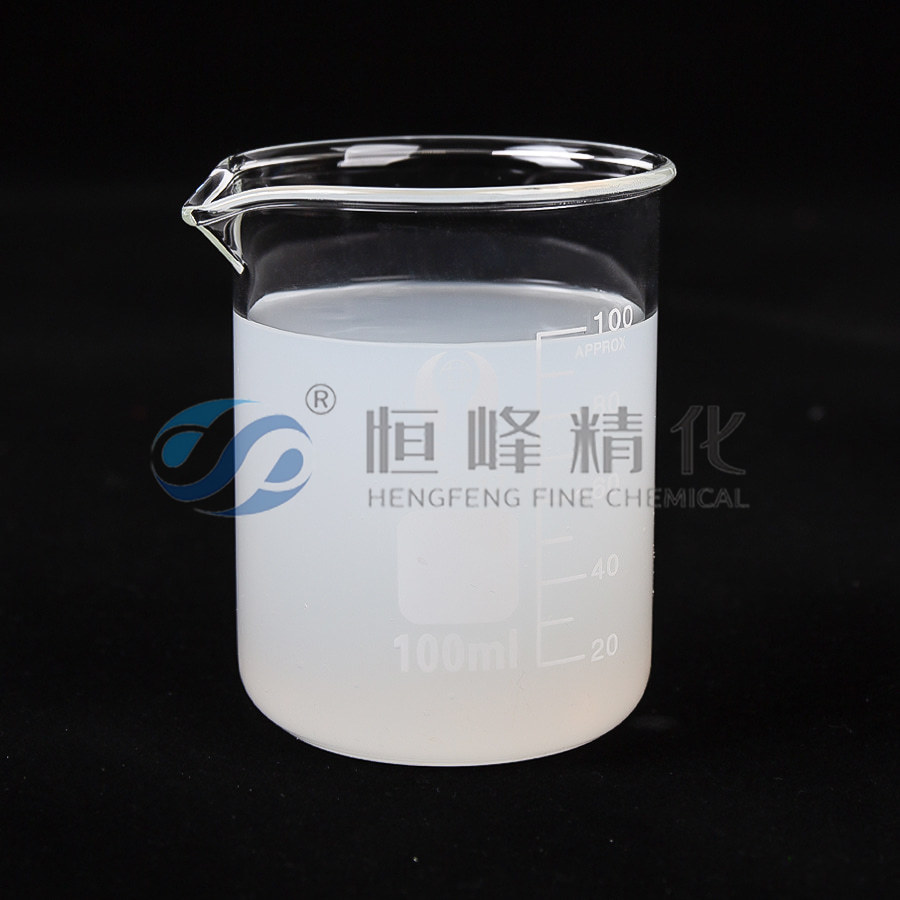
Emulsion vs powder
When compliance risk is high, choose the form you can run most consistently.
APAM/CPAM/NPAM
Optimal type depends on precipitate surface chemistry; confirm via jar test at real pH.
Initial recommendation
First lock precipitation pH and completeness, then select a PAM window that improves both overflow clarity and sludge filterability. Focus on repeatability, not just dosage reduction.
Contact us for a precise grade recommendation
Share the items below (ranges are acceptable). We will narrow the PAM type/form and the grade window and propose a safe starting trial plan.
- Target metals and precipitation pH: Defines precipitate characteristics.
- Coagulant/co-precipitant: Changes particle surface chemistry and polymer pairing.
- Clarifier and dewatering equipment: Determines desired floc structure and dosing point.
- Observed sludge behavior: Links symptoms to grade window.
- Problem repeat probability: Guides a realistic trial plan.
After you submit: recommended PAM path (type and form), 1–3 candidate grade windows, a starting-dose plan for a jar test or short trial, and dosing-point guidance.