
 English
 Español
 عربى
عربى Français
 Русский
 Tiếng Việt


Preliminary Suggestions
| Common indicators / objective symptoms | Likely direct causes (Top factors) | What you can try first (low-cost actions) | When you should introduce PAM | Why PAM is recommended (mechanism) |
|---|---|---|---|---|
| High cake moisture (low dryness) | Charge density too low; under-dissolved polymer; excessive shear | Verify make-down SOP; reduce shear; recalibrate dosing system | When mechanical limits are reached and floc structure still cannot form | CPAM provides charge neutralization + bridging for drainable flocs |
| Cloudy centrate (solids carryover) | Charge mismatch; fragile flocs; inconsistent injection | Improve dissolution; stabilize injection point; standardize dilution ratio | When capture is the KPI (compliance, reuse water, downstream fouling) | Correct grade increases fines capture and stabilizes separation |
| Unstable operation across shifts | Solution quality variability; sludge variability | Lock solution concentration and aging window; track sludge changes | When consistent performance is required with limited operator intervention | Grade matching reduces variability events and chemical waste |
Applicability boundary: Best suited for centrifuge dewatering of municipal or industrial sludges. If the root cause is equipment wear, incorrect bowl settings, or hydraulic issues, address those first; polymer optimization is most effective when the centrifuge is mechanically sound.
Selection Guidance for Sludge Centrifuge Dewatering Optimization
Molecular Weight (MW): bridging strength vs. shear sensitivity
MW mainly controls bridging. In this scenario, higher MW typically builds larger, faster-separating flocs, but it also increases shear sensitivity. If performance collapses after pumps, valves, or high-speed mixing, do not simply raise dosage—adjust MW window and dosing conditions.
Charge Density (ionicity): matching particle surface and fines behavior
Charge density controls how quickly particles neutralize and aggregate. Most sludges behave as negatively charged systems, making CPAM charge density the primary control lever. A mismatch often shows up as “fluffy” flocs, cloudy effluent/overflow, or unstable dose demand.
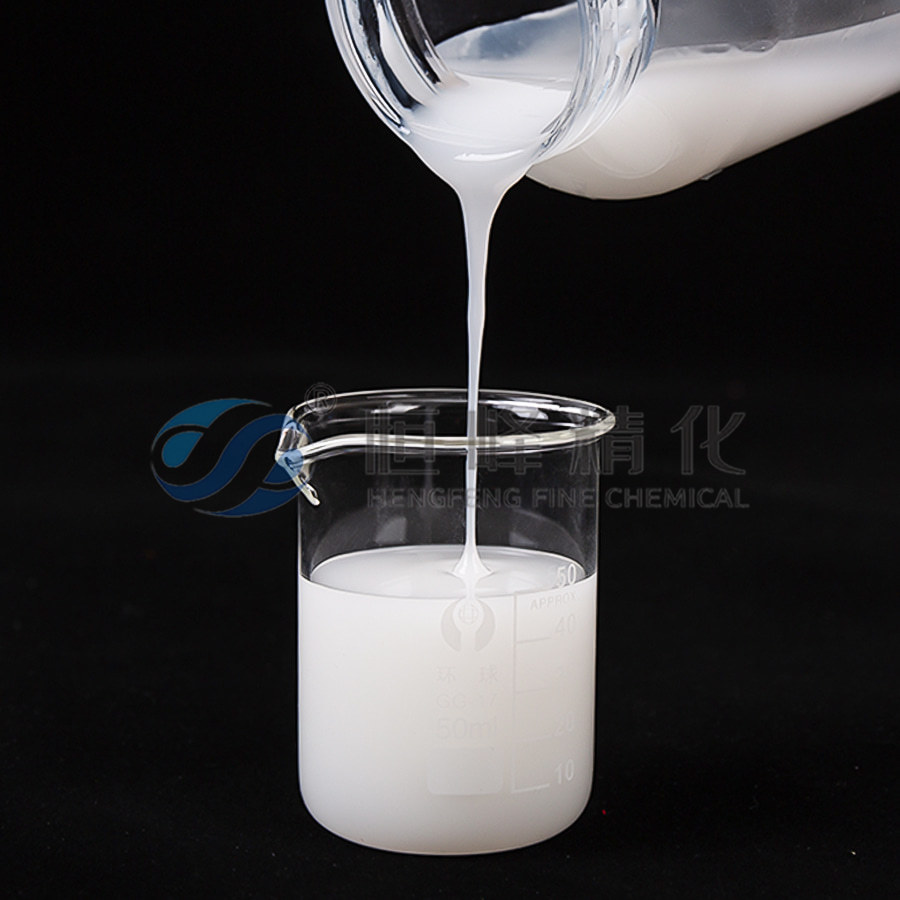
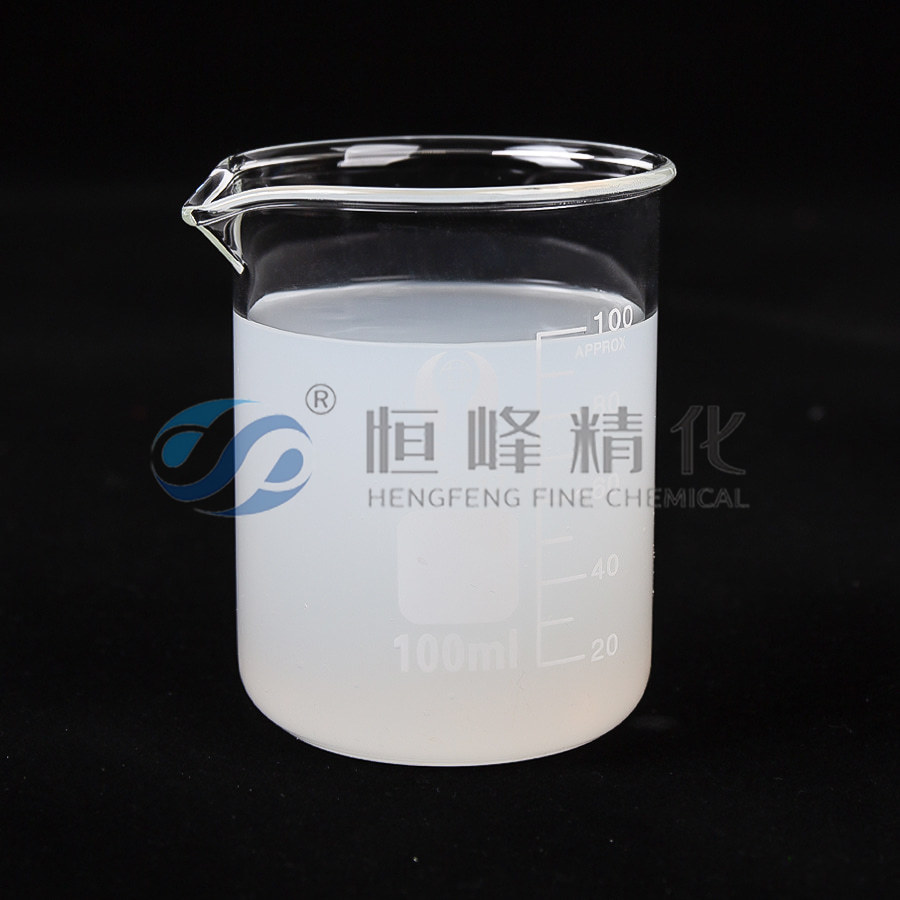
Emulsion vs. Powder: choose based on make-down control and response speed
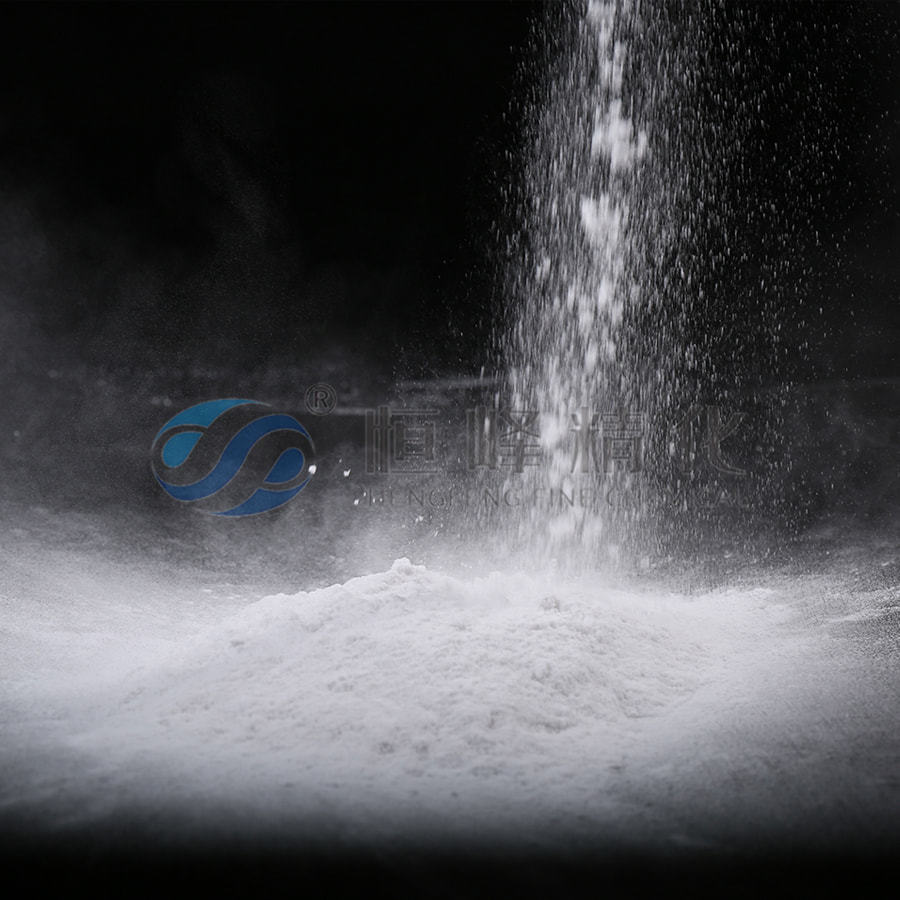
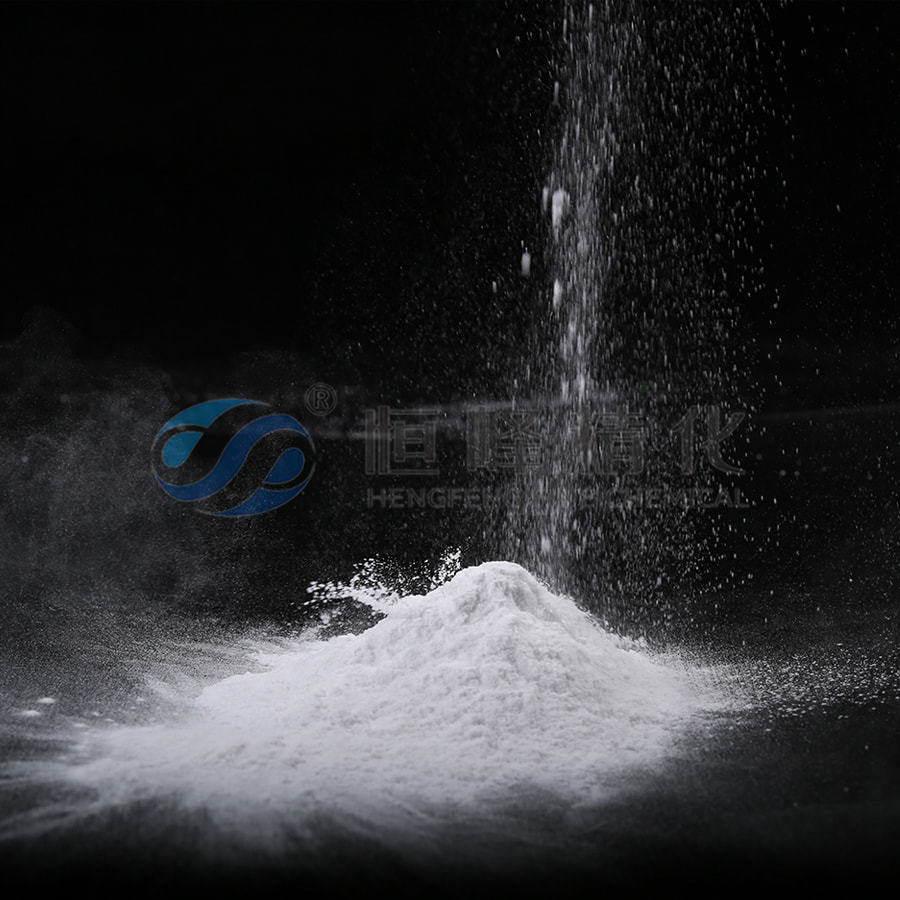
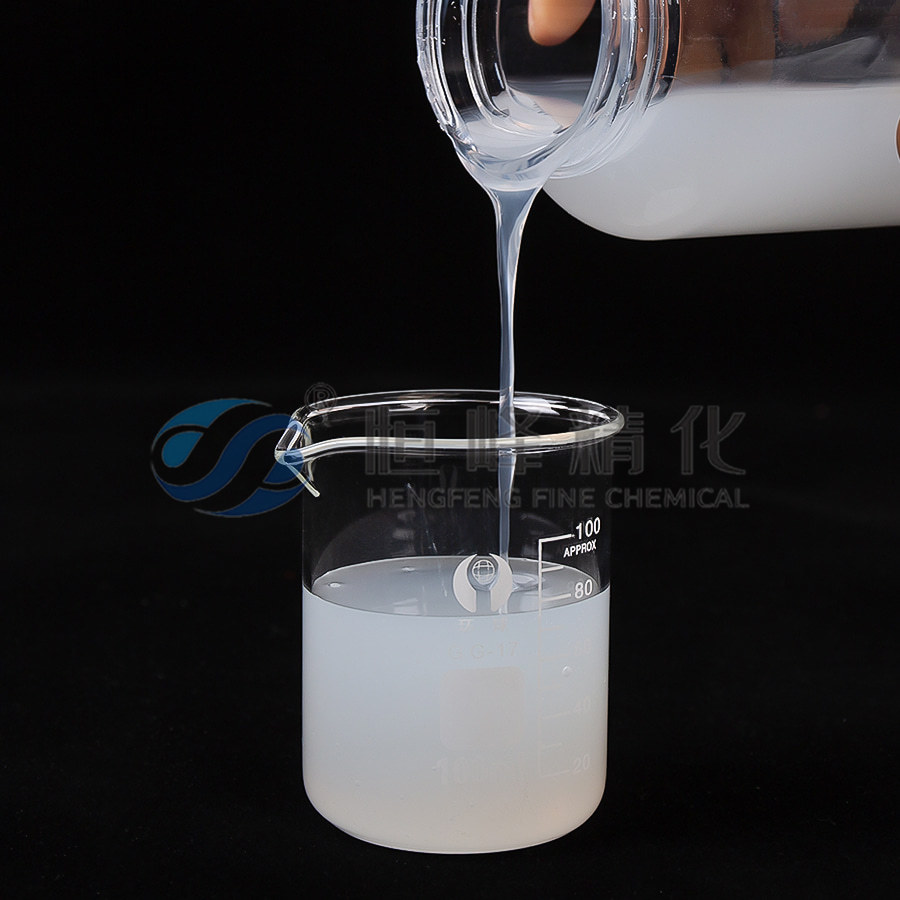
Powder programs can be economical but depend on disciplined make-down (concentration, wetting, aging time). Emulsion programs typically respond faster and can simplify automation when stable dosing is critical. Select the form that fits your staffing, control level, and response requirements.
APAM / CPAM / NPAM: a practical starting point
For centrifuge sludge dewatering, start your screening with cationic PAM (CPAM) as baseline, then tune charge density and MW and confirm by jar testing or short plant trials. Final selection depends on fines content, pH/salinity, and shear conditions.
Initial Recommendation (industry-first logic)
Recommendation: Start with CPAM screening across charge density (low-to-high) while holding make-down concentration constant. Select the grade that achieves capture (clear centrate) without overflocculation, then fine-tune dosage and injection point.
Contact Us for a Precise Grade Recommendation
A reliable recommendation requires your real operating data. You can submit approximate ranges if exact measurements are not available.
- Sludge origin (primary/WAS/mixed) and repeat probability of the issue
- Feed solids %, cake dryness target, and current centrate clarity
- pH, temperature, conductivity; presence of oil/grease if known
- Centrifuge type/model and current polymer injection point
- Current polymer form, solution concentration, aging time, and dosing range
- Any upstream chemicals (Fe/Al salts, lime, oxidants)
What you will receive: recommended PAM type & form, 2–3 candidate grade windows, a starting dosage range for trials, and a practical jar/plant test procedure aligned to your KPI.