
 English
 Español
 عربى
عربى Français
 Русский
 Tiếng Việt



Preliminary Suggestions
| Typical indicators / objective observations | Likely direct causes | Low-cost actions to try first | When you should introduce / re-select PAM | Why PAM is recommended here |
|---|---|---|---|---|
| Settling observed in lines / sumps; frequent flushing | Flow velocity below critical; coarse size fraction increases; poor agitation in tanks | Verify velocity profile; reduce dead zones; improve tank agitation and restart procedure | When hydraulic fixes are limited and settling persists under normal rates | Proper PAM conditioning can tune particle interactions and help maintain a more stable slurry structure |
| Pressure trend rises; deposits build in bends/valves | Agglomeration from incompatible reagents; excessive shear creating sticky fines; scale/precipitation | Review reagent additions; confirm water chemistry stability; inspect scaling sources | When plugging is driven by particle cohesion and cannot be controlled by flushing alone | A suitable PAM grade can reduce cohesion/bridging in the wrong places and stabilize transport behavior |
| Start/stop causes severe settling and hard restart | Poor re-suspension; weak dispersion; high solids content without stabilization | Improve restart protocol; staged ramp-up; ensure adequate recirculation before full load | When operational constraints include frequent stops and fast restart is required | PAM-based conditioning can improve re-suspension behavior and reduce restart risk |
Applicability boundary: Best for slurries where particle interaction control is required. If plugging is caused primarily by mechanical restrictions, scaling, or equipment damage, address those root causes first before polymer optimization.
Selection guidance: how to choose the right PAM for this circuit
Molecular weight (MW): bridging power vs. shear sensitivity
Higher MW typically improves bridging and aggregation, accelerating settling and improving clarification. However, high-MW flocs can be more shear-sensitive. If flocs form but break near the feedwell, pumps, or valves, MW and dosing point must be adjusted together.
Charge density (ionicity): matching particle surface chemistry
Charge density determines how strongly PAM interacts with fines and colloids. Too low may underperform; too high (or overdosing) may create fragile flocs or re-stabilize particles. The correct window depends on mineralogy, reagent regime, and water chemistry.
APAM / NPAM / CPAM: selecting the ionic type for the job
For many mining clarification and thickening applications, anionic or nonionic PAM is commonly evaluated first. Cationic grades may be relevant in specific streams where surface charge and contaminants require a different interaction profile.
Emulsion vs powder: choosing by site constraints
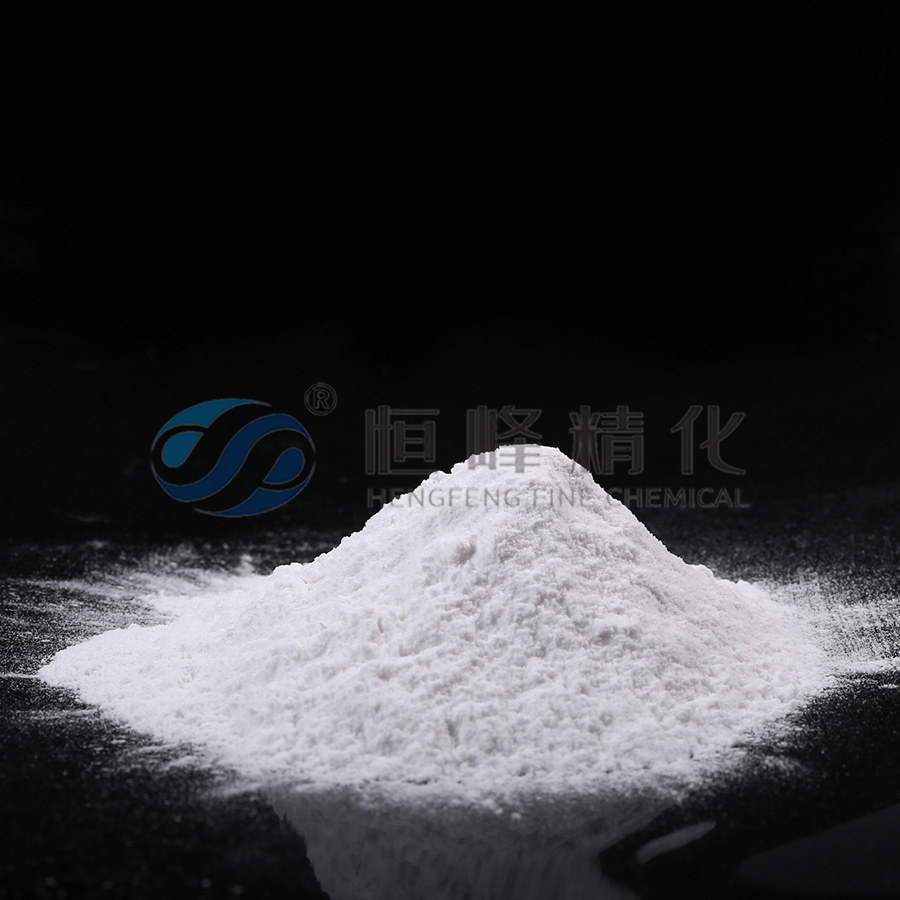
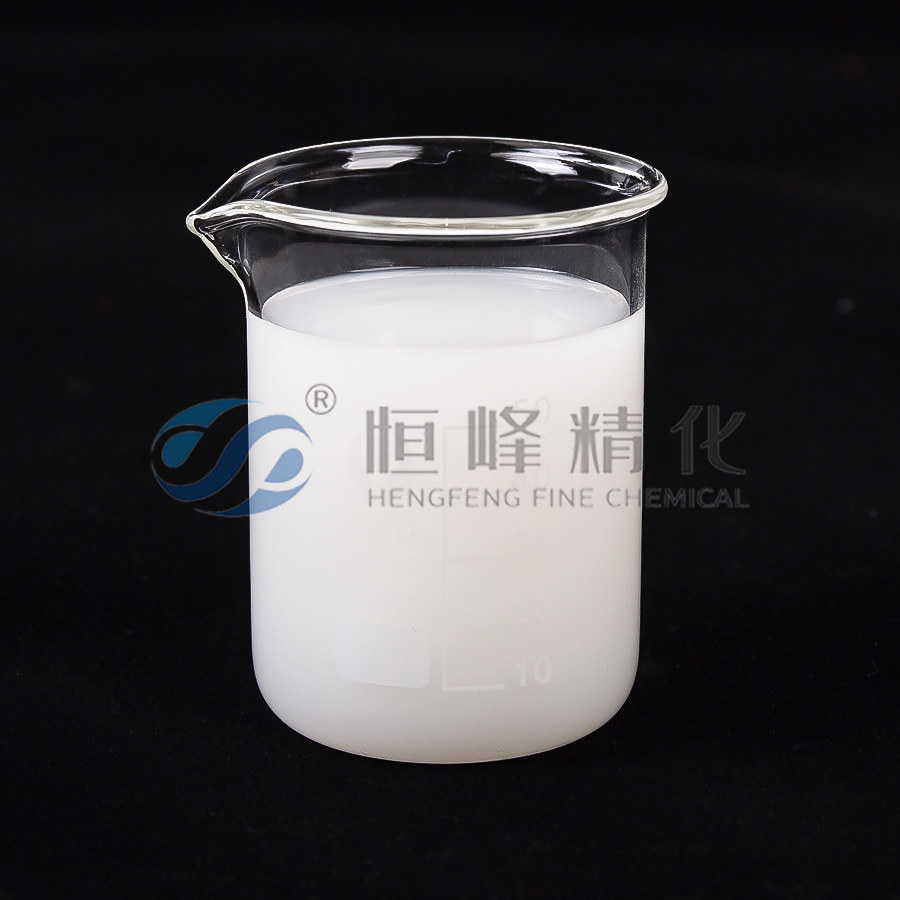
Powder grades can be cost-effective for stable operations with controlled solution preparation. Emulsion grades are often preferred when rapid dissolution, faster response, and more automated dosing are needed.
Initial recommendation
Starting point: Begin with a controlled screening between nonionic/anionic grades across a molecular weight ladder, while validating that floc formation does not increase settling risk in the pipeline. Focus on stability (no deposition) rather than maximum aggregation.
Contact us for a precise grade recommendation
A precise recommendation requires your real operating data. Please submit the form and include the items below (you may provide ranges/estimates if exact values are not available). We also welcome complex or rare cases.
- Ore type and size distribution (PSD): Settling tendency is dominated by coarse fraction and fines balance; PSD changes shift the polymer window.
- Solids concentration (% solids) and target flow rate: Determines critical velocity and how strongly stabilization is needed.
- Water chemistry (pH, salinity, hardness) if available: Affects surface charge and polymer performance; helps avoid incompatibility.
- Reagent list and addition points: Dispersants/collectors can change particle interactions and create cohesion.
- Pipeline layout and operational pattern: Bends, valves, low points, and stop/start frequency drive deposition risk.
- Problem repeat probability: Defines whether you need a robust grade window or a narrow fine-tuned solution.
What you will receive: recommended PAM type/form, 2–3 candidate grade windows, an initial dosing range for a controlled trial, and step-by-step jar test / plant trial guidance.