
 English
 Español
 عربى
عربى Français
 Русский
 Tiếng Việt



Preliminary Suggestions
| Typical indicators / objective observations | Likely direct causes | Low-cost actions to try first | When you should introduce / re-select PAM | Why PAM is recommended here |
|---|---|---|---|---|
| High pump pressure at target rate | Insufficient friction reduction; wrong MW window; incomplete hydration | Verify water quality and mixing; standardize hydration procedure; validate compatibility | When pressure limits restrict rate or operational safety margin | Proper polymer drag reducer reduces turbulence-related friction, lowering pressure |
| Inconsistent friction response between stages | Water quality variability; additive incompatibility; inconsistent blending | Standardize blending SOP; stabilize water source; verify additive sequence | When repeatability is required to execute the treatment design | A compatible program improves stage-to-stage consistency and control |
| Operational delays from slow hydration | Powder hydration too slow for tempo; inadequate mixing energy | Improve blending energy; consider emulsion for faster hydration | When rapid response and continuous pumping are needed | Fast-hydration form reduces delays and supports efficient operations |
Applicability boundary: Applicable for friction reduction in multi-additive fracturing fluids. If pressure is dominated by mechanical restrictions (surface equipment limits, tubing constraints) rather than friction, address mechanical constraints first.
Selection guidance: how to choose the right polymer program for this oilfield scenario
Molecular weight (MW): performance strength vs. shear sensitivity
MW influences friction reduction, viscosity build, and overall fluid behavior. Higher MW can strengthen performance but can be more shear-sensitive. Select MW based on pump rate, shear environment, and your blending constraints.
Ionicity and compatibility: brines, additives, and formation minerals
Ionic type affects compatibility with salts, surfactants, breakers, and formation minerals (especially clays). A compatibility-first approach reduces precipitation risk, residue risk, and performance loss.
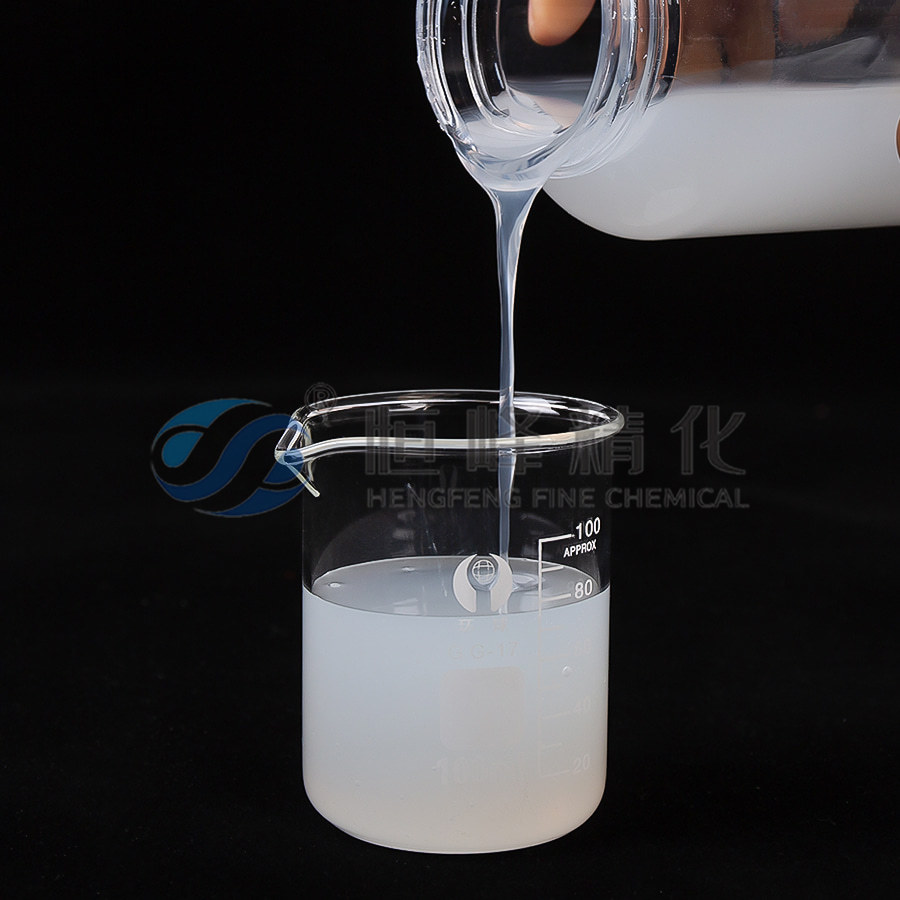
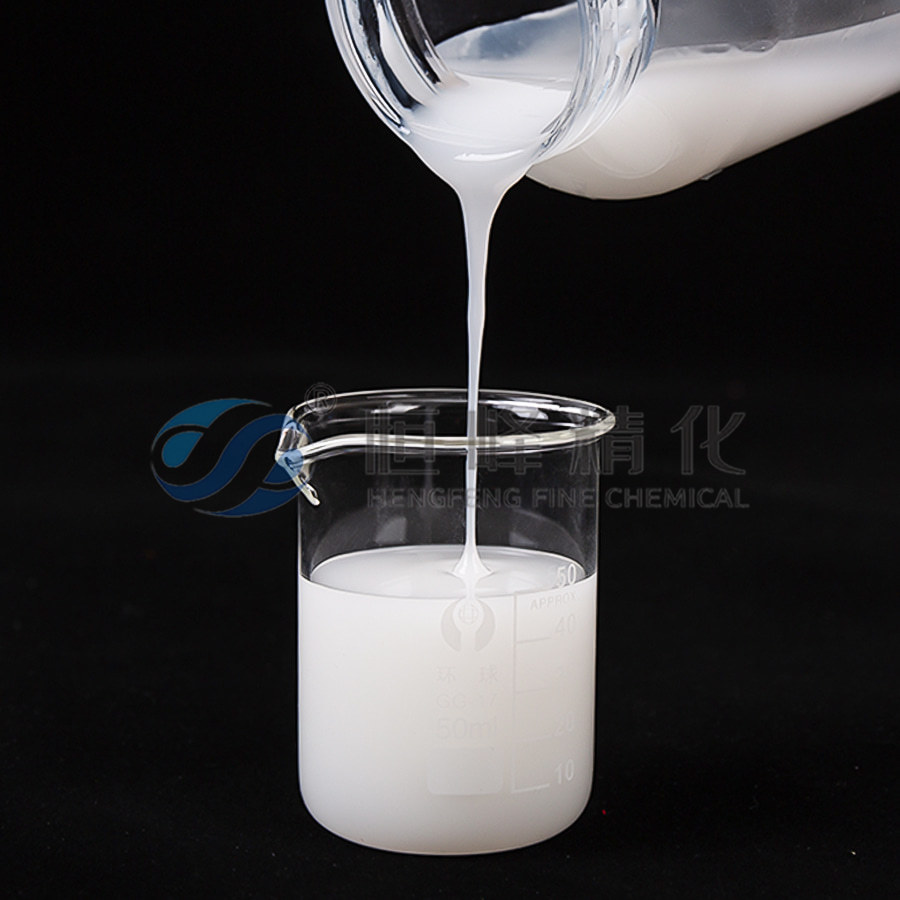
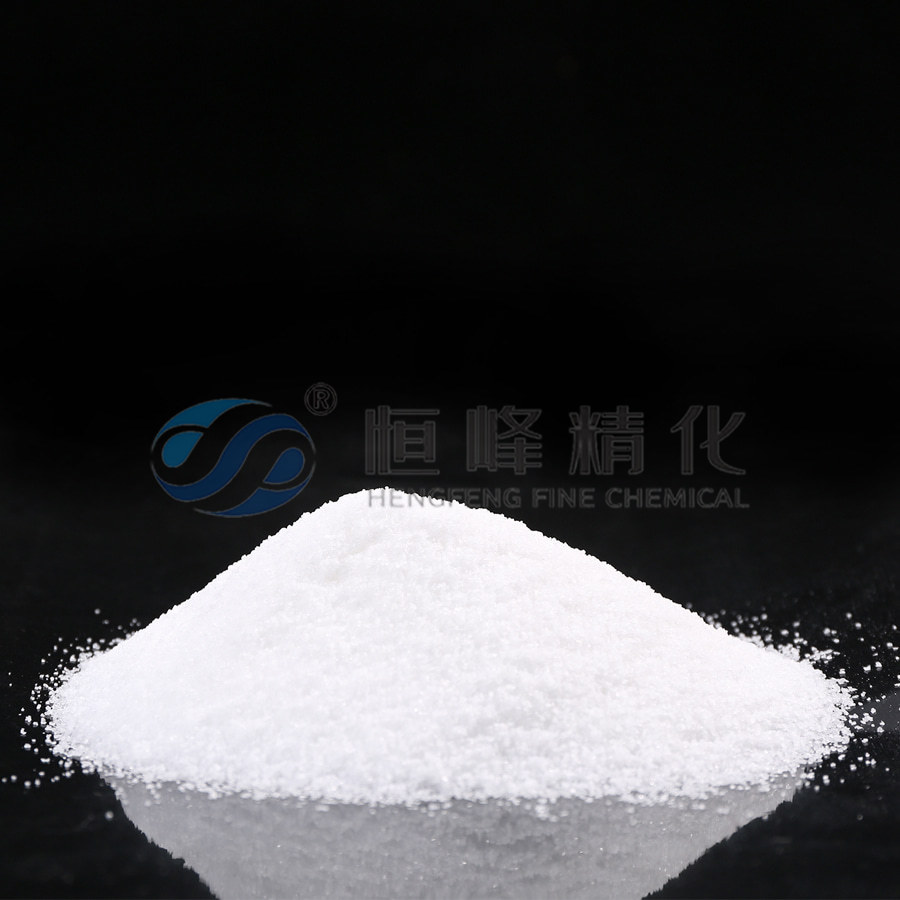
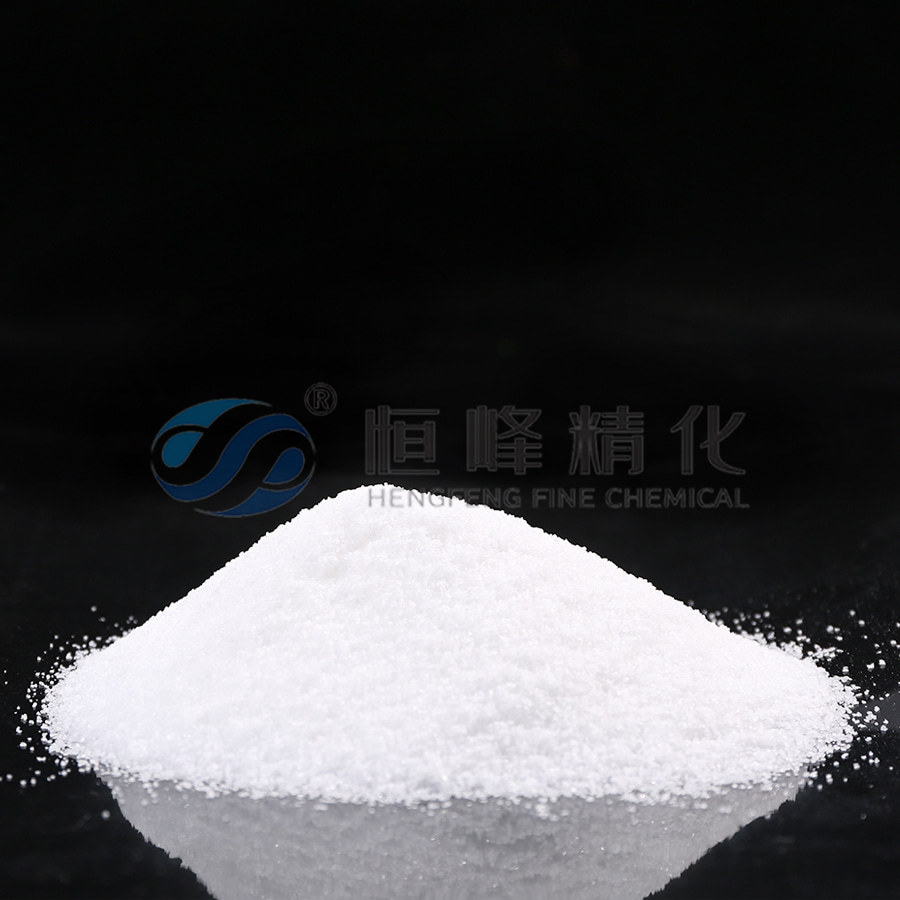
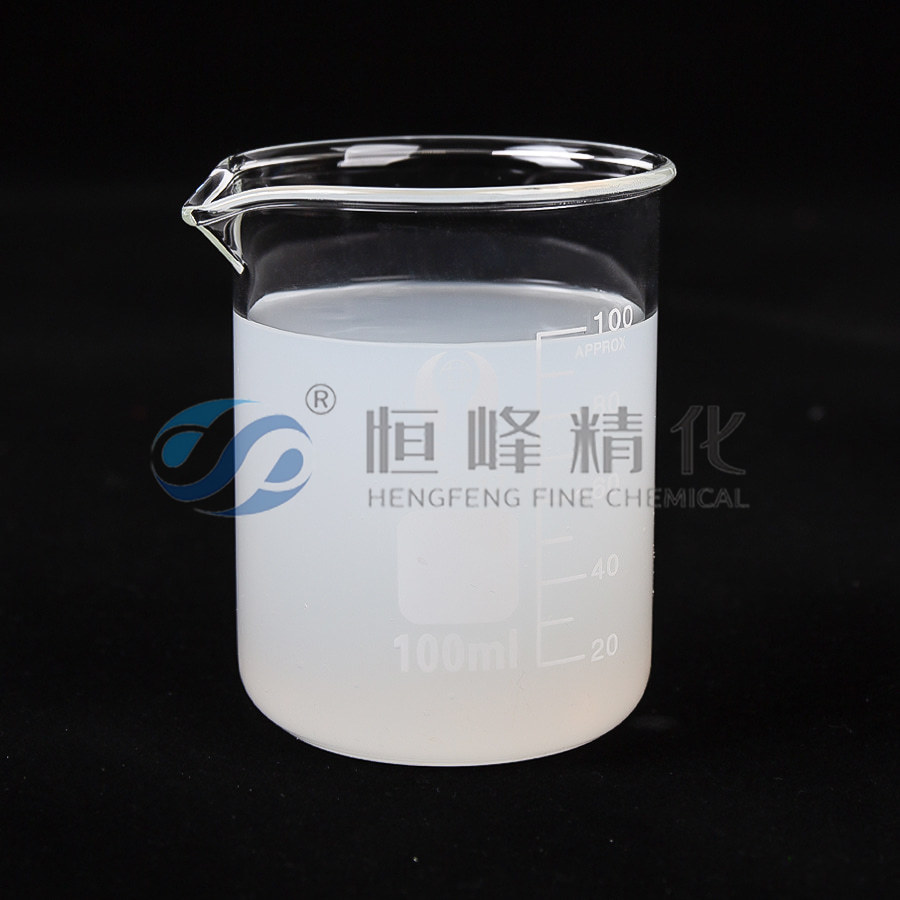
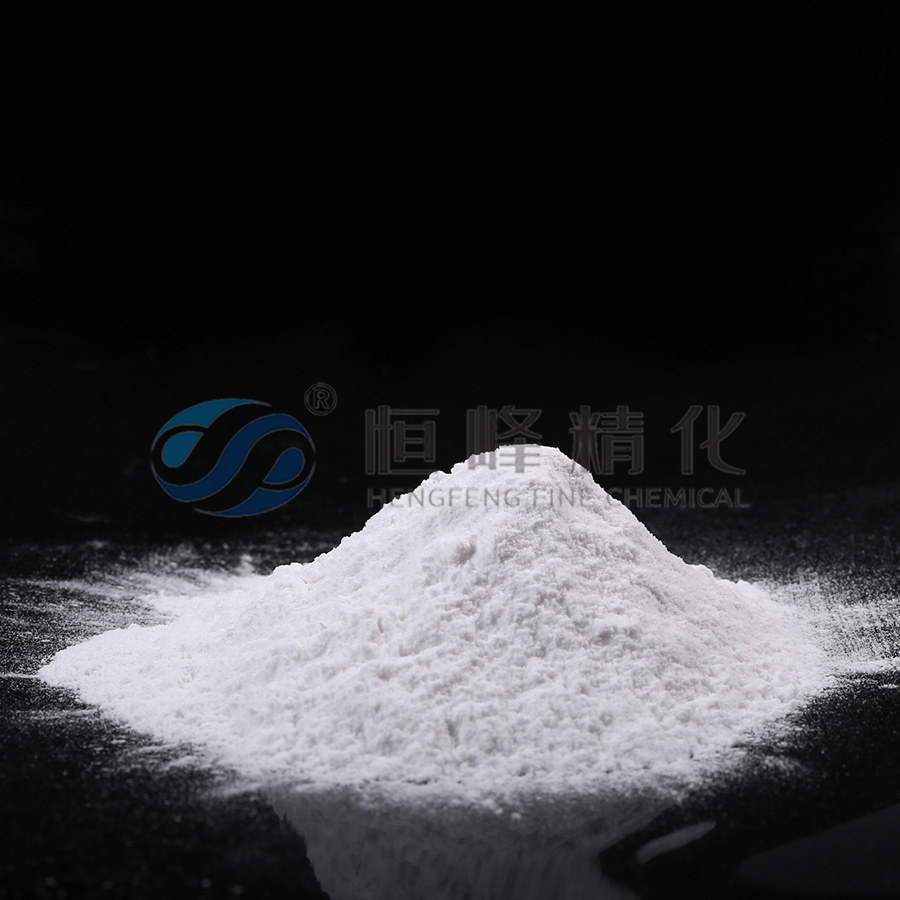
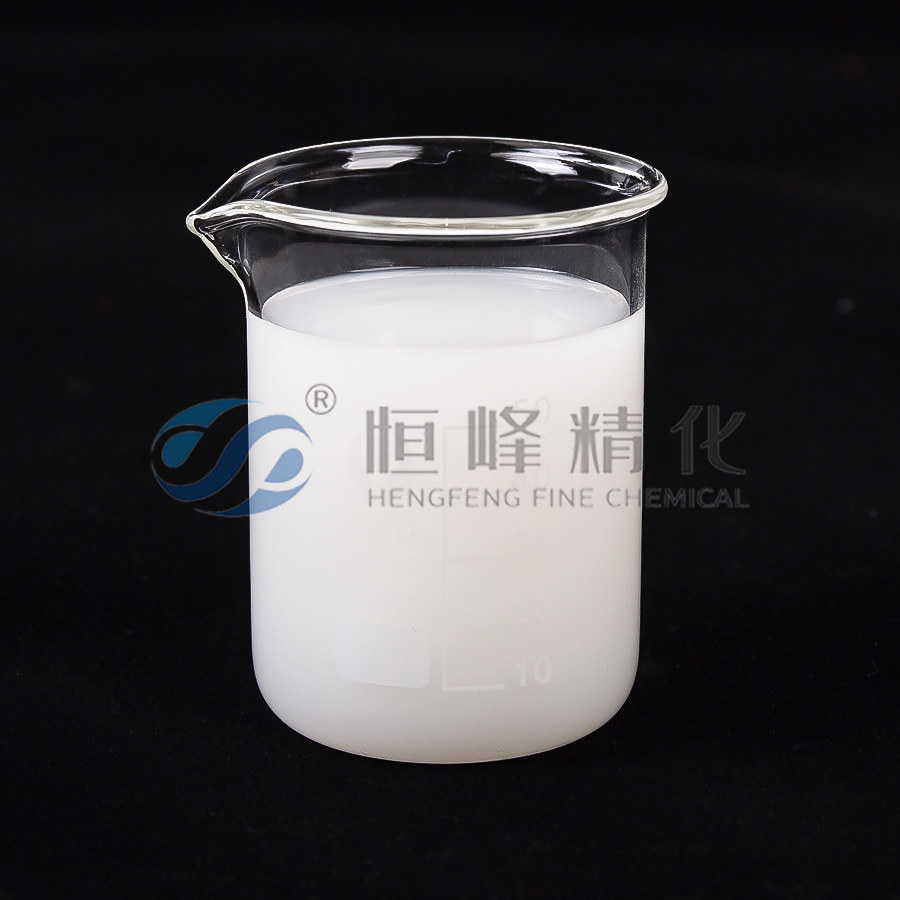
Emulsion vs powder: hydration speed and operational tempo
Powder requires disciplined hydration and sufficient mixing time; emulsion is often used when faster hydration and rapid response are needed. Choose based on blending equipment, water quality, and the operational tempo on location.
Multi-additive systems: validate the full fluid, not a single component
Oilfield fluids are multi-additive systems. Selection should be validated through controlled compatibility and performance tests at representative salinity and temperature.
Initial recommendation
Starting point: Start with an emulsion-based drag reducer program where rapid hydration and fast response are critical. Validate friction reduction in representative water and additive packages, then tune MW and dosage for your target rate and pressure constraints.
Contact us for a precise grade recommendation
A precise recommendation requires your operating parameters. Please submit the form and include the items below (ranges/estimates are acceptable). We also welcome complex or rare cases.
- Water source and salinity/hardness: Controls hydration and compatibility; explains variability between stages.
- Target pump rate and pressure limits: Defines the required friction reduction and allowable operating margin.
- Fluid system additive list (surfactants, biocide, scale inhibitor, etc.): Compatibility must be validated across the full system.
- Temperature range and shear profile: Affects polymer stability and performance retention.
- Mixing equipment and operational tempo: Determines whether rapid-hydration forms are required.
- Problem repeat probability: Guides robustness requirements for multi-stage consistency.
What you will receive: recommended type/form, 2–3 candidate grade windows, an initial dosage guidance for a controlled field trial, and step-by-step mixing/compatibility test suggestions.