
 English
 Español
 عربى
عربى Français
 Русский
 Tiếng Việt

Preliminary Suggestions
| Typical indicators / objective observations | Likely direct causes | Low-cost actions to try first | When you should introduce / re-select PAM | Why PAM is recommended here |
|---|---|---|---|---|
| Sand settling / transport instability | Insufficient carrying capacity; wrong fluid design; incompatible additive interaction | Verify sand schedule and rate; standardize blending; check water quality and friction response | When proppant placement quality and screenout risk are key constraints | A tuned polymer program can support stable transport behavior while controlling friction |
| High friction pressure plus weak carrying symptoms | Polymer window not optimized; incomplete hydration; excessive shear degradation | Improve hydration and reduce shear damage; verify compatibility; optimize dosing | When both rate (friction) and carrying are required simultaneously | Correct MW/form balances friction reduction and transport support |
| Sensitivity to water/additive changes | Compatibility limitations; precipitation/residue risk | Run compatibility and performance tests in representative fluids | When treatments must be repeatable across varying conditions | Compatibility-first selection improves reliability stage-to-stage |
Applicability boundary: Applicable where integrated friction reduction and transport support are needed. If sand issues are dominated by mechanical constraints (equipment restrictions, sand handling errors), address operations first.
Selection guidance: how to choose the right polymer program for this oilfield scenario
Molecular weight (MW): performance strength vs. shear sensitivity
MW influences friction reduction, viscosity build, and overall fluid behavior. Higher MW can strengthen performance but can be more shear-sensitive. Select MW based on pump rate, shear environment, and your blending constraints.
Ionicity and compatibility: brines, additives, and formation minerals
Ionic type affects compatibility with salts, surfactants, breakers, and formation minerals (especially clays). A compatibility-first approach reduces precipitation risk, residue risk, and performance loss.
Emulsion vs powder: hydration speed and operational tempo
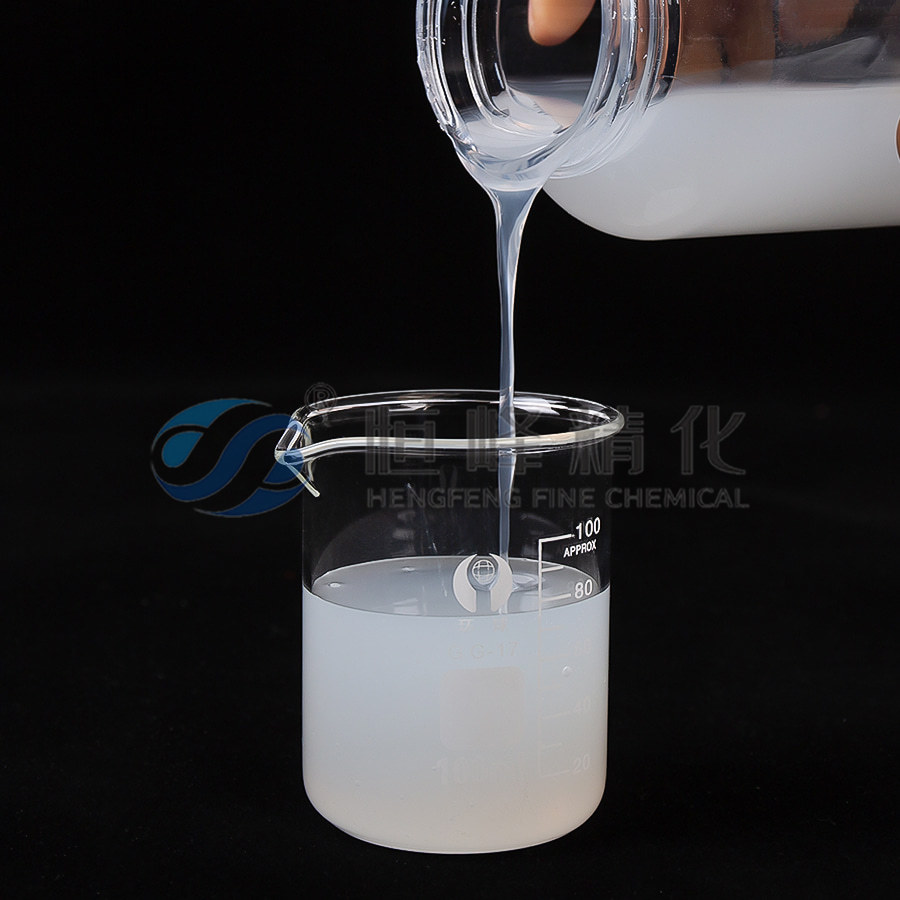
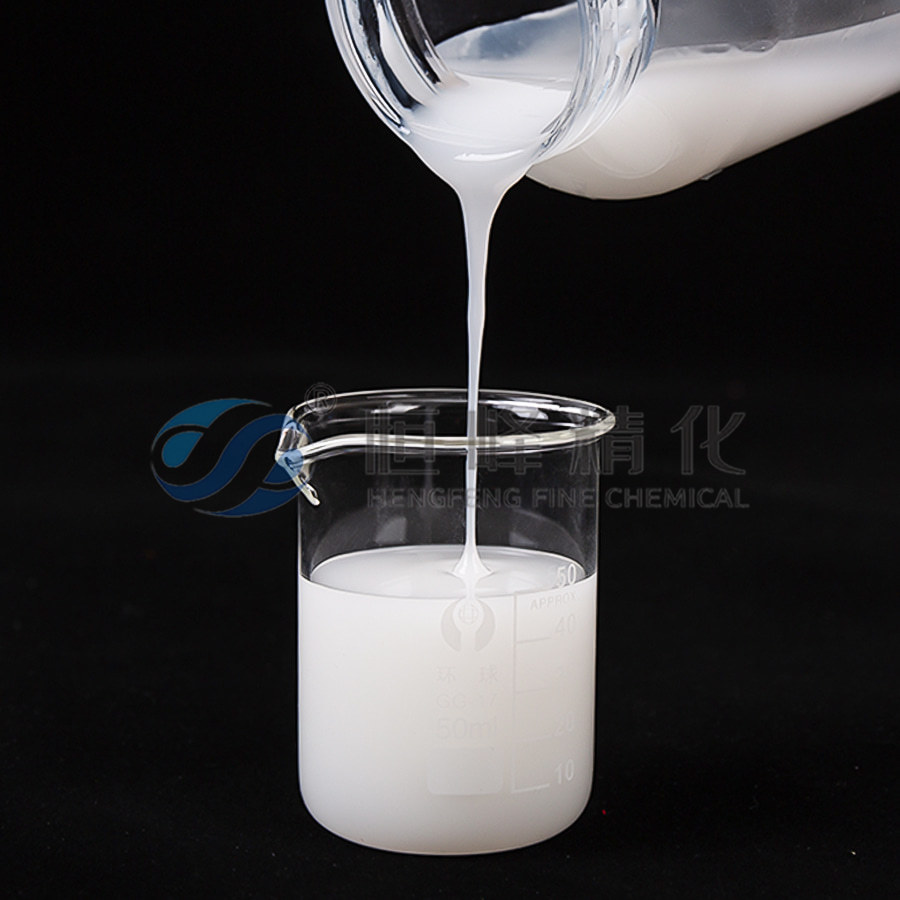
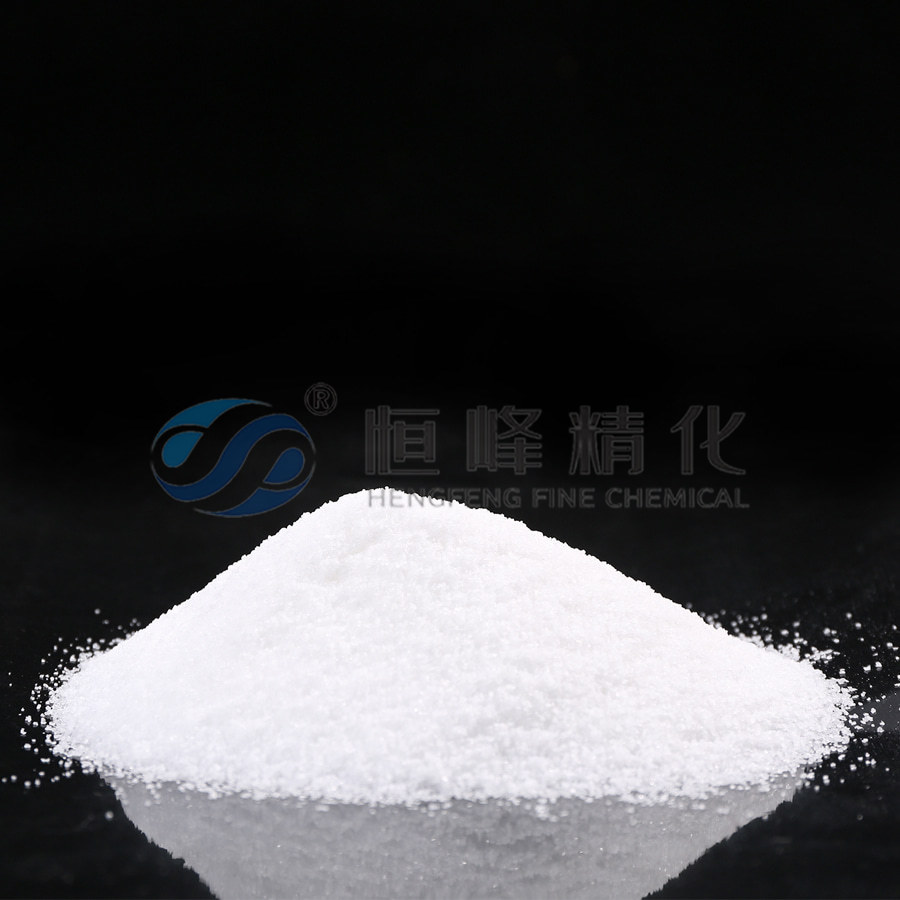
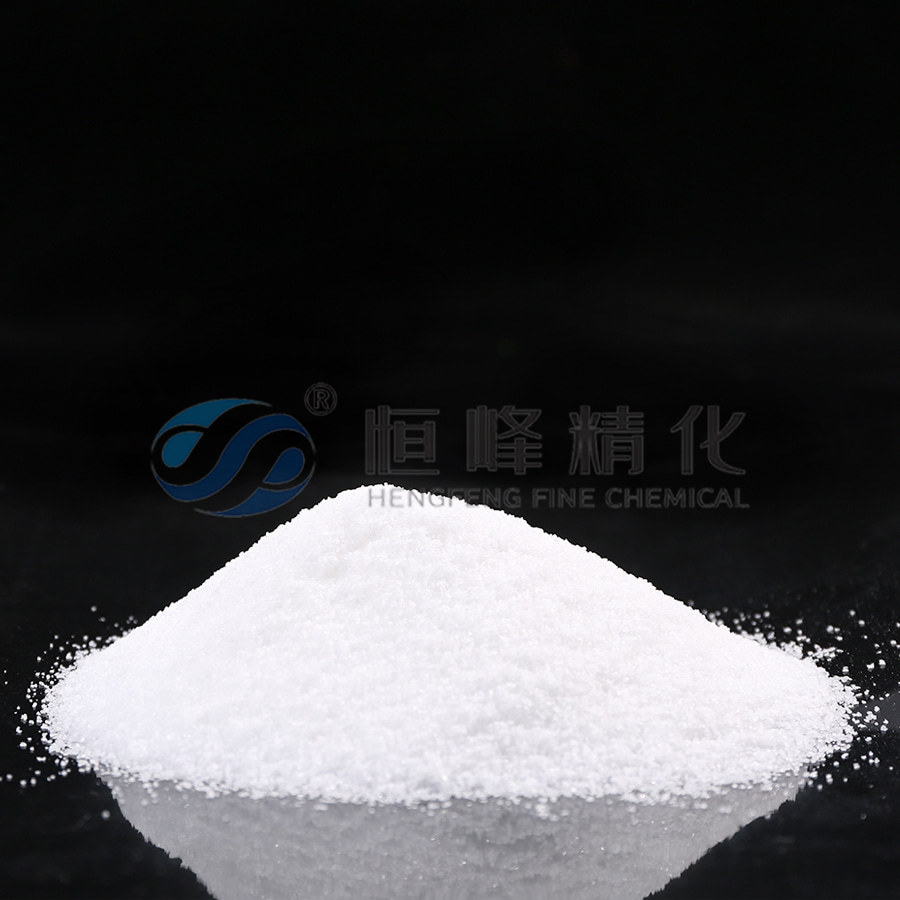
Powder requires disciplined hydration and sufficient mixing time; emulsion is often used when faster hydration and rapid response are needed. Choose based on blending equipment, water quality, and the operational tempo on location.
Multi-additive systems: validate the full fluid, not a single component
Oilfield fluids are multi-additive systems. Selection should be validated through controlled compatibility and performance tests at representative salinity and temperature.
Initial recommendation
Starting point: Define the primary failure mode (sand settling vs friction limit), then select a polymer window that maintains compatibility with your full additive package. Validate transport and friction in a controlled performance test under representative shear and temperature.
Contact us for a precise grade recommendation
A precise recommendation requires your operating parameters. Please submit the form and include the items below (ranges/estimates are acceptable). We also welcome complex or rare cases.
- Proppant type, size, and schedule: Defines the transport challenge and screenout risk.
- Target rate and pressure constraints: Defines required friction reduction and operational margin.
- Water chemistry and temperature: Controls polymer hydration and stability.
- Additive package and sequence: Compatibility is critical in multi-additive systems.
- Shear exposure (surface equipment, perforation constraints): Shear can degrade performance and change transport behavior.
- Problem repeat probability: Guides robustness requirements across stages and pads.
What you will receive: recommended type/form, 2–3 candidate grade windows, an initial dosage guidance for a controlled field trial, and step-by-step mixing/compatibility test suggestions.