
 English
 Español
 عربى
عربى Français
 Русский
 Tiếng Việt


Preliminary Suggestions
| Typical indicators / objective observations | Likely direct causes | Low-cost actions to try first | When you should introduce / re-select PAM | Why PAM is recommended here |
|---|---|---|---|---|
| High slime entrainment in froth; grade drops | Excess fines/clays; poor desliming; surface chemistry shifts | Improve desliming and feed density control; review frother strategy | When fines/clays must be conditioned or removed to restore selectivity | PAM can aggregate targeted fines for removal/settling upstream, reducing entrainment load |
| Reagent consumption rises; performance remains weak | Reagent incompatibility; unstable water chemistry; variable mineralogy | Stabilize reagent addition; monitor pH and recycle-water quality | When the circuit needs a robust conditioning step to reduce variability | Proper polymer conditioning can stabilize fines behavior and improve downstream separation |
| Cloudy recycle water increases slime carryover | Poor clarification; thickener overflow deteriorates | Improve clarification upstream; optimize thickener feedwell conditions | When recycle-water clarity becomes the limiting factor | Mining PAM improves clarification and reduces suspended slimes returning to flotation |
Applicability boundary: Most effective where fine solids/clays drive entrainment. If selectivity loss is mainly due to liberation size, grinding control, or reagent choice unrelated to slimes, address those first and use polymer conditioning as a supporting lever.
Selection guidance: how to choose the right PAM for this circuit
Molecular weight (MW): bridging power vs. shear sensitivity
Higher MW typically improves bridging and aggregation, accelerating settling and improving clarification. However, high-MW flocs can be more shear-sensitive. If flocs form but break near the feedwell, pumps, or valves, MW and dosing point must be adjusted together.
Charge density (ionicity): matching particle surface chemistry
Charge density determines how strongly PAM interacts with fines and colloids. Too low may underperform; too high (or overdosing) may create fragile flocs or re-stabilize particles. The correct window depends on mineralogy, reagent regime, and water chemistry.
APAM / NPAM / CPAM: selecting the ionic type for the job
For many mining clarification and thickening applications, anionic or nonionic PAM is commonly evaluated first. Cationic grades may be relevant in specific streams where surface charge and contaminants require a different interaction profile.
Emulsion vs powder: choosing by site constraints
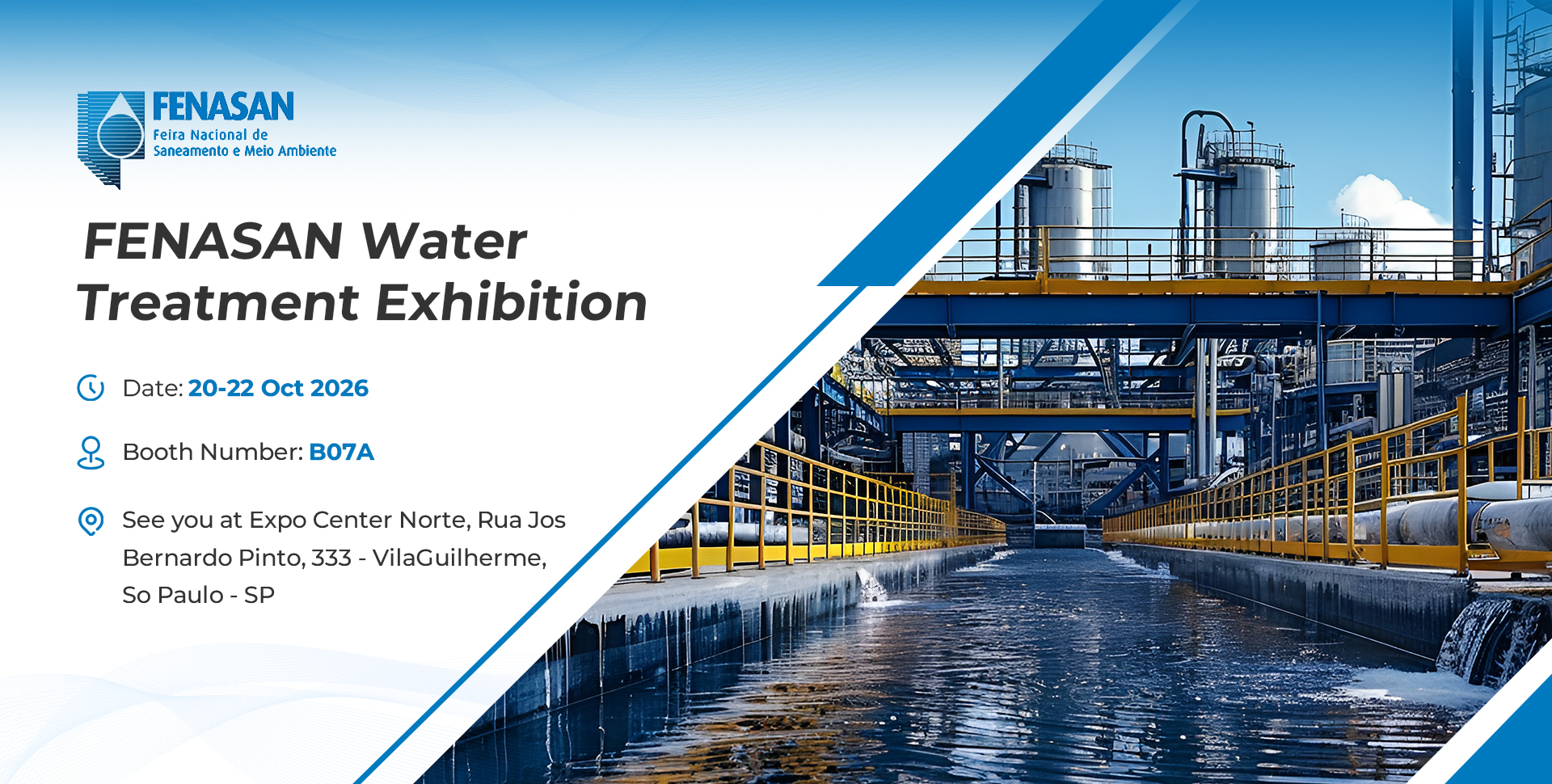
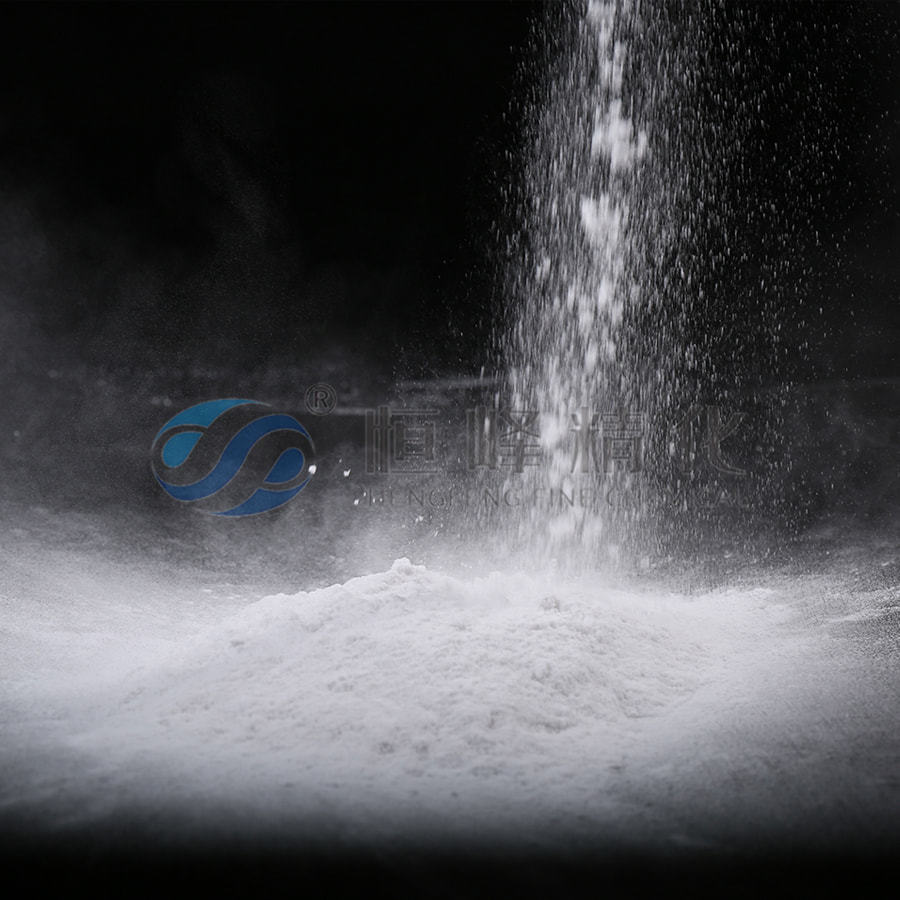
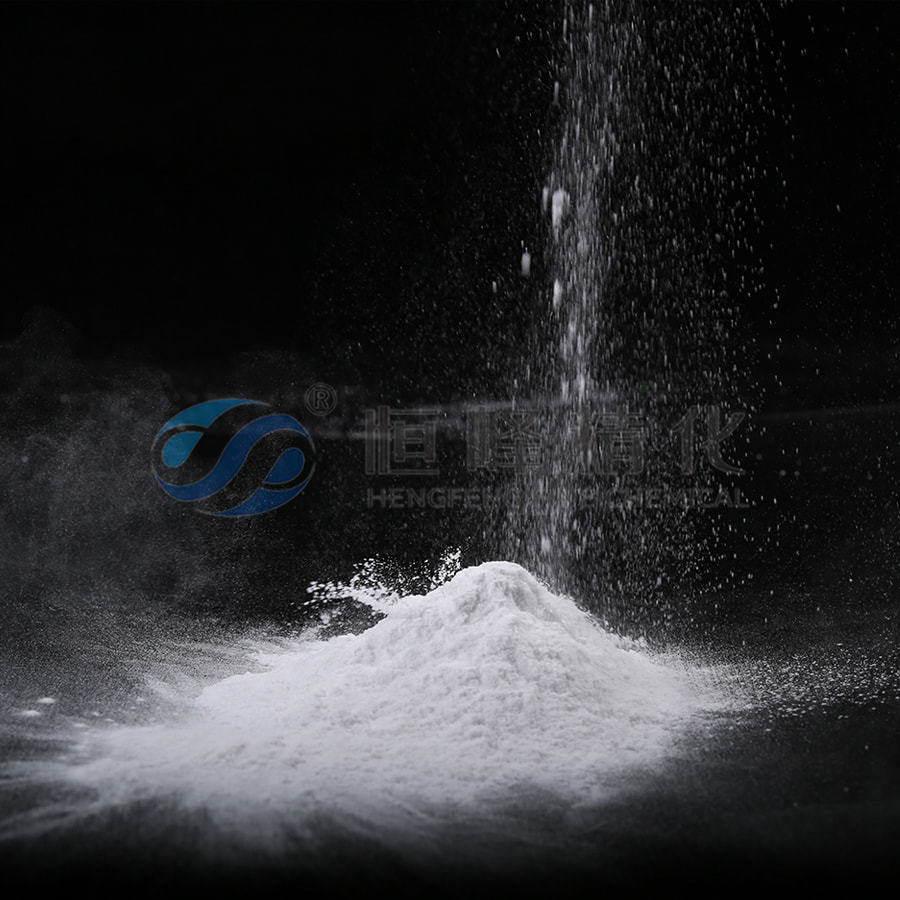
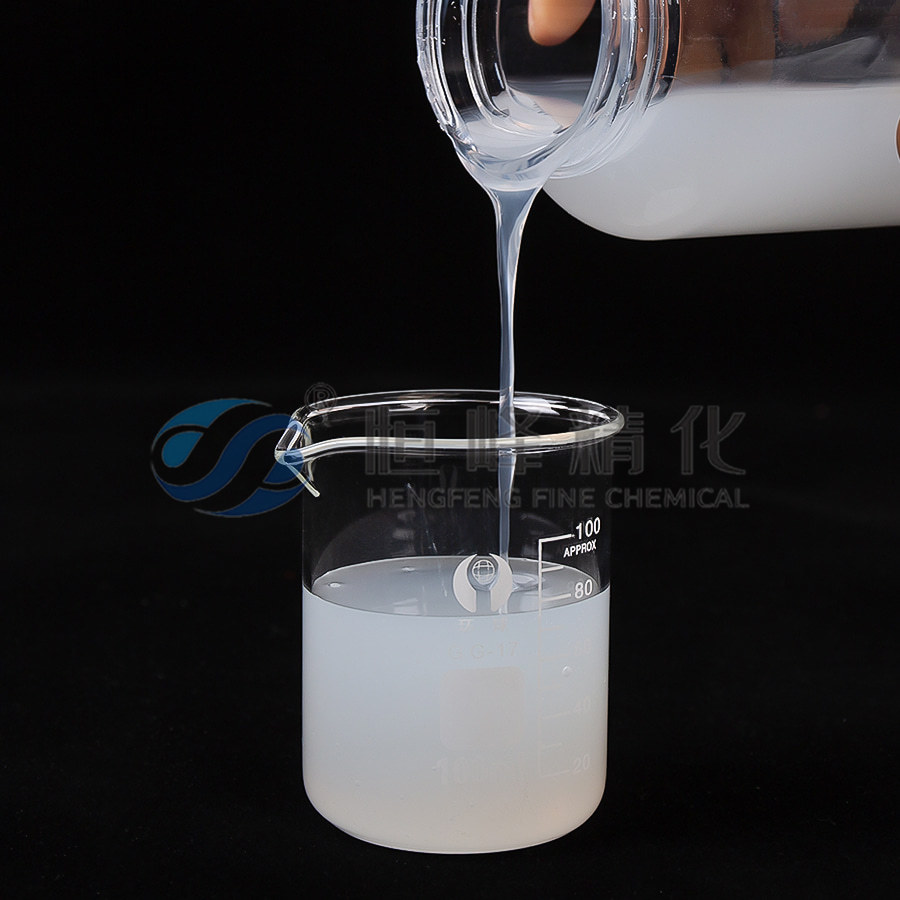
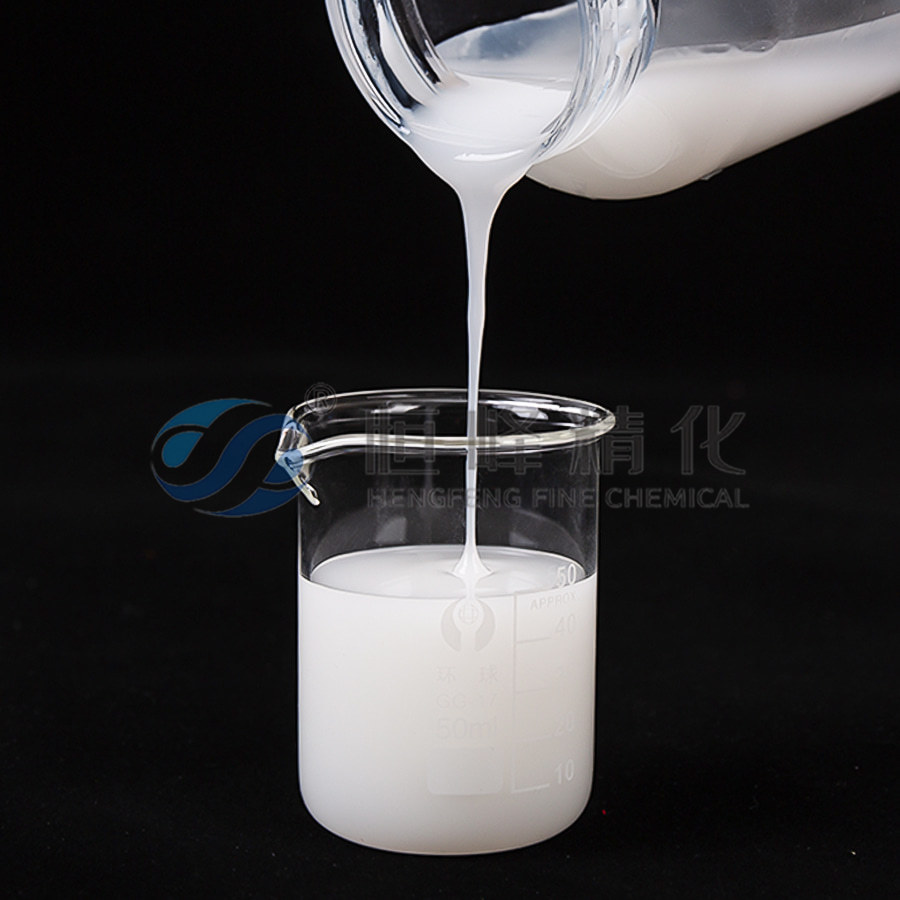
Powder grades can be cost-effective for stable operations with controlled solution preparation. Emulsion grades are often preferred when rapid dissolution, faster response, and more automated dosing are needed.
Initial recommendation
Starting point: Start with an upstream clarification/conditioning trial: select an anionic/nonionic PAM window that aggregates slimes without creating overly fragile flocs, and verify that clarification improves recycle-water quality feeding the flotation circuit.
Contact us for a precise grade recommendation
A precise recommendation requires your real operating data. Please submit the form and include the items below (you may provide ranges/estimates if exact values are not available). We also welcome complex or rare cases.
- Ore blend and clay/slime tendency: Defines the severity of entrainment and the conditioning intensity needed.
- Recycle-water turbidity and overflow clarity: Shows whether the circuit is feeding itself with slimes.
- pH and reagent list (collector/frother/dispersant): Determines surface chemistry and polymer compatibility.
- Where conditioning can be applied (thickener, clarifier, conditioning tank): Correct dosing point is critical to avoid negative flotation impacts.
- Target KPI (grade, recovery, froth stability): Keeps trials focused on measurable outcomes.
- Problem repeat probability: Supports designing a stable operating window across blends.
What you will receive: recommended PAM type/form, 2–3 candidate grade windows, an initial dosing range for a controlled trial, and step-by-step jar test / plant trial guidance.